
Month: May 2013
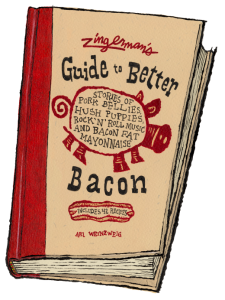
Zingerman’s 4th Annual Camp Bacon is just around the corner and to help get everyone prepared, we’re sharing tasty excerpts and recipes from Ari’s book, Zingerman’s Guide to Better Bacon.
Wittenberg Splits
This is the way Tanya Nueske and her family grew up eating hot dogs. They’re not hard to make and they really are darned good. To restate the by-now familiar: the better the buns and hot dogs, the better these are going to taste. I use buns from Zingerman’s Bakehouse, on which I put either Vienna all-beef dogs from Chicago (the ones I grew up with) or the Niman Ranch version. Take note that in Wisconsin “cheddar” always means orange cheese, never white. It won’t taste any different, but if you want to accurately replicate Tanya Nueske’s early life experience, white cheese just really won’t do.
Ingredients:
- 12 thick slices Nueske’s applewood-smoked bacon
- 6 jumbo hot dogs, split lengthwise
- 6 ounces sharp cheddar (the older the better), sliced
- 1 large dill pickle, sliced thinly lengthwise
- 6 hot dog buns, toasted
Procedure:
- Preheat oven to broil at 375°F.
- With a sharp paring knife, cut a line lengthwise along each hot dog, leaving a thin strip at the bottom so that the dog stays in one piece. Lay the sliced cheddar inside the split, then place a long slice of pickle atop the cheese. Wrap each hot dog in 2 slices of bacon and secure the ends of each strip with a toothpick.
- Place on a foil-topped baking sheet and broil for 10 to 12 minutes, or until the bacon is nicely browned.
- You can put your buns under the broiler for the last 2 minutes to toast them, too. Take out the toothpicks, put the dogs in the buns and eat ’em while they’re hot.
Serves 6 as a main course.
See you at camp!
Month: May 2013
*From time to time, we share the writing of our friends and co-workers on this site. Today’s guest post comes from the blog of Zingerman’s Mail Order Managing Partner, Mo Frechette. You can read Mo’s blog here.
Drank No. 4: Two styles of gin and which one is best for a gin and tonic
Outside of the Netherlands nearly all gin is made in what’s called the “London style.” Within the London style, though, there are two major distinctions, what I call stewed and steamed.
Stewed gins are made by boiling the botanicals—juniper, clove, and so on— along with the alcohol mash. Tanqueray is a stewed gin.
Steamed gins are made by hanging the botanicals above the alcohol mash so only the vapors, the stuff that’s condensed to become gin, pass through them. Bombay Sapphire is a steamed gin.
Steamed gin is much milder than stewed gin, an observation that’s easy to confirm if you taste Sapphire and Tanqueray side by side.
It’s desperately close to Gin & Tonic Season in case you haven’t noticed. (Like the seasons for white pants and skirts, seersucker and chilled rosé, I abide by a personal rule that all of them kick off on Memorial Day.) In a standard gin and tonic I nearly always opt for stewed gins like Tanqueray. Sapphire, so much milder, gets completely lost.

Month: May 2013
After a few years of hard work and excitement, the Deli buildout is near completion! We’ve moved things around to provide a better Zingerman’s experience for our guests. Scroll down for a mini-tour of the new layout.
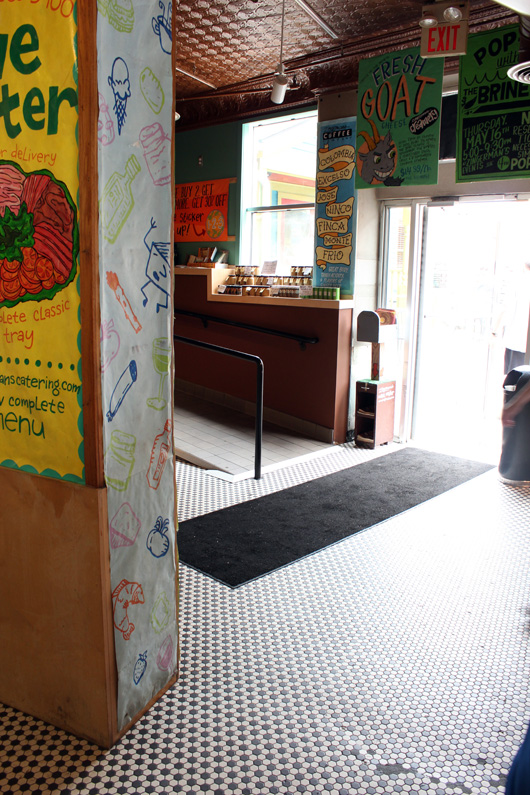
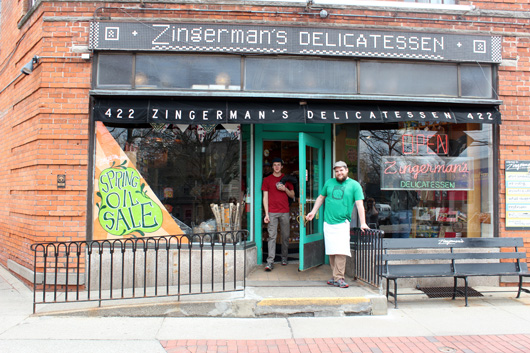
The front door that faces Detroit St. is still the main entrance and will lead you to great tasting cheese, meats, breads, and specialty foods as well as the path to the new sandwich ordering area.
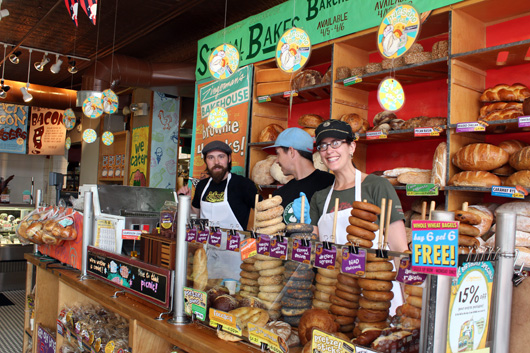
The ‘Bread Box’ is still where you’ve always found it, just inside the front door, where the bread boxers are ready to get you a loaf or two of artisanal breads made at the Zingerman’s Bakehouse. They will more than likely share a sample or two of their favorite treats!
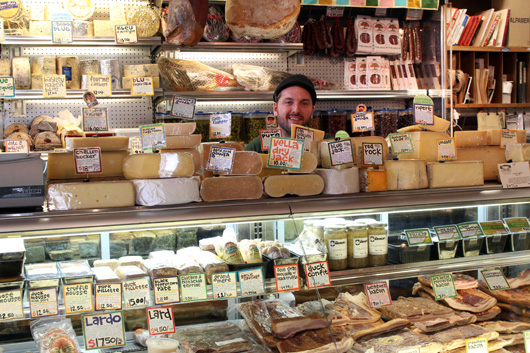
We’re excited to have more space for cheese, meats, fish & olives! Taste your way through our selection of full-flavored and traditional meats & cheeses next time you’re in.
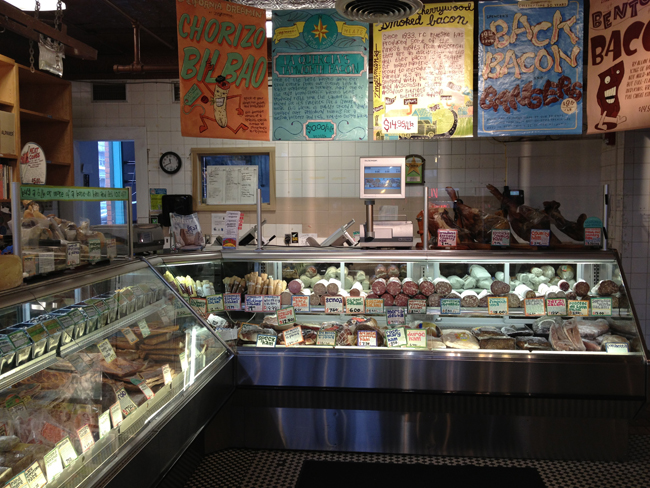
Meat lovers can rejoice, there’s much more space for meat! You’ll notice that sliced meats from your favorite sandwiches are now on display. And, as always so are the beautiful bone-in prosciuttos, ready to be hand-sliced.
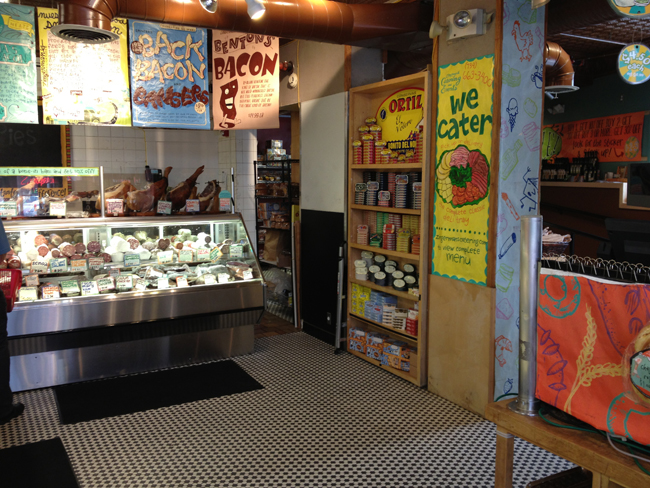
Wondering where to order? The Deli menu boards have moved into the Atrium, that is the connection between the original Deli and the new addition.
Turn right, toward the “We Cater” sign, then go around the pillar to your left…
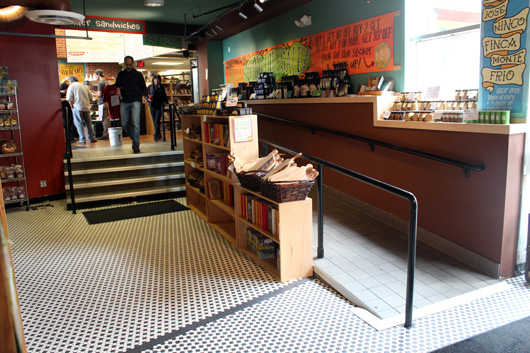
…and straight up the stairs into the Atrium.
Be sure to check out the new location for pastas, spices, sauces & veggies on your way to order!
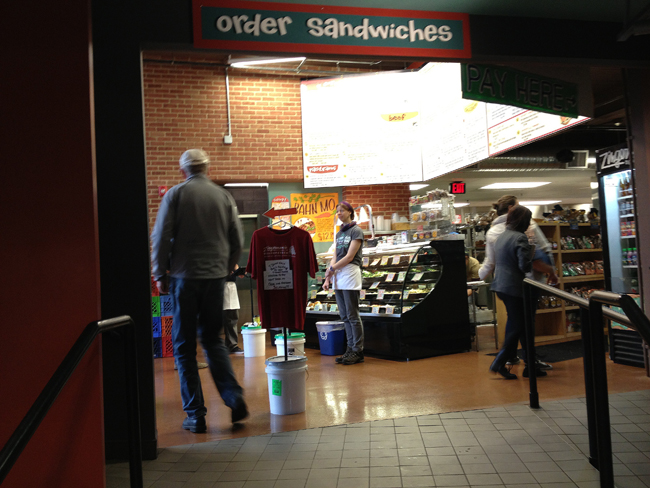
Look for the ‘order sandwiches’ sign…
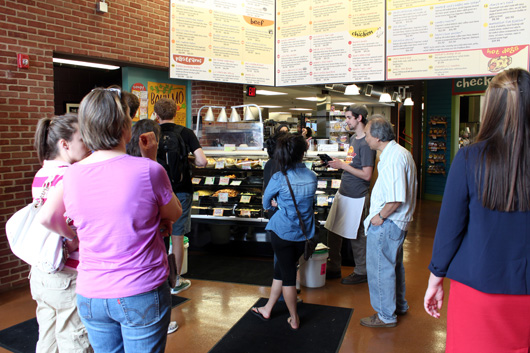
…where you’ll see the sandwich menu boards, our brand-new salad case, and a friendly staffer to take your order!Our brand new salad case has more room to fill with exciting and delicious side salads made daily in our Deli kitchen.
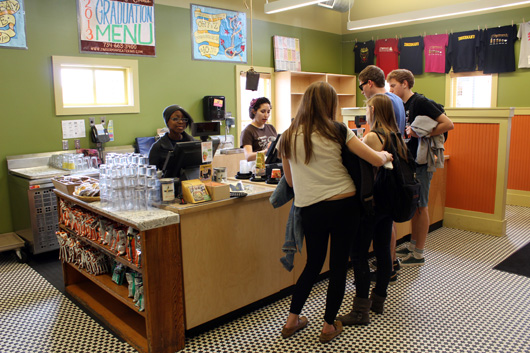
Head under the menu boards to enter the blue house (also fondly called the ‘420 building’), which is where you pay.
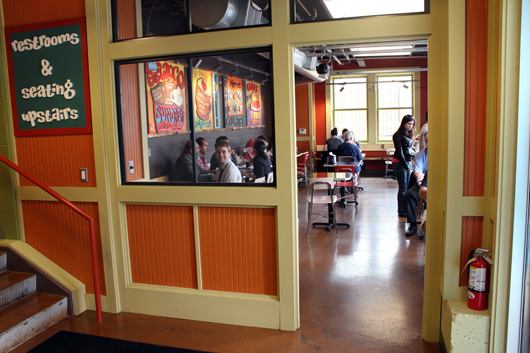
After you’ve checked out, you can choose to sit in our new porch complete with cool garage doors that’ll be open when the weather permits it…
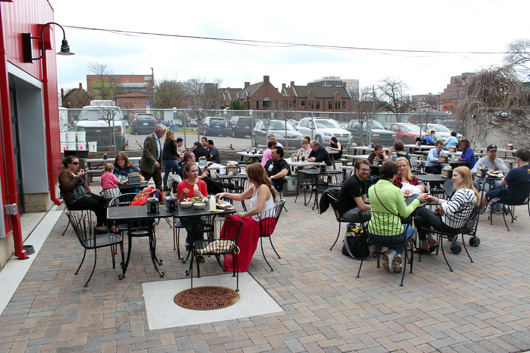
…outside on our new patio…
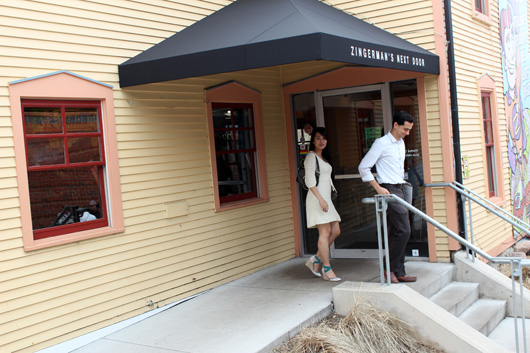
…or at our Next Door coffeehouse, which still has seating both downstairs and upstairs!
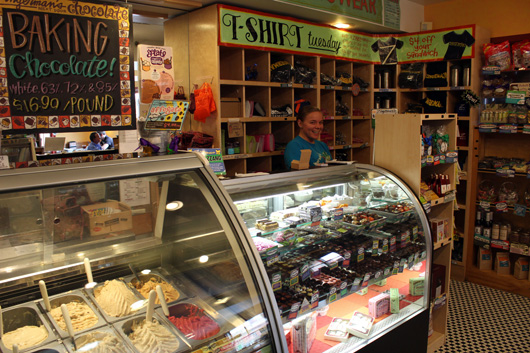
In the Next Door Coffeehouse, you’ll find tasty pastries, cakes, muffins, & pies made by Zingerman’s Bakehouse. There’s also an intriguing selection of chocolates, gelato made by Zingerman’s Creamery (don’t miss out on gelato sundaes and malts!), & Zingerman’s t-shirts to take home. And, of course, there’s an exceptional selection of espresso drinks, coffee, tea & hot chocolates!
Hope to see you soon!
Month: May 2013
Cornman Farms is getting ready for the upcoming growing season and there’s a lot going on.
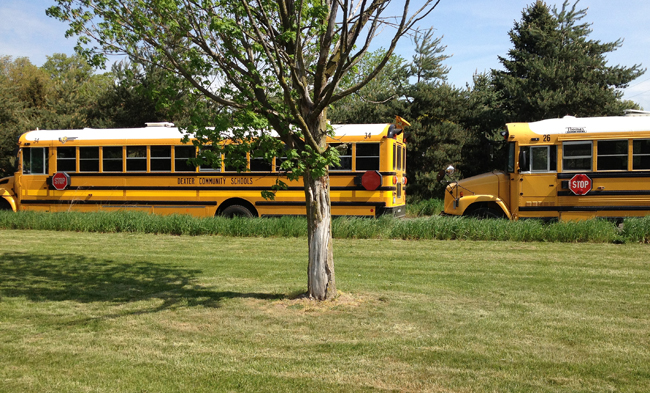
Yesterday, we were very pleased to welcome students from Dexter Community Schools. The students were given a tour of the farm to learn more various aspects of farm life. At various stations, Cornman staff talked to students about the feed and care of animals, growing and nurturing plants and crops, and how bees can help a farm be healthy.
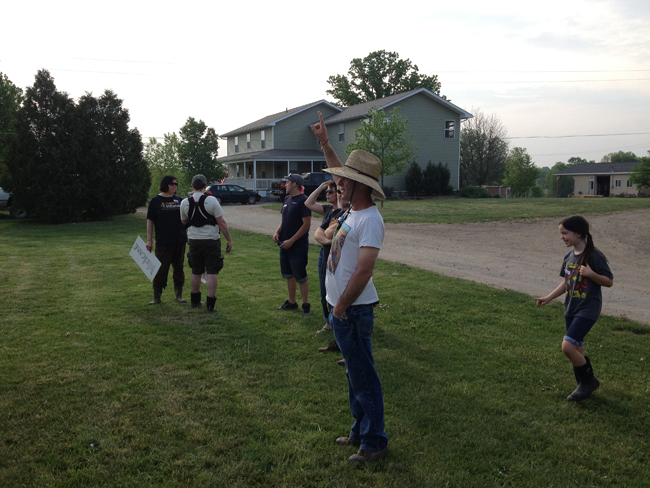
Chef Alex of the Zingerman’s Roadhouse welcomes everyone and talks about all the things students will see as they tour the farm.
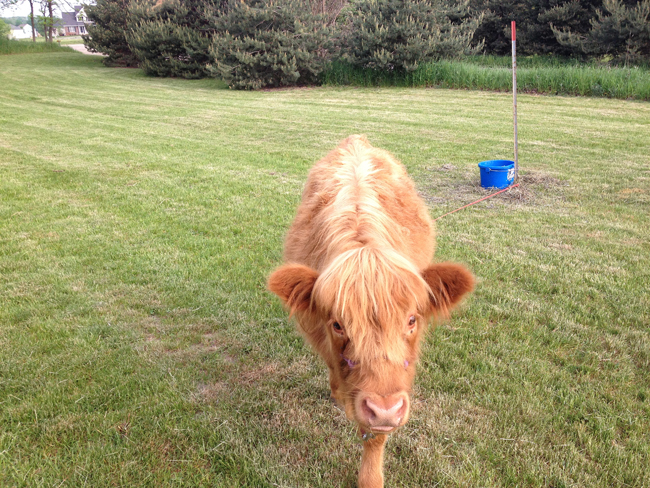
Another Cornman Farms resident extends the hoof of welcome.
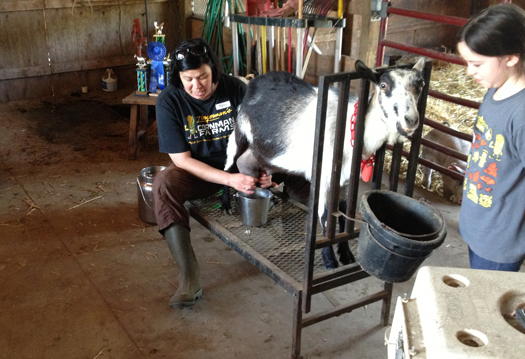
At this station, Kelly gives a milking demonstration on Mrs. Tiller, an Alpine goat raised on the farm. Mrs. Tiller was patient, occasionally commenting “baaaaa!” Kelly also talked about some of the other animals in the barn, including goats, sheep, pigs, and chickens.
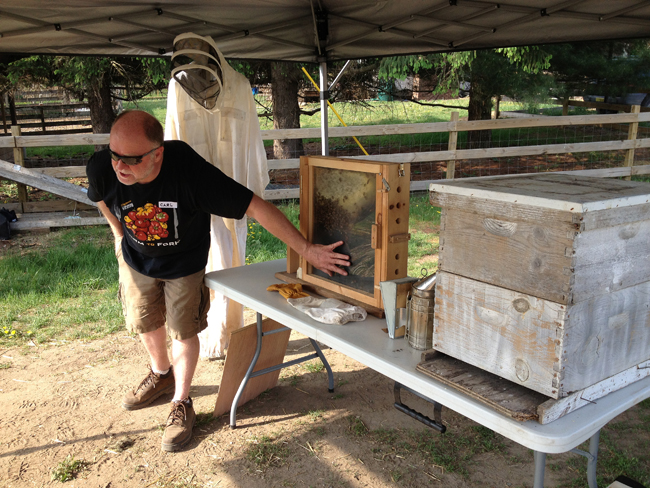
At our next station, Carl talked about the bees kept on the farm. He talked about how a bee colony is organized and what tasks each type of bee will perform. He opened an empty hive to show us how it’s constructed to make harvesting fresh honey easy for the beekeepers, while not disturbing the colony too much. Carl demonstrated how a smoker is used to calm the bees, and why he sometimes uses his protective bee suit. Finally, he showed students the glass-enclosed hive so all could see what bees look like inside their hive. Bees are very good for a farm, helping the pollination process and providing fresh, delicious honey.
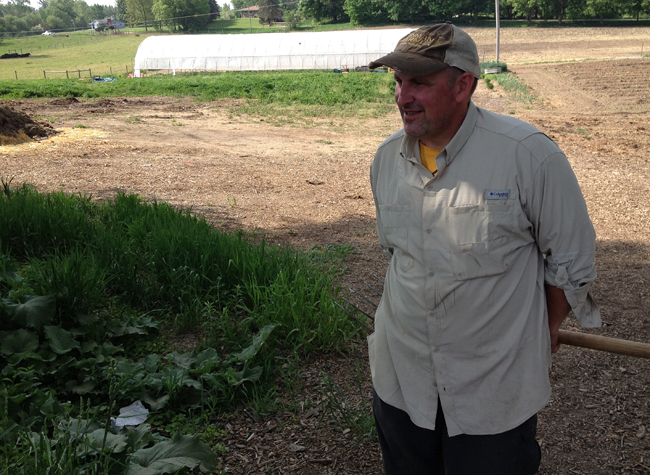
Next up, Mark talked about the farm’s planting fields, and the very important role that compost plays in enriching the soil at Cornman. Compostable materials are collected from Zingerman’s businesses and worked into the compost pile at the farm.
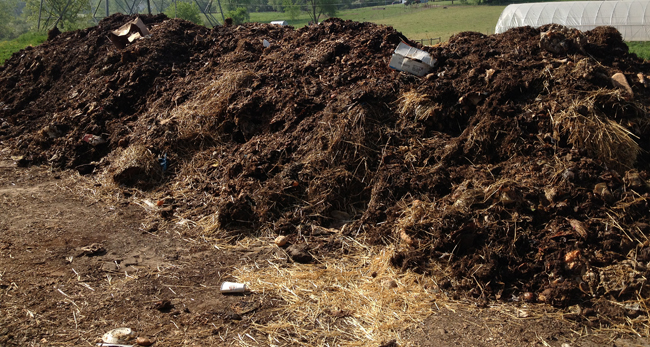
It’s big and ripe with the smell of decomposing vegetable food waste, field waste from the farm, and compostable paper and packaging products. Basically, anything and everything that can be composted is thrown into the pile. The compost breaks it all down into a vitamin-rich mixture that feeds the crops at the farm, helping them grow strong and healthy. The process generally takes about a year, but the resulting compost helps keep the soil at Cornman continually fertile and suitable for planting.
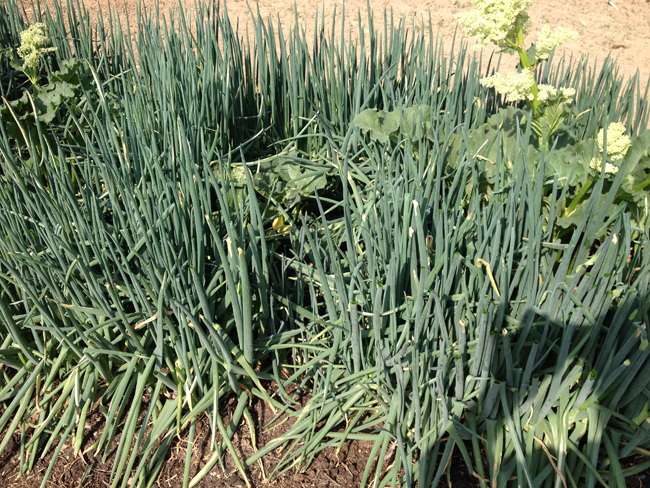
Next, Mark showed us the compost in action. This patch of green onions was grown in soil enriched with compost from the farm. Mark invited students to run their hands through the soil and smell it. Mark pointed out that, after a year, the compost just smelled like good soil. All the stinky things in the compost had done their job and these happy onions were the result.
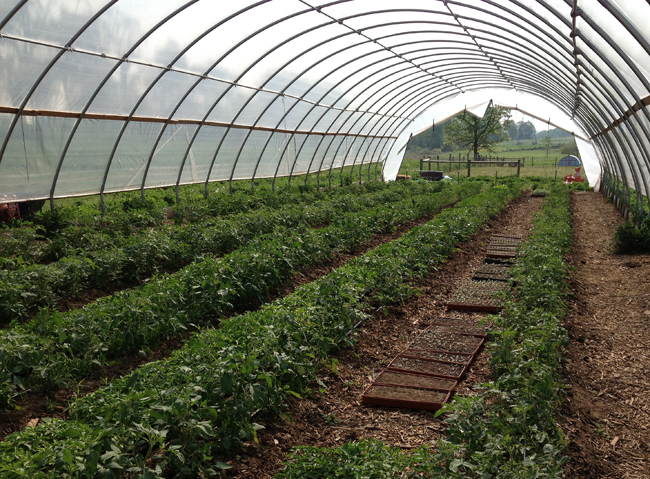
Here’s the field hothouse where young tomato and pepper plants are nurtured in a warm environment to help them get a strong start before moving into the fields. Peppers and tomatoes originated in warmer climates than Michigan, so it’s important that they be kept warm enough when they’re still young. Mark asked the students what might be added to their soil to help them grow better? Compost!
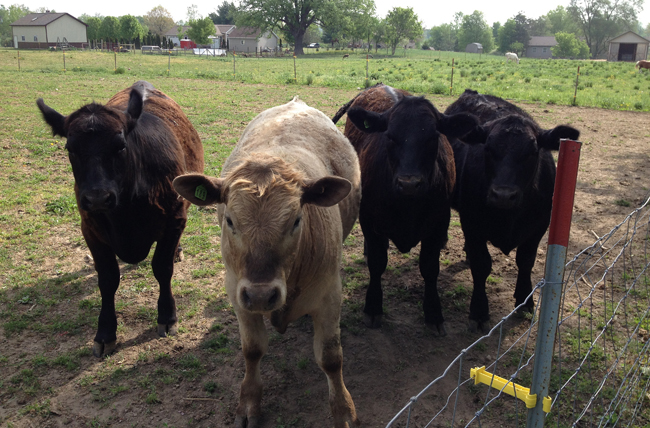
On the way to the next station, more Cornman residents took time out of their busy schedule to say hello!
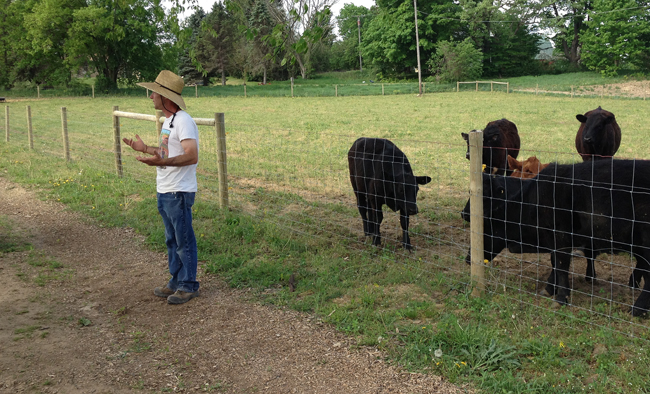
Here, Chef Alex talked about how the Cornman cows are cared for. Students learned that because cows main diet is grass, they require four stomachs to fully digest their food. As the cows graze, they chew the grass down until it’s very short. After a while, the cows have to be moved to another meadow for fresh food, but also to allow their previous field time for the grass to replenish itself. In drier seasons, the grass doesn’t grow quickly enough and the cows’ diet must be supplemented with grain so they get enough to eat.
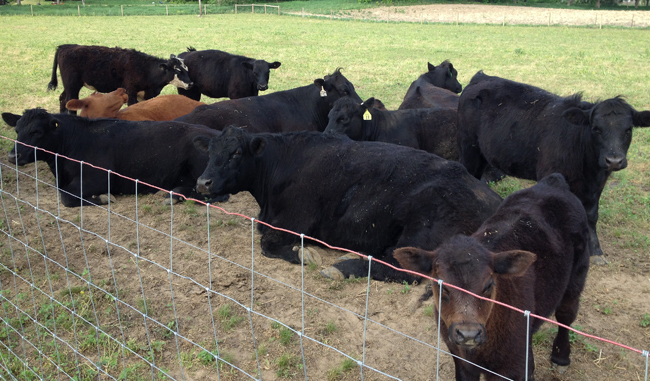
After their lunch, the cows relax in the shade.
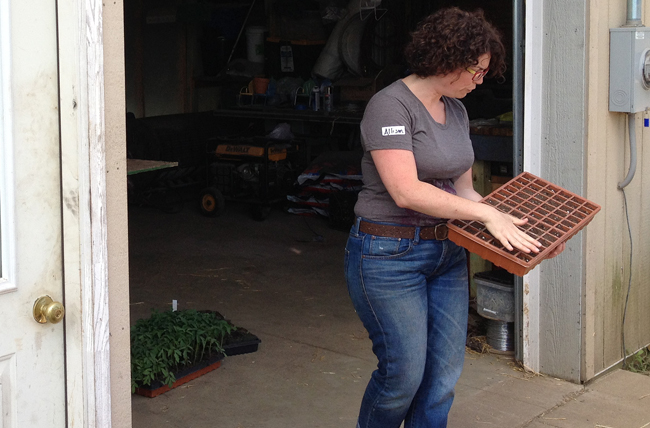
At the next station, Allison talks about how Cornman Farms plans what crops to grow in the coming year. The farm draws maps showing various crops, how much land they’ll need, and where they’ll be located on the farm. The farm uses this map to plan how many seeds they’ll need to order for the coming year. Each spring, they germinate their seeds into seedlings for planting. Here, Alison shows us a seedling tray used to start the plants.
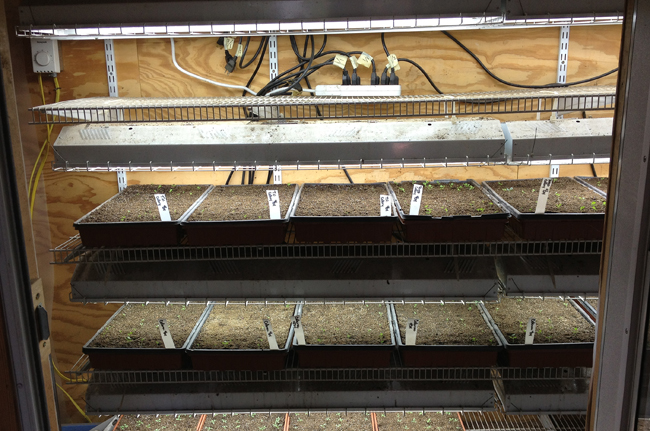
After the seeds are planted in the trays, the trays go into the germination room where they receive lots of light and heat. The seeds need to be kept warm and the light stimulates the young shoots to travel up through the soil to the light source. The seedlings stay here for a few days after sprouting to gain strength.
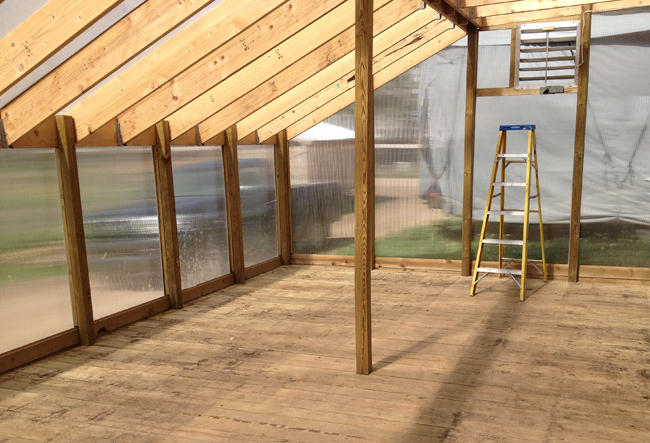
When they’re strong enough, the seedlings are moved into the greenhouse. The greenhouse has lots of windows to give the plants sufficient light. It’s kept very warm to help the fragile young plants grow big enough to move outside when the time comes. The greenhouse is empty now because it’s planting season and the young plants have been moved out to the fields.
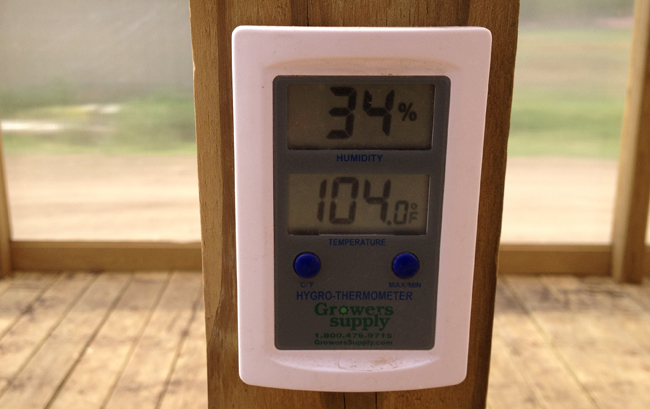
When we say the greenhouse is warm, we mean it!
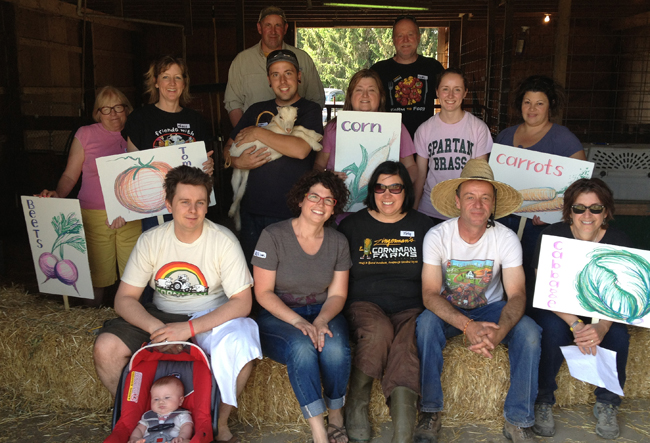
The Cornman Farms staff and volunteers would like to thank all of our young guests for coming our to visit us!
Month: May 2013
Week of 5/20/13
Here’s a quick list of some of the things happening at Zingerman’s Community of Businesses this coming week.
- If you wear your Zingerman’s t-shirt to the Deli on Tuesdays, you’ll get $4 off the price of your sandwich. Four bucks!

- It’s Pimento Cheese Tuesday at the Zingerman’s Creamery! Get $2 off the per pound price all day!
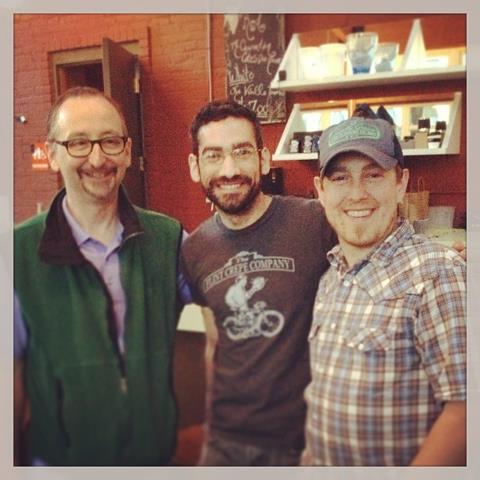
- Three baristas from the Zingerman’s Coffee Company took part in the Motown Throwdown this past weekend! Our guys took First and Second place! Stop by the Coffee Company and taste all three of the delicious signature drinks!
- Get over the hump! Wednesdays are special at the Zingerman’s Creamery. If you buy any two Zingerman’s Gelato, you’ll get a third FREE! Who can argue with free?
- Get $2 off Margaritas at the Zingerman’s Roadhouse every Wednesday!
- Far away from dad this Father’s Day? Not a problem. Check out the online Gift Catalog at Zingerman’s Mail Order. Many items ship free or for a flat rate of $9.99!
- Keep that tie and send dad a Zingerman’s Sandwich Kit!
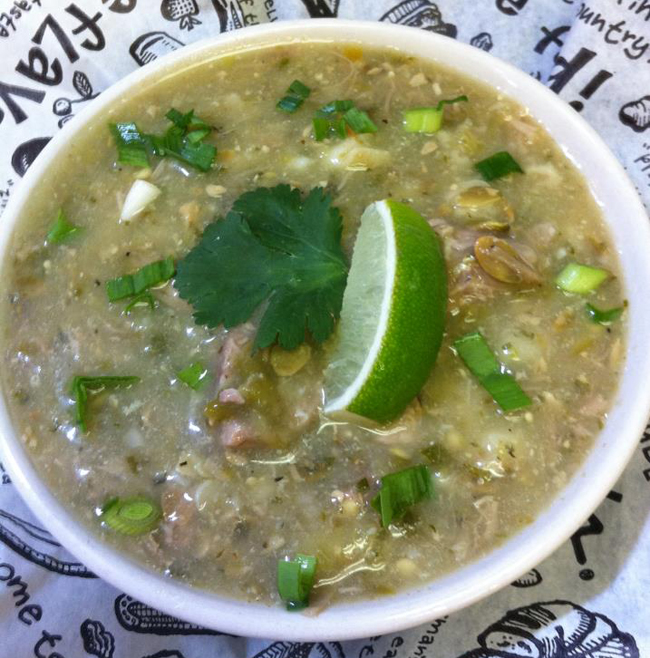
- The Zingerman’s Deli has delicious Pozole Verde, made with La Quercia acorn pork, and blue pozole (corn). Available all month long!
- Every Thursday, the Zingerman’s Roadhouse creates a delicious new menu! Stop by for more details! And it’s $2 off Bourbon pours! How many more reasons do you need?
- Fridays and Saturdays at the Zingerman’s Bakehouse mean Special Bakes, limited-edition loaves available for just a weekend. This weekend it’s Loomis Bread: tangy farm bread with chunks of Zingerman’s Creamery Cheshire cheese and roasted red peppers from Cornman Farms. Named after our neighbor and Creamery partner John Loomis. Stop by for a taste!
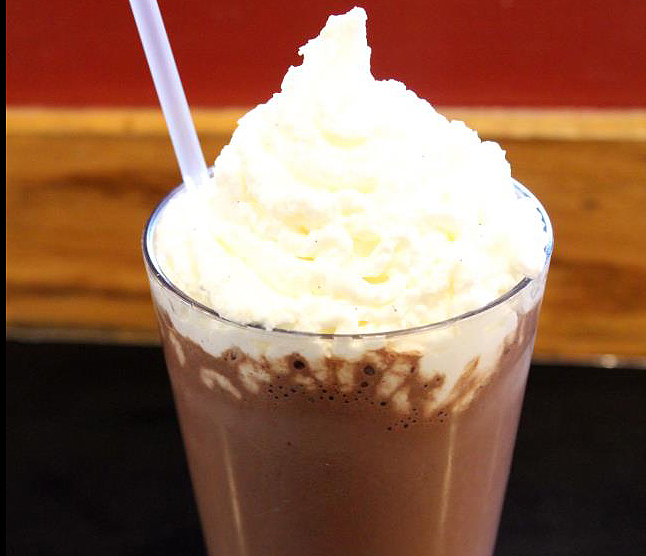
- You made it to Saturday, why not treat yourself to an old-fashioned Malt? Zingerman’s Next Door is now making Marvelous Malts! Using natural Calder Dairy milk, Zingerman’s Creamery gelato and malt. Available in Chocolate or Vanilla. A delicious blast from the past!
- Did you know that the Zingerman’s Bakehouse serves delicious Hungarian lángos for lunch on Saturdays? Lángos is a savory fried bread and popular Hungarian street food. Ours is brushed with garlic and sour cream, sprinkled with fresh dill, topped with Hickory-Smoked Ham, Marieke one-year Gouda cheese, and a dusting of paprika! Heavenly!
- Some (but not all) of our businesses will be open on Memorial Day, Monday May 27. Here’s a list of holiday hours for the Zingerman’s Community of Businesses.

Month: May 2013
Memorial Day is Monday, May 27th.
Most of our businesses will be open, but they may have limited hours on the holiday.
Check the list below for hours of operation:
Zingerman’s Deli:
7:00 a.m. – 4:00 p.m.
Zingerman’s Roadhouse:
CLOSED
ZingTrain:
9:00 a.m. – 5:00 p.m.
Zingerman’s Creamery:
9:00 a.m. – 7:00 p.m.
Zingerman’s Coffee Company:
7:00 a.m. – 4:00 p.m.
Zingerman’s Bakehouse:
7:00 a.m. – 7:00 p.m.
Normal business hours resume Tuesday, May 28th.
The Zingerman’s Community of Businesses wishes you a relaxing and happy Memorial Day!