
Tag: ZINGERMAN’S BAKEHOUSE
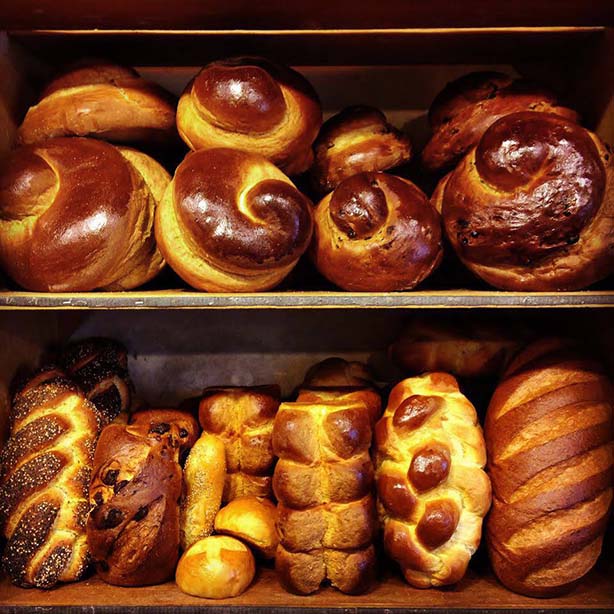
Rosh Hashanah begins tonight! Let us help you celebrate the new year. Here are some delicious offerings around the ZCoB.
Zingerman’s Deli
We’ve got a full Rosh Hashanah menu, available for pick up starting today at noon. From an assortment of Zingerman’s Bakehouse challah to beef brisket to baked knishes, the Deli’s got a variety of great dishes and desserts to help you sweeten up the new year!
And don’t forget out annual Honey Sale. To make things extra sweet this year, the Deli’s entire honey selection is 20% off until September 24th.
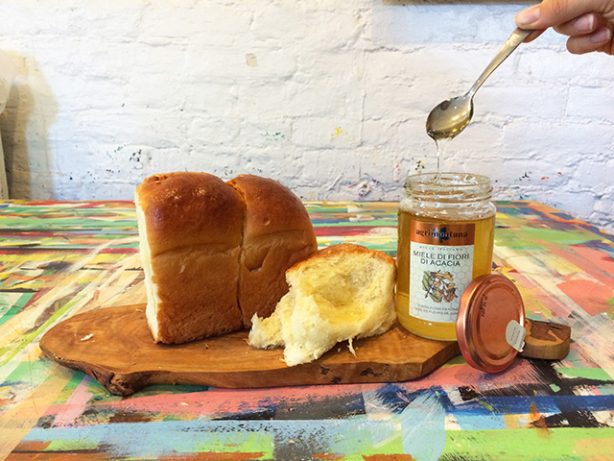
Zingerman’s Bakehouse
It’s not a celebration without treats from the Bakehouse, and we’ve got some great special items for the holiday. Available September 15th thru 30th.:
Challah Turbans—Our fresh egg and clover honey bread in the traditional round shape for the new year. Available with or without dark rum-soaked raisins.
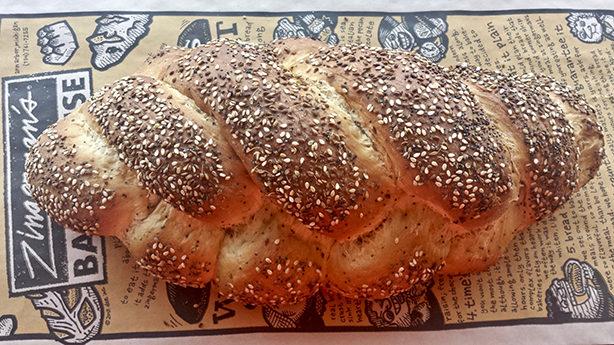
More Rockin’ Challah—Traditional Moroccan challah, a beautiful 5-strand braid brushed with honey and topped with poppy, sesame, and anise seeds.
Honeycake—A dense spice cake made with buckwheat honey, brewed tea, almonds and golden raisins.
Babka—A traditional Jewish loaf of sweet bread, its name means “little grandmother” in Yiddish. It all started when nuts and seeds were twisted up with scraps of challah dough on Shabbat, then it evolved into the modern day chocolate version when Jews arrived in New York. We start with a rich buttery brioche dough, paint it with dark chocolate, sprinkle it with chocolate crumble and orange-syrup-soaked raisins. Available daily in September.
Zingerman’s Candy
We’ve got lots of special confections just in time for the holiday!
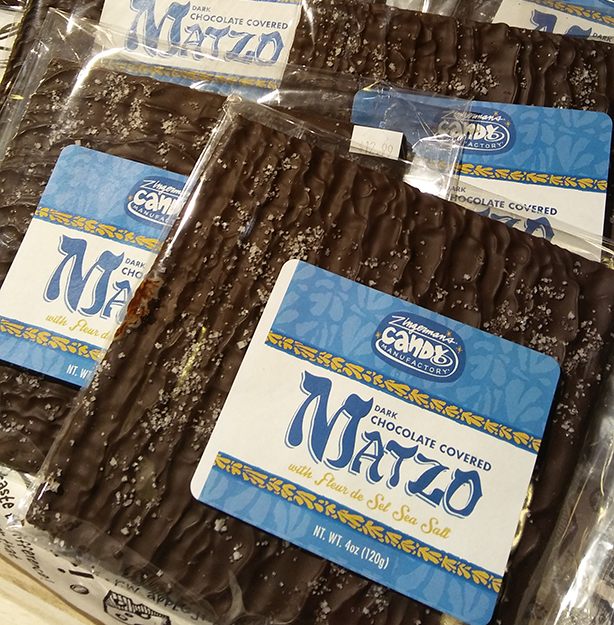
Dark Chocolate Covered Matzo—We drench our matzoh in dark chocolate and then we sprinkle it with sea salt.
Dark Chocolate Sesame Halvah—Our Sesame Halvah has big, delicious sesame flavor. This special version is dipped in dark chocolate, making it extra good!
Rosh Hashanah Superzzang—Our original Zzang bar, but so much bigger and with special Rosh Hashanah packaging. It makes a great host gift!
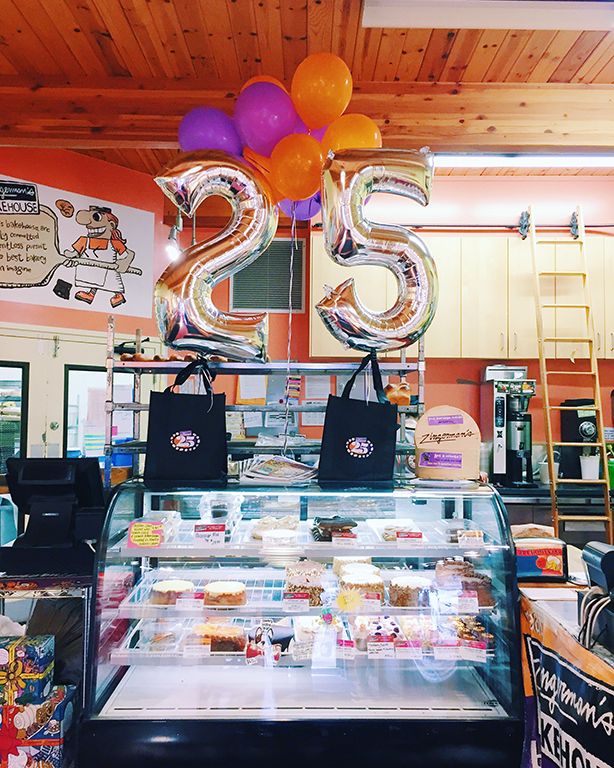
Yesterday, we celebrated Zingerman’s Bakehouse’s 25 years in business! It was a really fun day at the Bakeshop. We gave away free food and had the best time with our guests. Here’s a few photos of the festivities:
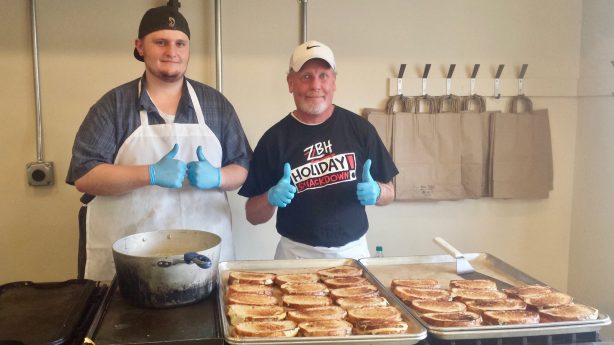
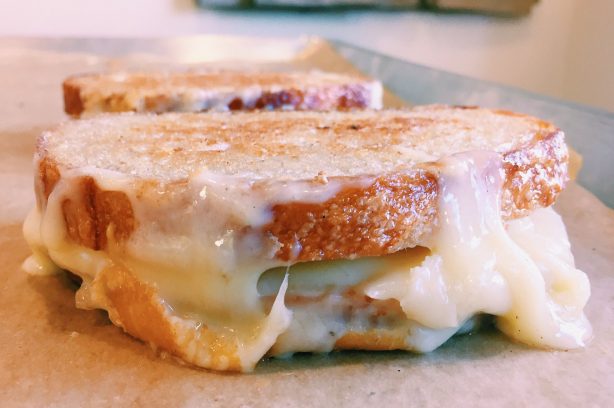
Wednesdays are grilled cheese days, so we decided to just give ’em away for free for our birthday!
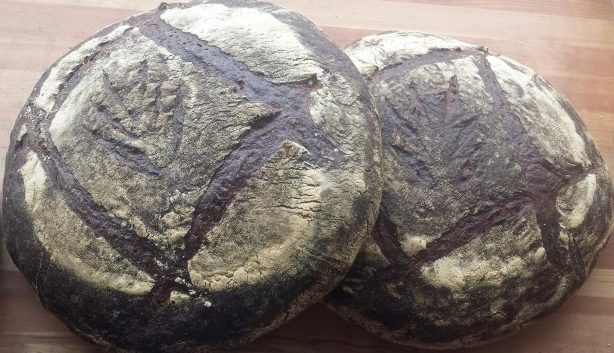
We gave out so many sample of delicious Country Miche bread, our newest product!
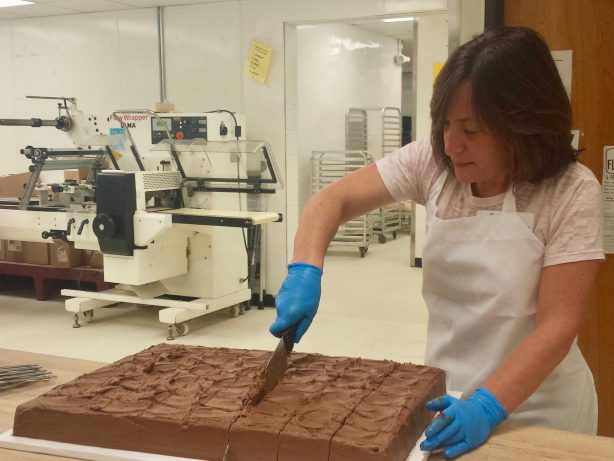
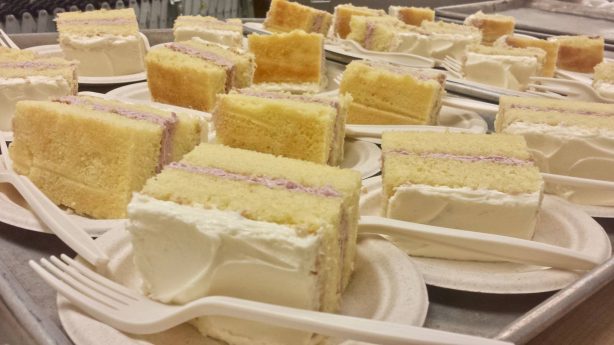
What’s a birthday without cake? We gave out 600 pieces yesterday!
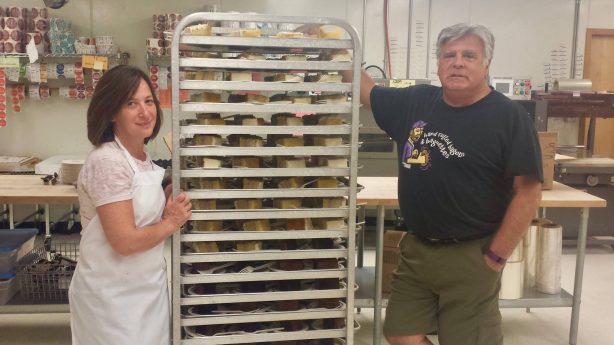
A quick quiet moment with Frank and Amy, the co-owners of Zingerman’s Bakehouse.
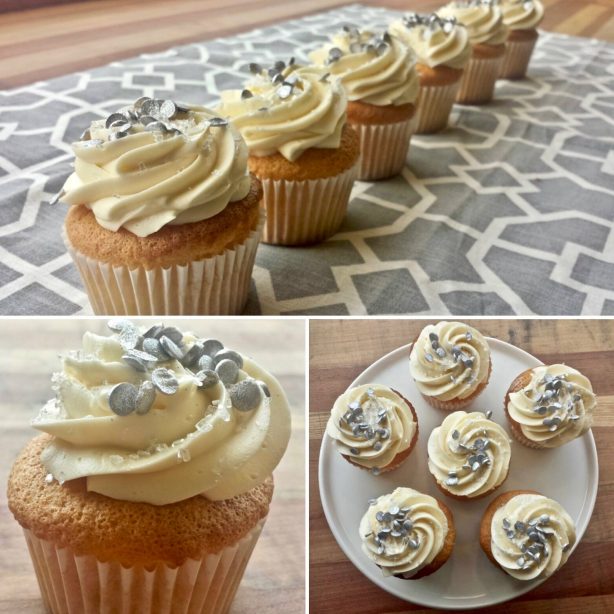
Of course, we had plenty of our Champagne and Strawberry Stuffed Anniversary Cupcakes on hand! We’ll have them all month.
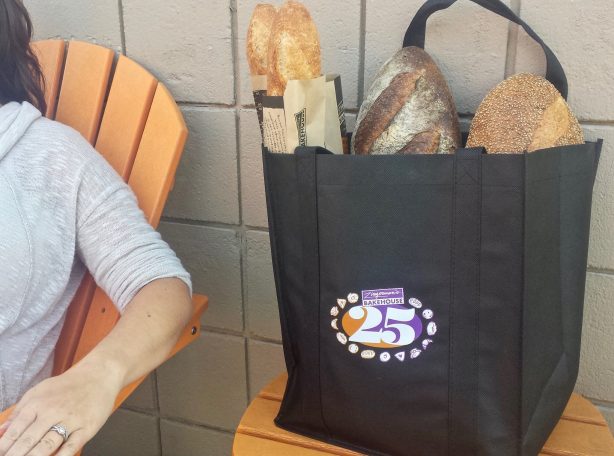
Our last 25 customers of the day were gifted a 25th Anniversary tote.
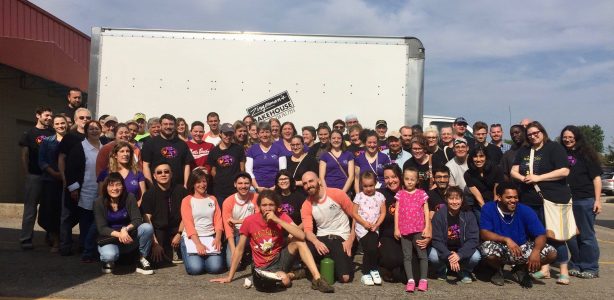
Lots of love to our Bakehouse staff and YOU for making the day so great. Here’s to 25 more years of baking people happy!
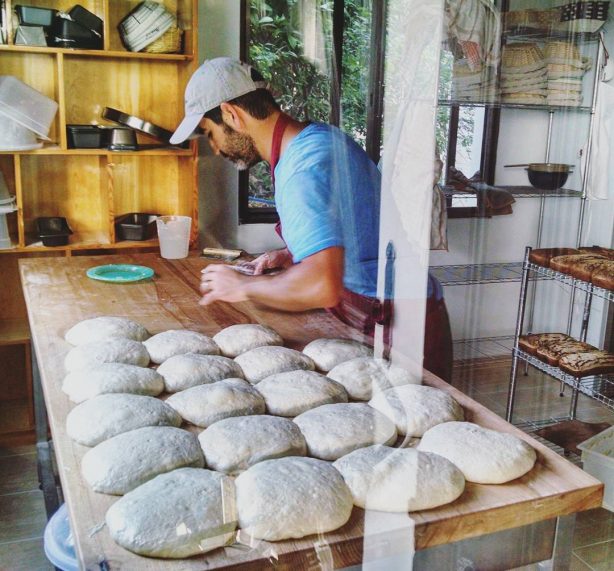
(republished from March 24, 2017)
“We at Zingerman’s Bakehouse are passionately committed to the relentless pursuit of being the best bakery we can imagine.”
The mission of the Bakehouse has always been twofold. Of course, we are committed to making the best-tasting breads (and pastries and cakes), but we are also committed to challenging ourselves and our recipes, limiting ourselves only to our imagination.
How do we do that? We taste and evaluate. We try new methods of baking, different ingredients. We are constantly moving. Because it’s hard to get better if you’re sitting still.
With that in mind, let us introduce you to one of the newer members of Bakehouse team- Hazim Tugun. His passion for bread baking and his long history with the craft is what led him to the Bakehouse. And here, he is putting those passions to work, helping us fine-tune recipes and try new methods of baking and continue living our commitment to excellence.
Laying the foundation
Now a passionate bread baker, this was not Hazim’s original career path. When he was about 17 years old, Hazim moved to the United States from Cyprus (an island in the Mediterranean) to study civil engineering. He studied engineering in Austin, Texas and, after graduating, moved to the San Francisco Bay Area to work as a consultant.
While living there, he described himself growing antsy. “While I was working in the Bay Area, I started feeling antsy. My training was as a civil and environmental engineer. But that was not what I wanted to do in the long run.”
Cooking quickly became a passion of his outside of working. He found himself looking for more avenues to learn and practice. As luck would have it, one of his good friends took him to a Sicilian restaurant in Oakland called Dopo. That friend knew the chef and introduced them. Hazim remembers this time as his official entry into the professional world of cooking and baking. From that one introduction, he began working at the restaurant on Saturdays, helping with prep and just learning about the processes.
“I did this for two, maybe three years. And I learned a lot, it was fascinating. During that time, I took a course from Peter Reinhart. He wrote the book ‘The Bread Baker’s Apprentice.’ It was a couple of hours and I learned a lot more about baking.”
After taking that course, Hazim began practicing his baking more at home. Up until that time, he was much more comfortable with cooking. But his experience at Dopo, as well as Peter Reinhart’s class led him to pursue home baking further.
Then, after a couple of years in the Bay Area, Hazim moved back to Cyprus. He was there for about two years, still doing consulting engineering work. This was a perfect opportunity for him to continue learning about baking.
He describes one of the biggest differences between the US and Cyprus. “In Cyprus, time is slow. People take their time, have more time. It’s not like here in the US where everyone is busy and moving fast. In Cyprus, you can enjoy your time.”
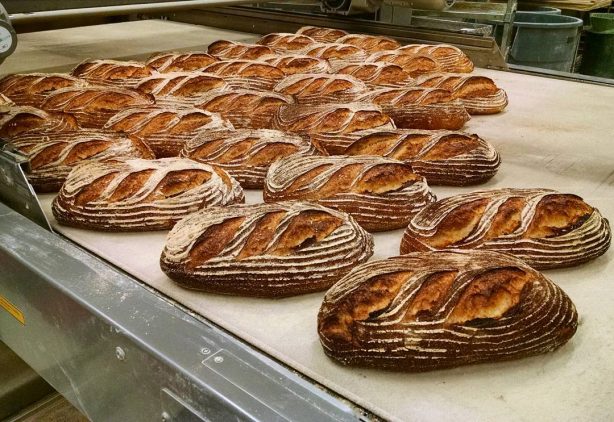
With that extra time to enjoy, Hazim practiced baking. “I started to try to bake bread, baking just for my family. We had a traditional mud oven in the backyard, so I used that to bake.”
The Zingerman’s experience
It wasn’t until he moved to Michigan with his wife in 2011 that he first heard about Zingerman’s. And, truthfully, it was a bit of a shock moving from a place like the Bay Area to where they were living in Novi, Michigan.
“Coming from the Bay Area, I was disappointed with the food culture in Novi. It was pretty depressing for me. When I worked in San Francisco, lunch in the office would be fresh Banh Mi sandwiches or other great food. Working in Novi, lunch was usually a sub-par sandwich from a chain. It was pretty depressing for me. I was thinking, where is the good food?”
So, when he and his wife were looking for Cowgirl Creamery cheese, a friend of theirs recommended they check out Zingerman’s. Luckily, Ann Arbor isn’t too far of a commute from Novi. He remembers thinking, “this is it, this is where the food is,” while sitting at a table in the Coffee Company, and exploring the other Zingerman’s South Side businesses. Even though he was still working as an engineer, bread was still on Hazim’s mind. He remembers, “In early 2012, I was really getting antsy about bread again. I knew I really wanted to bake and I knew I needed to get more experience.”
Enter… Zingerman’s Bakehouse
Finding great food at Zingerman’s while living in Michigan led him to seek out his continued education and experience with us here at the bakery. He explains, “I came to the Bakehouse and asked if I could talk to a manager. I was looking for something like I had in California, where I worked on the weekends, learning about baking and cooking.”
And that is exactly what he did. Hazim started coming in on Saturdays, learning about baking bread. He did this for a few months before eventually quitting his engineering job and moving back to Cyprus with his family.
Dreaming of naturally leavened breads
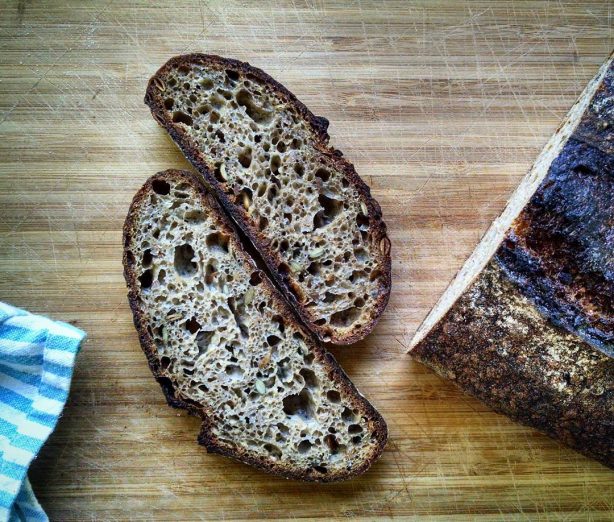
In Cyprus, his dream was to open up a bakery. “What I wanted to do is naturally leavened breads. Nothing else. And to just do a few breads, very high quality breads. When we moved back in 2014, I converted one of our rooms into a bakery and started selling breads.”
Baking on a small scale and focusing on just a few, high quality breads, gave Hazim the opportunity to focus all of his time and energy on perfecting the craft. He remembers that it took him a while to fine tune his process. “I was able to be very intimate with it. To see what kind of changes affect the process. I had the privilege to do that on my own, and I learned by doing it over and over and over again.”
After baking for his village in Cyprus for about a year and a half, he moved back to the US. But a change of location did not get in the way of his dream. “I knew I wanted to continue this. Either I was going to do my own thing or I was going to team up with a great team of bakers.”
Pursuing this dream was not always easy, especially starting out. As you can imagine, introducing a new style of baking bread, ones made with a natural leavening process over multiple days, is not always the easiest.
Hazim described how he introduced his breads to Cyprus, “The breads I was making were very different from what was offered on the market. Mine were very moist breads with a dark crust and had a lot of flavor. I tried to explain my philosophy behind baking to people, and it wasn’t that easy. Fortunately though, the breads did speak for themselves, and I had a good following. I was essentially testing the waters, and I did well.”
That time was one of growth and learning for Hazim. “I think I did a lot of growing, being able to bake solo, questioning, learning about and tinkering with every step of the baking process, using flours and grains that did not come with consistency, quality or specifications that one could find here in the US or Europe. I was also able to make friends and reach out to mentors throughout the world”
His time of growth, learning and, even, experimenting with various baking methods left him with a strong customer base in Cyprus. He remembers how many of his ‘regulars’ were sad to see him go. “I baked till my last day for friends and family. What really made me happy though is that I think I touched a lot of people in the sense that they learned what bread could be. I am proud to say I have a couple of friends who now bake sourdough breads in their homes.”
While leaving his hometown (and loyal customers) behind was definitely bittersweet, moving back to the US has been a huge benefit to us and, to his growth as a bread baker.
Back to Ann Arbor
Now, we are back to present day. After moving back to Michigan, Hazim began reaching out to Frank. “I had a vision and I shared that with Frank. I used Ari’s book (A Lapsed Anarchist’s Approach To Building A Great Business by Zingerman’s co-founder Ari Weinzweig) to help me write my vision, too. I was like, I want to do this.”
His vision of using freshly milled flours to craft high-quality naturally leavened breads (among other things) seemed a natural fit at the Bakehouse. After talking to Frank and Amy, they asked him to join the Bakehouse team to help the continual improvement of the quality of the breads we bake here.
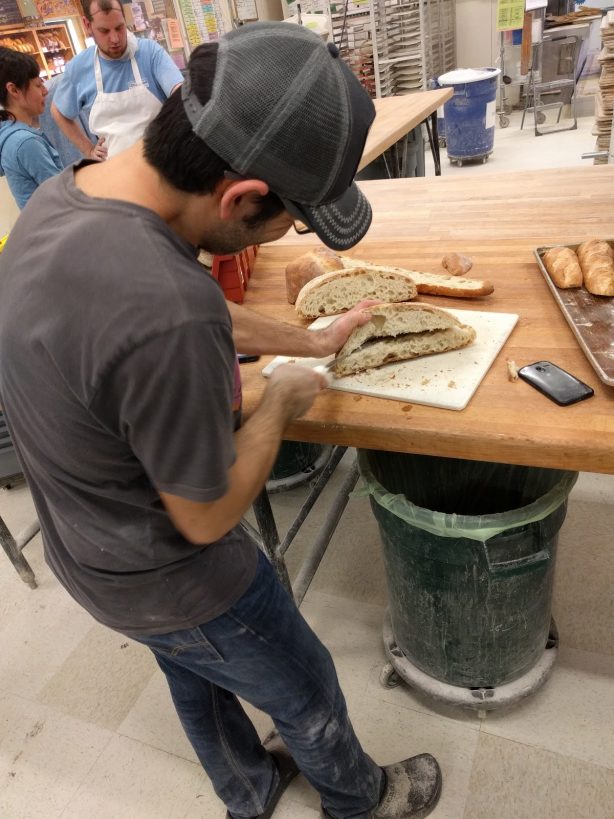
For Hazim, he views a big part of his job here as asking questions. “From day one, I immediately started asking questions: why is the dough like this, why are we rolling it like this, why are we shaping it like this? That is the perspective I look at it from. When we work together, I help contribute from the craftsmanship perspective. And I am looking forward to learning more.”
Hazim & the Bakehouse
Having Hazim in our bread bakery has given us another way to continue on in our passionate pursuit of baking great bread.
One of the ways he does this is by participating in our daily bread tastings. These tastings are something we do in both the bread bakery and pastry kitchen to taste the different things we are making. It helps keep us in tip top shape, ensuring our end product is something beautiful and very flavorful. During these tastings, Hazim has brought his unique perspective to the table.
“The tastings have been a lot of fun and a great learning experience. First of all, I am learning more and more about Zingerman’s breads during these tastings- their nuances and what they are supposed to taste like. With that in mind, I am trying to bring my own passion and experience about bread into this role, looking at each bread through my own eyes, as well as a potential guest’s eyes.”
The things he considers? How does it feel to bite into this bread? Is the crust too chewy or perfectly crisp? Is the crust dark enough to contribute to the overall flavor of the bread with its wonderful caramelization/Maillard reaction aromas? Is the crumb tender or tough? It is open enough? Does the flavor have the depth or acidity we are looking for? How is the shape and size?
These are just some of the questions he thinks about during the tastings.
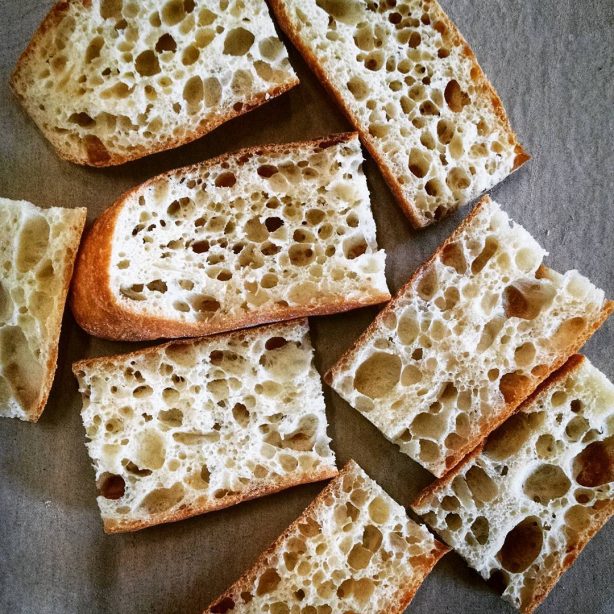
“During each tasting, I am trying to think about and answer these questions. I try to picture the recipe and the process that went into making the bread. To me, that is probably one of the most fun aspects of doing the tastings, but also one of the most challenging, mainly because each bread we make here is an amazing example of teamwork. So many hands touch the dough to make that one bread. There is already a great level of communication happening between everyone.”
These tastings, of course, help facilitate that conversation, as well as the overall development of recipes and methods of baking.
Additionally, he is working on a few, special new recipes. One of those is a rice baguette. The inspiration behind it was, actually, for the new Zingerman’s restaurant, Miss Kim. For a Korean restaurant serving really good, traditional Korean food, rice baguettes were the perfect fit.
“They were a recipe the Bakehouse had made for a short time long before I joined the team. I tweaked it a bit, increasing the amount of the amazing stone-ground whole-grain rice flour from Anson Mills, toasting some of the rice flour used in the recipe for added flavor, and adding a touch of levain for a bit of depth and acidity.”
Rice baguettes are not his only venture, though. Another bread he wants to focus on is the True North.
“I want to continue tweaking the True North to coax more flavor and even better texture out of that grain. It is a local grain, which makes it more likely to deviate from the predictable baking performance of the more industrialized flours and grains. More flavor, more fun and challenge to work with.”
Working here at the Bakehouse, learning the ins and the outs of bread baking is Hazim’s dream. The experience he is gaining here at the Bakehouse, as well as the knowledge he has accumulated over his years of baking bread are getting him closer and closer to perfecting his process of producing naturally leavened breads. And he is a true asset to the Zingerman’s bread bakery.
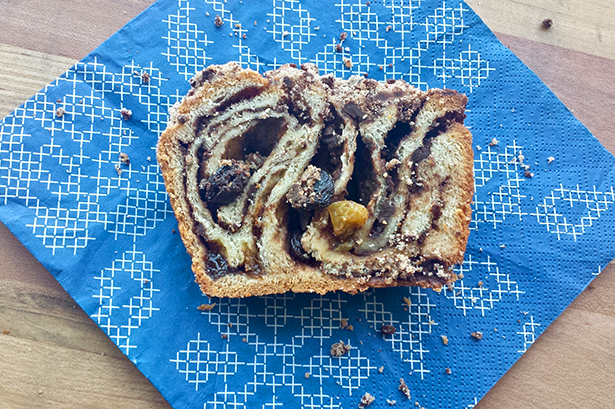
While we don’t tend to follow food trends here at Zingerman’s we will admit to caving into popular demand once in awhile. Our latest sweet capitulation? Babka. After halting production years ago, Zingerman’s Bakehouse—to the delight of customers from around the country who’ve been requesting it—is once again making babka!
“Amazingly, babka, a treat with a long history, is making a strong come back now.” says Amy Emberling, one of the managing partners at the Bakehouse. “People want it!”
If everything you know about babka comes from the famous Seinfeld episode, and you’ve never actually had a slice, the traditional Jewish treat is as Amy describes “an enriched sweet bread that’s usually filled with something and then rolled.” Here at the Bakehouse, we start with brioche dough covered in a dark chocolate spread and a hefty sprinkle of cinnamon and sugar, chocolate crumble, and raisins soaked in orange syrup. You can watch it being made in this behind-the-scenes video:
In his Encyclopedia of Jewish Food, Gil Marks traces the origins of babka back to Poland and Ukraine…and grandmas.
“Bakba takes its name from the endearment form of the Slavic babcia (grandmother), which is related to the Eastern Yiddish bubbe, thus literally meaning ‘grandma cake’,” wrote Marks, going on to explain that the name might be inspired by the fluted sides, resembling a woman’s skirt, that a traditional Polish pan creates. It could also be so named because grandmothers were usually the ones making the babka.
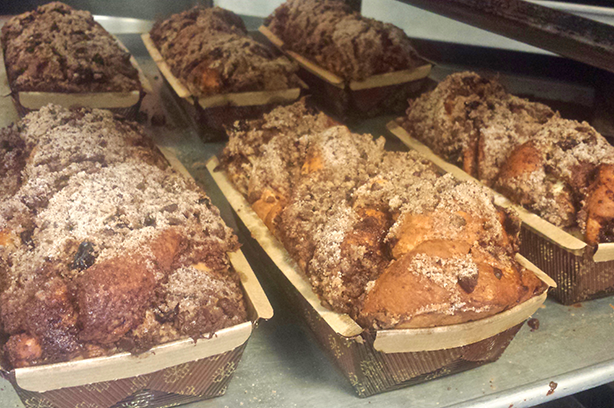
Ironically enough, Zingerman’s founder Ari Weinzweig tells us that babka of today, a Jewish-American invention and a decidedly much squatter affair, would be unrecognizable to his great grandparents as their version was “likely much larger, somewhere from the size of a modern day pannetone on up to some a few feet high.”
For some, babka is the ultimate comfort food. This goes especially for those who grew up eating it, but it has, thanks to food writers and yes probably that Seinfeld episode, become popular among those outside of Jewish-American communities. Ours will soon be made available throughout the U.S. via Zingermans.com.
“We had a lot of requests for it, and then there’s a lot of long-time customers that have never had it and are really excited about it,” says Carly, who works in the Bakeshop. Her co-worker Cathy reports that customers really seem to love the babkas, and they’ve been routinely selling out on weekends. “I had a customer this morning buy five, and he said he wouldn’t be able enter the door unless he had them.”
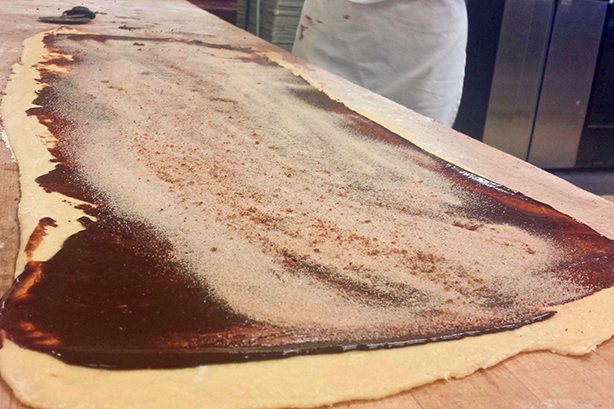
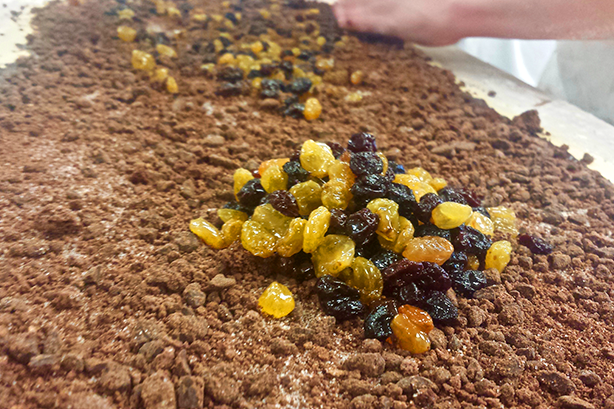
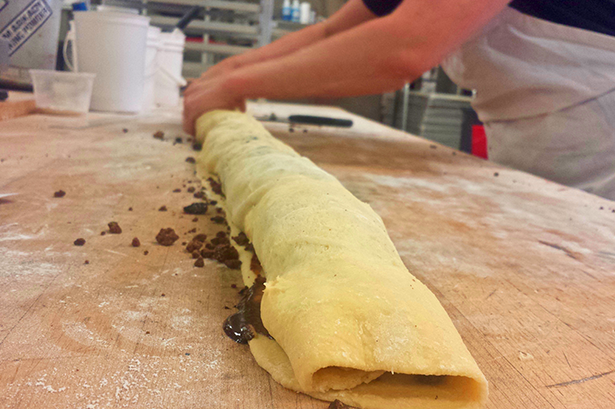
And what’s so great about our babka? Ours is richer than most that we’ve tasted (and we tasted a whole bunch before we started up production again) because we’re using butter and many babkas are made with shortening for kosher meals. We also use very flavorful, high-quality chocolate and cinnamon for a deeper flavor. “We like indulge, so our babka is bursting with filling,” says Amy. “No skimpy babka here!”
We love babka as a mid-morning treat—Amy suggests heating it up and enjoying it with a cup of coffee, but it’s also a stunner on any dessert table. Come get a taste at the Bakehouse!
This month, we’re baking it Friday through Sunday, and in September it will become available daily at the Bakehouse and the Delicatessen.
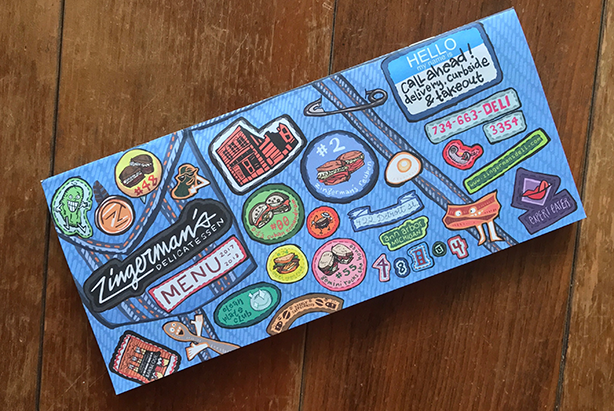
Our 2017 Deli menu is hot off the presses, and we wanted you to be the first to know! We update it every year to introduce new items, edit some existing items and, sometimes, say goodbye to items. Plus, we just like to freshen the look up to reflect what our artists are inspired by in the moment.
Here are 7 awesome things to look for on the new menu:
1. A great new look
The new look is the work of Deli retail staff member and artist Victoria Samra and our lead graphic designer Maddie Zavala. A denim jacket with patches featuring iconic Deli imagery appears on the cover, and much to the enjoyment of Deli Managing Partner Rodger Bowser, the Deli’s black and white tiles are weaved throughout the design.
Victoria says she was inspired by a “1980s Punk Rock and biker” aesthetic. “Patches and pins have become a fun way to express your identity and achievements. So I guess I was trying to translate the feeling of belonging and being ‘alt,’” explains Victoria.
Maddie was inspired by Victoria’s work in more ways that one. “I am in love with Victoria Samra’s brain. She comes up with the most rad and bizarre concepts and tucks them into her presentations as ‘wildcards,’” says Maddie. “The denim jacket and patches direction we went with for the menu also happens to be one of her wildcards. The artwork lent itself perfectly to patches, buttons, and other design elements that tied the whole piece together beautifully. Working on this menu actually inspired me to go out and buy a denim jacket with food pins and patches!”
2. A delicious new sandwich
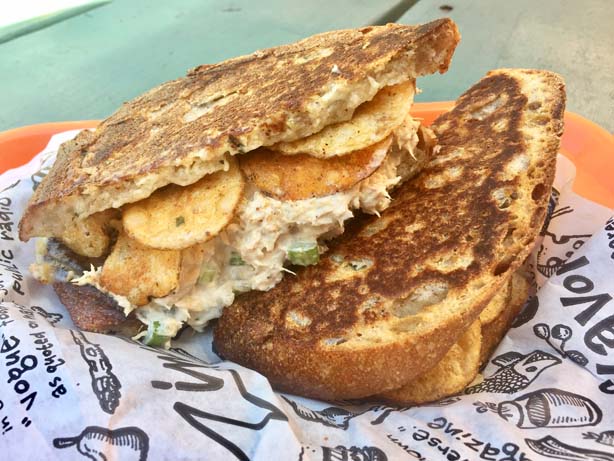
Our June Sandwich of the Month, Hangry Henry’s Fish and Chips, was a hit, and now it’s part of the permanent menu! For Rodger, all the sandwich stars aligned for the new creation. He’d been wanting a sandwich that included three things—Zingerman’s potato chips, our fantastic tuna salad (featuring pole and line caught American tuna. It’s really the best!), and Zingerman’s Bakehouse True North bread—and was a little shocked at how great it all worked out! Added bonus: it includes our house-made ranch dressing and Cabot cheddar cheese while the chips featured are our smokey barbecue flavor. It’s destined to satisfy even the hangriest among us.
3. More True North bread
If you ask Rodger about True North bread, be prepared to hear him gush! He thinks it’s absolutely the best new bread from Zingerman’s Bakehouse. Being such a big fan, he’s been looking for more ways to include it on the Deli menu, so he made a pretty big change, switching from whole wheat to this naturally leavened bread made from hard red spring wheat from Grand Traverse Culinary Flours in Traverse City.
You’ll find True North on these sandwiches:
#5 Rodger’s Big Picnic
#94 Amazing Grace’s Family Shroom
#61 T.L.B.B.L.T
#207 Hangry Henry’s Fish and Chips
He knows this is a big change, and change is hard! But we think that even the most dedicated devotees to cult-hit sandwiches like Rodger’s Big Picnic (there’s a lot of you out there), will agree that this particular change is good.
4. Gluten-free bread
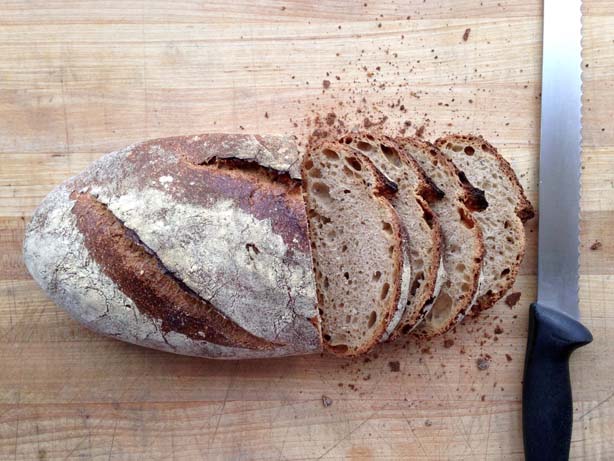
We heard your pleas, and we’re making dreams come true: you can now switch out the bread on any sandwich to gluten-free. This new option comes by popular demand (you’ve asked in person, you’ve asked on Facebook and Twitter), and we’re happy to offer this to our guests! The Bakehouse started making this tasty bread made without wheat flour this year. It’s crafted with a special flour blend of potato, rice, sorghum, tapioca and buckwheat, and it also has eggs, honey and olive oil. You can also order loaves of it from Zingerman’s Bakehouse.
5. Cheese and charcuterie
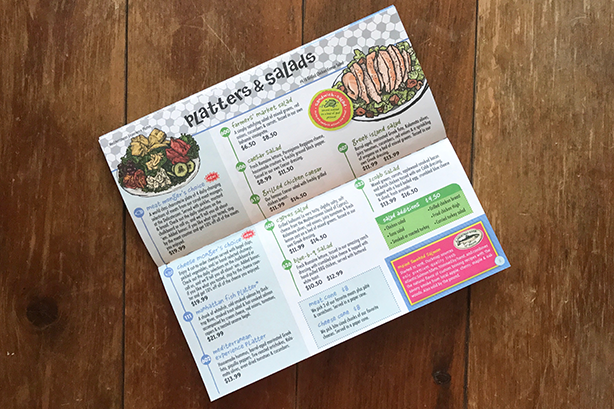
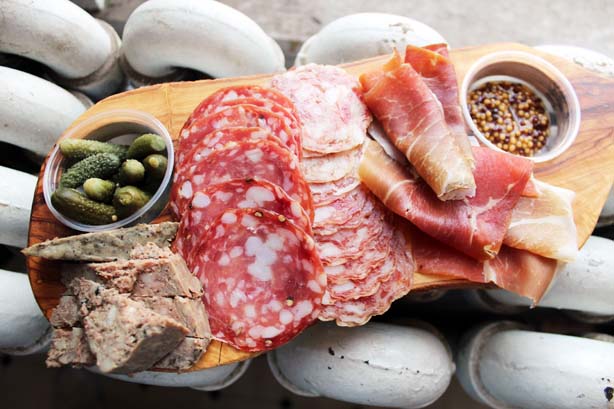
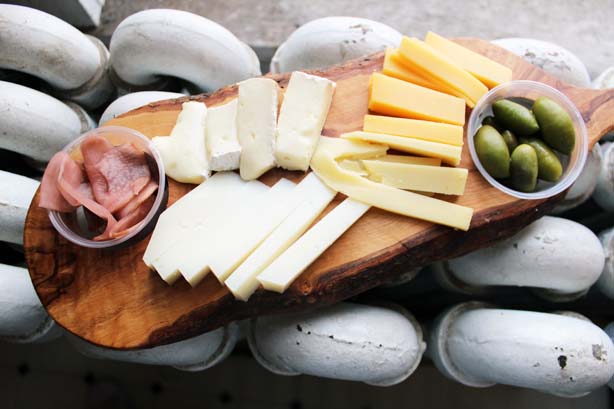
Did you know we offer cheese and charcuterie boards? We do! But, we admit, it’s been a
a bit of a secret—until now. You’ll find these world-class plates on our menu (in the
Platters and Salads section, page 8), which include a changing selection of meat
and cheese hand-picked by the our mongers (you know, those nice people behind the deli counter who are always tempting you with samples), plus delicious extras, like bagel chips, pickled vegetables, mustard, and bread. It’s great for sharing with the whole table, and if you like what you taste, you can get 10% off any of the selections to take home!
6. Did someone say fried chicken?
We did! Our salads are made even better with additions like grilled chicken and smoked turkey as well as chicken, tuna, and curried turkey salad. For the new menu, we’ve upped the protein ante with a tasty fried chicken thigh. About half of our menu developments come about organically in the kitchen, driven by our staff’s eating habits. We’ve been special ordering fried chicken on our own salads for a while, so we figured guests would probably love the option, too. Let us know what you think!
7. Es Alpukat
Say what? Es Alpukat is a smooth, creamy, slightly sweet smoothie from Indonesia, and it’s available at the Next Door. It’s made with avocado, Deli cold brewed coffee, and sweet honey. We blend it with ice, so it’s very refreshing! It’s been a cult favorite at Zingerman’s Coffee Company on the South Side for a few years, so we thought we’d offer it on this side of town, too!
Now that you’ve read about the new menu, come by and take a look—and give the new items a try! Our new menu is also online, and we offer delivery and curbside pickup. Call us to place your order: 734-663-3354.
Introducing Miss Kim’s Baguette and Country Miche!
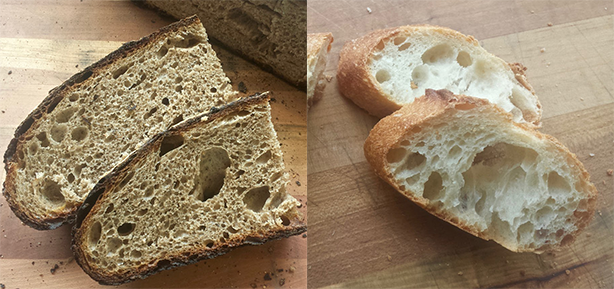
This spring we we’ve perfected two new loaves at Zingerman’s Bakehouse, Miss Kim’s Baguette and Country Miche. They are both full flavored, crusty, moist and using interesting grains and method for production.
We began working on the Miss Kim Baguette in January. We wanted to improve the baguette that we made a few years ago for Ji Hye (Managing partner of Miss Kim) She used to run a monthly special Banh Mi sandwich at the Delicatessen. While that bread was good and contained a bit of rice flour, we had the opportunity to make it even more special.
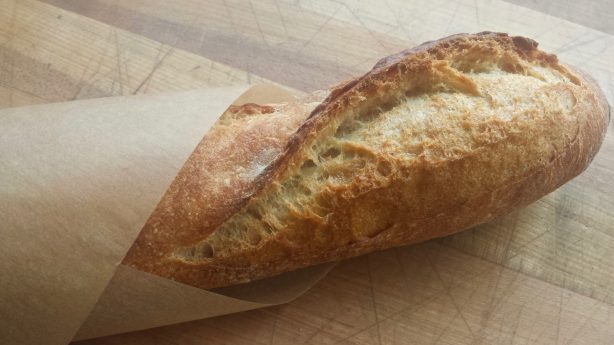
We started with Anson Mills Carolina Gold rice flour (an organic and heritage rice) and used our original recipe. While we liked it a lot, but we still wanted feature the rice flour more. So we decided to continue to refine the recipe.The original recipe called for a mush by cooking rice flour and water. We then decided to add rice flour to the poolish in the recipe. The poolish is preferment usually consisting of equal weights of flour and water with a tiny amount of yeast and allowed to ferment for 12 hours. While this modification made the baguette a bit tastier, we still felt like we hadn’t hit a bullseye. Toasting some rice flour and adding it to the poolish was a pièce de résistance!
Our mush made of Carolina Gold rice flour and the poolish made of rice flour and toasted rice flour, created a dough that bakes into a moist, slightly sweet, and aromatic baguette. It’s best baked with some color to compliment the moist and tasty crumb.
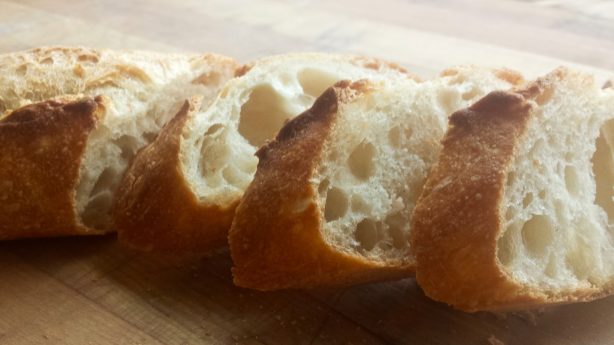
You can try our rice baguette at Miss Kim (our really great Korean restaurant). Order a Banh Mi for lunch and see for yourself how full flavored it is. Or come to our Bakeshop for lunch on Monday and Tuesday to taste the baguette on a Big Bob’s Kentucky Ham Slam. Or just pick one up from the Bakeshop at the Bakehouse or the Bread Box at the Delicatessen and serve it with some of your favorite cheese from Zingerman’s Creamery. You’ve got options!
Miss Kim baguettes are available daily now at Zingerman’s Bakehouse, Delicatessen, or Miss Kim.
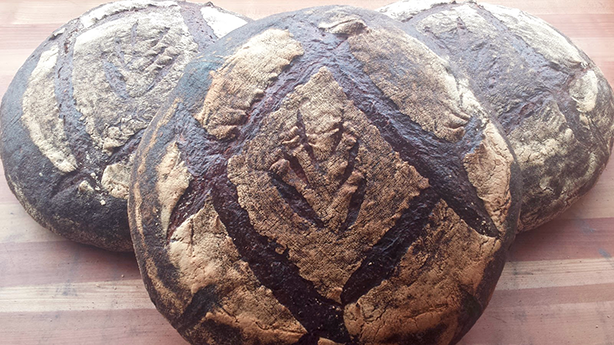
Our next project of the spring was to pay tribute to old style country breads that use a combination of grains. Our Country Miche features True North flour from the Leelanau peninsula in northern Michigan. We love this bread because it has a hearty amount of rye flour, a bit of whole spelt and a bit of whole buckwheat. It’s turning out to be my favorite new bread of the past 15 years.
Country Miche is a sour dough bread but the sour dough isn’t the dominant flavor that you taste. You can taste a delicious combination of grains and it has a deep caramel like finish due to baking with a super dark crust. We’ve been baking them in 2 kilo loaves as they would have been baked a couple of centuries ago. Even with the dark bake, they remain moist and flavorful for far more than a week.
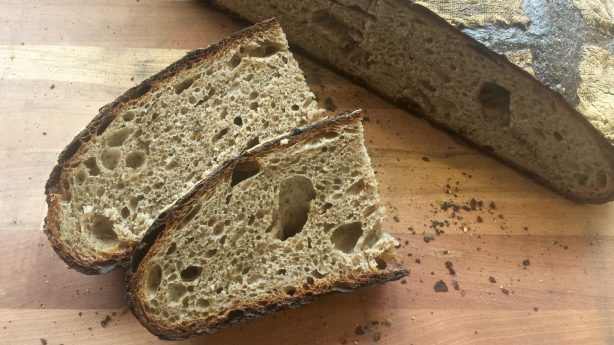
Here’s the story of how it’s made: It has it’s own unique starter which is fed and allowed to ferment for 12 hours or so. We autolyse the rest of the flours and water (it’s an 83% hydration bread which means it’s really wet) for two hours. Then add the starter and salt a bit more water and gently mix it for 2 minutes. We fold it three times at 30-minute intervals; allow it to ferment for an additional 2 ½ hours before dividing it. After a preshaping it rests for 30 minutes or so, gets a gentle final shaping and then into the large baskets where it is allowed to get it’s final fermentation before baking. It’s bake for a bit more than an hour at about 450º. Then it needs to cool for a couple of hours or ideally overnight. Then slice it and enjoy!
Country Miche is available (whole, ½ or ¼ loaf) in August at Zingerman’s Bakehouse or Delicatessen.