
Tag: ZINGERMAN’S COFFEE COMPANY
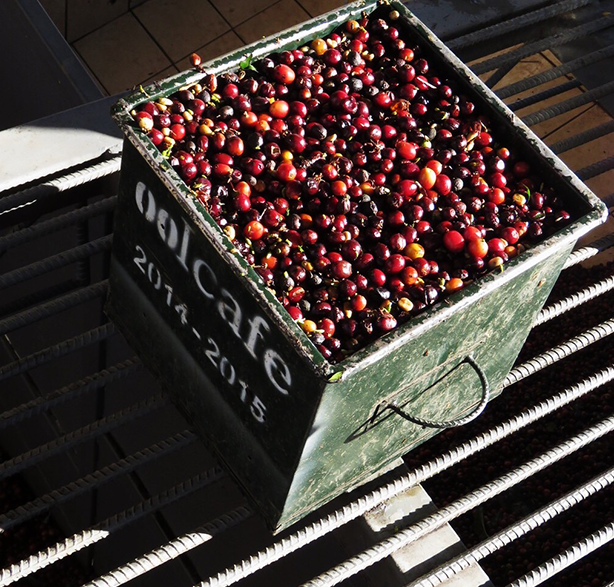
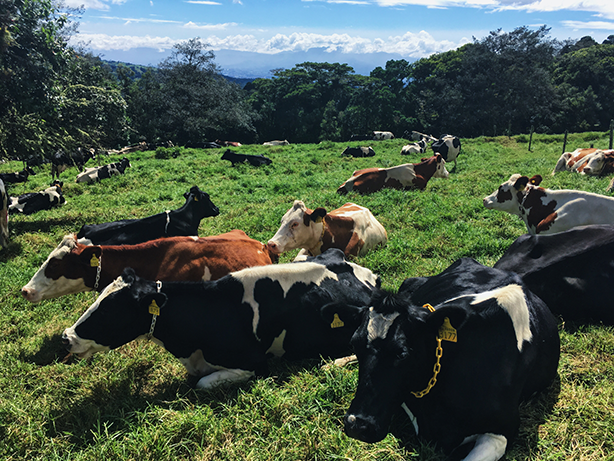
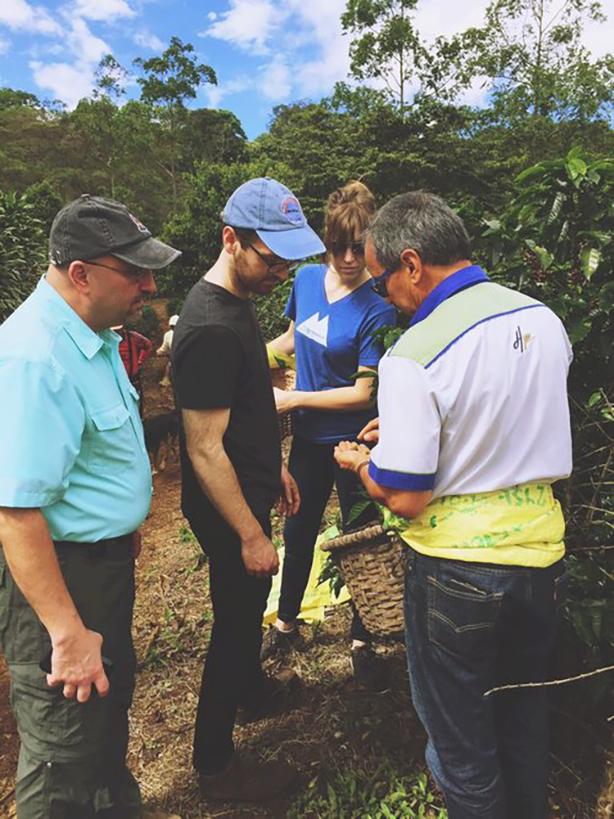
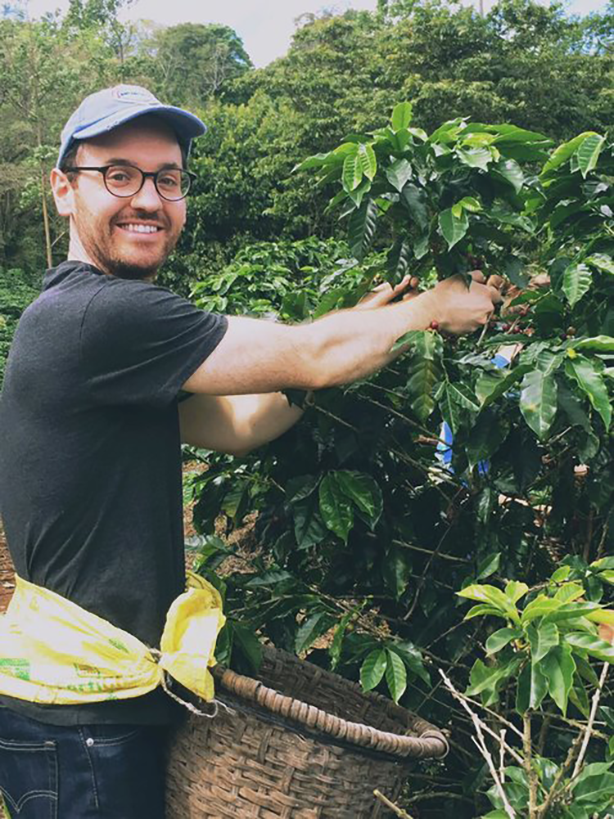
The collaboration between Zingerman’s Coffee Company and Hacienda Miramonte in Costa Rica’s Naranjo region is one we hold dear. Hacienda Miramonte was started in 1917 by the matriarch of the Gurdian family, Lucila Duval de Morales, and has been in the family for nearly 100 years. They are committed to growing quality coffees and giving back to their employees and local community. Steve Mangigian, the managing partner of the Coffee Company, recently took a group to Hacienda Miramonte. Here’s what he had to say about the trip.
I think it’s important to visit the farms we work with—not taking the time to do this gives you a very lopsided view of how the coffee world works. Coffee is an enormous business, the second largest traded commodity in the world next to petroleum. Farm visits help make it more personal, allowing us to connect with the producer in ways we would not be able to otherwise. In short, farm visits humanize the coffee industry.
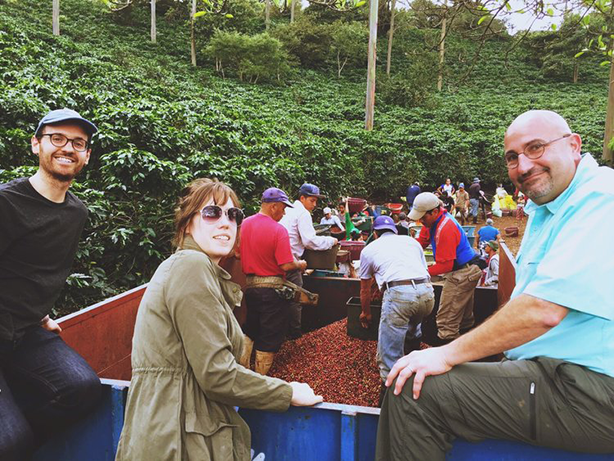
Though I often travel to the farms by myself, on occasion I like to take others for several reasons. For one thing, I want to expose staff in order to help enlarge their world and give perspective to the work they do in the Coffee Company. It’s also a nice perk, and I don’t like to travel alone. As time goes on, I will want to phase out this aspect of the work I do, so priming others allows me to proactively plan for the future.
I love the coffee Hacienda Miramonte produces and their commitment to quality. I also love the relationship we’ve built. I enjoy working with like-minded people as it relates to quality and always wanting to make things better. Most farmers are aware that they would like to produce better coffee but have trouble executing. Hacienda Miramonte is minimally sized, so that allows them to do things for their workers that other farmers cannot, including providing housing, access to healthcare, humane living conditions, and more.
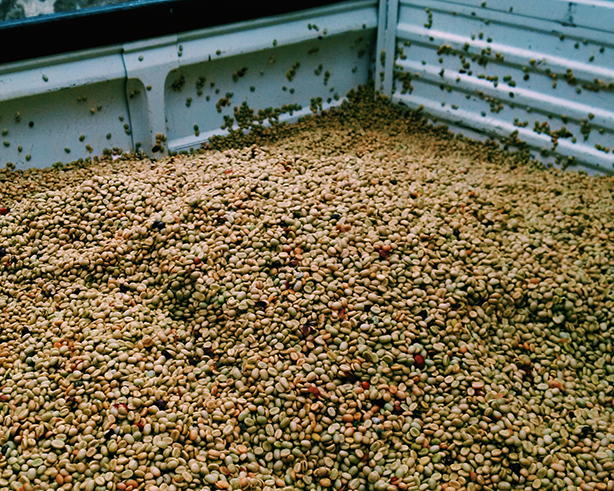
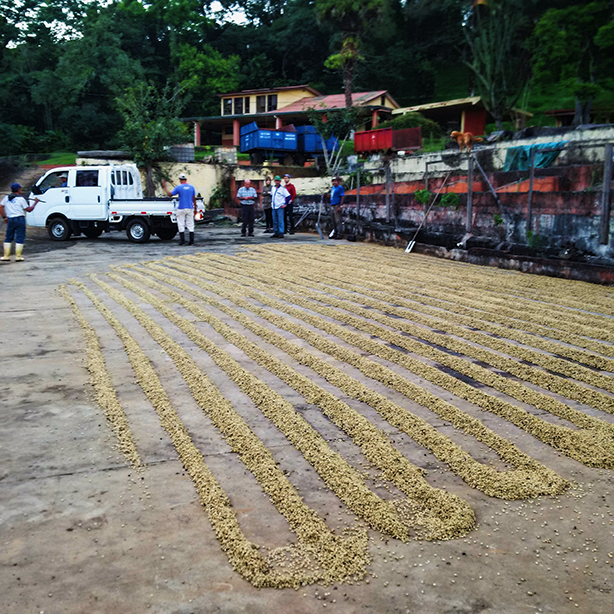
Costa Rica has long been known as a country that produces good coffee. Naranjo, the region that Hacienda Miramonte sits in, has produced excellent coffees for the last 3 to 4 years. They’re not really on anyone’s radar, either, which I love because they quietly go about their business working on greatness and don’t shout it from the rooftops. They just are!
We sell Hacienda Miramonte, Zingerman’s Reserve coffee in our shop and on Zingermans.com. It’s also served it in our shop, the airport, and at our wholesaler’s establishments. Guests can expect a medium roast with a smooth, clean finish and a candy-like sweetness with flavors of caramel and citrus. It’s superbly well balanced. A press pot brings out this coffee’s savoriness, and it also brews nicely as an espresso.
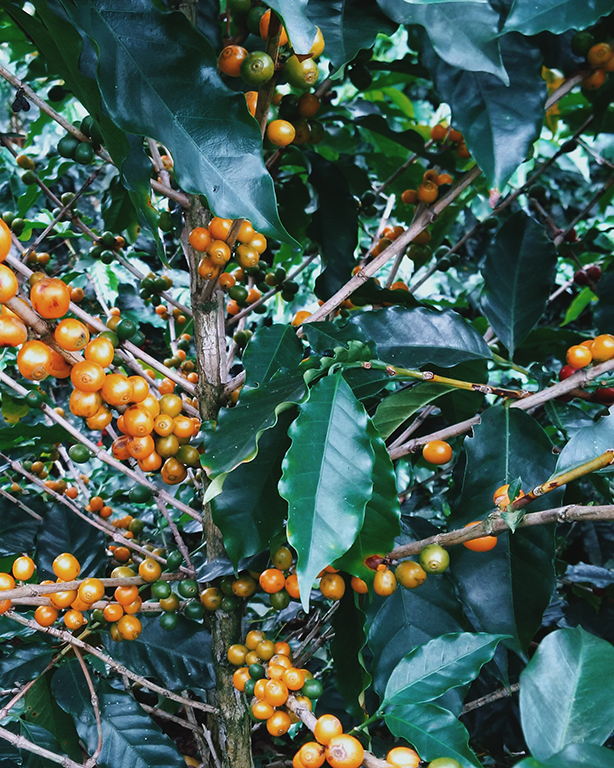
Here are more photos from the trip:
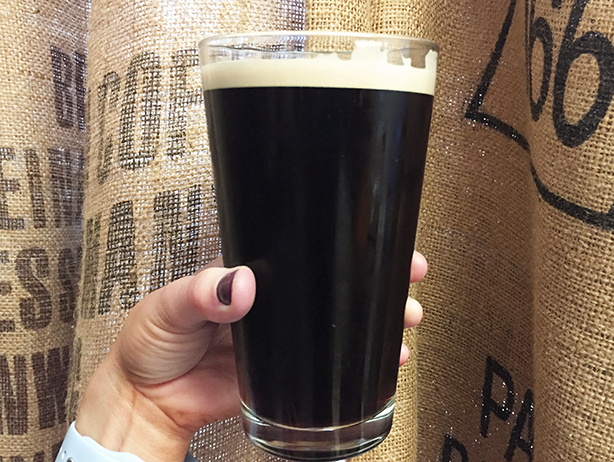
Our Cold Brewed Coffee is having a moment. It was recently featured in the New York Times, where it was described as “smooth, strong, full-bodied.” The same article deemed it perfect for drinking all year ’round, a big compliment for a beverage that most people associate with warm weather.
That’s some pretty good buzz, but as of this month, we’re taking it up a notch. Enter: Nitro Cold Brew. A fairly new phenomenon in the coffee industry, nitrogen infusion really transforms cold brew. The process, which pressurizes coffee under the gas, helps to expand body and texture, creating a smoother, creamier finish.
Zingerman’s Coffee Company Managing Partner Steve Mangigian is enthusiastic about the new offering. “I’m really excited about our nitro, because first of all, I believe that our cold brew is just delicious in and of itself, and the nitro only enhances its body and its texture, leaving a longer finish,” he says. “It’s bigger, it’s bolder—it’s like a Guinness stout. And that’s what I really like about it.”
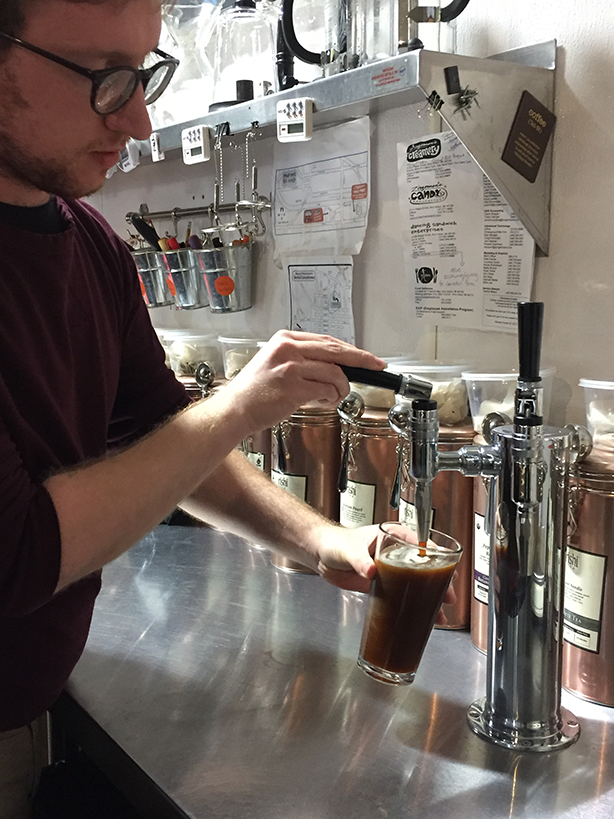
While Steve has been interested in nitro for a while, it was an email from an Ann Arbor local that really got the project going. “He said he’d been playing with nitro for a while. He tested some out, and Zingerman’s cold brew worked the best,” explains Steve. A deal was struck, and now the Coffee Company has its very own shiny taps.
Steve admits that he’s not sure if nitro will remain a “thing”, but the initial response has been strong. “We’ve been sampling a lot, and it’s going well,” he says, pointing out that industry-wide, cold brew coffee in general has surpassed expectations, growing by over 300% in the past five years.

Is our Nitro Cold Brew worthy of the buzz? Come find out—we’ve got a sample for you.
Zingerman’s Coffee Company is located at 3723 Plaza Drive, Ann Arbor. And if you’re not local, you can order our non-nitro cold brew (you know, the one the New York Times loves) online through Mail Order. It has a shelf-life of a year (without the use of artificial stabilizers), which is unprecedented in the industry.
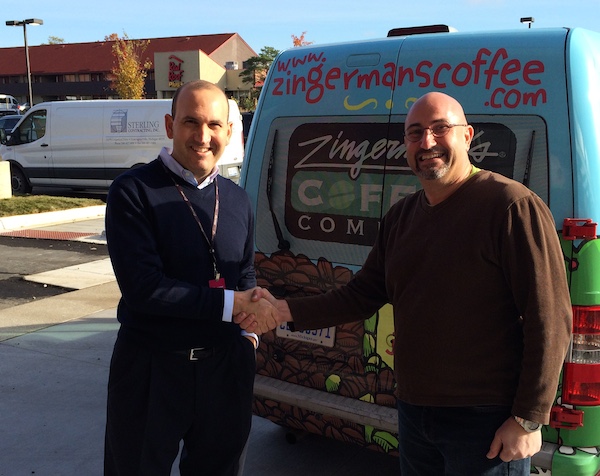
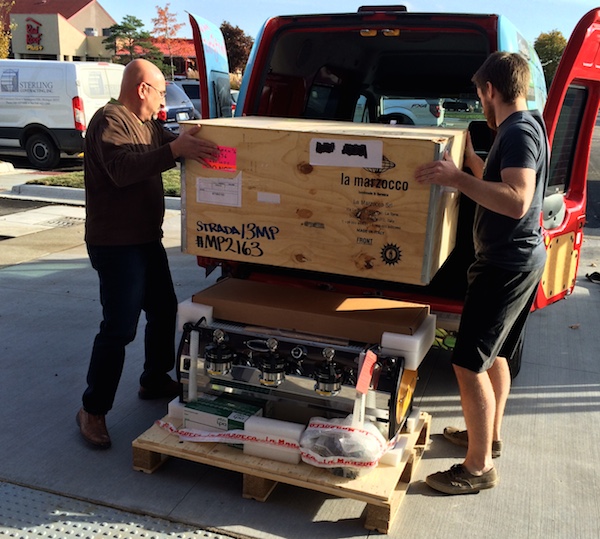
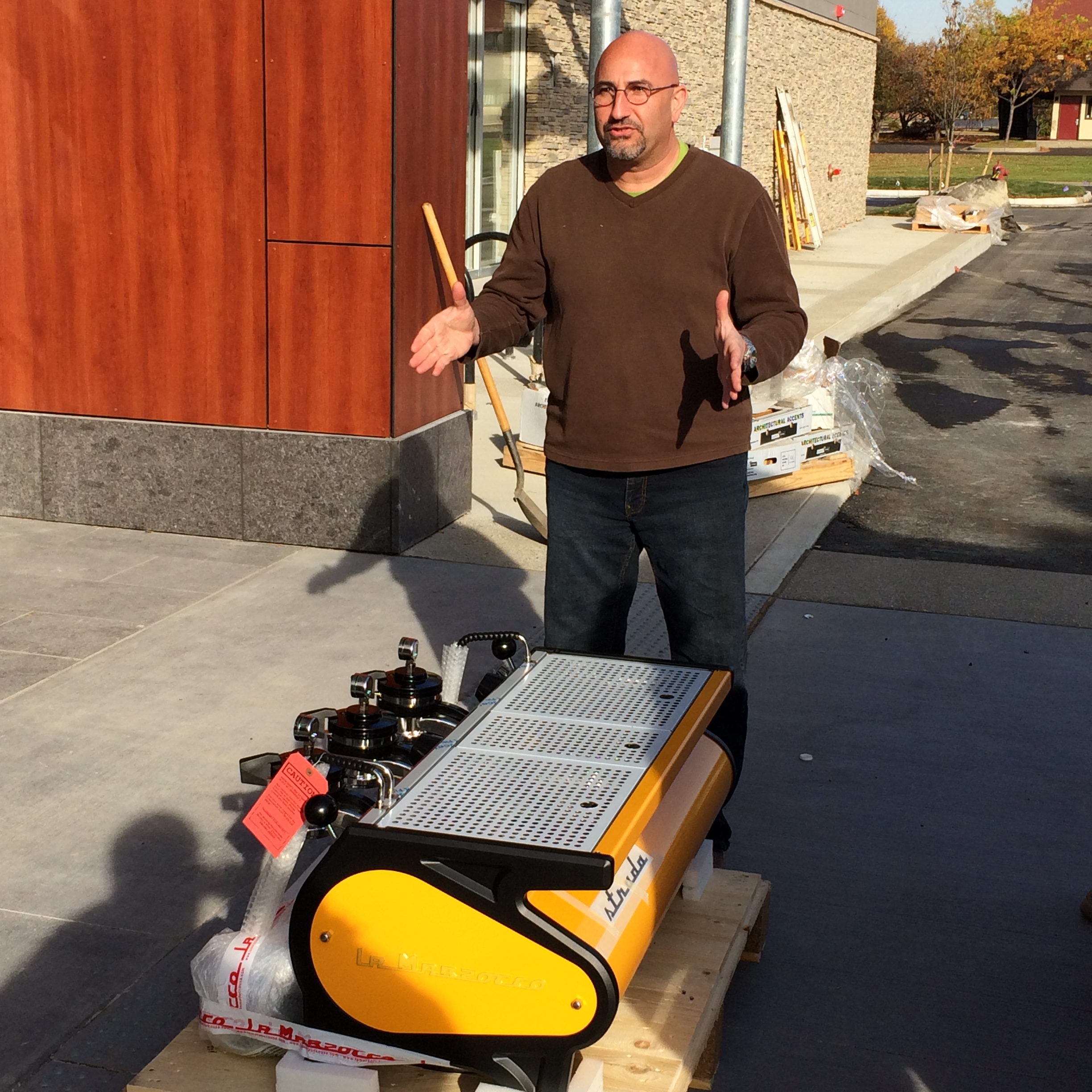
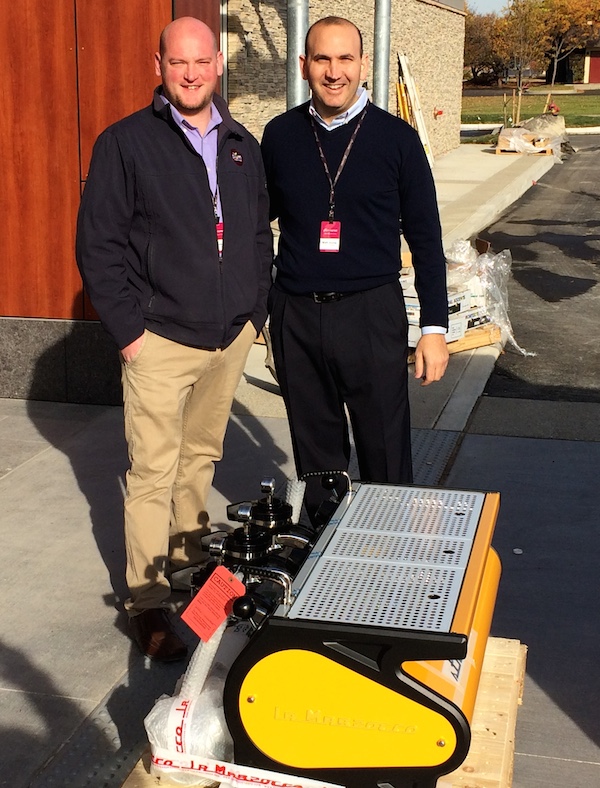
This past week, Zingerman’s Coffee Company delivered a brand-new La Marzocco Italian espresso machine to the new Plum Market location on Plymouth Road in Ann Arbor. The new store is scheduled to open November 11th.

See you soon!
The Cerrado region of Brazil is an enormous, sprawling savanna that occupies the central part of the country. It comprises about 500 million acres of land (an area roughly three times the size of the State of Texas) and is the most biologically diverse savanna on the planet. The region is home to over 800 species  of birds, nearly 200 types of mammals, and over a hundred kinds of reptiles. Plant biodiversity includes more than 10,000 species of plants, of which hundreds are found nowhere else. The Cerrado climate is humid and subtropical, covers about 23% of Brazil’s total area, and the region feeds three major water basins in the continent of South America: the Paraguay, the São Francisco, and the Amazon rivers.
The savanna itself is comprised of a series of high sedimentary plateaus, ranging from 500 to 1700 meters above sea level, and interspersed with depressions varying from 100 to 500 meters. This rising and falling landscape is laid out in a gently rolling mosaic pattern; Cerrado translates as “hilly.” The soil of the area was once considered too acidic to grow much, but beginning in the 1980s Brazilian agronomists began large-scale application of lime to improve the land. Today, the region is responsible for the majority of the country’s farm produce.
It is deep within this vast biome and up on a high plateau that the beautiful Daterra Farm is located. Daterra is owned by Luis Paschoal, a descendent of Italian immigrant and family patriarch, Miguel
Paschoal. Miguel arrived in Brazil in 1902 when he was just 11 years old. In 1908, he embarked on his first entrepreneurial adventure when he began selling coffee by the cup in the Campinas City Market. These humble beginnings led first to a grocery store, then a gas station, and finally a chain of car service centers.
In 1980, Miguel’s descendants began to invest in agriculture just as the Brazilian government was implementing the soil improvement programs that would change the face of farming in the country for the better. Luis Paschoal originally raised cattle and grew fruit, but soon became enchanted with the beverage that started the family business all those decades earlier. In 1984, the company began to focus on the cultivation of sustainable and specialty coffees, and Daterra was born.
The word Daterra means, appropriately, “of the earth,” and the farm is the source of some of the world’s best Arabica coffee. The Daterra farm itself covers 5800 hectares (approximately 14,000 acres), and is actually three distinct farms within a larger estate; the main farm, and two small satellites. Luis and his staff are dedicated to sustainable practices and, aside from occasional mechanical or equipment needs, the farm is entirely self-contained. Recently, a brand new harvesting machine was completely designed and produced on the farm, utilizing state of the art techniques. The farm has a large composting area where the byproducts of coffee growing, harvesting, and processing are used to reinvest in the soil fertility, and the water used in the coffee bean-washing process is recycled. In addition, a large portion of Daterra has been set aside as permanent wetlands to hep sustain local wildlife and agriculture.
The relationship between Daterra and the Zingerman’s Coffee Company goes back more than a decade, and Daterra was one of the first coffee estates the Coffee Company worked with. Managing partner Steve Mangigian says he treasures his time on the verdant and lush plantation, and he nurtures a collaborative relationship with the farm to ensure consistent standards for the coffee he buys. A lot of time is spent evaluating the farm’s coffee varietals simply by tasting (“cupping” to coffee enthusiasts) the brew with an eye to such criteria as flavor, aroma, acidity or “brightness,” and the overall experience. This is an ongoing process, and Steve’s challenge is not simply to maintain as much consistency as possible in an agricultural product that’s subject to all manner of environmental influences on the beans, but also look for ways to make the coffee better in the cup.
Many of the benefits for developing long-term relationships with coffee growers are obvious. Steve can work with a grower over time to produce a bean tailored to the Coffee Company’s specific flavor profile. He’s able to have a first-hand understanding of the grower’s practices and their commitment to standards of quality. And Zingerman’s is able to trace the provenance of a particular coffee bean directly back to a specific plantation, along with all of the attendant “biography” information about how the crop was cultivated, harvested, and processed. Steve’s hope is that all of this care and attention to detail comes through in the flavor of our coffee. Because there’s no fooling a discriminating fan of the bean.
The long-lasting friendship between the Zingerman’s Coffee Company and Daterra has borne more ambitious fruit recently in a pilot program that will ultimately redefine the current definition of knowing where your coffee comes from. Daterra is implementing a plan to set aside a specific plot of land dedicated to a multi-year experimental project aimed at producing a coffee only for Zingerman’s. What this means is that it will now be possible to plant a specific varietal, process it in a certain way, and trace a brew from the bean directly back to the very field in which it was grown. This takes the notion of farm-to-cup to an entirely new level; where we used to know the coffee’s home village, we’ll now know its address!
The program represents a chance to take a more direct role in the specifics of bean cultivation. With his own dedicated field, Steve will be able to shape and hone the flavor profile of Zingerman’s coffee beans from the very beginning. We may just be witnessing the birth of our very own Zingerman’s varietal. But, the project will take some time. Young coffee trees generally need 3-4 seasons before they start producing good quality beans. And Steve will no doubt want to tinker a bit with the beans to make sure they’re just right… Regardless, we’re very excited by this prospect, and we encourage everyone to stay tuned for more details.
Steve made another trip to Daterra this past July, but the focus of this visit was a bit different than previous trip. Steve and his fiancé Katherine were married at Daterra Estate, in the beautiful and lush savanna of the Cerrado. When I asked why he chose to hold his nuptials in the heart of Brazil, he talked about what Daterra, and his relationship with them has meant to him. Daterra owner Luis Paschoal exemplifies many of the ideals that Zingerman’s espouses; he treats his land and his people well, the farm has good energy, and they continually look toward innovation and improvement. Steve likes the farm’s transparency and openness, their commitment to sustainable, renewable practices, and their responsible stewardship of the delicate environment of the Cerrado.
Steve tells me that three years ago, when his relationship with Katherine had moved to a new level, he brought her to visit Daterra Farm. The experience, he says, was foundational to their relationship and it became clear that their paths would ultimately merge into one. “It was a touchstone moment,” he says. So when the time came to choose a place to formally acknowledge the love already present, Steve really wanted to evoke a connection to what the original trip had represented for the couple. Daterra, for its part, was very enthusiastic about the idea, and insisted on handling all the wedding details themselves.
About this time, Linda Smithers, Daterra’s longtime US representative, also announced her intention to wed her fiancé, Howard, and overnight the event became a double wedding. This being the farm’s first wedding, Luis and Daterra went all out, arranging everything while the couples relaxed at the farm’s very comfortable guest house. The ceremony was officiated by Luis, and attended by 75 guests, mostly friends from the farm as well as a few international guests. A feast of traditional Brazilian dishes were served, and after dinner there was music and dancing into the night.
Before he flew to Brazil, Steve told me that he was looking forward to getting married and taking the next step in his life. He also shared another detail; three years earlier, Daterra had planted a tree on the farm in the couple’s honor. It was apparent to everyone even then that the couple had something special, something moving toward an inevitable convergence. Their tree at Daterra is a wonderfully romantic expression of the time, patience, and love necessary to grow and strengthen something beautiful. On this most recent visit both Steve and Katherine along with other witnesses observed that this planted tree had grown faster and bigger than most that had been planted in the past. A person has to wonder if the farming life doesn’t perhaps inspire a lovely poetic gesture now and then.
New crop Ethiopian coffee is in!
I’ve always loved Ethiopian coffee. Ever since I started paying attention to, and appreciating, the flavors of regional beans, the nuances of various roast levels, the variations of crop years and the other elements that make up a really exceptional cup, Ethiopian coffees have kept their spot at the top of my personal taste list. Their remarkable, always interesting, winy, at times blueberry-like, big flavors aren’t, I know, for everyone, but they’re definitely for me. I love ‘em.
Without question, I drink Ethiopian coffees more than any other single offering!
Happily, having just been to Ethiopia (see page 6 of Zingerman’s July/August newsletter) I can see why they’re so special to me. Not only do they taste great. They have a fantastic history to go with them.
Although not that many folks out in the world know it, Ethiopia is the literal homeland of coffee. It’s where the coffee plant probably originated, and pretty surely where coffee was first consumed as a beverage. As the story goes, a young goat herder named Kaldi noticed his goats frolicking more than usual after eating the berries of a certain bush. He picked the berries and brought them to an Islamic monk who showed his disapproval by tossing them into the fire, from whence the first coffee roasting commenced. Somehow Kaldi decided to grind and brew the toasted beans and, apocryphally at least, coffee was born. Ethiopia is also the place from which Yemeni traders took coffee to Europe and the rest of the world. All of which is why coffee means about 88 times more in Ethiopia than it does anywhere else in the world.
What’s it like everywhere else? In most every other country in which it’s grown, coffee was introduced in relatively recent history, primarily by European colonists, and primarily for one purpose—not to make good mocha available, but to make money. Coffee was grown, not for personal consumption, but almost exclusively, for export. Unlike a garden where you grow your own tomatoes to enhance the excellence of your dining table, coffee was grown for cash. If someone wasn’t making a living growing coffee, he or she could be just as likely to grow tobacco, timber or tea. As a result, coffee is generally well-integrated, and often downright essential, to the economy of places like Costa Rica, Honduras and Kenya, but it’s generally NOT part of the culinary culture. Coffee is important to create jobs, earn income, and pay bills. But brewing and drinking great coffee is just not that big a deal. While clearly coffee has grown to become an important part of the culture (probably in Brazil more than anywhere else) the reality is that instant coffee is still a huge product in most producing countries.
Ethiopia is the exact opposite. Everyone (well, nearly everyone) drinks coffee. Nearly all of it is really good, if not, at times, excellent. More importantly, the majority of the population (there are exceptions) love—and almost revere—the stuff. About half of the annual crop is consumed internally. They appreciate coffee for the income it brings, but they care about coffee emotionally as much as they do their history, the culture, traditional dance, and language. Coffee in Ethiopia is like . . . cheese and wine in France, fish in Boston, rice in Japan, chiles in New Mexico, really wild, wild, rice for the Ojibwe people here in the upper Great Lakes.
How does that play out? Well, for openers pretty much every place serves pretty darned good coffee. To be clear, I don’t say that lightly. Honestly, I would really never drink coffee in a hotel, and only rarely in restaurants unless I know who roasted it and I like and trust the people who run the place. Commercially brewed coffee in those sorts of places is so rarely enjoyable (the general guideline for me is that bad tea is nearly always much, much better than bad coffee) so I just order black tea. But in Ethiopia at nearly every single place I ordered it the coffee was good. That alone is an amazing thing, a feat that would be unthinkable almost anywhere else in the world (including Europe and the U.S.) And some shops serve some seriously great coffee.
Some shops even brew beans from specific regions—called out by name—in Ethiopia. While that might seem mundane to folks in Southeast Michigan who are used to having access to regional and estate offerings of various coffee beans from Zingerman’s Coffee Company or in other quality focused cafés, it’s actually rarely seen in producing countries (other than maybe in a cafés run by growers or government sponsored coffee boards).
Most all of what I had on my visit to Ethiopia was brewed in filter pots and a fair few places used French press pots. A good many others pull shots of espresso (although often much longer shots than we’re used to here). Ethiopia, of course, is the only country on the continent never to have been colonized by a European country. As a result, energy and independence of spirit seem particularly high. Ethiopia was invaded by Italy back in the 1930s. The only big legacies of the invasion seem to be a high affinity for pizza, and the frequent use of Italian coffee brewing methods. Café Macchiato—the traditional Italian style, with only a small bit of milk and a shot of espresso—seems to be the most commonly consumed brew.
Ethiopians do have a very important traditional coffee ceremony which plays the same sort of role there that the tea ceremony does in Japan. Green coffee beans are roasted over hot coals in a metal pan. The coffee is then ground, often with a mortar and pestle. The new grounds are put into a special ceramic carafe. Water is added and brought to a boil so that it starts to rise through the long neck of the carafe. It’s then poured into another vessel to cool it a bit, then boiled again. To serve, the coffee is poured through a filter into handle-less cups. Generally the pot is moved back and forth over the series of cups so that the liquid is evenly distributed. Many Ethiopians add sugar. Some in the countryside add the traditional clarified butter and salt (this version of coffee becomes a bit of a traditional instant breakfast). The grounds are typically brewed three times. Teddy Araya told me that, the first round is called Abol, the second is Tonena and the third is Berk, the blessing. In some places like Tigrai, they serve to the fourth round. The best part is the first since it is the thickest. The subsequent ones will get lighter on every round. In Tigrai, they give the fourth round to kids.
The traditional accompaniment for coffee in Ethiopia? Not a croissant, not a cookie, not vanilla syrup. It’s popcorn. That’s right. If you order coffee in a traditional setting, say after dinner, it will come with a bowl of popcorn. And while that may seem odd, I’ll tell you that it’s actually darned delicious. Try it!
For me, here’s the ultimate testament to the import and care that accompany coffee culture in Ethiopia. When you goto the markets, alongside stalls selling vegetables, fruit, spices, etc. there are many that are selling green coffee beans. A few sell already roasted beans but the majority are still in their green, unroasted state. “Everyone here roasts their own at home,” a friend told us. Since our visit was short and I couldn’t speak Amharic to the men and woman working the stalls, I bought a half-kilo from one woman who seemed nice. She had three baskets (others had even more) of different green beans on display. I had no idea really what I was buying but just for fun, I bought some to bring back to the Coffee Company’s managing partner Steve Mangigian.
When I got back Steve roasted it up. After what I’ve written here, you shouldn’t be surprised to learn it was really good. No, not the single best coffee I’ve ever had in my life—but for a blind random choice it’s actually amazing that it was so tasty. If you’d told me it was a sample from one of our high-end brokers I’d have told you I really liked it, certainly very respectable. Culture, I’ve always believed, is a much better enforcer of ethical standards than any formal certification. The fact that it happened the way it did, by random meandering around the market in Addis Ababa, says a lot. Coffee in Ethiopia is serious business, so much so that market stalls wouldn’t even think of selling something bad. Coffee drinkers won’t tolerate it.
Our current Ethiopian bean from Zingerman’s Coffee Company is, as I said in the beginning, at the top of my consumption list. It’s a new crop—a 2015 harvest of coffee beans from the Harar district in Ethiopia’s northeast. It’s grown at very high altitudes—nearly 6000 feet—which contributes to the quality and complexity of the beans. The city of Harar, which sits at the center of the region, was founded between the 7th and 11th centuries and over time became a significant center of Islamic learning and culture. The Harari language is one of over 80 in Ethiopia! Aside from the excellence of its coffee, the area is also known for its basket weaving, bookbinding and poetry. Speaking of the latter, in the late 18th century it was home to the French poet Rimbaud. More importantly to matters at hand it’s said to be the first region in which indigenous wild coffee was domesticated.
The best Harar coffees, like this one, have wonderful winy, fruity flavors that remind me of blueberries, or at times maybe blackberries. It is a “natural” or “dry” processed coffee. The pulp of the coffee “cherry” is left on the “beans” in the center and dried naturally in the sun, which yields a more intense, fruity, full flavored coffee, which is, of course, the kind that I particularly love.

Available at Zingerman’s Coffee Company and Zingerman’s Deli!
What’s in your cup?
Sitting in a café in the town of Metsovo in northern Greece many years ago, I innocently ordered tea. I was expecting the usual uninteresting bag of commercial black tea that I’ve come to expect almost everywhere in Europe. But before the waiter could leave the table, my late but much-loved friend Daphne Zepos (see the Epilogue in Zingerman’s Guide to Good Leading. Part 3 for much more on this amazing woman) asked me if I wanted “regular tea or mountain tea?” Never having heard of the latter, but ever the inquisitive eater and drinker, I shrugged my shoulders and said, “Why not? I’ll try mountain tea.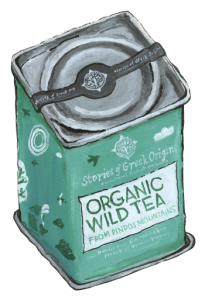
A few minutes later it arrived—a bouquet of long light green stalks with tiny flowers and buds attached steeping hot water. Its aroma was excellent—a little sweet, a touch of mountain meadow. It has light amber color and a compelling, sweet perfume and a lovely, light, naturally sweet flavor that hints of thyme, lemon and anise.
In Greek, the mountain tea is known as tsai tou vounou (“TSAH-ee too voo-NOO”). After literally months of trying to find out the English name I’ve gotten that what they serve is called Diktamus. Others have said it’s actually called Sideritis or ironwort. It’s a hardy, flowering perennial that’s well suited to survive with only minimal water and rocky soil. Whatever it is, it’s worth trying if you’re looking for an herbal brew to experiment with. To brew it, you simply break up the branches, then boil them for about 5 minutes in water, then strain and serve. Like some green and oolong teas, you can get more than one brew from each bunch of buds.
Our terrific Greek mountain tea is coming through our new-found food friend, Vivianna Karamanis, who’s got an eye and a palate for extremely excellent products (try some of the roasted pepper-tomato sauce we’re getting from her at the Deli). This wild Greek Mountain tea is from the Pindos mountains in northwest Greece, where it’s gathered by hand over 3000 feet up. Only the flowers and the small bit of the most tender stems are used. More commercial brands will include much longer pieces of stem which also tend to woodiness and are less sweet.
It brews up into a light golden liquid that has a naturally sweet flavor. In Greece it’s consumed as much for health as for pleasure. It’s an old school remedy for colds, muscle pain, and more. Wild grown herbs like this are generally acknowledged to be more potent in that regard—the cultivation of plants doesn’t quite replicate what happens when nature is left to her devices. The high altitude growth tends to concentrate essential oils even further. Vivianna’s mountain tea is also certified organic. Many Greeks like to add a bit of thyme honey to sweeten it further but I drink it as it is. Great with a bit of a biscuit from the Bakehouse or some toast and jam.