
Tag: RECIPES
Italian rice and a whole bunch of butter and cheese
While risotto still gets most of the attention here in the U.S. when it comes to Italian rice preparations, there’s an alternative I’ll propose that’s equally delicious and even easier to make. In Italian, it’s called riso in cagnone, or riso al burro.
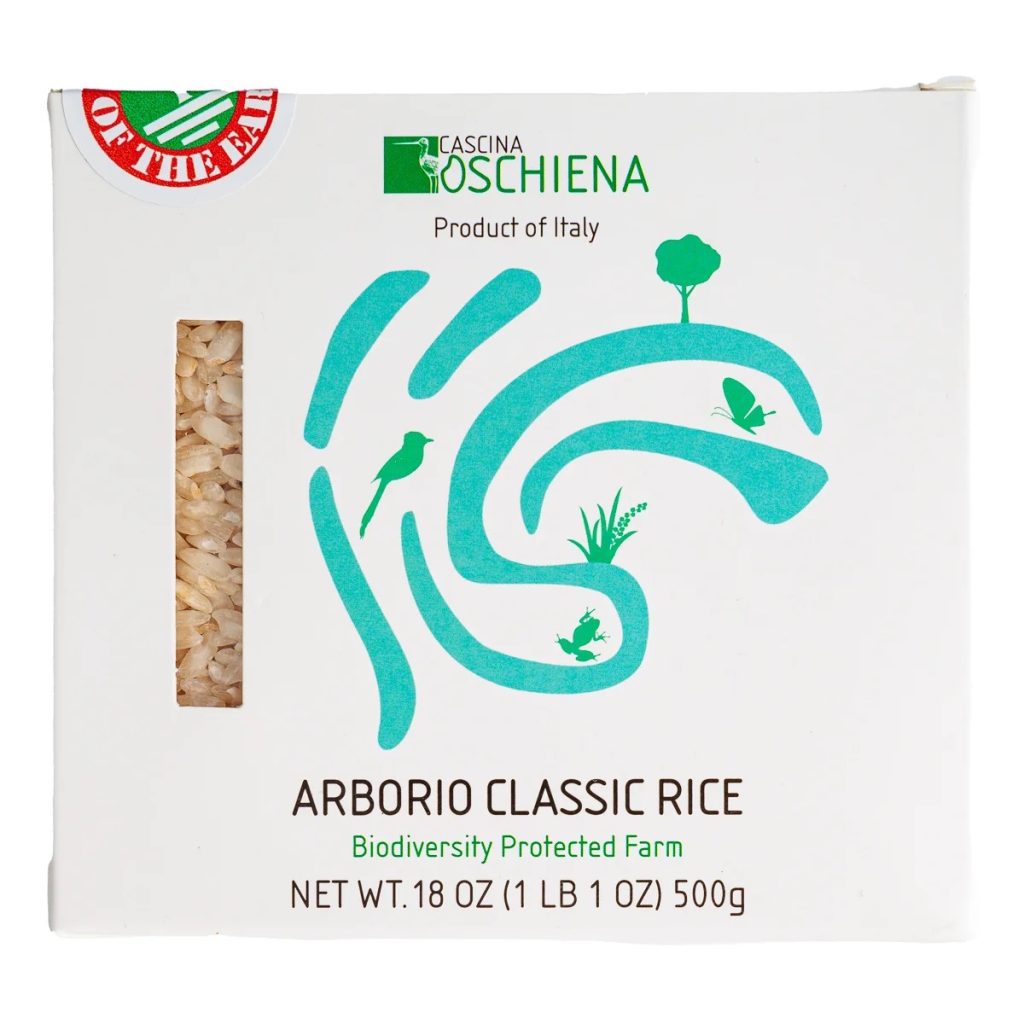
To make the dish, start with some really good Italian rice. We have one of my favorites at the Deli right now, from the remarkable rice farm of Cascina Oschiena. Biodiversity, bird sanctuaries, land restoration, and commitment to community all come together to yield some terrific rice (and yes, you really can taste the difference!).
Bring fresh cold water to a boil, add a bit of sea salt to taste, and, once the water is boiling, add rice—roughly a generous handful per person. Get a bunch of good butter—Vermont Creamery Cultured Butter is, of course, my choice—at room temperature. (To be clear, not melted, not cold—room temperature.) Put the butter at the bottom of a mixing bowl.
When the rice is al dente, drain the liquid (or save it—rice broth from good rice is really delicious) and pour it over the butter. Mix well, and add salt and pepper to taste. For the simplest version, grate on a bunch of Parmigiano Reggiano cheese; what we have on from the folks at Valserena—made solely with the milk of their herd of Brown Swiss cows—is fantastic. (Valserena is the oldest dairy in the Parma area and one of just four that use only Brown Swiss cows.) Now have at it! Simple, soul warming, delicious.
A slightly more complex approach would be to lightly brown fresh sage leaves and/or fresh garlic in more butter on the side. When it all browns, pour it over the rice.
My own spring version has been to cook some asparagus on the side and cut it into one-inch pieces. When mixing the butter and the rice, add the asparagus. ’Tis the season! You can do the same with fresh peas, fresh herbs, sauteed zucchini, and so on.
Again, this is an easy dish to prepare. Tradition has it that it was made in the fields by the rice workers over an open fire for their midday meal. And take note: the more cheese and butter, the better—it’s meant to be rich!
Scrumptious, spicy, and super good to make at home
Spanish-style fried eggs, cooked in full-flavored extra virgin olive oil, are one of the best quick meals I know. The key is the quality of the oil and the eggs. Once you get used to cooking eggs this way, I feel confident you’re likely to stick with it!
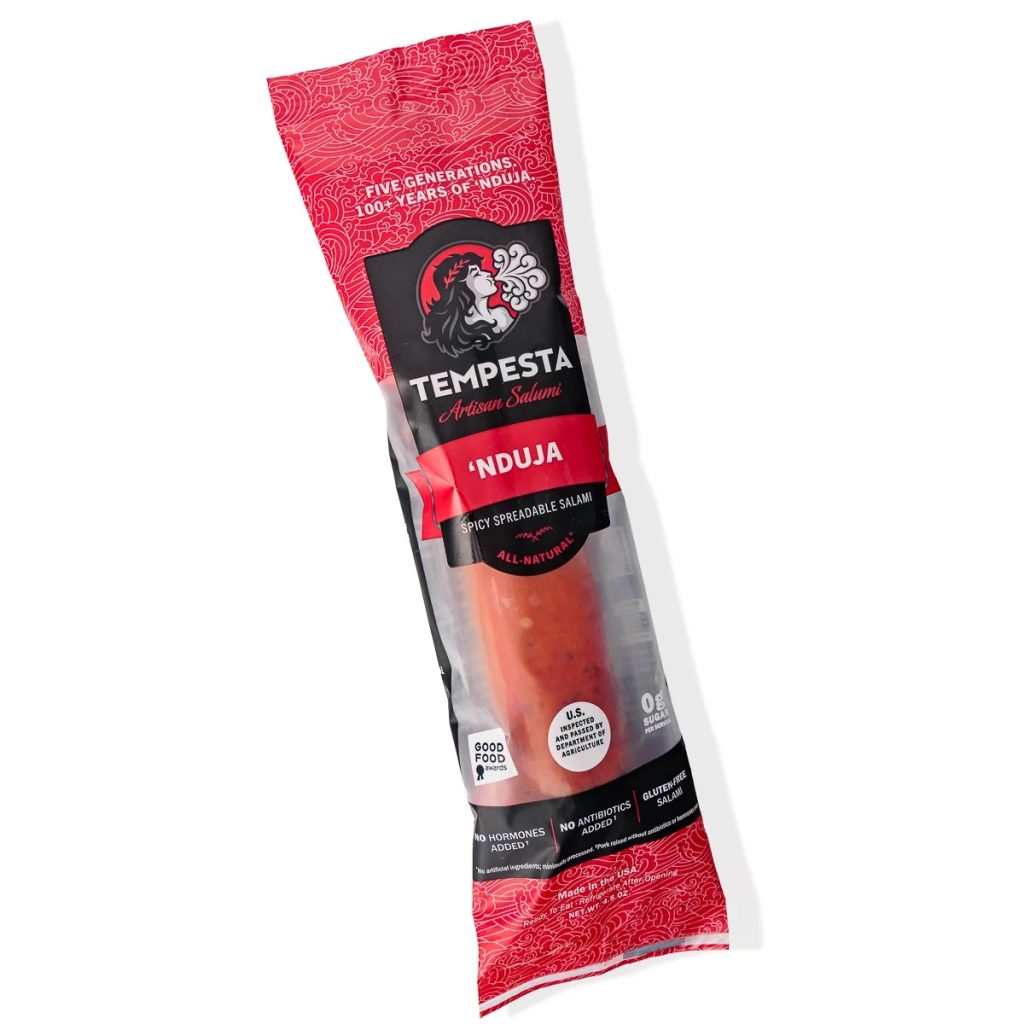
Now enter ’Nduja, the amazing spicy spreadable salami that’s typical of the Southern Italian region of Calabria. Ours is made by Tony Fiasche—he lives in Chicago, but his grandparents are still in Calabria, and his grandfather taught him how to make it. Tony works exclusively with heritage pork, and the ’Nduja he makes is … well, insert whatever superlative you like—it’s incredible. You can add it to sauces or pasta dishes with ease, or come by the Roadhouse, where the kitchen crew use it with those fantastic Prince Edward Island mussels. Put it on a toasted Brioche roll from the Bakehouse with a fried egg or two, and you’ll have a world-class sandwich in about six minutes. I ate a couple for dinner the other evening, and I’m ready to have another right now!
To make a tasty egg ’n’ ’Nduja sandwich the simple way, first let the ’Nduja come to room temperature while you’re getting ready to cook. To fry the eggs, heat a good bit of extra virgin olive oil in a skillet. Use more than you normally would—the oil is part of the dish (and you can save what’s left to use for other items later). When the oil is hot, crack the eggs into the pan. They will bubble around the edges, making them crisp. Break the yolks a little, and spread them gently so a small amount of yolk works its way over the whites.
For these sandwiches, any Bakehouse bread will work, but again, I really like the Brioche rolls (which the Roadhouse uses for burger buns). While the eggs are cooking, toast the bread and brush it with more of the olive oil. Spread ’Nduja on one side or, if you’re into spicy pork, on both. Cook the eggs until they’re set. Place an egg on top of the ’Nduja (so the heat of the egg softens the spreadable salami even more), then sprinkle with sea salt (the Portuguese Fleur de Sel would be wonderful) and plenty of freshly ground black pepper. Eat while it’s hot. Simple, delicious.
Another, maybe slightly more interesting—and time-consuming—approach is to melt a good portion (about a quarter pound) of ’Nduja in a skillet with some extra virgin olive oil. Stir to melt the ‘Nduja into the oil, and when it’s hot, crack the eggs into it. Cover and then baste with some of the oil/’Nduja mix, and cook the eggs to your desired doneness. Serve on the toasted buns. I like to add a bit of mayo (which, by the way, may have originated on the Menorcan island of Mahón, discussed below!).
If you follow this second method, don’t throw the oil away when the eggs are done. Instead, toss a handful of well-cooked broken potatoes, cooked rice, or cooked beans into the pan. Turn up the heat a touch, stir regularly for a few minutes (a bit longer for the potatoes), and then serve on the side with the sandwich!
P.S. These great sandwiches aren’t on the Roadhouse breakfast menu, but if it’s not busy, it’s likely we can make them for you.
A delicious light lunch or dinner to make at home
Since we have only a month or so to make the most of our local asparagus crop, I figure one could have dinner at the Roadhouse one evening and then make this simple, delicious scrambled egg dish later in the week!
To begin, wash and cut some asparagus spears into one-inch pieces. Heat a bit of olive oil in a skillet, and add the asparagus pieces and a pinch of sea salt. Stir and sauté until the asparagus is soft and golden brown on the edges.
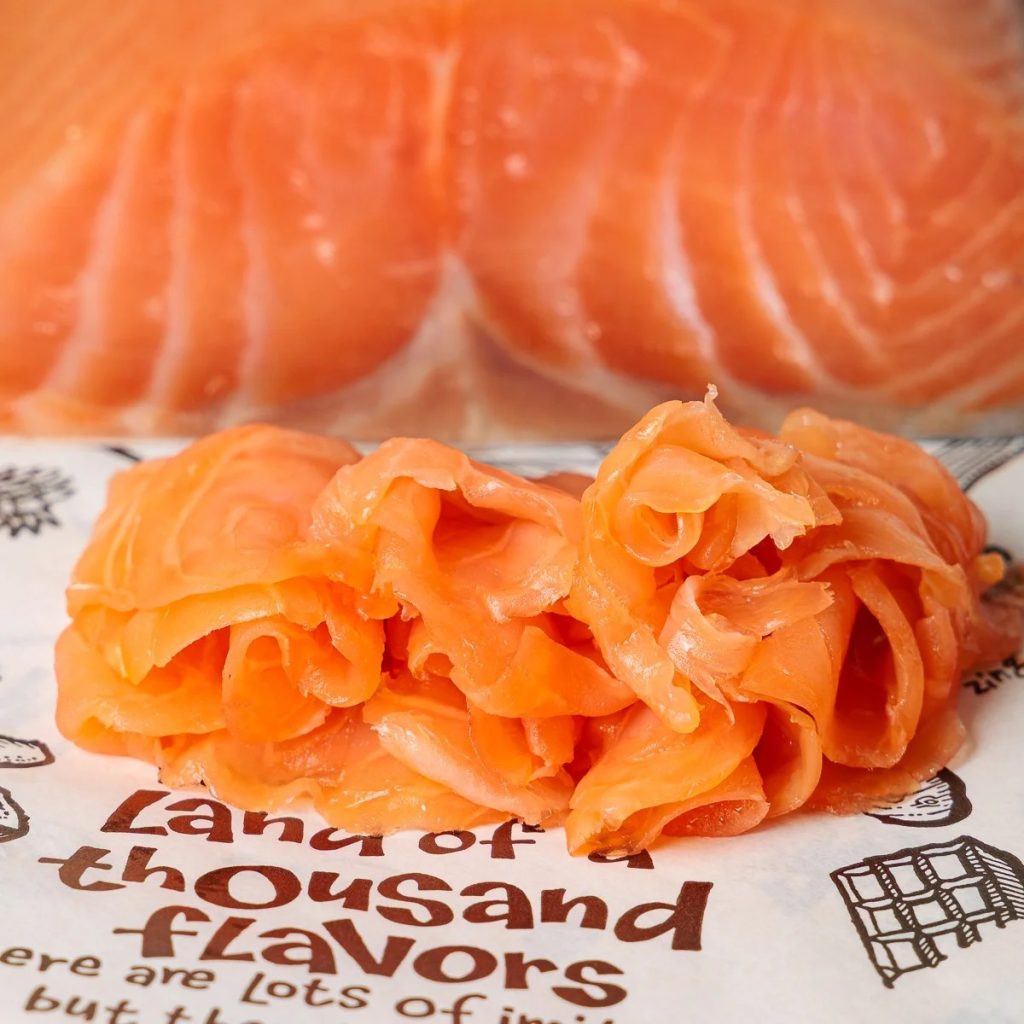
Set a tub of Zingerman’s Cream Cheese on the counter so it comes to room temperature. Do the same with an ounce or so of sliced cold-smoked salmon per person, cut into one-inch squares.
Meanwhile, crack two to three eggs per person and beat them gently with a fork. When the asparagus is tender, add the eggs to the sauté pan and stir, again gently. Add a good amount of cream cheese (to your taste) and the smoked salmon. Stir again, pulling the eggs that have set up away from the edge of the skillet toward the center. Continue on apace until the eggs are set—you can adjust the cook time to your preference; I like mine on the softer side.
Slide the eggs onto warm plates, and grate on some fresh pepper and add a sprinkle of sea salt. If you like, a few snippets of fresh dill make a great garnish, too. Enjoy with Bakehouse toast or a Zinglish Muffin—or, better still, pile it on one of the Jersey Onion Rolls we’ll be making on a Special Bake this coming weekend!
A coming together of Ashkenazi and Sephardic culinary traditions
With the holiday of Shavuot coming up in a few weeks, I’ve had the Jewish tradition of eating dairy foods and fish on my mind. I’m not sure exactly what led me to put this powerfully tasty combo together now, but I’m glad I did—it’s delicious!
Like most things I enjoy making, this one’s super simple. It reflects both the cuisine of the Sephardic Jewish Mediterranean and the foods of the Ashkenazi Jewish community of Northern and Eastern Europe.
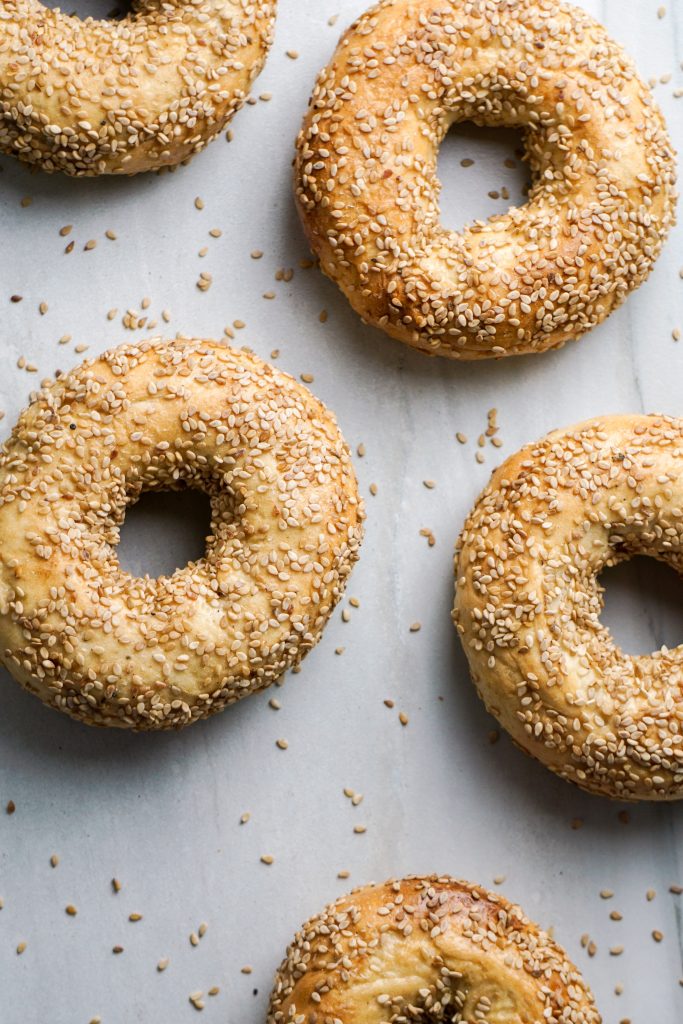
To make it, I started with one of the Bakehouse’s lovely Sesame Street Bagels, but take your pick; they’ll all be good. Toast until golden brown, then drizzle generously with one of our more delicate extra virgin olive oils—I’ve long loved the ROI oil from the Boeri family in the region of Liguria, the Italian Riviera.
Spread some room-temperature world-class Zingerman’s Cream Cheese on the still-warm bagel. Lay on some really good anchovies—as many as you like. I used the outstanding ones we get from Ortiz, from the Cantabrian Sea off the north coast of the Spanish Basque Country. I also love the anchovies from Fishwife, which hail from Spain as well but via California.
Grind on fresh black pepper and add any more vegetables you want: the pipparras pickled peppers from Spain, a couple of tomato slivers in season.
The warmth of the toasted bagel softens the cream cheese, and the creaminess of the cheese contrasts beautifully with the salty, meaty, umami tang of the anchovies. And when I think about it all culturally, I love that it’s a great coming together of the two main streams of Jewish culture in exile: the olive oil, anchovies, and herbs or capers from the Sephardic tradition, and the bagel and cream cheese from the Ashkenazi!
A meal that’s easy to make at home in a matter of minutes
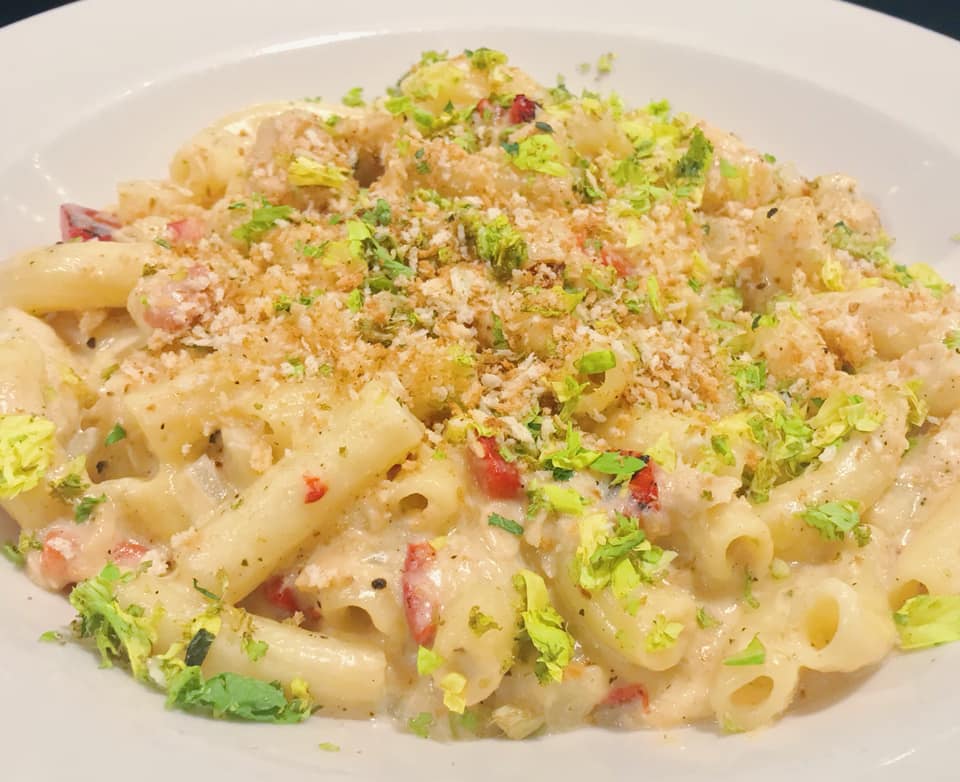
I probably shouldn’t be surprised anymore that the best ideas so often start out as silly jokes. The Pimentuna casserole began about a decade ago with a bit of light culinary humor and ended up as a classically delicious, go-to, make-at-home Zingerman’s dish.
The whole thing started when my significant other, Tammie Gilfoyle, had the good idea to mix our Zingerman’s Pimento Cheese with tuna. I tried it, and she was right: it was terrific. This grew into the highly popular Pimentuna melt sandwich that ran as a special at the Roadhouse for a while, grilled on one of my Bakehouse favorites, Roadhouse Bread.
Making Pimentuna really couldn’t be much easier. Start with a container of Zingerman’s Pimento Cheese, and mix it with roughly the same volume of really good tuna. You can adjust the ratio, of course, to fit your taste. Add salt and pepper as you like, and you’re ready to go. Enjoy it in a sandwich or as a salad!
A year or so after all that, we were still joking around—this time with the notion that we ought to turn our new mix into a Pimentuna casserole. I would be a throwback to, and a takeoff on, the tried-and-true mid-20th-century classic. This sounded a little crazy at first, too, but then it started sounding better and better … and I decided to make it, tossing the Pimentuna with the Mancini family’s marvelous bronze die-extruded, slowly dried maccheroni.
The Roadhouse crew had the great idea to seal the deal by topping the dish with a handful of Zingerman’s Black Pepper Potato Chips to add some crunch. What can I say? Killer! Comforting, compelling, and definitely worth taking a few minutes to make for lunch!
 |
|
|
|
Want more from Ari?Sign up for Ari’s Top 5 e-newsletter and look forward to his weekly curated email—a roundup of 5 Zing things Ari is excited about this week—stuff you might not have heard of! Follow us on social media: Instagram, Facebook and Twitter, @zingermanscommunity. |