Take a Zingerman’s Food Tour to Korea with Chef Ji Hye Kim
A rare chance to experience exceptional food and culture
Looking for a life-altering gift to give someone you love? Here you go!
A couple of years ago, the New York Times did an in-depth travel piece singing the praises of an in person exploration of a visit to South Korea. As writer Adam H. Graham points out, “The secrets of rural Korea are not widely known, even to many urbanite Koreans.” A Zingerman’s Food Tour with Ji Hye Kim, Miss Kim’s magical chef and managing partner, is a way to access those secrets.
Ji Hye grew up in Korea and has so much perspective to share. As Graham notes, there are “rural areas where English isn’t widely spoken,” so having someone fluent in the language, the culture, and the cooking is a huge plus. And there is a lot to visit. Here’s Graham’s recommendation: “Beyond [the capital city] Seoul’s sprawl … explore tranquil thatched mountain hamlets, peaceful Buddhist temples and unhurried ‘slow food’ towns in rural South Korea.” That’s just what this very special, limited-seating trip is all about.
Ji Hye has quietly become one of our country’s leading experts on Korean culinary cultures. She’s now one of the go-to cognoscenti that journalists call when they need insight into the exceptionally intricate, fascinating, and super-flavorful culinary traditions of the peninsula. This trip lets 15 lucky folks tap her knowledge all week, in a way that will stay with them for the rest of their lives.
There are two Food Tours to Korea in 2026. The first, set for May 11–20, has just a few spots left. The second tour is October 22–31. There are a few more spots, but not that many more. Either tour is guaranteed to give you a remarkable experience that will change your views on what is possible in Korea.
Kristie Brablec, longtime managing partner of Zingerman’s Food Tours, will be there as well to add her extensive travel experience and insight to the mix. Not long ago, Kristie interviewed Ji Hye about the trip:
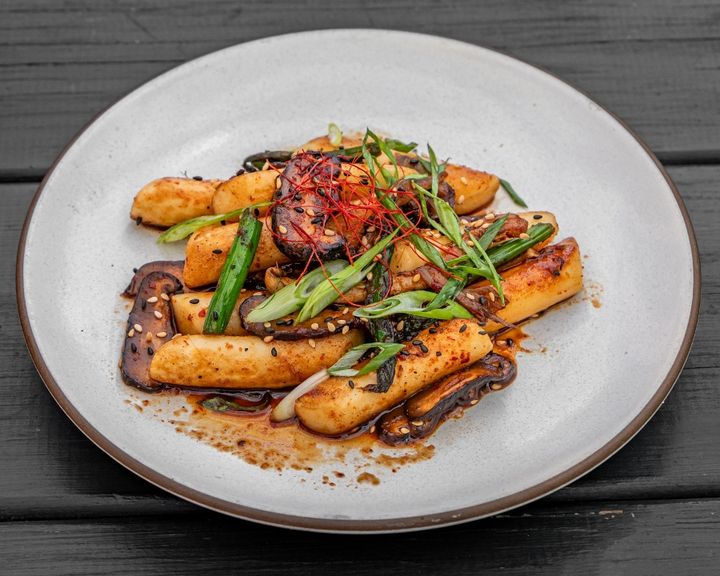
She talked about the incredible diversity across regions. She recalled following her mother and aunts through traditional markets in Seoul, learning to barter with fruit vendors and vegetable sellers, and sneaking tteokbokki from street carts when her mother wasn’t looking. There are traditions like temple cooking, the haenyeo grandmothers on Jeju Island, who still dive for abalone and sea urchin, and so many more. Even though Ji Hye grew up in Korea, she said she herself didn’t realize how varied and nuanced Korean food truly was until she returned as an adult, a chef, and a Korean American reconnecting with her family’s history.
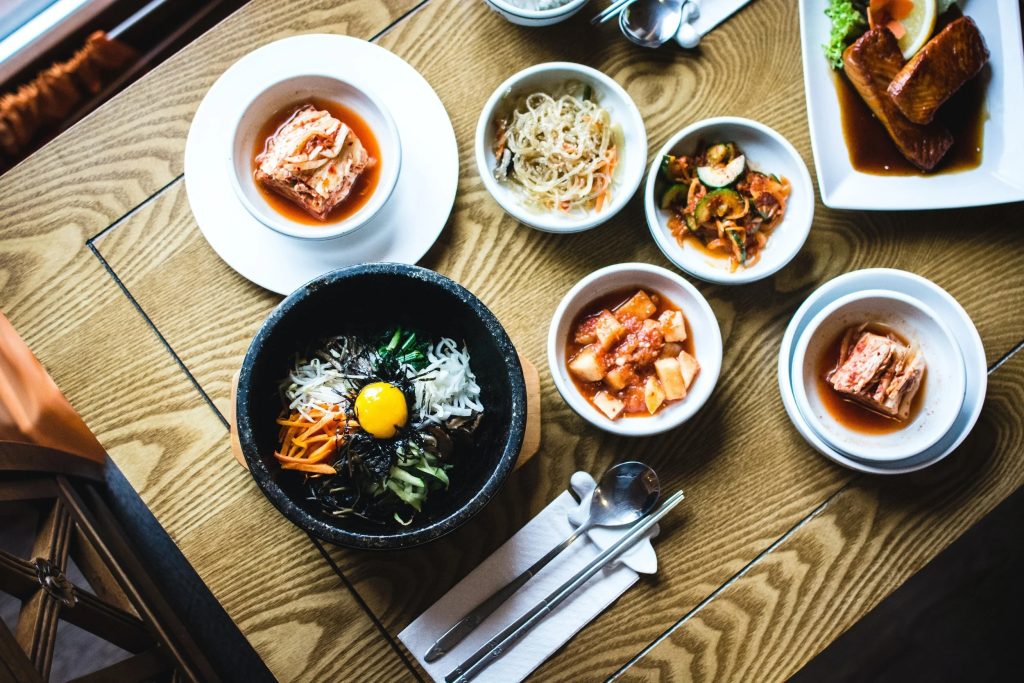
She’s most excited for travelers to taste the bibimbap of Jeolla Province. She also talked about the incredible freshness of Jeju seafood. And she lit up describing street food in traditional markets: tteokbokki, knife-cut noodles, hand-mixed bibimbap, and as many dumplings as you can manage. And perhaps most unique of all, she can’t wait to introduce travelers to a Buddhist temple lunch, where the simplicity of the dishes belies the depth of flavor created through handcrafted sauces, seasonal ingredients, and ancient techniques.
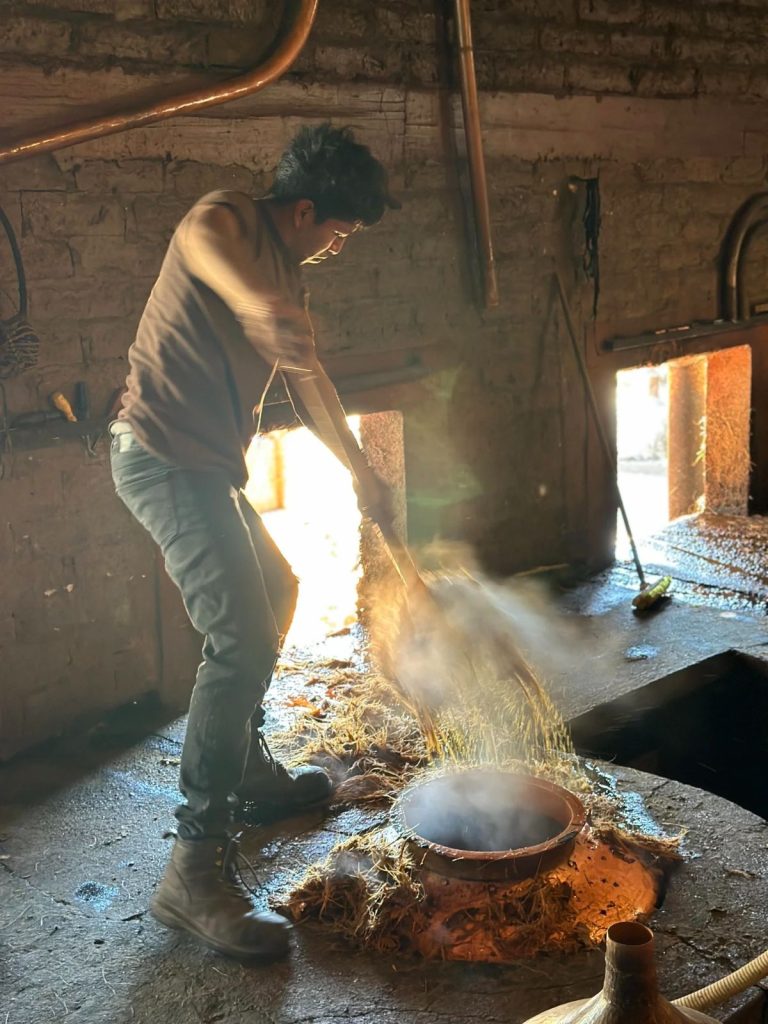
As you look at where to invest your time and money in the coming years, consider these deliciously deep dives into behind-the-scenes Korean culture. There is so much to learn, so much to explore, so much that we will never see or know without actually going. Take it from Ki Soon Do, prestigious Grand Master of Jang, the traditional fermented sauces of Korea that Ji Hye is so passionate about:
Foreigners are only beginning to understand Korea and Korean food. We want to share it with the world as a way to help preserve these old traditions.
Book now while there are still seats available. They will not last very long!
Save your spot