High-Grown Honduras Coffee from Farmer Pablo Paz
A student project brings beauty to our organizational ecosystem
It’s been over a decade and a half since Andrew Boyd first reached out to me to talk about a new project he and some other recent University of Michigan graduates were getting into. At the time, the mainstream model for coffee was all about taking—taking advantage of growers, denying them any recognition for their work, and extracting large amounts of income by roasting and selling the beans half a world away.
Andrew and his team had a vision that was quite the opposite. It was all about making! And it evolved over time into the cool co-op that is known today as Aldea. Their idea was to work with quality-oriented coffee growers in Honduras, enabling the farmers to sell their beans for a much higher price and free themselves from the mass market’s unmanageable price swings. By having Zingerman’s roast the coffee and sell it here in Ann Arbor, Andrew suggested, we could bring it back home, full circle.
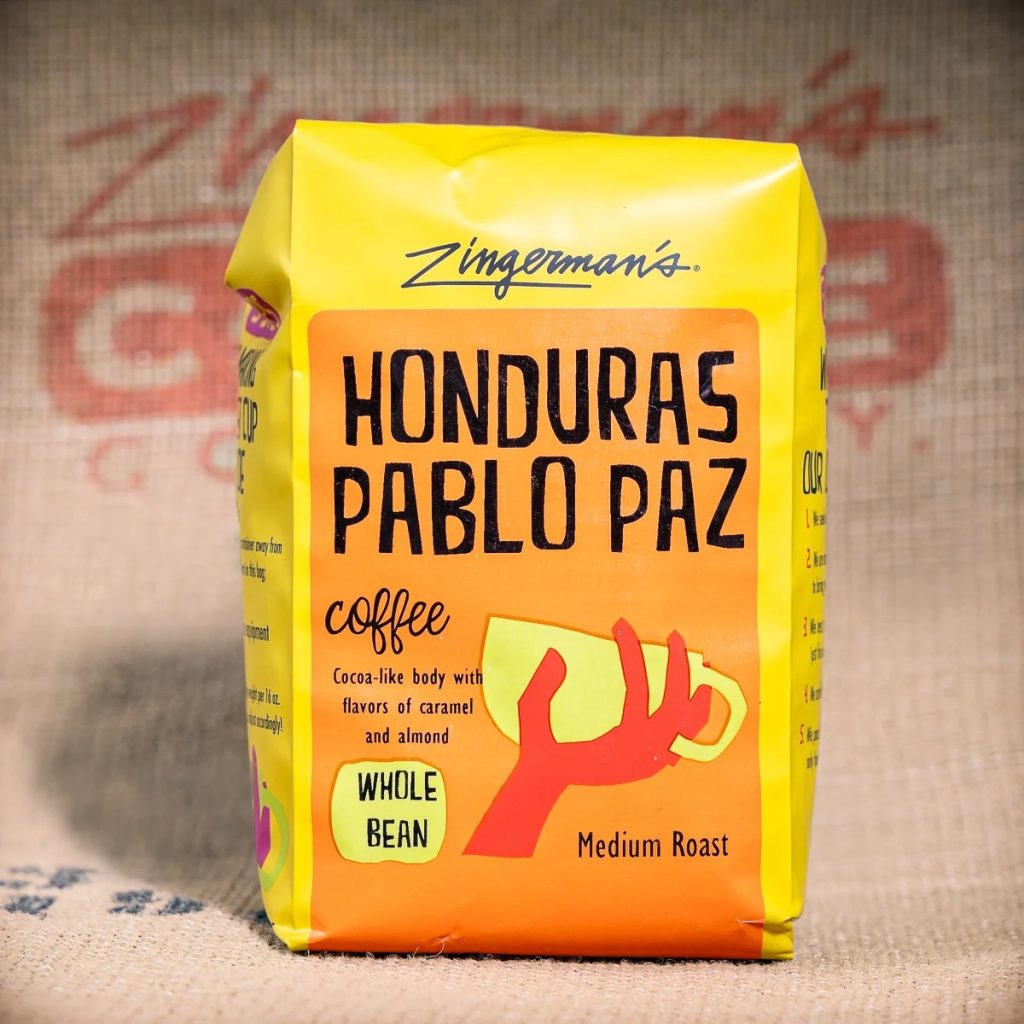
All these years later, the Honduran coffee is tasting better than ever. Right now, it’s featured as the Roaster’s Pick at the Coffee Company. The folks at the counter there say it’s “floral and juicy, with notes of cocoa.” I agree. Maybe a touch of toffee or toasted walnuts, too. I think it’s light and lovely. And I’ll say that the finish is cleaner and smoother than ever. As Coffee Company Managing Partner Steve Mangigian shared, “It shows that when you work with the producer year after year, and when everyone is committed to quality, it gets better and better each year.”
A crew from the Coffee Company flew down to Honduras 10 years ago, back in the winter of 2015, to visit. The coffee farmer, Pablo Paz, won their hearts with his commitment to quality, his family’s five generations of coffee growing, and his interest in learning and continuous improvement. When they came back, the crew shared:
Long before many folks in the specialty coffee world were paying a premium for high-quality beans or taking trips to remote areas of the world to source rare and distinct micro-lots, growing fantastic coffee was just how the Paz family operated, and we’re so lucky to have developed a relationship with him.
Pablo Paz’s farm is located in the hills outside the town of La Union, in the highlands in the center of the country. The town is doing well, in great part thanks to the attention and income that comes from being a central point for high-quality coffee.
The vision for Aldea is to “learn from members of the community” and be “a true part of the community that we work in.” The quality you and I experience in the cup comes directly from that well-intentioned, wonderfully good work! The coffee elicited a “wow” from me last weekend when I sampled an iced cold brew. Brewed with a Clever Dripper, the coffee yielded hints of hazelnuts. I love the clarity I get when it is brewed in a Chemex. There’s a delicate, nutty smoothness that resembles the flavor of a really fine black tea.
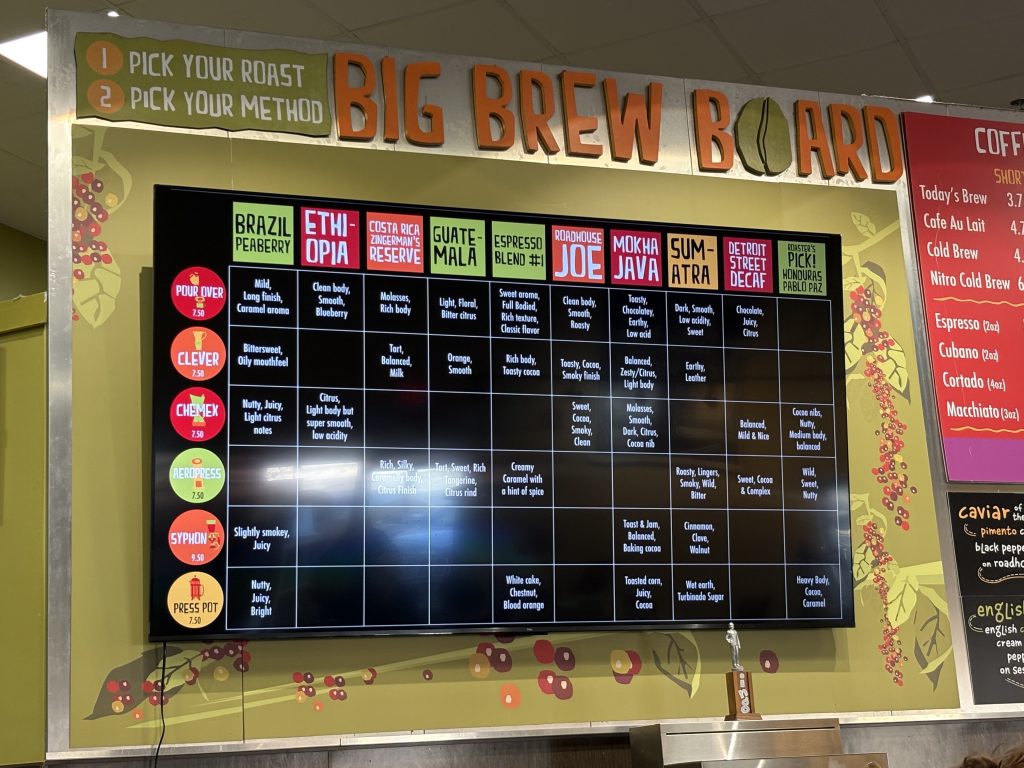
At the Coffee Company, the Honduras is currently in what we call “the third hopper,” which means you can order it—as I’ve been doing—as an espresso. As an espresso, this coffee’s got a nice, toasty flavor that reminds me a bit of graham crackers. Smooth, sweet, and clear, too. It’s so tasty that I’ve been drinking it throughout the day since the start of the month! I’ve tried it in nearly every brew method we have on the Big Brew Board, and all were awesome!
Have some Honduran coffee