Dill Pogácsa from the Bakehouse
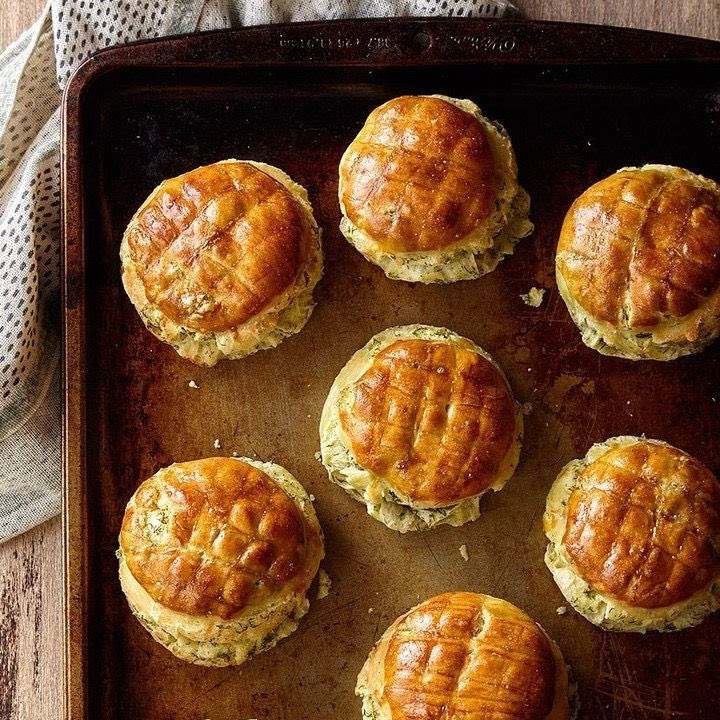
A beautiful Hungarian “biscuit” for breakfast, lunch, or dinner
In a sense, I can see now that our nearly 15-year commitment at the Bakehouse to make Hungarian baked goods one of our signatures is a strong example of a Promise Beyond Ableness—“When we aim for what we do not yet know how to do—but, if achieved, it would increase the ableness and performance of our beloved people, places, or causes.”
We made that promise back in 2010. Sixteen years later, it has played out very much as we envisioned. In 2026, we’re regularly baking about two dozen traditional Hungarian specialties, and nearly all of them have developed large, loyal followings—not only among the area’s significant Hungarian community, but also among folks like me who likely would never have known these pastries at all if we weren’t making them here.
Although aficionados have been enjoying them for years now, the Pogácsa (pronounced “poh-gotcha”) at the Bakehouse seem to have become all the rage. The word seems to have hit the street: these butter-laden, sour-cream enriched, dill-scented Hungarian “biscuits” are really, almost ridiculously, good! While they’ve been little known here—outside of our Hungarian-American communities, which know them well—Pogácsa are probably one of the most commonly served foods in Magyar culture. Mimi Sheraton lists them in her book, 1000 Foods to Eat Before You Die: A Food Lover’s Life! Thanks to the Bakehouse, you can knock the list down to 999!
Pogácsa are basically perfect little bites of buttery goodness. Made with sour cream, eggs, butter, and the layering of dough, Pogácsa are light and tender. In the marvelous, deservedly award-winning cookbook, Zingerman’s Bakehouse, co-author and Bakehouse co-managing partner Amy Emberling explains, they’re “rich and delicious rolls made in Hungary…eaten at breakfast, for a snack, for appetizers, or to accompany dinner. If you want to make a true Hungarian meal, Pogácsa are an essential component.”
The lovely green herbiness of the dill brightens up the buttery base of the Pogácsa beautifully. You can do anything with Pogácsa you would with biscuits. They’re great as they are! I also like to split them and toast them in a pan with a bit of Vermont Creamery Cultured Butter (yes, they’re already buttery to begin with, but more butter is better!) until the cut surface turns a beautiful golden brown. You can serve them on the side with almost any meal, morning, noon, or night. Use them to make Pogácsa sandwiches—a little bacon or sliced ham would be great. I like them with bits of cured ham like Prosciutto di Parma or cured, smoked, Speck—it takes about 20 seconds to put together, and it’s a truly terrific culinary combination.
They’re excellent as well to put a fried egg on, sprinkled with a pinch of hot Hungarian paprika. If you like, smash a just-cooked small potato onto one side of a split Pogácsa—sprinkle it with salt, pepper, olive oil, and a bit of Hungarian paprika and you’ll have a lovely hot potato and Pogácsa sandwich. Pogácsa are particularly good with the Liptauer cheese, and they’re also great with butter and anchovies or cream cheese and sardines. They’re also good with sweets—I’m really happy eating them with a combo of butter, honey, and black pepper. Or try one spread with our great artisan cream cheese and honey.
Stop by the Bakeshop and put a Pogácsa in your pocket! If you’re thinking of serving them for a big gathering, I’d suggest ordering ahead so we can make sure to have enough ready for you! One guest bought four dozen of them the other day—I believe Pogácsa have the potential to become, as they already are in Hungary, as popular as buttermilk biscuits that we make at the Roadhouse. They’ll be on special for the rest of February!
Pre-order Pogácsa