Italian Speck Alto Adige at the Deli
Sensational smoked, cured ham from the Sud Tyrol
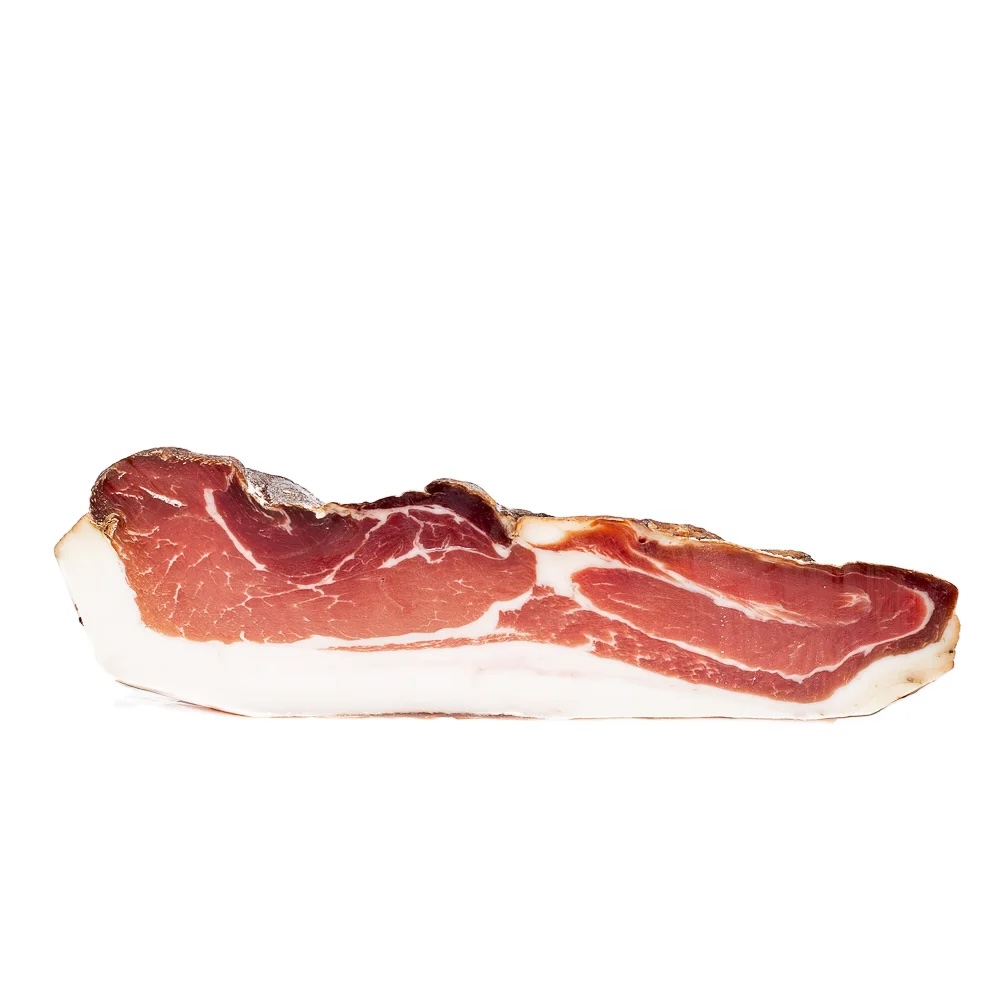
While Prosciutto di Parma rightly wins raves all over the world, and while American country ham has gained great attention in the last few years, there are traditional regional “country hams” to be found in almost every part of the world that eats pork and has a temperate enough climate to cure a ham properly. Little known outside its home region, speck is the unique cured country ham of the Alto Adige region in the Dolomites, near the Austrian border. It’s a lightly smoked and lightly spiced cured ham that you enjoy however you would any other cured ham.
The speck process is unique to this particular ham. Unlike with other dry-cured hams, speck makers take the bone out of the fresh hams before the pork is cured and rub them with spices before aging and smoking. Exactly which spices they use is a closely guarded secret that no ham curer seems willing to divulge. Speck smoking is always done at very low temperatures so that the meat is never cooked, but simply seasoned, by the smoke. Hold a freshly cut slice up to your nose, and it smells sweetly of smoke and subtly of the spices used to cure it. Taste it, and you’ll work your way through layers of flavor. First, there’s the spice—a bit of pepper, some juniper, and additional secret spices—which brings a liveliness (almost a touch of the medieval!) to the experience. This is followed on the palate by the smoke, and then, beneath all that, you come back to the light and delicious pork. It reminds me of eating great smoked salmon in the way the fat and the spice spread nicely over the tongue and linger.
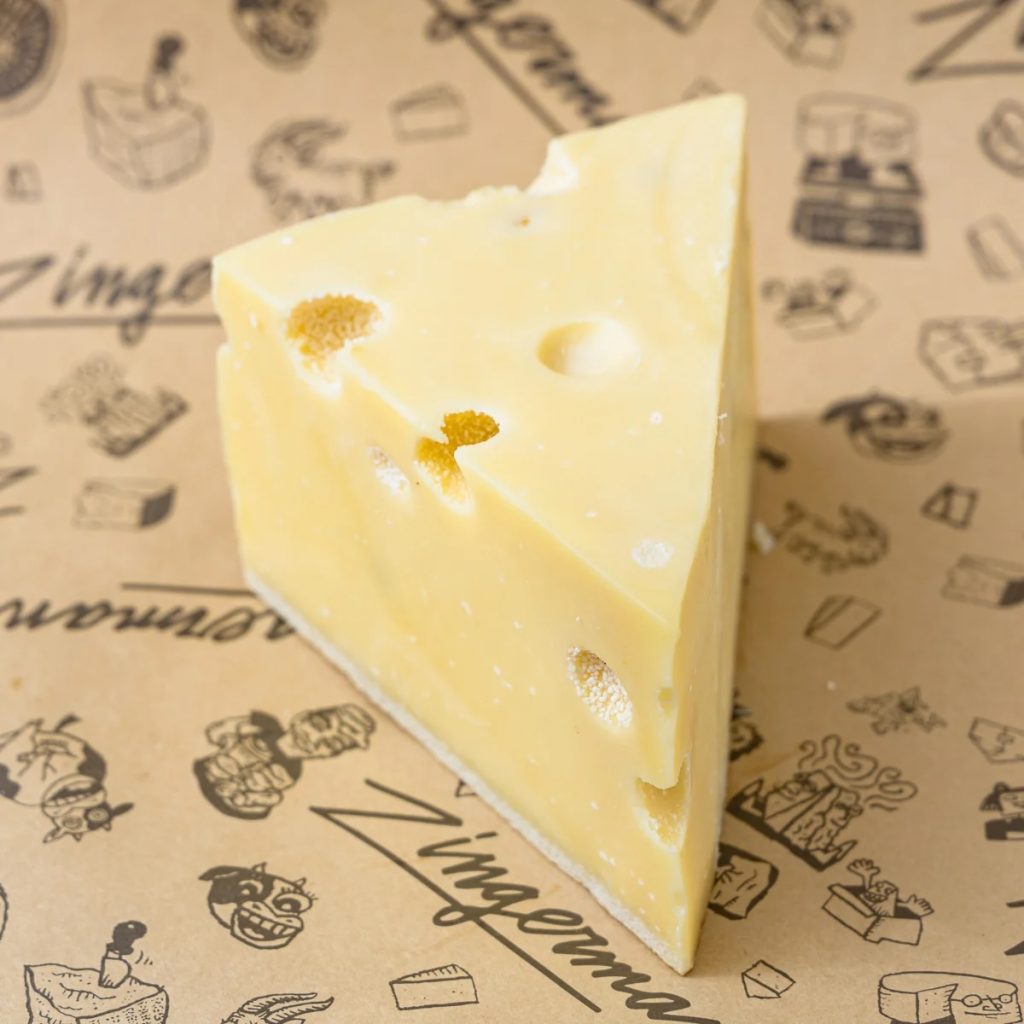
Speck goes well on buttered slices of any of the Bakehouse’s excellent breads, but particularly the Vollkornbrot (read on for more), as well as Country Miche, Roadhouse, or Farm bread. You could also make that stellar sandwich I wrote about last week—cured ham and Emmentaler Réserve cheese on a fresh Bakehouse baguette spread generously with Vermont Creamery Cultured Butter.
In its home region of the Sud Tyrol, speck is utilized a fair amount in cooking, too. Small pieces of speck are used to season soups and sauces, or chopped and added to salads, noodles, or rice. I like it eaten alongside slices of melon, fresh pears, and apples. (But don’t wrap the ham around the fruit—it will absorb the fruit’s juice, ruining the ham’s texture.) It pairs really well with mountain cheeses—the Comté from France and the Emmentaler Réserve from Switzerland are both at the top of my list this month—and is terrific paired with those Rancho Meladuco dates. It’ll also be a fine culinary companion when asparagus hits the market in a couple of weeks!
Snag your slices
P.S. Remember that when you eat cured hams like speck, they’re radically more flavorful when you don’t serve them straight out of the icebox. This truly makes a big difference—just as it does with cheese, cake, pie, wine, or most anything else.