Colombian Coffee from Café Femenino
Craft coffee from one of the classic regions of South America
Back around the time we opened, one of the most effective marketing campaigns in the U.S. was about coffee. In an era when the whole country was getting its news from the same three or four national TV programs, one could, in theory, spend a lot of money on a national ad campaign and, within a few months or years, make a major impact. That’s the story of one Juan Valdez! Twenty-five years ago, surveys showed that the fictional Valdez—the ad-company-created “spokesperson” for Colombian coffee—was recognized more than far bigger brands, like Nike and Michelin.
What we have at Zingerman’s Coffee Company is decidedly the opposite approach. Rather than banking on the regular appearances of a made-up character created in a studio, we count on the very real efforts of very real Colombian women dealing with real-life plants and problems to produce some of the best coffee you can find anywhere, including the uncommon varietals of Caturra, Colombia, and Castillo.
The Cauca region is in the southwest of the country. These traditional Andean lands are a great place to grow coffee: the altitude of 5,000-6,000 feet above sea level keeps temperatures cool enough to nurture quality and complexity, and the volcanic soil means richer flavors. Unfortunately, the region is also where government forces and rebels are currently going at it—which makes it all the more important that we support these values-focused women farmers from afar with our purchases. Our investment also supports the development of the indigenous people of the region, the Guambiano or Misak.
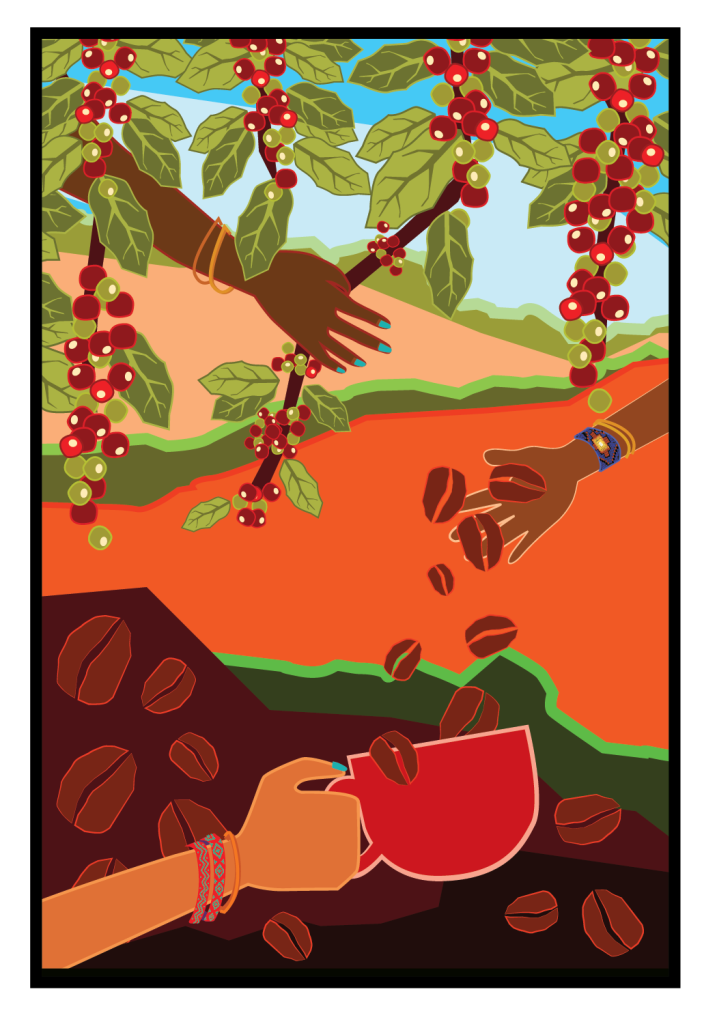
The CoSurCa co-op (Cooperativa del Sur del Cauca) was founded 22 years ago, in 2004, as part of an effort to provide Colombian farming families with meaningful income and an alternative to planting drug crops. Similarly, its partner Café Feminino Colombia is a sustainable and effective program designed to help shift power in the region to women farmers. Initially, lack of confidence and discomfort around breaking social norms held many of these women back; slowly but surely, however, more and more have taken advantage of the program’s training in leadership, regenerative farming, and other areas.
Today, Café Femenino Colombia supports 438 of CoSurCa’s female coffee producers, who uphold the highest standards of quality and sustainability. The Coffee Company is proud to help empower these women, and a portion of the proceeds from this coffee go toward sponsoring a project to bring internet capabilities to their community.
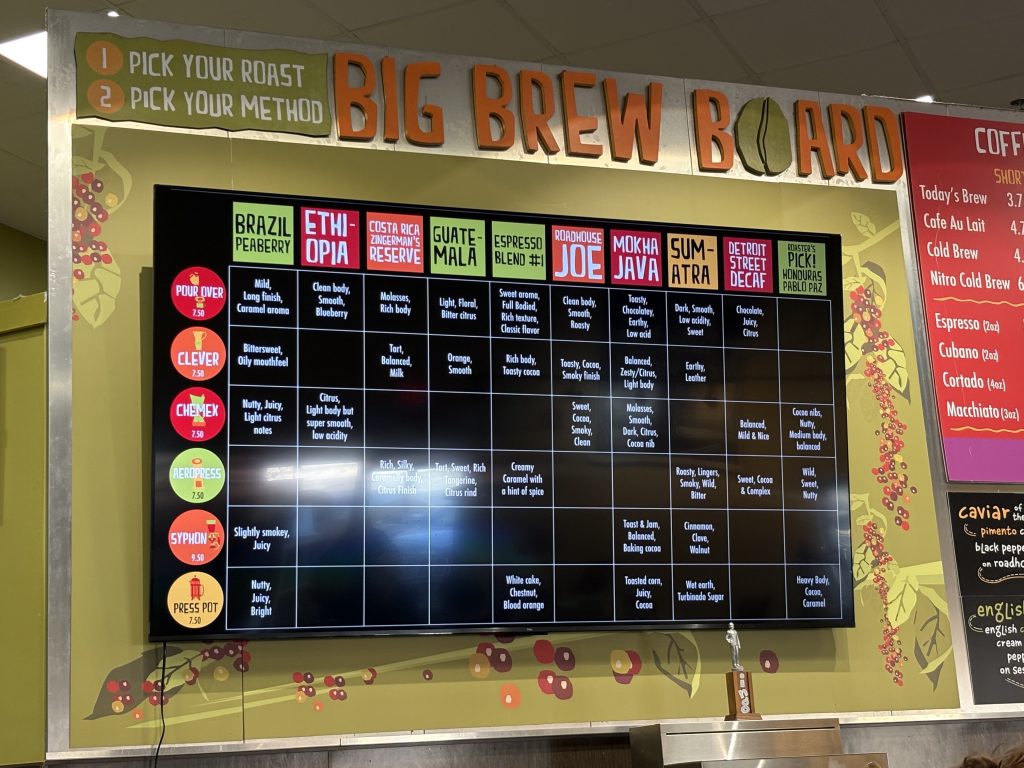
One of the beauties of the Coffee Company is, of course, that we can brew the same beans with so many different methods, and each yields its own distinctive flavors. When we brew it in the urn—as you can enjoy it every day this month at the Coffee Company and the Roadhouse—the Colombian coffee is, according to the crew, “milk chocolate, crisp, silky smooth.” The pour-over method produces a cup with a classic, clean, lively Colombian profile including plenty of high notes, while the immersion brewer’s is complex and syrupy. The AeroPress emphasizes more body and cocoa, the Chemex is especially chocolatey, and the press pot is surprisingly light—the Coffee Company baristas describe it as “smooth and juicy, with lots of high notes that remind us of green apple.”