Rolando Beramendi’s Fresh Spring Vegetable Soup
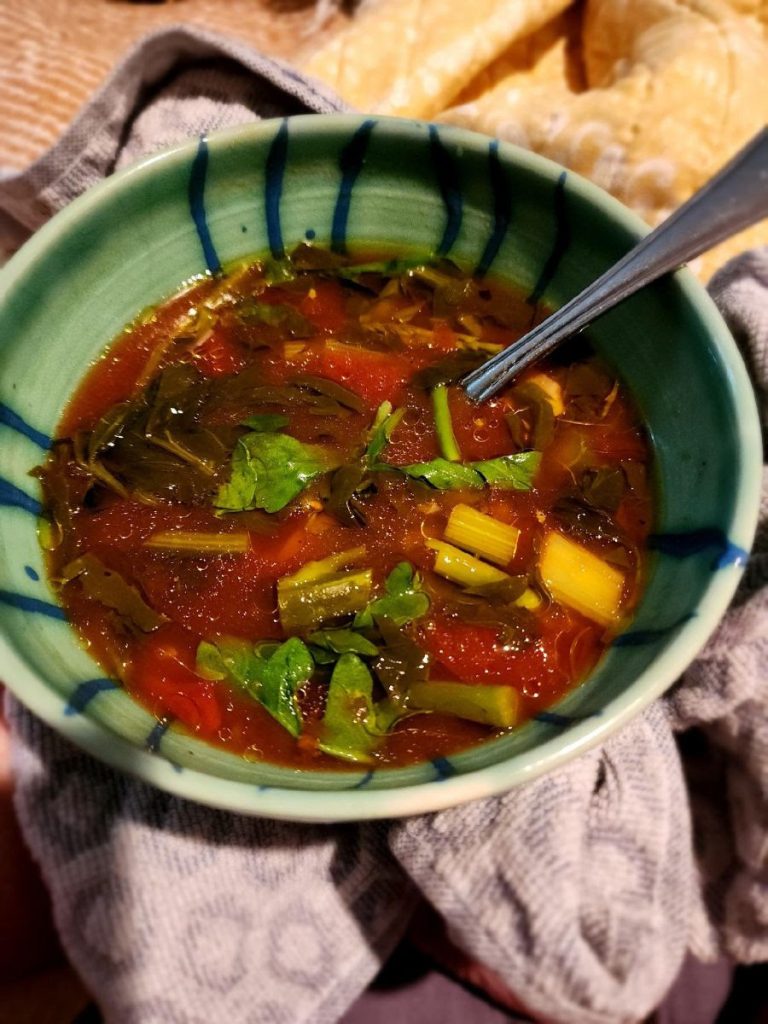
A lovely, gentle “green minestrone” to make at home
As the seasons change even here in Southeast Michigan, I was reminded of a wonderful fresh vegetable soup that my good friend Rolando Beramendi, the Italian fine food importer, cooked for Tammie and me at his Florence apartment in the winter of 2021. We were a year into the pandemic, but things seemed to have calmed enough by March for us to make the trip to Italy. A highlight of the whole experience was visiting Rolando—and this soup! (It was also during this trip that he turned me on to the amazing IASA peperoncino, now a staple at our house, the Roadhouse, and hundreds of other spice-loving houses around town.)
Many Americans have an image of minestrone as a standard-issue vegetable soup of little culinary importance, often made to use up veggies that are about to go bad. What Rolando has written up in his fantastic book, Autentico, is actually the opposite of that sort of stereotypical minestrone. Instead of being thick with beans and vegetables, it’s a lovely, light, brothy way to feature the season’s best veggies—in fact, the quality of the vegetables is what it’s all about!
The soup really is remarkable. The freshness of the flavors makes it so delicious that it’s been on my mind ever since I first tried it in Florence. The recipe for “green minestrone” is in Rolando’s book, and I recently made it in just a little over half an hour. It was so good, and so easy to prepare, that Tammie decided to make it again two days later!
In Autentico, Rolando does the soup in two steps: making a quick vegetable broth (which you can freeze if you like), then simmering it with an array of other fresh vegetables. I brought the two parts of the process together, simply starting the soup as soon as the broth was done.
The broth is made with large tomatoes, cherry tomatoes, parsley, garlic, basil, scallions, and sea salt. Since there are no good tomatoes to be found in the spring in Southeast Michigan, I used a half dozen terrific canned Italian plum tomatoes.
To follow Rolando’s recipe, start with six cups of fresh water, then add the tomatoes, herbs, scallions, and salt. (In his book, he writes about learning to toss in fresh tomato leaves to enrich the broth, but then again, he lives in Florence … and most of us do not!) Bring to a boil, reduce the heat, and simmer for about 10 minutes. I added the cherry tomatoes—which I sliced in two to release their juices—about halfway through. You can strain and freeze the brodetto at this point if you like, to have it on hand for future cooking. Or, as I did, you can push ahead and prepare your dinner!
To make the soup, you’ll want a wide range of fresh seasonal vegetables: celery (if it’s local and really good), fresh herbs, plenty of flat-leaf Italian parsley, zucchini, etc. Here’s what I use: a lot of very coarsely chopped fresh parsley; chopped fresh, tender spring turnips and their greens; fresh basil; fresh thyme; fresh spinach; a little local lovage; some broccolini (the stems went in before the flowers); and, naturally, asparagus when it starts coming in (any minute now around here). Plus some sea salt. Rolando likes scallions, but I pass.
You, of course, can add anything you want. The key is the quality of the seasonal vegetables and, as per Rolando’s recipe, a relatively short cook to highlight their freshness. Rolando writes that the only “rule” is not to cut everything to the same size before boiling until tender in the brodetto. It’s all about the “textures and surprising bites with every spoonful.”
As soon as the soup is ready, add a bunch of freshly ground Tellicherry black pepper and serve it in warm bowls. Garnish with a good bit of full-flavored, fruity Tuscan extra virgin olive oil—which is an important ingredient, so be generous! Put the pepper grinder on the table, too, for those (like me) who enjoy a lot of it. Rolando recommends serving the soup with focaccia, which is easy for us here since the Bakehouse’s has been really lovely of late. The soup also does reheat pretty well, so don’t be afraid of leftovers.
(Rolando’s recipe for this spring minestrone uses no cheese, but I have seen many others—including one from Rolando’s and my friend Elizabeth Minchilli—that do suggest either adding a piece of rind to the broth while it’s cooking and/or grating some Parmigiano Reggiano atop each bowl when you serve the soup. It’s good that way as well, but I prefer the fresh simplicity of Rolando’s approach—great vegetables simmered slowly with water and sea salt, and dressed with full-flavored olive oil.)
Shop for supplies