
Tag: ARI WEINZWEIG
A unique process makes for a marvelously magical flavor!
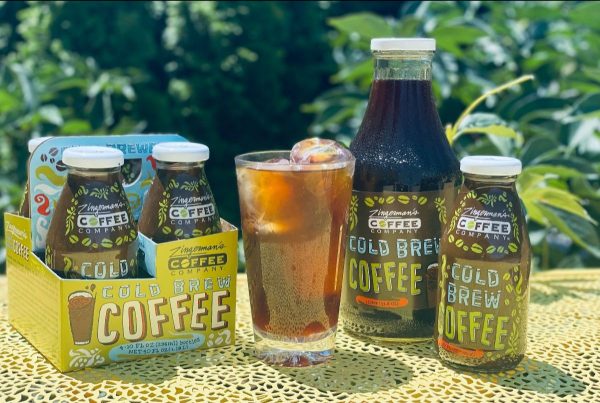
If you’re looking for a good way to wake up and fight the summer heat, pick up a bottle or six of this super tasty, very special Cold Brew from the Coffee Company. More and more people have told me they keep it regularly stocked in their fridge to pop open for their morning drive or to wake up and cool down on a hot afternoon. Steve Mangigian, Managing Partner at the Coffee Company, spent years working to perfect this recipe. It’s allowed us to do a cold brew of our coffee, one that doesn’t need refrigeration while it’s sealed in the bottle.
Matthew Bodary, who’s worked in the ZCoB for 11 years now (and served as one of our first Staff Partners) shares:
I have seen over the last few years that some switch to cold brew and never look back! We have folks who in the dead of winter and an inch of ice coating everything still come in and get a large cold brew or nitro cold brew. For some, it’s about the big caffeine hit (I count myself among the guilty on this point) but for others, it is about the different taste you get through the cold brewing process—overall smoother, fewer natural acids (which some perceive as “sourness”) and less bitterness. For those sensitive to the sharper, more intense flavors in coffee, cold brew, especially with a bit of milk, can be a more rounded, smoother experience.
All of Steve’s hard work has paid off in the form of a great product. He says:
Many companies make cold brew to get rid of beans that they can’t use to brew hot. We have been making it for the entire history of the company and so have always used only our high-quality single origins as the basis for our brew. I think when we say, “You really can taste the difference,” it’s very true here. Many simply sell cold coffee that’s been brewed and call it “cold brew” but naturally it has not gone through that long steeping process which is what hooks people.
What makes the Coffee Company’s taste so good? For starters, using better beans. A lot of packaged cold brew work is done to use up subpar offerings that might not make it on their own. Steve selects with the idea of making the cold brew one of the tastiest things we offer. And using a higher proportion of coffee to water. Many cold brews can be a bit pallid—the Coffee Company’s is much bolder, ready to be poured (if you want) over ice or have cream and sugar added, without ever losing its identity. More than a few have started concocting cocktails using the cold brew as the base! Since it’s shelf-stable, there’s no reason not to stock up a lot of it! Why run the risk of running out right? It could just be one of those small things that takes your quality of life to the next level!
You can get the Cold Brew at the Coffee Company, Deli, Bakeshop, and Roadhouse! We’re happy to ship you some too!
Want more from Ari?
Sign up for Ari’s Top 5 e-newsletter and look forward to his weekly curated email—a roundup of 5 Zing things Ari is excited about this week—stuff you might not have heard of!
Tag: ARI WEINZWEIG
Why making a difference is as important as making a sale
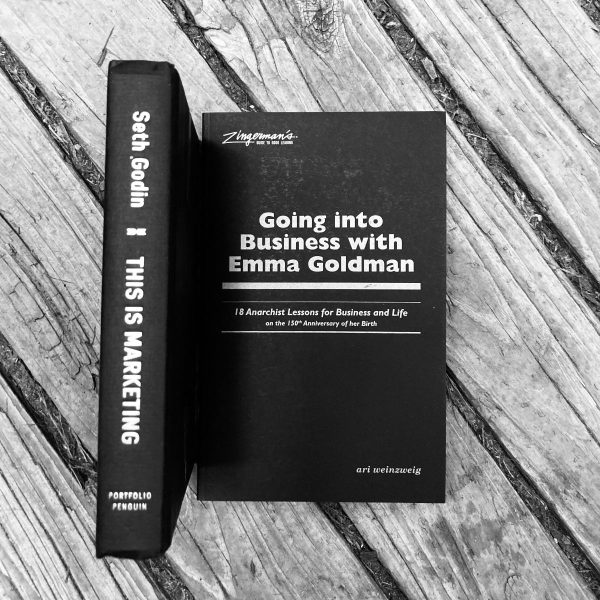
This past Monday, June 27, was the 153rd anniversary of Emma Goldman’s birth. Emma was born in Lithuania, the same small country that’s now the home of artist and author Monika Vaicenavičienė (author of What Is a River?), about whom I wrote a few weeks ago. Goldman arrived in the U.S. at the age of 16, a couple of days after Christmas in 1885. Within a few years, she had become a big believer in anarchism. By the time she was 20, Goldman was speaking to audiences of over a thousand (mostly men, in that era), advocating passionately and effectively for social change. In the course of the seven decades of her life, Emma Goldman had a huge impact on millions here in the U.S. and around the world. She definitely sought, and got, a lot of attention; both the police and the press followed her pretty much everywhere, and she was, without question, the leading voice of anarchism in North America. Goldman’s ability to connect, communicate, and make a difference made her one of the most prominent—and controversial—public figures of her era. Historian Paul Avrich wrote:
A born propagandist and organizer, she championed a wide range of unorthodox causes, from women’s equality, sexual liberation, and birth control to labor activism, [anarchist] education, and artistic freedom. Strong in her opinions, hot in her sympathies, she was a powerful orator who toured the country restlessly, incessantly [including regular visits to Ann Arbor], selling vast quantities of radical literature and raising funds for the anarchist movement, of which she was a leading representative.
Emma Goldman was remarkably wise, well-read, wonderfully witty, and well-spoken. While her delivery was inspiring, it was the content of her work that was so significant. Emma was all about change—changing the way society was structured; changing beliefs about human beings, about women’s rights, about freedom; and changing the lives of those with whom she was sharing her thoughts for the better. Given how many times she spoke out against war, and in favor of women’s rights, women’s reproductive health, the dignity of every human being, and that she wrote a book entitled My Disillusionment in Russia way back in 1923, we could use her voice out in the world right now.
I don’t imagine Emma Goldman would have thought of herself as a marketer, but, in the best possible way, she was a master at it. This belief is based on a very different view of marketing than popular opinion might offer, but it’s an approach that I believe underlies the work of any effective leader and their organization. They aren’t just selling a lot of stuff—they’re making a positive difference in the process.
If you were to ask a series of random people what marketing is, the majority would probably answer that it’s mostly about getting people to pay attention—advertising, Instagram likes, Google AdWords, and the like. Marketing, cynics might say, is merely slick tomfoolery; at its worst, a form of deception or disingenuous trickery. Catchy slogans, celebrity endorsements, cute quotes, and eye-catching imagery that can subconsciously lead people to shift their purchasing patterns through social media … or if you have a big budget, a Super Bowl commercial. While there are clearly many examples of that happening all day, every day, I take a different approach. For me, marketing is, referencing what Emma Goldman’s life-long compatriot Alexander (Sasha) Berkman once said about the wholly inaccurate popular perceptions of anarchism, “the very opposite of all that.”
Good marketing, as I’ve engaged with it, has never been about tricks. Instead, it’s about treating people to the truth. It’s about doing our work in ways that help our customers, our coworkers, and our community—all of which, we hope, will also help keep us in business in the process. Marketing, in my mind, has always been about leadership. Good marketing is about meaningful content, making a difference, and sharing stories of stuff we believe in. This is what Emma Goldman did with power and grace at the turn of the last century. And, as I reflect on it now, it’s what we’ve been doing here at Zingerman’s for 40 years.
It’s also a lot of what Seth Godin writes about so powerfully. I’m not sure when and where the first of the 20 or so books Seth has written entered the river of Zingerman’s history, but I do know that over the years I have read a lot of them. From my initial encounter with his work, Seth’s writing resonated with me. In part, because what he says is already aligned with my worldview and my beliefs about business. And also because his work helped lead me to see things more clearly. He helped me towards a better understanding of why the commonly-held belief that marketing is about slick ads and big budgets was totally wrong. In the same way that people like Emma Goldman said what they believed in ways that connected with the spirit and soul of those who were ready to hear her messages about social change, over the years at Zingerman’s we have helped many people to change their beliefs about what makes great food, to alter the way people eat, and to change their understanding of what good leadership and good business are all about. What we have worked to do is very much as Seth says in This is Marketing:
Marketers make change happen.
That’s the work. Not to run ads, not to sell crap, not to invent hoopla.
Marketing makes change. If you’re not proud of the change you’re making, do something else. …
The other kind of marketing gets a bad rap, and that’s well deserved.
But real marketing, the marketing that makes things better by making better things—that’s what we need more of.
Putting the various pieces of this piece together, there’s something poetically powerful about the parallels between the work of Emma Goldman and Seth Godin. Emma demonstrated that to make meaningful social change one had to effectively market their ideas; Seth shows that marketing done well means making change happen. Both Emma and Seth are exceptionally smart, both are willing to walk their own path despite pushback from the mainstream, both have used wit and humor to enhance their messages, and both have repeatedly shown themselves willing to say what they believe needs to be said even if it’s not what most of the world wants to hear. While they start, in a sense, in very different places—Emma on anarchism, Seth about business—the two still come together in the most positive way in the importance of making lasting change that makes a meaningful difference in the lives of the many. As Seth writes:
Marketing is driven by better. Better service, better community, better outcomes.
Most of all, marketing is change.
Change the culture, change your world.
Marketers make change happen.
This, I believe, is true whether it’s Zingerman’s, you or me, Emma Goldman, Seth Godin, or any of the many other great leaders who effectively convey constructive messages. There are certainly leaders who market messages with which, as you already know, I am not aligned. While they are also good at marketing, the intent of their work runs counter to the care, dignity, inclusion, community, and loving leadership we work hard on here. As Seth says, marketing means, “To make things better. To cause a change you’d like to see in the world. To grow your project, sure, but mostly to serve the people you care about.”
When we opened the Deli in 1982, I knew a good bit about Emma Goldman, but I hadn’t yet heard of Seth Godin. Intellectually and spiritually, though, without ever having communicated, Seth and I were thinking in surprisingly similar ways. The point of the work we’ve been doing at Zingerman’s since day one has been to make a positive difference. Yes, of course, we have been driven by making, selling, and serving full-flavored food and providing an exceptional experience. And at the same time, the subtext has also been to help those who were interested to understand why the traditional full-flavored foods we were making were so different from what most everyone else out there at the time was offering.
Marketing, to me, is every single thing we do. Yes, it’s this enews, and it’s also the energy that you experience when you walk into any of our businesses. It’s Ian Nagy’s amazing illustrations in the Mail Order catalog, and it’s also the independent thinking that so many ZCoBbers model every day. It’s “corporate image,” and it’s also consensus decision-making. It’s what we do online, and it’s also me teaching the Welcome to ZCoB orientation class for new staff that I did again a few days ago.
I was thinking of giving an example here of how our marketing at Zingerman’s evidences this sort of difference-making, leadership mindset. The products and projects I write about here prove the point. Last week’s look at putting better chocolate into the Townie Brownies, the deep commitment of the Marqués de Valdueza to community and quality, Foley’s Bay of Fundy salmon, and the deep educational engagement with Irish culture through our Food Tours all fill the leadership bill. None of them happened as a direct result of surveys or customer comments. They are products and changes we—and those who make them—believe deeply in. They are offerings that benefit you as the user, and they also have the power to help change you, me, and the people who produce them all for the better.
Isn’t it important to increase sales, though? Of course! In the context of the metaphorical organizational ecosystem, we clearly need minerals (money) to make our cultural soil healthy so things will grow. But minerals are not the main point. Selling for the sake of selling is fine, but it’s not, as I have experienced it, enough. The main point of marketing is to make a difference, which is also the main point of leadership: when we do our marketing work well, it helps us make a meaningful, positive, lasting difference. Meaningful work makes good marketing. As Seth Godin says, “Work that matters for people who care is the shortest, most direct route to making a difference.” Doing work in this way works. Yes, we have to pay the bills, clean the coolers, do deliveries on time, and all the other things too. Still, as Seth says,
The truth is that most brands that matter, and most organizations that thrive … grow because users evangelize to their friends. They grow because they are living entities, offering ever more value to the communities they serve. They grow because tribes coalesce around the cultural change they’re able to produce.
There are many amazing people out in the world leading in this way. Unlike Seth Godin, Maria Popova is probably not someone who comes quickly to mind for many people if I ask them about marketing. And yet, I would suggest the inspiring work that Popova does with her enews The Marginalian (it was known as Brain Pickings for many years) is, to me, a wonderful example of leading through marketing. I’ve been reading it, learning from it, and loving it for years. The Marginalian markets the value of insight, beauty, and meaningful connection. It markets the importance of reading, the value of poetry, and the inspiration of great art. The Marginalian is marketing for making a dignified difference in the world. Maria Popova’s pieces are odes to research and to thoughtful and thought-provoking work. She doesn’t run catchy ads promoting reading; she just makes you want to read. She does no advertising; her market spreads, like ours, mostly by word of mouth. Her first issue came out in 2006, and now goes out to large numbers of readers every week. The quality and complexity of her content is, for me, incredibly insightful and compelling.
Will everyone be influenced by what Maria Popova produces? No. As Seth Godin says, great marketing isn’t about selling our product or service to everyone. If we try to, we end up, inevitably, in the middle of the road, where meaningful differences are not made. Seth steers his readers in a different direction. Don’t go big, he says: “Begin instead with the smallest viable market.” Where so much of the mainstream focuses on selling (or saying) stuff that, to my view, doesn’t matter all that much, Maria Popova does the opposite. What she writes advocates substance, study, reading, writing, and reflection. Maria Popova’s work encourages us to go deeper and to think deeply, much as Emma Goldman’s friend Freda Diamond once said of Emma: “She opened your mind and made you think about things you never thought about before. That was her outstanding characteristic. She made people think!” At Zingerman’s we feed people, and work hard to feed them well. At the same time though, we sow the beginnings of new beliefs. As Popova writes: “We make things and seed them into the world, never fully knowing—often never knowing at all—whom they will reach and how they will blossom in other hearts, how their meaning will unfold in contexts we never imagined.”
Marketing, to be clear, in my mind, includes every interaction we have as part of our organizational work. As Seth Godin says: “Marketing is everything—it’s how you answer the phone, the prices you charge, what you do for your employees, your ability to exceed expectations, and much more.” Here’s an example of this marketing. I heard it from Stephanie Lieber, a U of M alum who drove from Chicago to attend ZingPosium last week. She stopped me to share how she had first engaged with our ecosystem so many years ago. It had nothing to do with advertising; Stephanie’s story centered around a young man that neither she nor I actually know:
It was about 1996 and my dad was in town for a football game. That always meant there’d be at least one stop at Zingerman’s. We had been waiting outside in line for about 20 minutes before we got inside the hallowed halls. As we were awaiting our turn at the register, a curious young teenager in front of me in line poked his dad and pointed to the shelves of vinegars. He quickly pointed at an expensive one (I think around $125ish—almost 25 years ago) and gasped, “Can you believe anyone would charge that much for that tiny bottle of vinegar!” The teen was loud enough for me to hear it, but apparently also loud enough that the guy working behind the cheese counter also heard. Without missing a beat, he came from behind the counter and approached the teen. He said, “I know it seems like a lot, but it really is worth it. I have tried it and I know it is. And I am going to open it and I want you to try it so you can see, too.” Everyone stood around incredulous—was this guy really going to pop open an expensive bottle of balsamic so this mouthy young kid could taste it. Well, he did and we all tasted it, and after the kid exclaimed, “Wow—it really is that good.” I’d like to believe I immediately equated that small gesture with extreme customer service, but mostly I was intrigued that the Zingerman’s staffer had the confidence to do something like that. I have thought about that moment hundreds of times in my own work—when, how, and where I open that bottle of balsamic—and tried to remember how valuable those small gestures are.
The young man’s father, not surprisingly, did not buy the balsamico for him. Nevertheless, the interaction had a huge impact. Stephanie’s worldview, her beliefs about business, and the world were altered by this spontaneous act of leadership from the staff member working that day. She bought our belief in teaching everyone here from the minute they start to think like a leader. She bought our positive belief in people that tells hourly staffers to go right ahead and do the right thing without having to ask permission. All these years later, Stephanie runs a non-profit in Chicago called Imerman Angels that generously changes lives by matching cancer survivors with current cancer fighters as mentors. She, too, is making a difference. Stephanie remains a big Zingerman’s promoter. She’s currently reading the new pamphlet on visioning, and I hope that maybe visioning will help her, the people she works with, and cancer survivors in my hometown to lead better lives in the face of adversity.
Stephanie’s experience is a real-life example of Seth Godin’s suggestion to “Show up in the world with a story that they want to hear, told in a language they’re eager to understand.” This is exactly what happened to me last month when I stumbled onto the work of Karolina Cicha (pronounced “Cheeka”). In this case, the primary language was music. I mentioned her a few weeks ago at the bottom of this enews, and then I went online and ordered a bunch of her CDs to be shipped here from Poland. Cicha is actively seeking to sell her music. It’s how she makes her living. And yet, I would suggest, both her work and her marketing of it is every bit a meaningful act of leadership. In just a few short weeks, she has led me through some amazing and fascinating doors that I never even knew existed. She is marketing something unique; the little-known, diverse, and very special cultural and musical traditions of northeastern Poland—not far at all, it turns out, from Lithuania. Cicha has unearthed music that hasn’t been played for centuries. She has studied languages that are either barely spoken or no longer used at all, working with ethnographers, historians, and linguists to bring both music and stories back to life. Through her I have learned a lot about the history of Tatars in Poland, and about the few hundred remaining Karaim people (who speak a language not unlike Ladino with Turkic origins and Hebrew influences). Cicha’s album Yiddishland (with Bart Paglya) is a tribute to an almost destroyed Jewish culture—the video of her song “Bialystok Majn Hejm” is a tribute to the pre-war Jewish community (from whose legacy you and I get to enjoy the Bakehouse’s Bialys the first Tuesday of every month).
In the context of leadership, all of Cicha’s work is meaningful marketing for history, diversity, inclusion, dignity. It’s a hard-to-turn-down invitation to study cultures that are far removed from the mainstream but still have a LOT to offer. Is it on par with Nike? Of course not. But it is marketing, marketing that is making a difference, marketing that yes, does result in sales to people like me—and maybe now you—who are curious and who care. Having received my package from Poland this past weekend, I will add, too, that the design of her albums is as special as the music she makes, which is also a part of great marketing. Beautiful, serious, and weighty, with long written descriptions of the work she’s doing. I have bought, fully, into Cicha’s work—work which enriches the diversity of the region and spreads the word that no matter what one thinks of modern nation-states they are never remotely as black and white in their make-up as fundamentalists and nationalist extremists anywhere would have you believe. As Seth Godin says, “When ideas spread, we change the culture. We build something that people would miss if it were gone, something that gives them meaning, connection and possibility.” Cicha is absolutely marketing devotion to these traditions, the belief that cultural and linguistic and artistic diversity have great value—and the music sounds great too. The learning, listening, and understanding I get out of it enrich my life.
All of this is especially interesting in the current context of the world. We are living in an era in which people seem lost in the oft-repeated illusion of their own untruths, which is, of course, at the core of stereotypical deceptively insincere marketing work. There are moments, I will admit, when I read the news and start to lose hope, but as Earnest Becker once wrote, “Hope must be continually rescued from the temptation to despair.” When I feel despair, I try to take a few deep breaths, call some caring friends to commiserate and seek wisdom, and then often, I write. First for myself, doing my morning journaling, later for you and anyone else who’s interested. I don’t have answers, and yet, I hope that the writing can offer a constructive contribution to our community. It is also at some level marketing and at the same time, as per all of what I’ve written above, leadership. I hope it makes a difference, and when I make a difference in the minds of enough others to maybe, quietly, make a difference in the world.
In his book Painting Peace: Art in a Time of Global Crisis, Japanese calligrapher, teacher, painter, and peace worker Kazuaki Tanahashi leads in his own centered and wise Zen way. He rightly reminds us that we have the power to make a positive difference, and I am happy to follow his lead. Tanahashi writes:
We all have a brush. It starts within us and we each leave our mark on this world in our own unique way.
With all that said, I want to take a minute here to share my appreciation and gratitude to Emma Goldman, Seth Godin, Maria Popova, Stephanie Lieber, Karolina Cicha, so many others whose great leadership and meaningful marketing has touched my life in such positive ways; to everyone with whom I get to lead and market with so meaningfully here in the Zingerman’s ecosystem; and to all of you—readers, leaders, food lovers, and caring members of your communities—who are willing to buy the leadership we’ve been imperfectly marketing for all these years now. Here’s to good things to come!
Want more from Ari?
Sign up for Ari’s Top 5 e-newsletter and look forward to his weekly curated email—a roundup of 5 Zing things Ari is excited about this week—stuff you might not have heard of!
Tag: ARI WEINZWEIG
Only seven seats remain as I write

It’s been over 30 years since I went alone to Ireland for the first time. I knew very little about the country, I had no friends or food producers there to call on, and, back before the world of the web was the norm, I had very little idea what I was getting myself into. That trip changed my life in wonderful ways. Thirty years later, I have many friends there. I’ve swum regularly in the river of its history. I love the music (sad-music lovers—give a listen to the bagpipes on Lankum’s “Young People,” or the harmonium on band member Radie Peat’s somber dramatic performance of “Dark Horse,” live in Dublin’s Kilmainham Gaol on Easter 2017). The poetry is powerful, the literature lovely, and the landscape unlike anything else I’ve ever experienced. I’ve been back to Ireland now probably two dozen times.
In the years since I made that first trip, Irish food has, I believe, become some of Europe’s best. In fact, there is now so much wonderful food and drink that even this intensive eight-day tour will only scratch the surface in the best possible way! If you grab one of these last few seats, I will guarantee you a whole lot of great eating and drinking, combined of course with a wealth of creative connections, wonderful culture, learning, and laughing. And, if you fall in love with Ireland as I did all those years ago, you will likely go back many more times.
People ask me all the time why I’m so drawn to Ireland. In the context of what I wrote a few weeks ago about sadness, I’ve realized one of the big reasons, in a quiet way that I wasn’t conscious of at the time, is that there’s something powerfully evocative in the spirit of the place that resonates for me. Not the stereotyped jovial “Irish humor” that’s often portrayed in movies, but, rather, the extreme but gentle, moving, and really almost magical sadness. The bleak beauty of the landscape is really beyond belief. I’m haunted by all of it, and always hungry for more.
Zingerman’s Food Tours Managing Partner Kristie Brablec has connected with longtime friends of the ZCoB Kate McCabe and Max Sussman from Bog & Thunder, who will serve as co-hosts. You can see all the amazing details of the trip on the Food Tours site. Buy a seat soon before they run out! You’ll experience some amazing eating, a wide range of emotions, and take in some of the most beautiful and moving landscapes you’ll ever visit.
The first tour for Ireland will be September 19-28, 2022. Or, alternatively, you can go with Kristie, Kate, and Max October 3-12. Sign up soon! If you do, I’ll buy you a copy of Manchán Magan’s lovely Thirty-Two Words for Field to help you get ready!
Want more of Ari’s picks?
Sign up for Ari’s Top 5 e-newsletter and look forward to his weekly curated email—a quick roundup of 5 Zing things Ari is excited about this week—stuff you might not have heard of!
Tag: ARI WEINZWEIG
The true story of your morning “cap” revealed!
It’s getting close to a decade ago now since I started to study beliefs. What began as a small bit of intrigue and intellectual interest evolved, over the course of five or six years, into a 600-plus-page book, The Power of Beliefs in Business. Later, that work expanded in the form of our Statement of Beliefs, and also another Natural Law (#16). One of the many things I’ve learned is how many commonly-held beliefs are quite simply wrong. G. K. Chesterton writes, “Fallacies do not cease to be fallacies because they become fashions.”
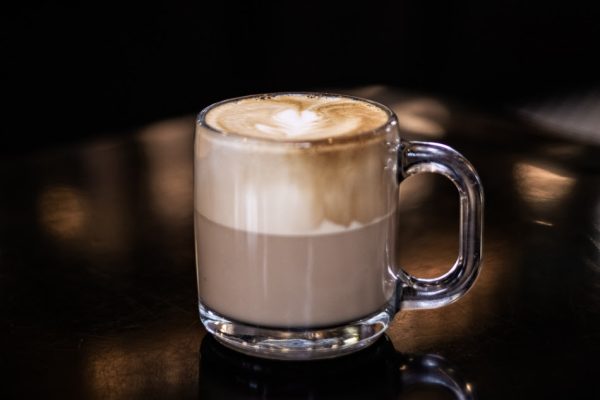
So, here’s a good one for you! Much of what most of us believe about the history of cappuccino is incorrect. While this disinformation won’t lead to war, overturn an election, end a relationship, or cause a coup, I figured it’s still a good idea to share the full story. Although many of us might assume that cappuccino originated in Italy ages ago, a bit of historical exploration will show that to be wholly inaccurate. Modern cappuccino, the kind we serve and that many of you consume, is actually less than a hundred years old. Milk was not part of the original recipe. And its roots aren’t in Italy, but, instead, to the north, in Austria.
What we now know as cappuccino was first called “Kapuziner,” showing up in Viennese coffee houses in the 1700s. It was made at that time with whipped cream and sugar. Some recipes also reference spices. If you go to Vienna today, you’ll still find the classic Kapuziner on the menu! What we know now as cappuccino was first made in Europe in the early years of the 20th century, as the relatively new-fangled espresso machines became popular, at roughly the same time the Deli’s building was being built in 1902, and about the same time Chris Roelli’s great-grandfather was arriving in Wisconsin from Switzerland. The drink became more popular in Italy, and the name evolved from German to Italian. It gained widespread acclaim in the U.S. only in the last 50 years.
Like all food and drink, the quality of the ingredients that go into a cappuccino will have a huge impact on the flavor of the finished item. It’s almost impossible, I’ve learned over the years, to make something super delicious out of so-so raw materials. Here in the ZCoB (Coffee Co., Next Door, and Roadshow), we use a pair of excellent ingredients:
-
Espresso Blend #1 from Daterra Estate in Brazil — Sustainably grown, Rainforest Alliance certified, we’ve been working with the Pascoal family and the Daterra team for 20 years now!
-
Milk from Calder Dairy — One of the state’s only farmstead dairies, the Calder family still has its own herd of about 150 cattle. (And yes, we also have skim milk, oat milk, and almond milk.)
While most cappuccini look somewhat similar in the cup, there’s a huge difference in the flavor. I brought one as a gift to a friend I was meeting the other day. She took a sip, shook her head, and quietly, almost under her breath, said “Wow! You really can taste the difference.”
Swing by the Coffee Company, Next Door, or Roadshow to taste the difference! Or if you want to replicate a bit of Zingerman’s at your house, order a bag of Espresso Blend #1.
Order a Cappuccino from the Coffee Co.
Treat yourself at the Deli Next Door
Want more of Ari’s picks?
Sign up for Ari’s Top 5 e-newsletter and look forward to his weekly curated email—a quick roundup of 5 Zing things Ari is excited about this week—stuff you might not have heard of!
Tag: ARI WEINZWEIG
Taking craft candy bars to new levels of excellence with Ca$hew Cow candy bars
If you still haven’t had one of these amazing artisan candy bars, you might not yet know what you’re missing. Thanks to the hard work of the crew at the Candy Manufactory, what most of us knew as junk food and a quick way to get a sugar fix, has been transformed into a set of candy bars so complexly flavored and so compellingly good that they’re pretty much redefining the category. There’s a good bit of magic and mystery in every bite!
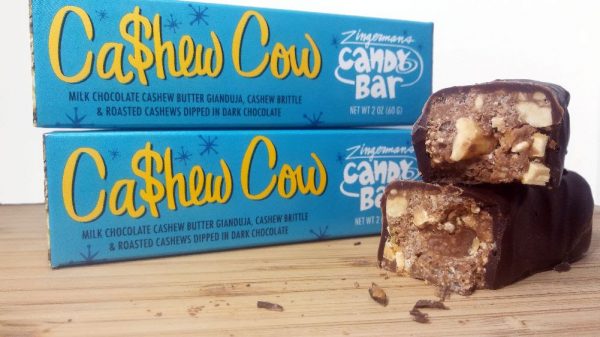
The very catchily named Ca$hew Cows have a homemade cashew brittle (made from cashews, sugar, butter, and a hint of sea salt) base, blended with a mix of milk chocolate, cashew butter, and some crisped-rice on the inside, along with pieces of cashew that have been roasted in butter and sea salt. All of which is again dipped in that very dark chocolate. You get a really nice texture, a touch of crunch from the rice, and a really lovely modest, mouth-filling flavor that never strikes me as overly sweet. A great way to boost your energy in the afternoon and/or end your evening. If you want to make them an elegant dessert, simply slice the bars into half-inch thick slices and serve them on a beautiful plate with toasted nuts and dried fruit.
How good are they?
Jamie LeBoeuf, long time confectioner, Candy Manufactory production manager, and a Staff Partner this year and next says:
For me, the Ca$hew Cow and Peanut Butter Crush bars have some substance and a satisfying texture to them. Where the Original Zzang!® and Wowza have the airy, sweet nougat, and the What The Fudge has the dense, sweet fudginess to them, the Ca$hew Cow and Peanut Butter Crush present a totally different texture. They are not quite as sweet as other candy bars. I love the mild, buttery flavor of cashews. The big cashew pieces and cashew butter have lots of protein and nutty richness, plus the crisped rice cereal keeps them from being too dense and heavy. The little hint of salt brings out the cashew flavors and brittle bits add some roasty, caramelly sweetness. I like to think of them as breakfast bars. When I skip breakfast and need a little mid-morning snack, a Ca$hew Cow mini is just the thing to hold me to lunch time.
And Dane Peterson at the Deli describes them as:
10 out of 10. Best candy bar on the planet. Better than any other candy bar. “It is ELITE” The cashews are roasty, toasty, and glowing. He even loves that it sticks to your teeth slightly because then he can taste it for like 20 minutes, he is literally praising God for the existence of this bar.
Come by the Candy Store on Plaza Drive (inside the Coffee Company) to get a Ca$hew Cow at the source! Or grab one at the Deli, Roadhouse, or any number of other spots in town and around the country.
Want more of Ari’s picks?
Sign up for Ari’s Top 5 e-newsletter and look forward to his weekly curated email—a quick roundup of 5 Zing things Ari is excited about this week—stuff you might not have heard of!
Tag: ARI WEINZWEIG
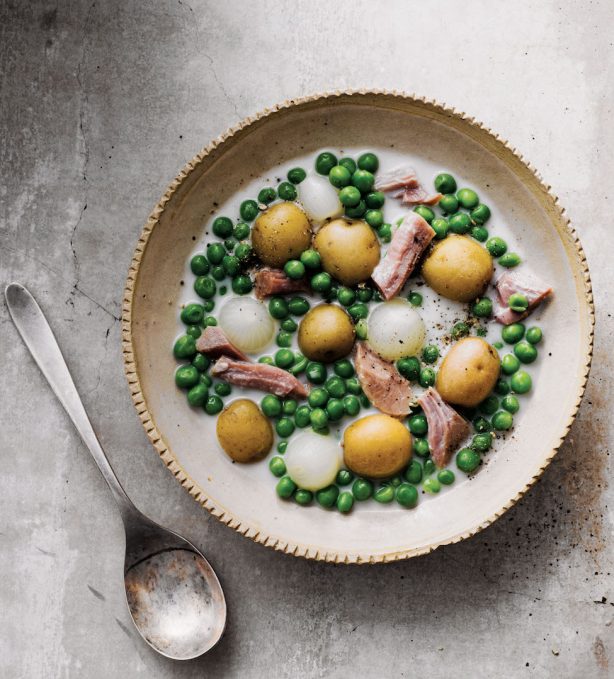
Ronni Lundy probably knows more about the foodways and folkways of Appalachia than anyone else in America. I’ve been hoping to get her to town now for years! Her kindness, care and insider understanding of an oft-misunderstood part of American culture are something special. If you like food and learning, you will not want miss her visit to Zingerman’s Roadhouse next month.
The Irish poet, John O’Donohue says, “Many of us have made our world so familiar that we do not see it anymore.” His wise words, I think, apply to many of us on many fronts, and I would say, still holds true for many who live outside of Appalachia. While we’ve all heard the name, most Americans know little or nothing about the area. We hear the names of the states (Kentucky, West Virginia, North Carolina), but unless we come from there or have spent significant time studying their history and culture, we have minimal understanding of this fascinating section of the country. Stereotypes get us stuck.
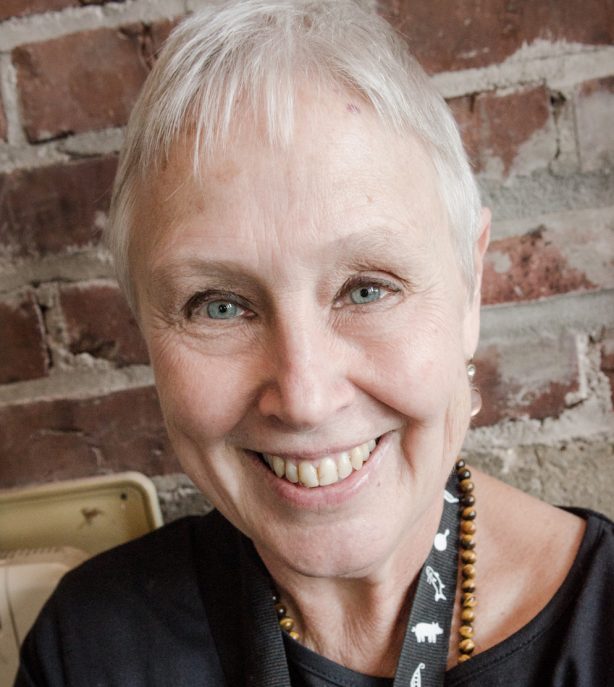
In an era where curiosity and care for people different than ourselves often seems sorely lacking, taking the time to get to know someone—or in this case, someplace—is a gift we can give ourselves, and those who we are getting to know. Ronni Lundy knows the Appalachian region at a depth of spiritual understanding that I only hope one day I will be able to replicate, really, for anything.
“While I didn’t grow up in them,” she writes in her James Beard-award winning new book, Victuals, “I grew up of the mountains, and all my life I have held these connections that are a beautiful and remarkable gift.”
On the evening of May 15, we are fortunate to have Ronni coming to share stories of her 70 years of living both in and of the mountains. This is our chance to hear stories from the heart, of the heart, and to move past preconceived notions to see—and taste—the beauty, wisdom and wonderful work of the foodways and culture that make the Southern Appalachian region so special.
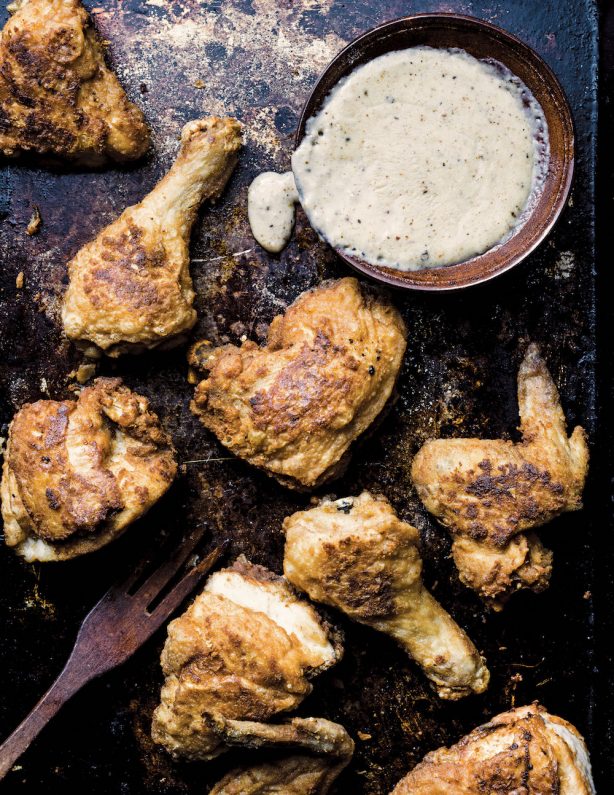
As she writes in her amazing book, Victuals, “[L]ooking through the lens of real Southern mountain food—the methods of its growing, processing and eating—we began to see a vivid picture of a region and its people that had little in common with their most prevalent and demeaning stereotypes.”
If you don’t want to just take my word for the amazing quality of her work, know that Ronni’s earlier book, Shuck Beans, Stack Cakes and Honest Fried Chicken was recognized by Gourmet magazine as one of six essential books on Southern cooking. In 2017, Lundy received a James Beard Award for Victuals. In 2009, she received the Southern Foodways Alliance’s Craig Claiborne Lifetime Achievement Award. She is truly a living treasure and someone we’re very fortunate to have.
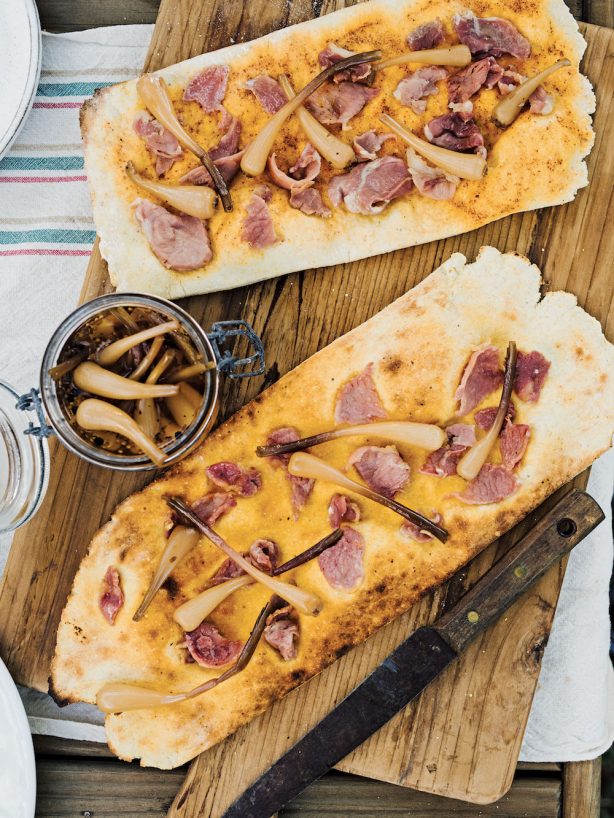
If you want another testament to the excellence of Ronni’s writing and scholarship, the marvelous musician Emmylou Harris said, that, “Victuals is so much more than just another cookbook. It’s a marvelous travelogue and history of an under-appreciated and often misrepresented part of America, it’s people and culture, written lovingly by my friend, Ronni Lundy. Still, as I finished the last pages, with their stunning illustrations, I couldn’t wait to get in the kitchen and try my hand at the delicious recipes she has gathered for all of us who just plain love good food.”
Ronni’s dinner at the Roadhouse, are meant to do the same. You or I could make the trip for ourselves and traverse those same 4000 miles, but in the meantime, please don’t miss out. I’m confident, both culinary and culturally memorable. I will be there. I hope you will too.
Exploring Appalachian Cooking with Ronni Lundy takes place May 15, 2018 at 7pm. See the full menu and reserve a seat on Zingerman’s Roadhouse’s website