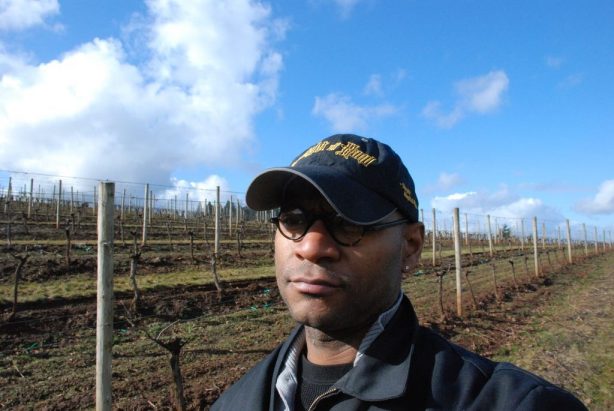
On January 30th, Zingerman’s Roadhouse will be hosting our 13th Annual African American Dinner, featuring the noteworthy wines of André Hueston Mack. André owns his own winery in Willamette Valley, Maison Noir Wines, and was named Best Young Sommelier in America in 2003. He is the first African American to win that distinguished honor.
André’s road to success is one less traveled. For anyone who’s explored Ari’s anarchist approach to business, André’s philosophy will sound familiar. After learning about André’s guidelines to being a Mouton Noir, or “black sheep”, during his TEDx Talks presentation, I can definitely see how both he and Ari share ideas on becoming successful by doing things differently. Specifically, they both embrace the freedom of being unique, not following trends, and having fun while doing it. André fits right in to the Zingerman’s fold. Here are his rules for being a black sheep:
Don’t do what you are supposed to do.
In A Lapsed Anarchist’s Approach to Building A Great Business, the first ingredient for Ari’s Recipe for Making Something Special is A Vision of Uniqueness. Likewise, When André mentions creativity, he emphasizes defining yourself as being unique. He did not grow up around restaurants or vineyards, but André followed a course that would take him to become Thomas Keller’s Sommelier for Per Se in New York. This is when he gained the nickname Mouton Noir, because he was not like many sommeliers in New York City. He found the name empowering.
Don’t be afraid to do it yourself. The second premise in Ari’s Recipe for Making Something Special is Bucking the Trends. He specifically speaks about the idea that when you start off doing something really different, you don’t often get a lot of support. André embraced his unique identity and chose to do something totally different…on his own. He left Per Se and became a winemaker. He opened his own winery, Maison Noir Wines with no startup and no investors. He didn’t have a design team to create his labels, so he created his own, and is now a talented self-made designer.
Don’t dress the part.
André started to design t-shirts in addition to his labels, like we do at Zingerman’s. And he wears them, like Ari. Neither of them want to be caught up in a status symbol culture. André’s mission is to make sure wine is accessible to everyone, and to make sure this happens, he chooses to not be restricted by how other people think he should appear.
Don’t seek approval.
According to André,“Wine is not a beverage reserved for the elite, but can and should be enjoyed by everyone.” He feels that wine is subjective, like anything else creative, so he does not have his wines rated. He understands that people will either like them, or they won’t. But he has to believe in the product, and avoid the anxiety of worrying about what everyone else thinks.Ari’s written an entire book on the Power of Beliefs in Business, and he’s been talking about the importance of belief since the beginning, “Without it…food is at best is technically correct, but almost always lacks the soul that makes it special.” By believing in his wines and not sweating about what everyone thinks they should be, André has been able to focus his energy on making them really great. Or as he says “put your energy into what feeds you.” In his new pamphlet, My Beliefs About Cooking, Ari echoes this sentiment, that the act of feeding ourselves just to get by has become so much more than that for him: “What was a rather unremarkable routine that ensured survival is now the centerpiece of my existence, something that sustains me physically and financially, intellectually and emotionally.”
Play. Having fun is another crucial ingredient in Ari’s Recipe for Making Something Special. For André, creativity is key. There is something to be said for figuring out what feeds you and playing with it. André has designed a coloring book about food and wine, called Small Thyme Cooks: Culinary Coloring and Activity Book. Have you seen his labels? Or his t-shirts for that matter? Personally, I’m a huge fan of his Horseshoes and Handgrenades label, for a red blend that we will be featuring at the dinner:
If you like what you see, don’t miss out on an opportunity to meet the man who’s sharpened the edge on winemaking. He will be at the Roadhouse, and we will be drinking his amazing wines.
Dare to be different and join us. Come alone if you’d like, wear a t-shirt, don’t ask permission. We will feed you, literally and creatively, and it will be fun.
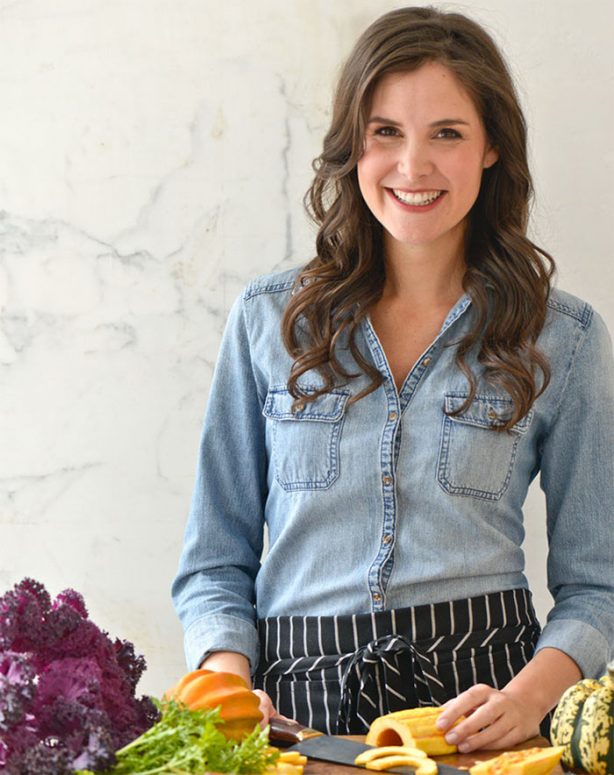
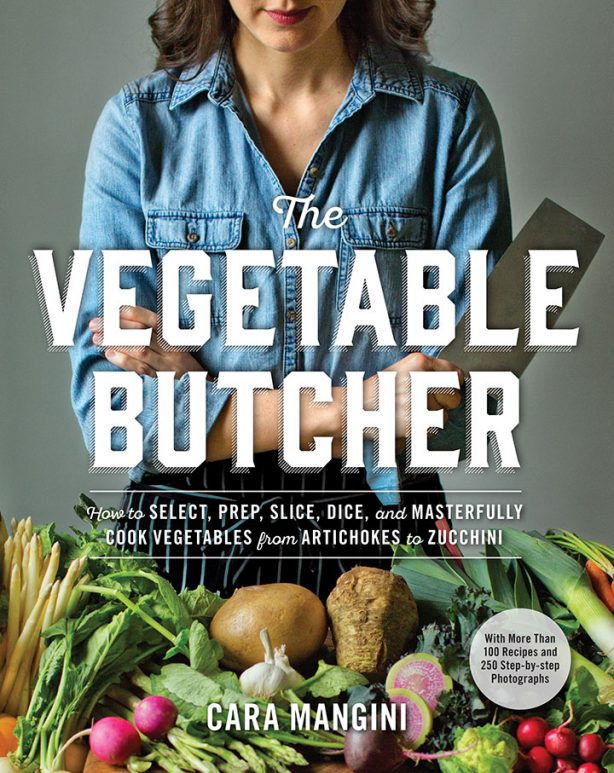
Cara Mangini will be our honored guest at the Roadhouse’s Tomato Dinner #214 on September 12th! We will be tasting delicious recipes from her new book, “The Vegetable Butcher”, and watching a live demo of her butchering vegetables! Don’t miss out. Grab a seat today!
In the meantime, sink your teeth into Ari’s recent interview Cara.
ARI: I love that you focus so much on vegetables. How did that happen? Did you grow up a vegetarian?
CARA: The ritual of sitting down to share a meal has always been extremely important to me. Since I was a kid, I enjoyed the daily celebration of food and my family, and how those moments marked the year. I knew there was a special kind of magic that was created at the table. I also thought a lot about what I ate and the connection between food and health—how certain foods made me feel beyond sheer enjoyment.
I started to gravitate specifically toward vegetables when living in Paris and traveling around Europe in college. I continued to travel, cook, and eat my way through France, Spain, Italy, Croatia, and Turkey in my 20’s. Those food experiences had a profound effect on my perspective and path. It became very clear to me that I wanted to contribute to making vegetables second nature in our culture—the way they were in so many other places. At the same time, I lived in Brooklyn for 10 years while a vibrant farm-to-table movement was making big waves around me. It completely inspired me. I realized that vegetables have always been the most exciting and delicious part of the plate for me.
A: I’m sure you get asked this all the time but, what’s a vegetable butcher?
C: A vegetable butcher is a trusted professional who demystifies produce with tips, tricks, and practical, how-to information (the stuff that somehow no one ever taught you). We have professionals that we turn to for advice in so many areas of our life—traditional butchers, cheesemongers, doctors, hairdressers, attorneys. A vegetable butcher is that person you can count on and who will help take the guesswork out of breaking down and cooking with vegetables—an artisan who has dedicated her life to getting to know the ingredients so that you can benefit from her knowledge, lessons and recipes.
A: As someone who’s not a vegetarian but who eats a lot of vegetables, I’m excited to see them being put front and center in a cookbook like yours. Can you talk about that a bit?
C: At it’s core The Vegetable Butcher is a celebration of vegetables! It’s both a guide that will help readers break down vegetables with knife lessons, insider tips, and approachable preparations as well as a comprehensive collection of produce-inspired recipes (over 150). My hope is that The Vegetable Butcher will give readers the confidence, encouragement, and motivation to cook and eat vegetables every day—and ultimately, find the joy in cooking with seasonal ingredients that connect you to nature and to each moment of the year.
A: Tell us about your restaurant in Columbus? You also have a new place opening up soon? And how did you get to Columbus anyways?
C: Little Eater is a produce-inspired restaurant and farm stand in Columbus’s historic North Market. And, yes, we are in the middle of opening our second location which is our first real home where we will be able to welcome guests for a full experience. Everything on the menu in our restaurants is inspired by local ingredients and is designed to bring everyone to the table with focus on flavor and abundance (never sacrifice or obligation which can too often be the case or perception with vegetable-driven food). It is our mission to honor the work of our farm partners and to support the health of our community.
I am from the San Francisco Bay Area, went to school just outside of downtown Chicago, and spent most of my adult life in New York. Columbus was not on my radar! I met my husband at the Jeni’s Splendid Ice Creams booth at the Fancy Food Show in San Francisco. I was living and working at a farm and associated farm to table restaurant in Napa Valley at the time. I moved to Columbus six month later and started actively working on my business and book. I always say (and it’s the absolute truth), Columbus was the missing link in my business plan. We are surrounded by inspiring entrepreneurs, incredible farmers and farmland, and a community that is just as invested in our success as we are. I am so grateful for it.
A: What are some of your favorite dishes in the book?
C: I can’t pick favorites, but I do have go-to recipes in every season!
Spring: Asparagus, Hazelnuts, and Mint with Quinoa and Lemon Vinaigrette, Snap Pea, Asparagus, and Avocado Salad with Radish Vinaigrette, Artichoke Torta, Swiss Chard Crostata with Fennel Seed Crust, and Ramp (or Leek) and Asparagus Risotto.
Summer: Corn Fritters with Summer Bean Ragout, Marinated Peppers with Goat Cheese Tartines, Seaside Gazpacho Zucchini, Sweet Corn, and Basil Penne with Pine Nuts and Mozzarella, Eggplant Polenta Cake.
Fall: Fall Farmers Market Tacos, and Roasted Sweet Potatoes, Chard and Coconut Black Rice, Turkish Carrot Yogurt.
Winter: Celery Root Pot Pie, Broccoli and Radicchio Rigatoni with Creamy Walnut Pesto, Parsnip Ginger Cake with Browned Buttercream Frosting.
A: What do you think are some of the biggest misunderstandings about vegetables amongst Americans?
C: Vegetables don’t have to equate to sacrifice. They can produce over-the-top flavor and craveable, deeply satisfying food. Vegetable-based food isn’t about what isn’t on the plate, it’s about everything that is.
A: Given that you’ll be here for the dinner in mid September what are some of the dishes you’re thinking about for this special menu?
C: We’re going to highlight the tomato harvest and all of those late summer ingredients that we’ll be missing a few months later. For sure we’ll do an heirloom tomato panzanella to highlight all of the different colors, textures and varieties of tomatoes grown at Roadhouse Farms. It’s going to be a beautiful celebration of that specific and fleeting moment of the year when the sun is that golden angle, and the food coming out of the ground and the people who grew it deserve to be honored.
A: Have you been to Ann Arbor before? Are you excited about coming?
C: I have never been to Ann Arbor and cannot wait! I have heard about what a special place it is and I’m excited to experience the food scene, most especially Zingerman’s that, honestly, I have admired from afar for so long!
A: What else should I ask?
C: I think you asked good questions, nothing to add. I always ask people that by the way! Always the best question… sorry, I don’t have a better answer:)
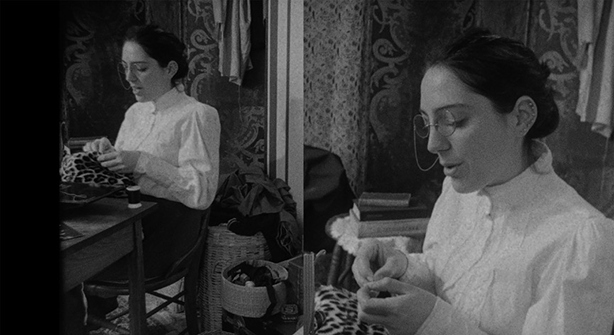
A still from Acts and Intermission, courtesy of Abigail Child
The 55th Annual Ann Arbor Film Festival, “the oldest avant-garde and experimental film festival in North America,” takes place March 21-26. Zingerman’s is a proud sponsor of the fest, and Ari is especially excited about one film in particular this year: Acts and Intermissions. The reason? The documentary is about Emma Goldman, an American anarchist and political activist whom Ari has written and spoken about extensively—her work has also been very influential to Ari’s ever-evolving business philosophy.
Ari recently interviewed Abigail Child, the director of Acts and Intermissions. You can read that conversation below, and don’t miss Child and Ari’s live Q&A after the showing of the film on Saturday, March 25 at 12:30 pm at the Michigan Theater. Tickets are still available.
Here’s a sneak peek:
Ari: Emma Goldman has had a huge influence on me, my work and my writing, over the years. I was excited to find someone else today who’s focused on her insights and inspiration. What prompted you to make a film about her?
Abigail Child: There’s an origin story but rather indirect. I had made a film fictionalizing archival home movies, material shot in Europe between the wars focused on two young sisters: The Future is Behind You. I was speculating on what the “characters” in these movies were doing and thinking and speaking behind/alongside the images. A kind of Jamesean speculative endeavor. Once edited, I realized that this was a wonderful narrative stratagem. Could I tell a story creating imaginary home movies? I then proposed such a film to tell the story of Mary and Percy Shelley. I was awarded a Rome prize for a year in Rome (2009-2010) and shot the film there. Mary and Percy had spent six of their eight years together in Italy so the location was perfect as was the architecture & atmosphere of the place. As I built this film, it became a critique of Romanticism, how ideology fails women. Mary lost four of her five children, ultimately Percy dying young, and Mary herself suffered societal critique in that she had run off with a married man at 16! They were bohemian royalty in a way. While I was editing, it came to me that I could do a trilogy that rewrote women at the center of history: Mary Shelley and 19th century romanticism, Emma Goldman and 20th century anarchism, and a, as yet unnamed, woman and 21st century Science.
Ari: While she’s certainly not a “secret,” Emma is hardly a household word in the US today. What impact are you hoping that the film will have?
AC: Not surprisingly, the more I researched, the more relevant Emma’s story became. I knew I did not want to stay in the past (as I had to a great extent with the Shelley story). I wanted to bring Emma’s issues, and protests into the present. This was not hard as our political landscape has duplicated the past: in terms of wage injustice, sexual and racial injustice, police brutality, protests and more recently, a repressive federal government. A simple example: I had not realized until my research, that the Espionage act that exiled Emma was used against Debs, Manning and Snowden 100 years later. Amazing!
What impact do I imagine for the film?— that the fight is not over. That we have had to fight for our freedoms in the past and once again. This seems important to me, particularly as a college professor, I saw students were more assumptive about their freedoms and dismissive of history (even among my peers!). Thus, less knowledgeable about politics and how hard earned are our freedoms.
Ari: Clearly Emma Goldman’s work has some particularly relevant messages for our current national situation. I’m guessing, though, you started this work long before the recent elections?
I started the work in 2014 but the issues above—relating to work, fair pay, and police brutality were/are completely familiar. As well of course, the issues of the right to one’s own body, sexuality and the desire to be “more than a mere woman”.
Ari: Emma in her day was considered one of, if not the, most dangerous minds in the country. What do you think made her so intimidating to people?
AC:I think she was most intimidating to the FBI! To her friends and often the audience, she was a small passionate woman to whom injustice was anathema. There are many comments to that effect in her autobiography: ie that people were surprised when they met her that she was small and plump and kind and in her private life, had quote unquote “feminine desires”——for flowers, ‘beautiful things’ and love.
Not to minimize the enormity of her ideas. She was a powerful speaker who could move people with her words. Her speeches give you some idea in that though somewhat dated, they remain moving. The only voice recording I found of her was not intimidating, but oddly comic: she had a weird English accent [learning English as her third language I suspect] and she spoke in sports terms: things like “I had my innings”.
Ari: Like all of your work, you’ve created something innovative – a blending of documentary footage, modern day recreations, captioning, etc. What do you like about this sort of mixing of media methodologies?
AC:Thank you. I’ve been thinking a lot about a kind of macro montage, a structure that is prismatic, a constellation, rather than all of one thing. It is an attempt on my part to take in the world, to not close out part of the world, to not be “pure” but rather impure, inclusive, “unbound” if you will.
Years ago I read and it could be apocryphal (likely is) that the psychiatrist R. D. Laing who created a psychiatric community project at Kingsley Hall in UK, where patients and therapists lived together, came to New York City and was overwhelmed. He turned around and went back. I was struck that someone who could live with/within mentally ill patients couldn’t “take” a metropolitan city. I wanted to be someone who didn’t need to retreat, didn’t need to go into nature or a monastic existence, but could find some kind of peace/understanding/non-peace in the midst of life/living. A rather idealistic wish for sure but one that has also governed some of my continuing aesthetic choices. Still a wish: to include everything in one’s art.
I know in a world of digressive sampling and instantaneous news and constant web surfing, that inclusion can result in overload, error, nonsense, superficiality, headache. I am trying to make sense of this world, discover how to explore, how to remain open and make sense/or make non-sense sensible….within parameters of cinematic discovery.
Ari: When one studies it in depth, anarchism turns out not to be a political program but rather a belief system about how to live our lives every day and how to present in the world in a positive way. what are some of the beliefs that Emma’s work inspired in you?
AC:Where I connect to Emma is in the sense that injustice cannot be tolerated. And that we ourselves need to trust ourselves, depend on ourselves and fight the normative ordinary world which wants to hold you down to custom/gender/ bad government etc. Also that “beautiful things” or love/art/books/music are part of the freedoms for which we fight. It is for food and shelter yes, but without the beauty of the world, life would be hollow.
Ari: What lessons or learnings would you hope that viewers will take away from the film? What do you take away yourself?
AC:That the fight for justice is not over, is unending. That we need examine work, policy, police and justice issues always. And that freedoms can never be assumed, but must be won again and again.
Ari: If I’m reading correctly this is the second film in this series? The first was about Percy Bysshe Shelley and Mary Wollstonecraft. Her father, William Godwin, of course, was also an anarchist. Are there more anarchists coming down the road?
AC:No, but more Golems! If the first film Unbound looked at 19th Century and Romanticism through the life of Mary Shelley and Acts looks at 20th century Anarchism and protests through the life of Emma Goldman, the last piece examines Science and the 21st century and will explore androids and machine-human relations.
I am interested in transformers, revolutionists, bohemians and those who find a life outside mainstream culture—but indeed the connections between these figures still surprises and enlightens me.
Ari: One of Emma Goldman’s great quotes for me was, “Anarchism is the spirit of youth against outworn tradition.” I haven’t seen the film yet so I don’t know if that’s in it …Thoughts?
AC: Definitely…the spirit of youth, of revolution, of idealism. I grew up in the crucible of the 60s—civil rights, anti-war protests, women’s rights, back to nature communities, rock and roll amidst repeated assaults and assassinations. It was that idealism and revolt indeed that attracted me to the Shelleys, and then to Emma.
Ari: Emma actually visited Ann Arbor six times to speak. A seventh visit was cancelled by the mayor just shy of a century ago, the year that she was being deported to Russia. What do you think she might say if she were here to give a talk in town today?
AC: She would be addressing the same issues from 100 years ago (sadly they are not solved/resolved): fair pay, women’s rights, the freedom for women to control their bodies (contraception; abortion), civil and religious rights whatever one’s origins. She would be speaking to the promise of America—the America that is seen worldwide—even strangely to those of us living here who know how hard and cruel this country can be—as a beacon of hope. She loved the land that exiled her, loved it even to the end. I think we all wish it to be the land of promise—that it is only intermittently and even feebly—but the promise that we hold in our heads and hearts is the light we reflect back on the nation.
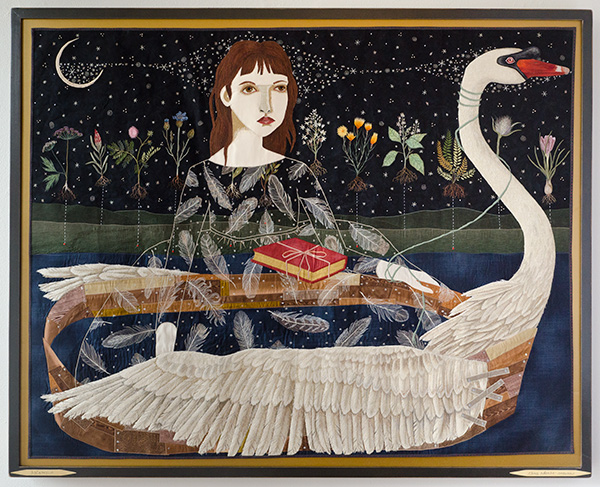
Chris Roberts-Antieau is an artist and gallery owner based in New Orleans. Ari is a big fan of her work, and it turns out, Chris is a big fan of Ari’s work, too—specifically, his business pamphlets, which she’s been using day to day in her own business. After a recent serendipitous meeting, Chris and Ari are collaborating on a special event, called “The Secret Pamphlets: A Talk with Ari Weinzweig”, at her Royal Street Gallery. If you live nearby, join them for an interesting discussion on Monday, March 13 at 7pm (pssst…there will be cheese!). You can reserve your ticket here.
Zingerman’s: We love your art and your Artist Statement—your path has been unconventional (much like ours!). Can you share your story and inspirations for your work?
Chris Roberts-Antieau: I really like that you used the word unconventional, because that is exactly how my path has been, especially in the way the gallery started. I’ve been an artist my whole life, and I used to do eight to 10 shows a year all around the country, one of which was Jazz Fest here in New Orleans. My son, Noah, also moved to New Orleans after he graduated college, so I would come down to visit him, too, and I really just fell in love with the city. New Orleans is so supportive of the arts, whether it be food, music, visual arts, etc. and the city itself is so inspiring, in its rich history and beautiful decay.
One year after Jazz Fest, we were driving through the French Quarter on our way back to Michigan, and we
saw a “For Rent” sign on a vacant storefront. My assistant, Chris Redden, convinced me to call the landlord and ask if we could do a month-long pop-up. The landlord said, yes, so we slapped the art we didn’t sell at the show up on the walls and prayed to God it would sell. We were so nervous that one day my assistant went to the cathedral and lit a candle and, wouldn’t you know it, the very next day a man came in and bought $30,000 worth of art and paid our rent for the entire year!
It’s situations like that, that happen time and time again,leaps of faith in the light of improbability, where we
just have to trust we’re doing the right thing and that it will all work out.
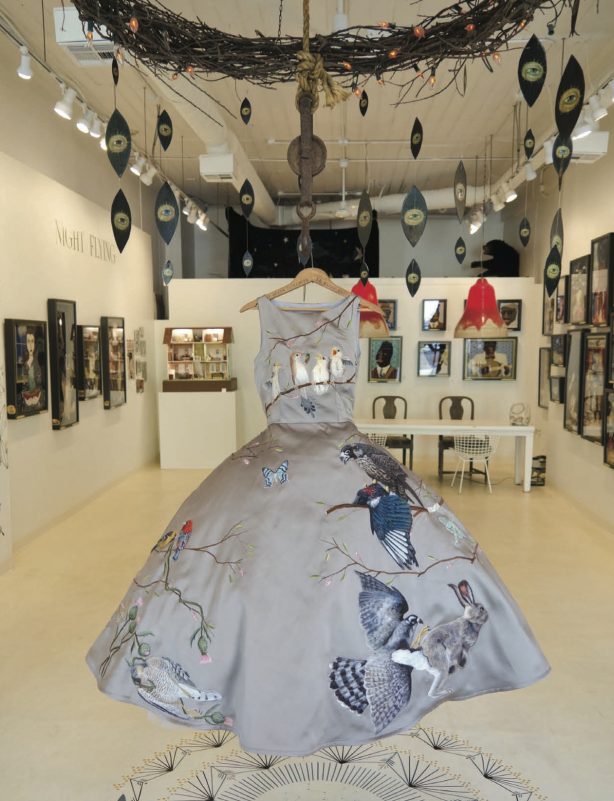
Birds of Prey Dress by Chris Roberts-Antieau
Z: Can you tell us a little about your gallery? (The virtual tour is dazzling!)
CRA: Thank you! We’re coming up on our 7 year anniversary this May in the same space where we had our
pop-up back in 2010. Having my own gallery is an amazing format to create anything I can imagine. It’s
such a gift to have as an artist. Not only do I get to make the art, but I get to curate the space with an
all-encompassing vision—the look, the feel, the sound, the fun—so you’re not just looking at art on a wall,
but having a whole sensory experience. I try to keep the work and installations constantly changing, so it is
always fresh and new. My hope is that it elevates and inspires all who enter.
Z: How did you first come across Ari’s pamphlets?
CRA: I first came across Ari’s pamphlets shopping at FOUND in Ann Arbor. I have always admired Ari’s business model. It seemed so powerful and mysterious. I had wanted to attend a ZingTrain workshop or seminar but never got the chance. As soon as I found out about the pamphlets, I immediately bought three. And then I went home and ordered 15 more! I think I have them all now.
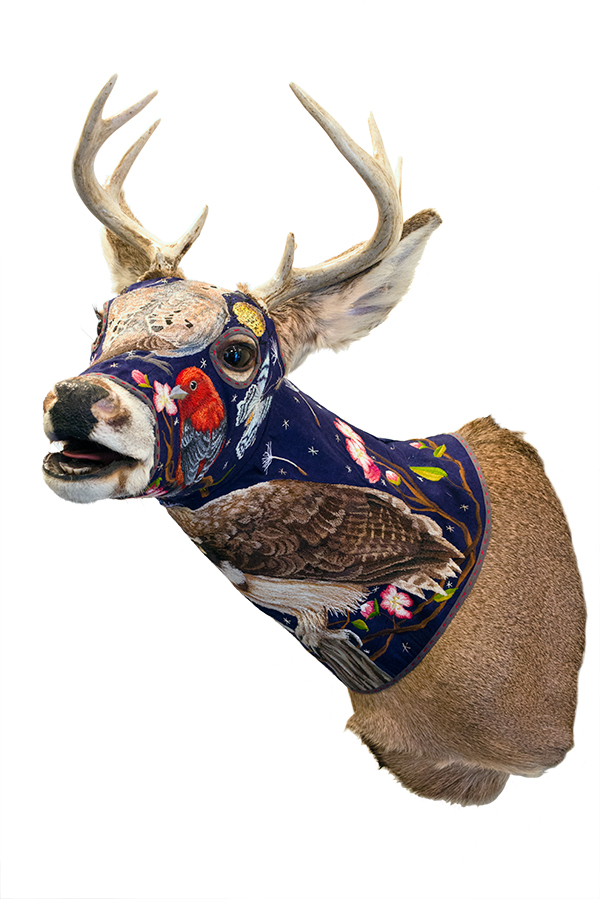
Dear Head by Chris Roberts-Antieau
Z: You mentioned that you read the pamphlets before heading off to work. Do they speak to you moreas a business woman or as an artist?
CRA: I think it’s a combination. It’s all connected, really. What Ari speaks of in the pamphlets is not just business philosophy, it’s a philosophy for life. I love that it’s so ethically based. To me, it speaks to the ethical side of making art, and by that I am really intrigued.
Z: Have you implemented the philosophy into your work as a gallery owner ?
CRA: Yes, slowly but surely. I’m still getting through all the pamphlets now. Some things we already do, which is great because it’s reaffirming that we’re on the right path. I’ve started doing Visions, and I’m very excited about them. There are also a lot of other things I’m intrigued by and looking at introducing. The pamphlets are definitely making an impact. I find them very uplifting. Especially the parts about using all your people to their fullest potential, with a wholehearted belief in what they are doing.
Z: Can you tell us about the event you have planned with Ari on March 13?
CRA: The event in March will be an interview done by an artist (yours truly), interviewing a very successful
business owner (Ari). It will be about Ari’s philosophy in his operation of Zingerman’s, about his identification with “Anarcho-Capitalism” and how that connection manifests itself. The new book will be the central focus along with the pamphlet series. I’m hoping that the very strong connections between creating art and creating a business will become a unique thread for great conversation and insight. It should be a very uplifting, inspiring, and soul-stirring evening!
Reserve your tickets for “The Secret Pamphlets”, March 13 at 7p, at Antieau Gallery, 927 Royal Street, New Orleans, LA. If you’d like to learn more about Ari’s “Secret Pamphlets”, you can see them all here. Special thanks to Chris for allowing us to show her work!
Tag: ARI WEINZWEIG
Believe in giving great service to applicants….You really CAN make a difference
I believe…
…Every person deserves a chance, a second chance and sometimes even a third and so on
…Every person deserves great service
…We can all take a few extra moments every day and in every interaction to make a positive difference or influence someone’s life
…It only takes one person to believe in something to start down the path of change
…We all can give people hope and inspiration in a small gesture
Do you believe in giving great service to applicants? Every applicant, every time? If your answer is “no”, I challenge you to look deep inside and think about whether that answer is really your answer. I was trained from previous employers to only give attention to a few great applicants and to ignore the rest. That was the “belief” that I was surrounded by for most of my career…until I came to Zingerman’s.
When I came here and was told by Ari that I had the authority and power to give great service to all our guests no matter what, I was shocked. I honestly didn’t know how to respond to that statement. It’s a mentality that I wasn’t used to – how could I or any staff member have the freedom to do anything we wanted to make a guest happy? Well, if Ari believed that it was possible and worked, then I believed I could do it too.
I had my first opportunity to do this soon after I heard this—over 8 years ago. I probably had only been in my position for a couple months when I received an email from a woman that wanted to work at Zingerman’s. She attached a copy of her resume. I opened the resume, and it had numerous spelling errors and formatting issues. It was practically unreadable. My past employers would have just trashed the email and moved on—no response and no action.
I remember thinking to myself that I could actually give this woman feedback to help her next time, so I called her and gave her suggestions for enhancing her resume. I remember she was very grateful I took the time to help her. I remember feeling really good about it and that it was the right thing to do. This woman was sending this resume out to multiple employers, and I had no doubt that she was being overlooked every time. I hope that my quick call to give her suggestions helped her change her path! This was actually my first interaction giving great service to applicants, and it would be far from my last.
So, I am sure you are thinking what I used to think: that you don’t have the time to dedicate to extending this kind of service to your applicants. You might also be thinking that your organization would not support you taking this time anyway. Well, I think that every pathway leads to something, and each pathway has to start with one stone. You can be that one stone to get a spark started. Start with the jobs you are hiring for. What can you do to give every one of your applicants a great application experience? Is it merely responding? Is it giving feedback? There is a wide range of things you can do. Start with something—I think you will be amazed at how easy it really can be—and rewarding.
I actually used to think that if we respond to every applicant, then that means we are giving great service. Today, I truly think that is giving mediocre service because it should be the expectation of every employer hiring to tell someone whether or not they are being considered. It’s the least any of us can do. Now, I look at every situation as an opportunity to help somebody in their job search – whether finding a job at Zingerman’s or somewhere else. I will happily find the time to sit down and have a cup of coffee with someone to help them with their resume, interviewing skills, or even sometimes just career coaching. Yes, I am always going to recruit for great folks to join our organization, but sometimes it’s not the right time or fit for someone. But, helping them today may end up helping us tomorrow when the person is ready to come apply to join Zingerman’s.
Whether it is taking the time to give a personal response to an email inquiry, taking the time to answer questions on the phone (and then even offer more info!), having an informational interview with applicants to get to know them and help them, or working with your hiring managers to be better hiring managers (gives great service to both your applicants AND your hiring managers)….GO THE EXTRA MILE EVERY TIME!
…YOU can make a difference in your own work.
…YOU can make a difference in what your company and hiring managers believe to be great service.
…YOU can make a difference in someone’s job search or even life!
Tracie Wolfe
Recruiting Specialist / HR Generalist
Tag: ARI WEINZWEIG
Photos by Tammie Gilfoyle
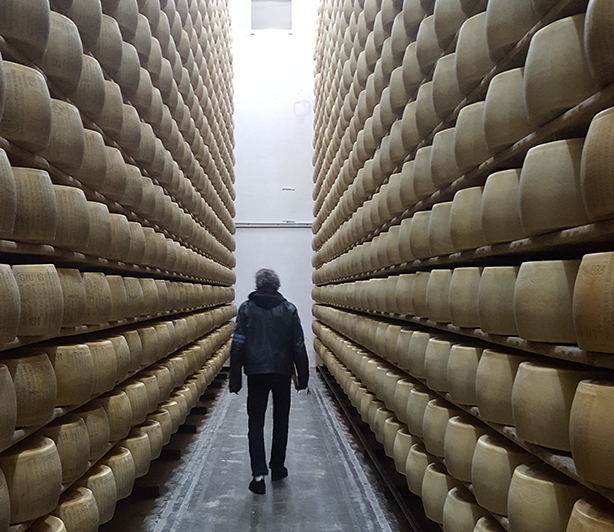
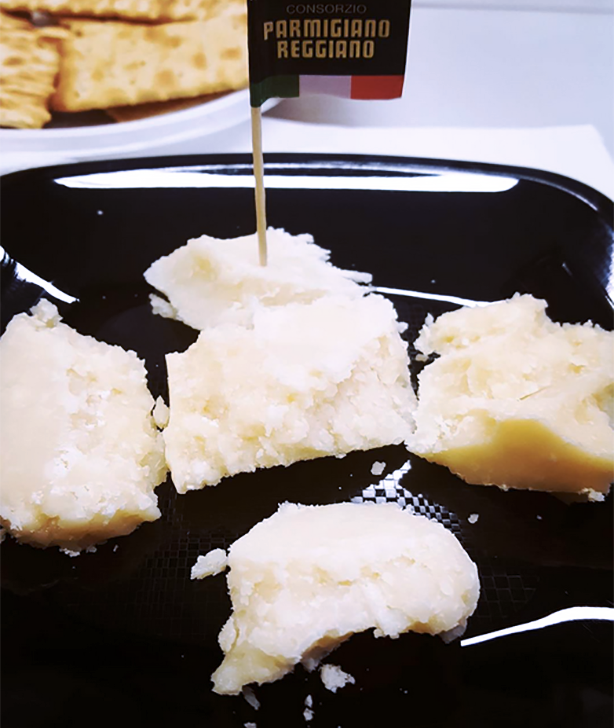
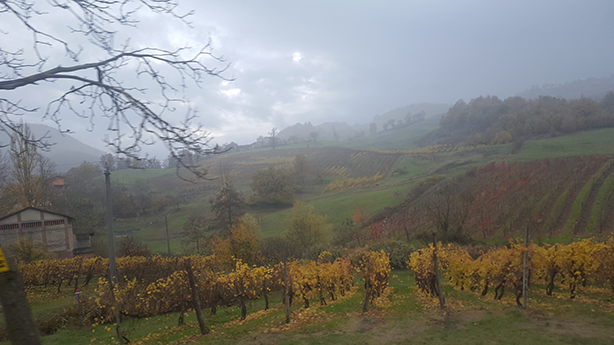
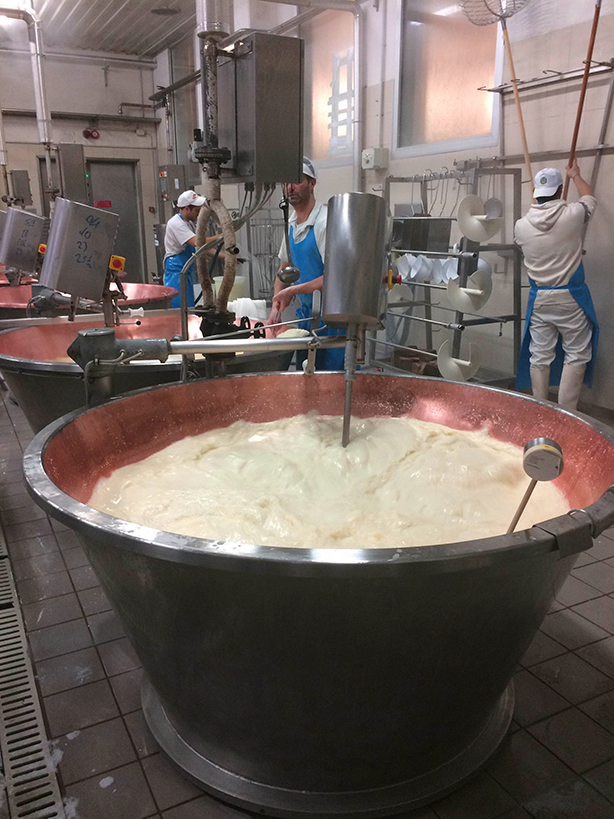
Four flights, five days, five dairies, about twenty-five different cheeses, some friends, a lot of time in the car, and a dozen very good meals all added up to one very good trip!
At the end of last month, I had a chance to go to Reggio-Emilia to taste test Parmigiano-Reggiano. Grace Singleton, long time managing partner at the Deli and my girlfriend Tammie Gilfoyle packed our suitcases and flew out to northern Italy. There, we met up with my long time friend and very fine food writer Elizabeth Minchilli (check out her website—her blogging, her books and her food tours are all fantastic!).
We spent most of the week based in the lovely medium-sized town of Reggio-Emilia, headquarters of the Consorzio del Parmigiano Reggiano. From there, thanks to the good guidance of our Consorzio host, Simone Ficarelli, we spent three days driving back and forth across the province to taste cheese from some of the area’s best Parmigiano-Reggiano producers! We hope to have some of the results of our travels and tastings in house for you to taste some time next year! In the mean time here are some photos to whet your appetite!
—Ari
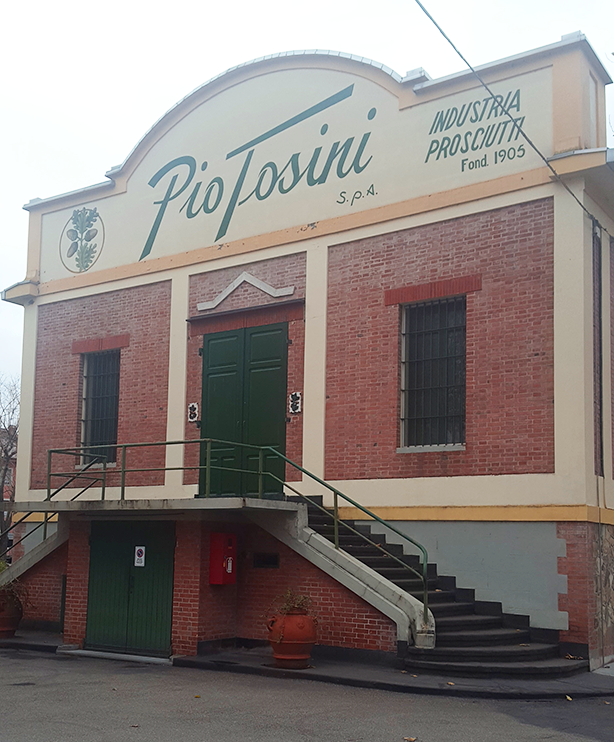
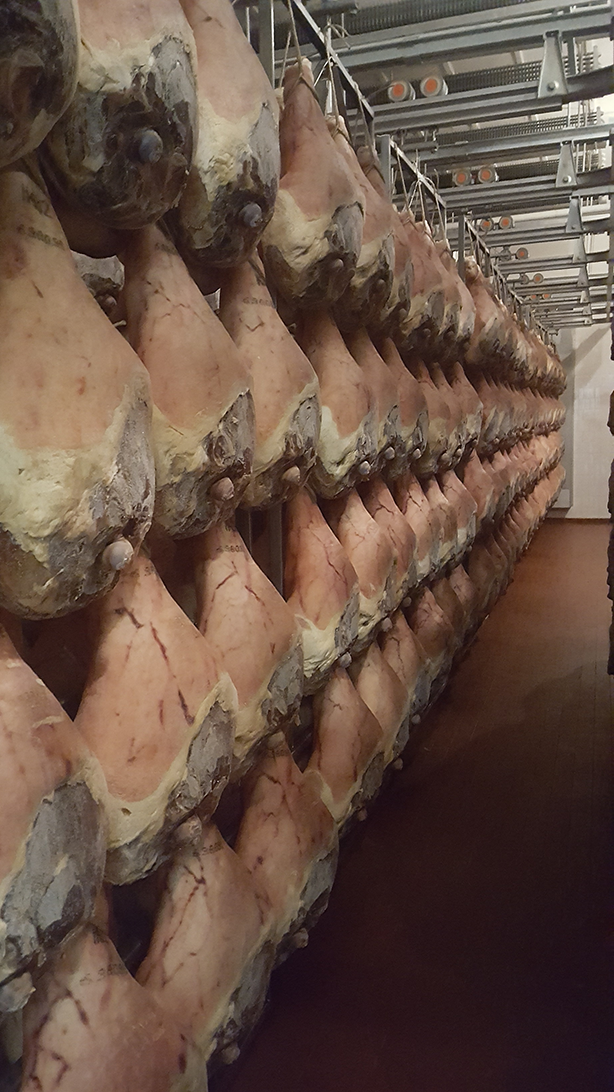
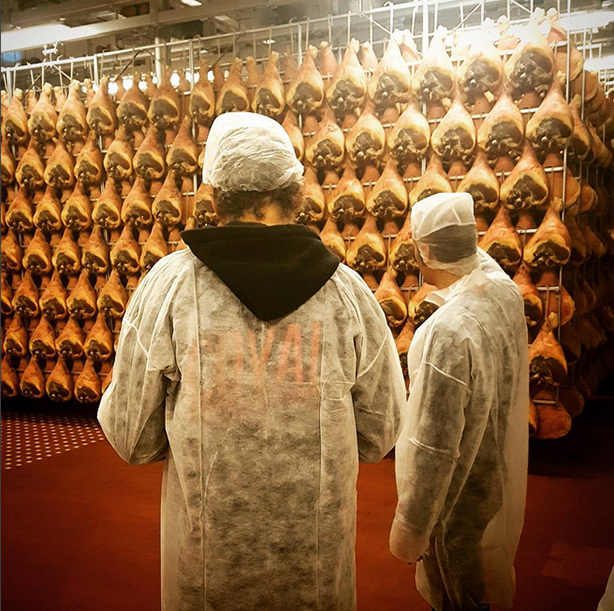
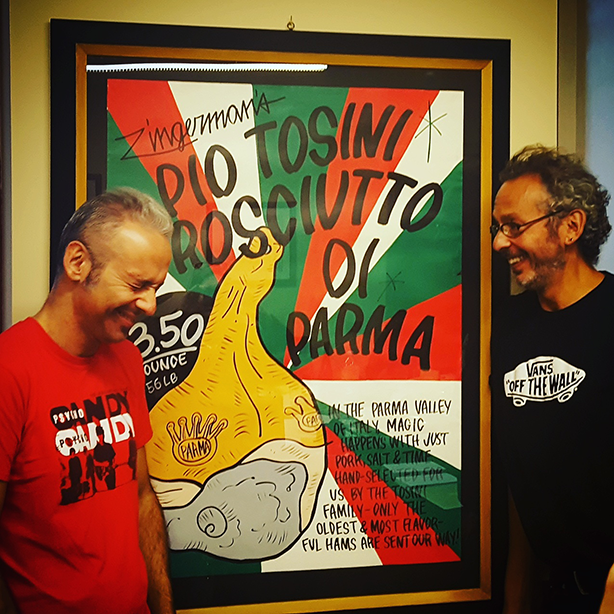
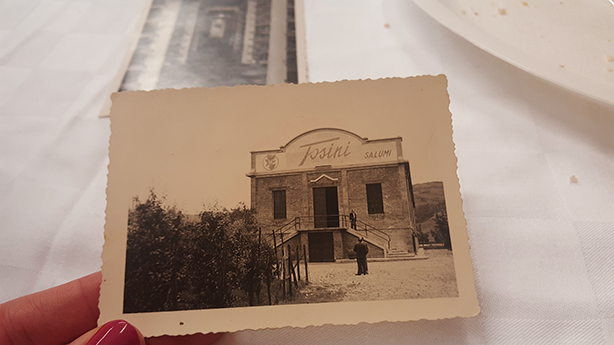
Pio Tosini is a prosciutto curing house that’s been operated by the same family since 1906!
Ari with Giovanni Bianchi of Pio Tosini
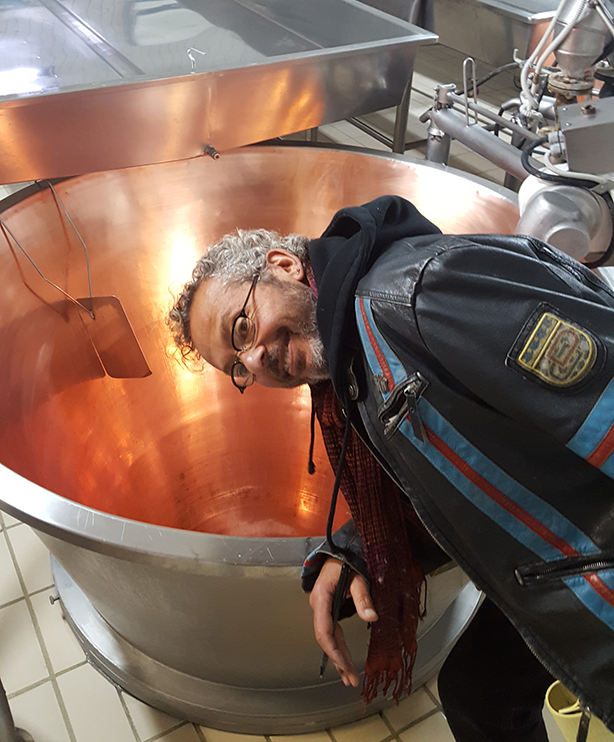
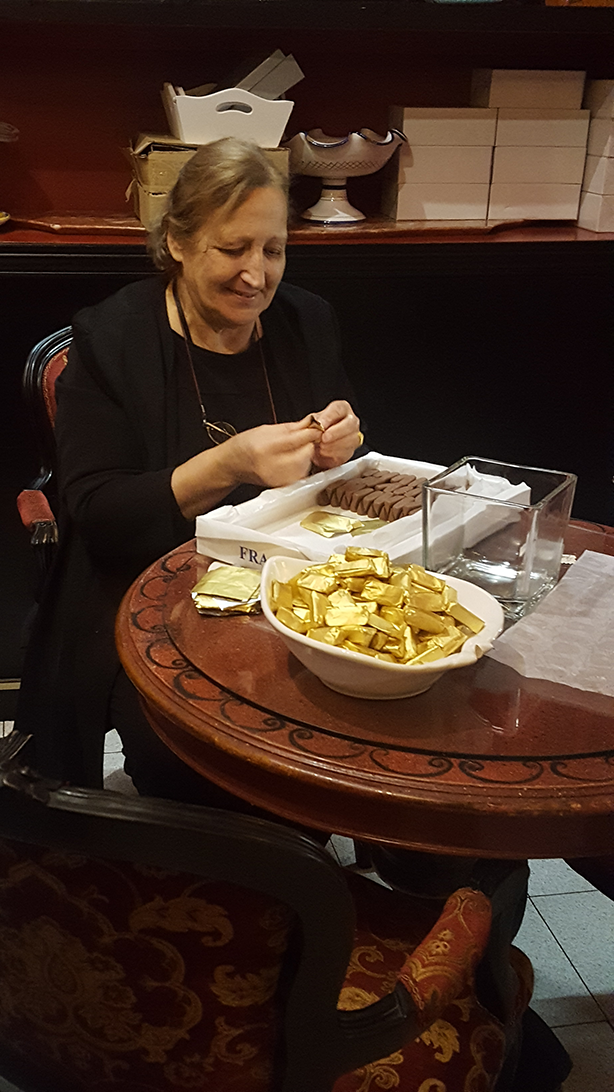
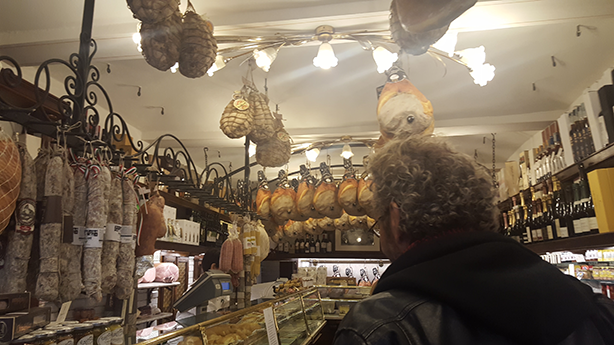
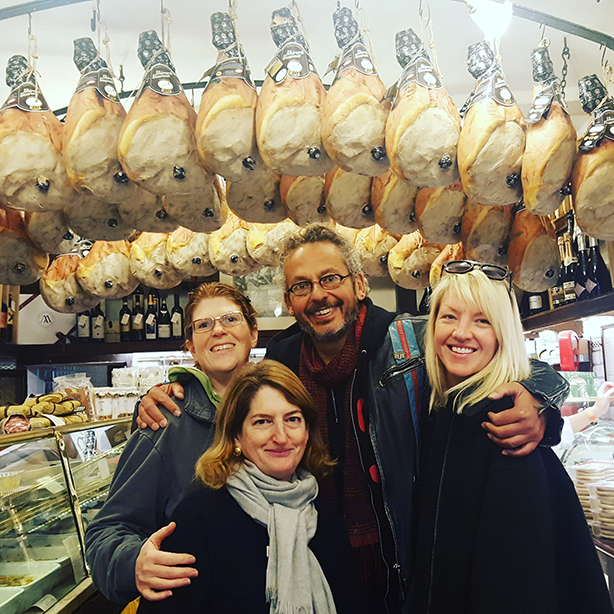
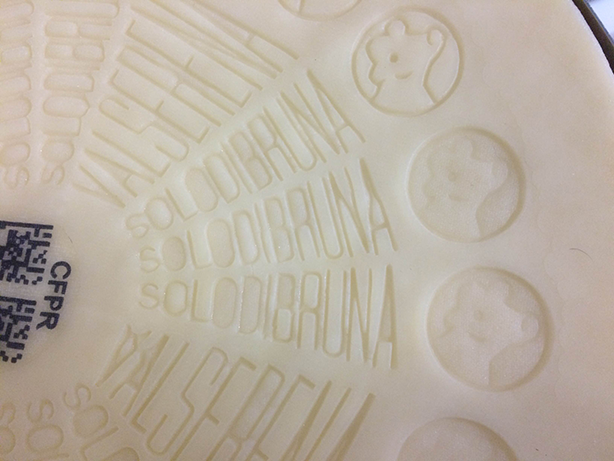
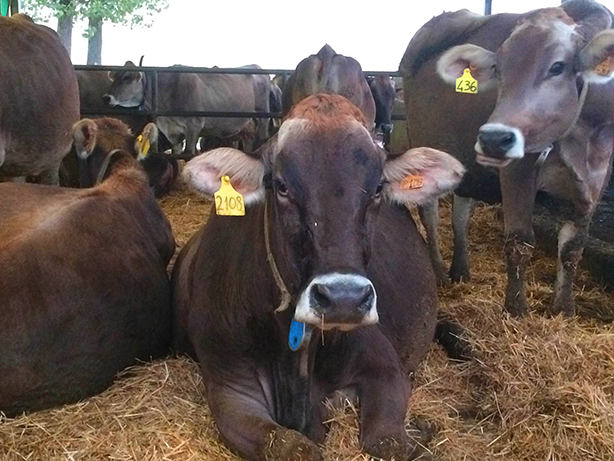
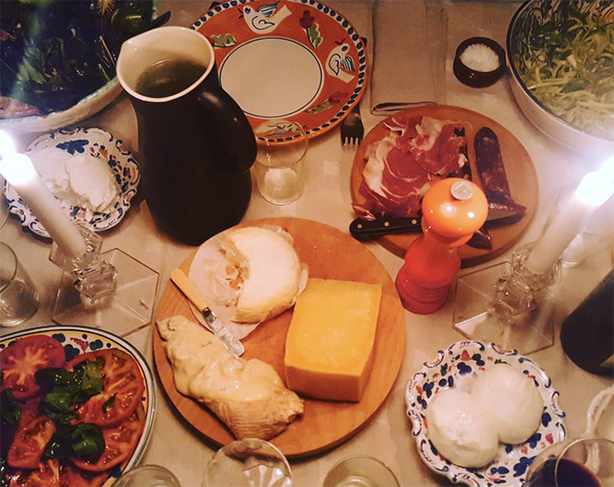
At the Consorzio del Parmigiano ReggianoAri checking out the vats that parmesan is made inOn the way up the mountain to visit Caseifico San GiorgioWrapping gianduja at Moriondo e Gariglio, the oldest chocolate shop in Rome. They’ve been hand crafting chocolates since 1708Inside Salumeria Giuseppe Giusti, a legendary shop that’s been around since 1605!Inside Salumeria Giuseppe Giusti with (left to right) Grace Singleton, Elizabeth Minchilli, and Tammie GilfoylePhoto by Grace SingletonThe cheese at Val Serena is made with milk from brown cows only! (Photo by Grace Singleton)Photo by Grace SingletonDinner on the last night of the trip