
Tag: ARI WEINZWEIG
New crop Ethiopian coffee is in!
I’ve always loved Ethiopian coffee. Ever since I started paying attention to, and appreciating, the flavors of regional beans, the nuances of various roast levels, the variations of crop years and the other elements that make up a really exceptional cup, Ethiopian coffees have kept their spot at the top of my personal taste list. Their remarkable, always interesting, winy, at times blueberry-like, big flavors aren’t, I know, for everyone, but they’re definitely for me. I love ‘em.
Without question, I drink Ethiopian coffees more than any other single offering!
Happily, having just been to Ethiopia (see page 6 of Zingerman’s July/August newsletter) I can see why they’re so special to me. Not only do they taste great. They have a fantastic history to go with them.
Although not that many folks out in the world know it, Ethiopia is the literal homeland of coffee. It’s where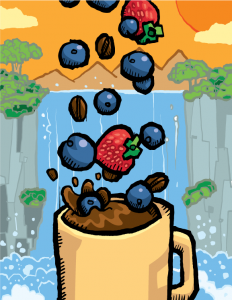 the coffee plant probably originated, and pretty surely where coffee was first consumed as a beverage. As the story goes, a young goat herder named Kaldi noticed his goats frolicking more than usual after eating the berries of a certain bush. He picked the berries and brought them to an Islamic monk who showed his disapproval by tossing them into the fire, from whence the first coffee roasting commenced. Somehow Kaldi decided to grind and brew the toasted beans and, apocryphally at least, coffee was born. Ethiopia is also the place from which Yemeni traders took coffee to Europe and the rest of the world. All of which is why coffee means about 88 times more in Ethiopia than it does anywhere else in the world.
What’s it like everywhere else? In most every other country in which it’s grown, coffee was introduced in relatively recent history, primarily by European colonists, and primarily for one purpose—not to make good mocha available, but to make money. Coffee was grown, not for personal consumption, but almost exclusively, for export. Unlike a garden where you grow your own tomatoes to enhance the excellence of your dining table, coffee was grown for cash. If someone wasn’t making a living growing coffee, he or she could be just as likely to grow tobacco, timber or tea. As a result, coffee is generally well-integrated, and often downright essential, to the economy of places like Costa Rica, Honduras and Kenya, but it’s generally NOT part of the culinary culture. Coffee is important to create jobs, earn income, and pay bills. But brewing and drinking great coffee is just not that big a deal. While clearly coffee has grown to become an important part of the culture (probably in Brazil more than anywhere else) the reality is that instant coffee is still a huge product in most producing countries.
Ethiopia is the exact opposite. Everyone (well, nearly everyone) drinks coffee. Nearly all of it is really good, if not, at times, excellent. More importantly, the majority of the population (there are exceptions) love—and almost revere—the stuff. About half of the annual crop is consumed internally. They appreciate coffee for the income it brings, but they care about coffee emotionally as much as they do their history, the culture, traditional dance, and language. Coffee in Ethiopia is like . . . cheese and wine in France, fish in Boston, rice in Japan, chiles in New Mexico, really wild, wild, rice for the Ojibwe people here in the upper Great Lakes.
How does that play out? Well, for openers pretty much every place serves pretty darned good coffee. To be clear, I don’t say that lightly. Honestly, I would really never drink coffee in a hotel, and only rarely in restaurants unless I know who roasted it and I like and trust the people who run the place. Commercially brewed coffee in those sorts of places is so rarely enjoyable (the general guideline for me is that bad tea is nearly always much, much better than bad coffee) so I just order black tea. But in Ethiopia at nearly every single place I ordered it the coffee was good. That alone is an amazing thing, a feat that would be unthinkable almost anywhere else in the world (including Europe and the U.S.) And some shops serve some seriously great coffee.
Some shops even brew beans from specific regions—called out by name—in Ethiopia. While that might seem mundane to folks in Southeast Michigan who are used to having access to regional and estate offerings of various coffee beans from Zingerman’s Coffee Company or in other quality focused cafés, it’s actually rarely seen in producing countries (other than maybe in a cafés run by growers or government sponsored coffee boards).
Most all of what I had on my visit to Ethiopia was brewed in filter pots and a fair few places used French press pots. A good many others pull shots of espresso (although often much longer shots than we’re used to here). Ethiopia, of course, is the only country on the continent never to have been colonized by a European country. As a result, energy and independence of spirit seem particularly high. Ethiopia was invaded by Italy back in the 1930s. The only big legacies of the invasion seem to be a high affinity for pizza, and the frequent use of Italian coffee brewing methods. Café Macchiato—the traditional Italian style, with only a small bit of milk and a shot of espresso—seems to be the most commonly consumed brew.
Ethiopians do have a very important traditional coffee ceremony which plays the same sort of role there that the tea ceremony does in Japan. Green coffee beans are roasted over hot coals in a metal pan. The coffee is then ground, often with a mortar and pestle. The new grounds are put into a special ceramic carafe. Water is added and brought to a boil so that it starts to rise through the long neck of the carafe. It’s then poured into another vessel to cool it a bit, then boiled again. To serve, the coffee is poured through a filter into handle-less cups. Generally the pot is moved back and forth over the series of cups so that the liquid is evenly distributed. Many Ethiopians add sugar. Some in the countryside add the traditional clarified butter and salt (this version of coffee becomes a bit of a traditional instant breakfast). The grounds are typically brewed three times. Teddy Araya told me that, the first round is called Abol, the second is Tonena and the third is Berk, the blessing. In some places like Tigrai, they serve to the fourth round. The best part is the first since it is the thickest. The subsequent ones will get lighter on every round. In Tigrai, they give the fourth round to kids.
The traditional accompaniment for coffee in Ethiopia? Not a croissant, not a cookie, not vanilla syrup. It’s popcorn. That’s right. If you order coffee in a traditional setting, say after dinner, it will come with a bowl of popcorn. And while that may seem odd, I’ll tell you that it’s actually darned delicious. Try it!
For me, here’s the ultimate testament to the import and care that accompany coffee culture in Ethiopia. When you goto the markets, alongside stalls selling vegetables, fruit, spices, etc. there are many that are selling green coffee beans. A few sell already roasted beans but the majority are still in their green, unroasted state. “Everyone here roasts their own at home,” a friend told us. Since our visit was short and I couldn’t speak Amharic to the men and woman working the stalls, I bought a half-kilo from one woman who seemed nice. She had three baskets (others had even more) of different green beans on display. I had no idea really what I was buying but just for fun, I bought some to bring back to the Coffee Company’s managing partner Steve Mangigian.
When I got back Steve roasted it up. After what I’ve written here, you shouldn’t be surprised to learn it was really good. No, not the single best coffee I’ve ever had in my life—but for a blind random choice it’s actually amazing that it was so tasty. If you’d told me it was a sample from one of our high-end brokers I’d have told you I really liked it, certainly very respectable. Culture, I’ve always believed, is a much better enforcer of ethical standards than any formal certification. The fact that it happened the way it did, by random meandering around the market in Addis Ababa, says a lot. Coffee in Ethiopia is serious business, so much so that market stalls wouldn’t even think of selling something bad. Coffee drinkers won’t tolerate it.
Our current Ethiopian bean from Zingerman’s Coffee Company is, as I said in the beginning, at the top of my consumption list. It’s a new crop—a 2015 harvest of coffee beans from the Harar district in Ethiopia’s northeast. It’s grown at very high altitudes—nearly 6000 feet—which contributes to the quality and complexity of the beans. The city of Harar, which sits at the center of the region, was founded between the 7th and 11th centuries and over time became a significant center of Islamic learning and culture. The Harari language is one of over 80 in Ethiopia! Aside from the excellence of its coffee, the area is also known for its basket weaving, bookbinding and poetry. Speaking of the latter, in the late 18th century it was home to the French poet Rimbaud. More importantly to matters at hand it’s said to be the first region in which indigenous wild coffee was domesticated.
The best Harar coffees, like this one, have wonderful winy, fruity flavors that remind me of blueberries, or at times maybe blackberries. It is a “natural” or “dry” processed coffee. The pulp of the coffee “cherry” is left on the “beans” in the center and dried naturally in the sun, which yields a more intense, fruity, full flavored coffee, which is, of course, the kind that I particularly love.

Available at Zingerman’s Coffee Company and Zingerman’s Deli!
Tag: ARI WEINZWEIG
What’s in your cup?
Sitting in a café in the town of Metsovo in northern Greece many years ago, I innocently ordered tea. I was expecting the usual uninteresting bag of commercial black tea that I’ve come to expect almost everywhere in Europe. But before the waiter could leave the table, my late but much-loved friend Daphne Zepos (see the Epilogue in Zingerman’s Guide to Good Leading. Part 3 for much more on this amazing woman) asked me if I wanted “regular tea or mountain tea?” Never having heard of the latter, but ever the inquisitive eater and drinker, I shrugged my shoulders and said, “Why not? I’ll try mountain tea.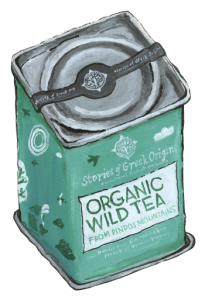
A few minutes later it arrived—a bouquet of long light green stalks with tiny flowers and buds attached steeping hot water. Its aroma was excellent—a little sweet, a touch of mountain meadow. It has light amber color and a compelling, sweet perfume and a lovely, light, naturally sweet flavor that hints of thyme, lemon and anise.
In Greek, the mountain tea is known as tsai tou vounou (“TSAH-ee too voo-NOO”). After literally months of trying to find out the English name I’ve gotten that what they serve is called Diktamus. Others have said it’s actually called Sideritis or ironwort. It’s a hardy, flowering perennial that’s well suited to survive with only minimal water and rocky soil. Whatever it is, it’s worth trying if you’re looking for an herbal brew to experiment with. To brew it, you simply break up the branches, then boil them for about 5 minutes in water, then strain and serve. Like some green and oolong teas, you can get more than one brew from each bunch of buds.
Our terrific Greek mountain tea is coming through our new-found food friend, Vivianna Karamanis, who’s got an eye and a palate for extremely excellent products (try some of the roasted pepper-tomato sauce we’re getting from her at the Deli). This wild Greek Mountain tea is from the Pindos mountains in northwest Greece, where it’s gathered by hand over 3000 feet up. Only the flowers and the small bit of the most tender stems are used. More commercial brands will include much longer pieces of stem which also tend to woodiness and are less sweet.
It brews up into a light golden liquid that has a naturally sweet flavor. In Greece it’s consumed as much for health as for pleasure. It’s an old school remedy for colds, muscle pain, and more. Wild grown herbs like this are generally acknowledged to be more potent in that regard—the cultivation of plants doesn’t quite replicate what happens when nature is left to her devices. The high altitude growth tends to concentrate essential oils even further. Vivianna’s mountain tea is also certified organic. Many Greeks like to add a bit of thyme honey to sweeten it further but I drink it as it is. Great with a bit of a biscuit from the Bakehouse or some toast and jam.
Tag: ARI WEINZWEIG
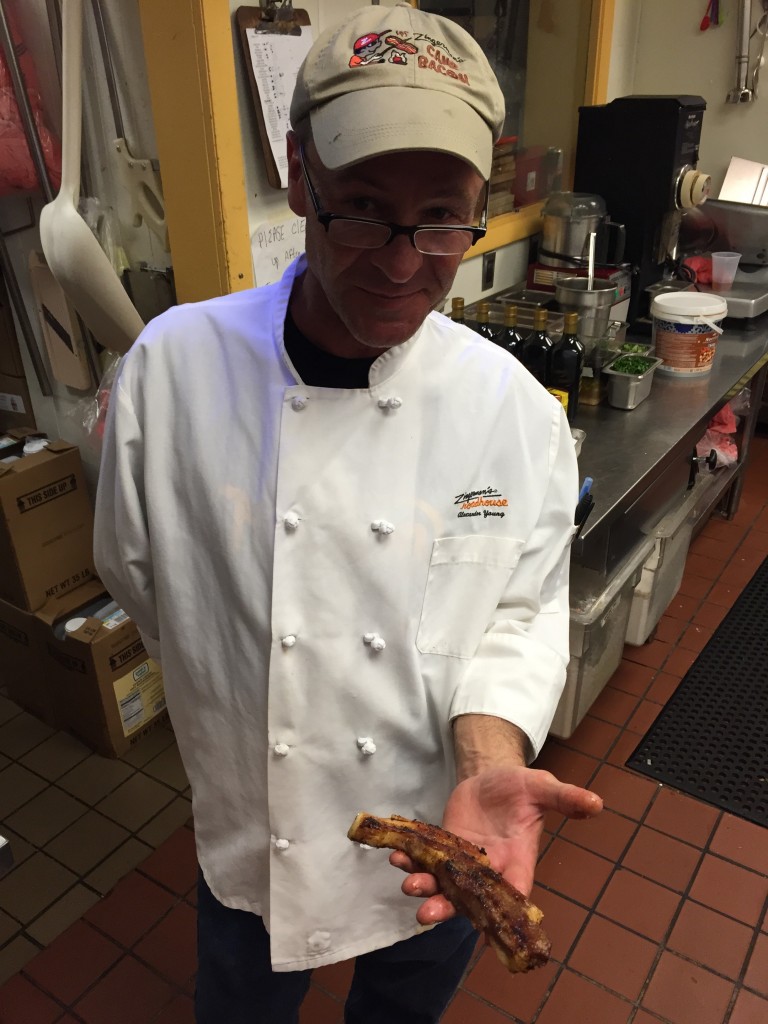
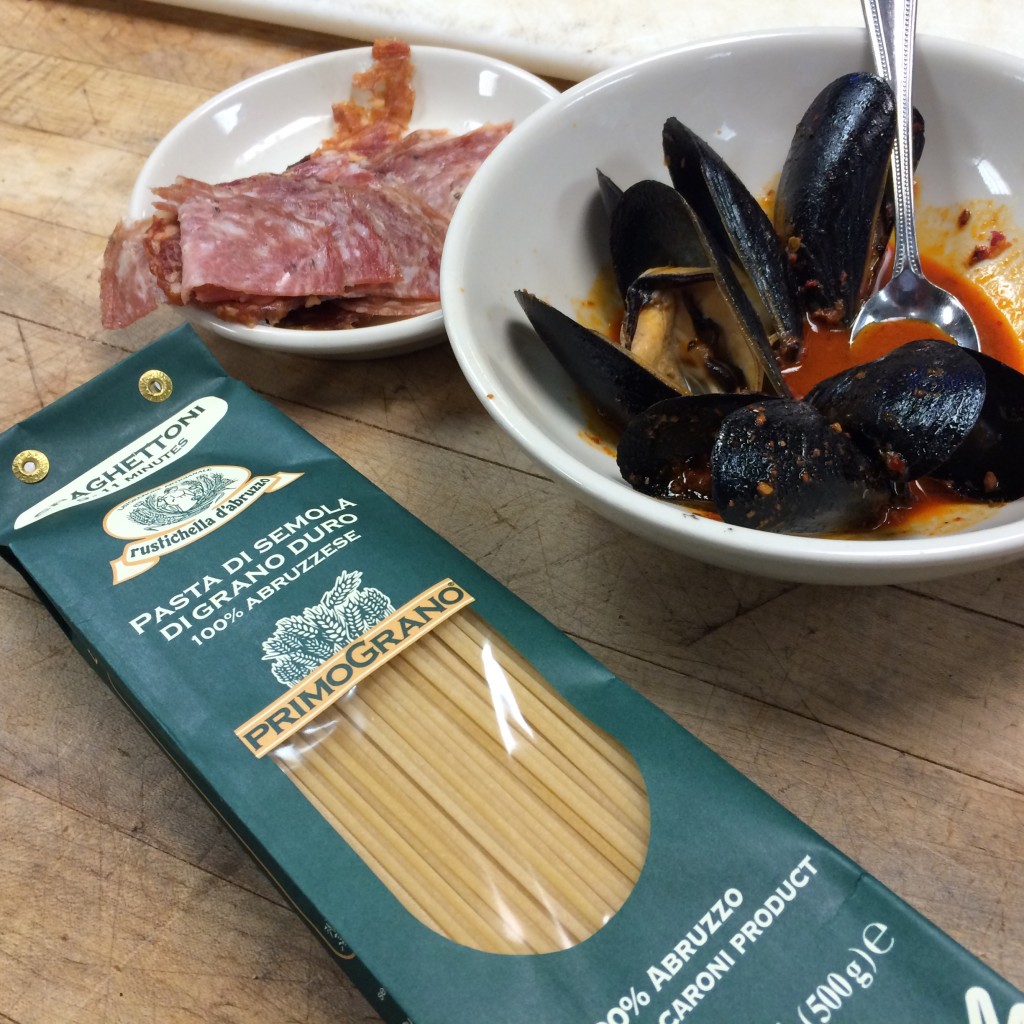
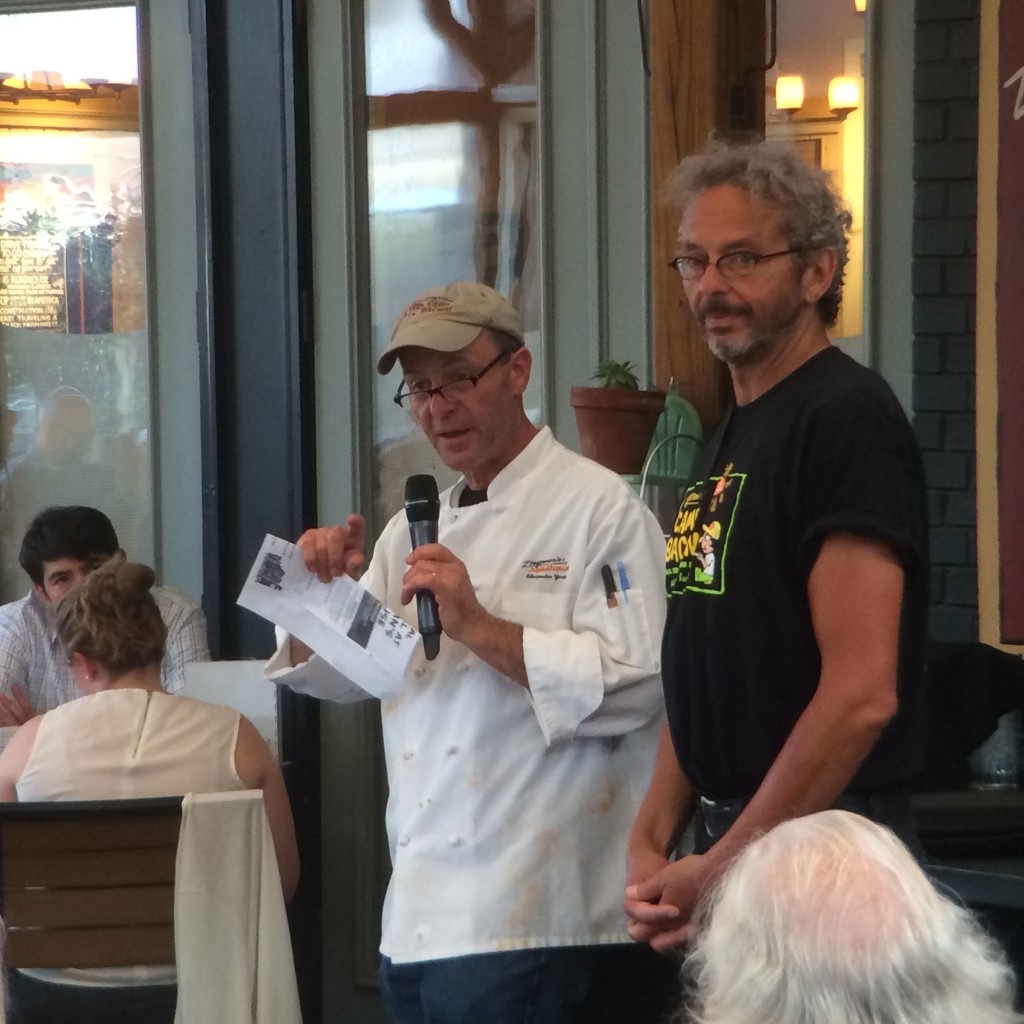
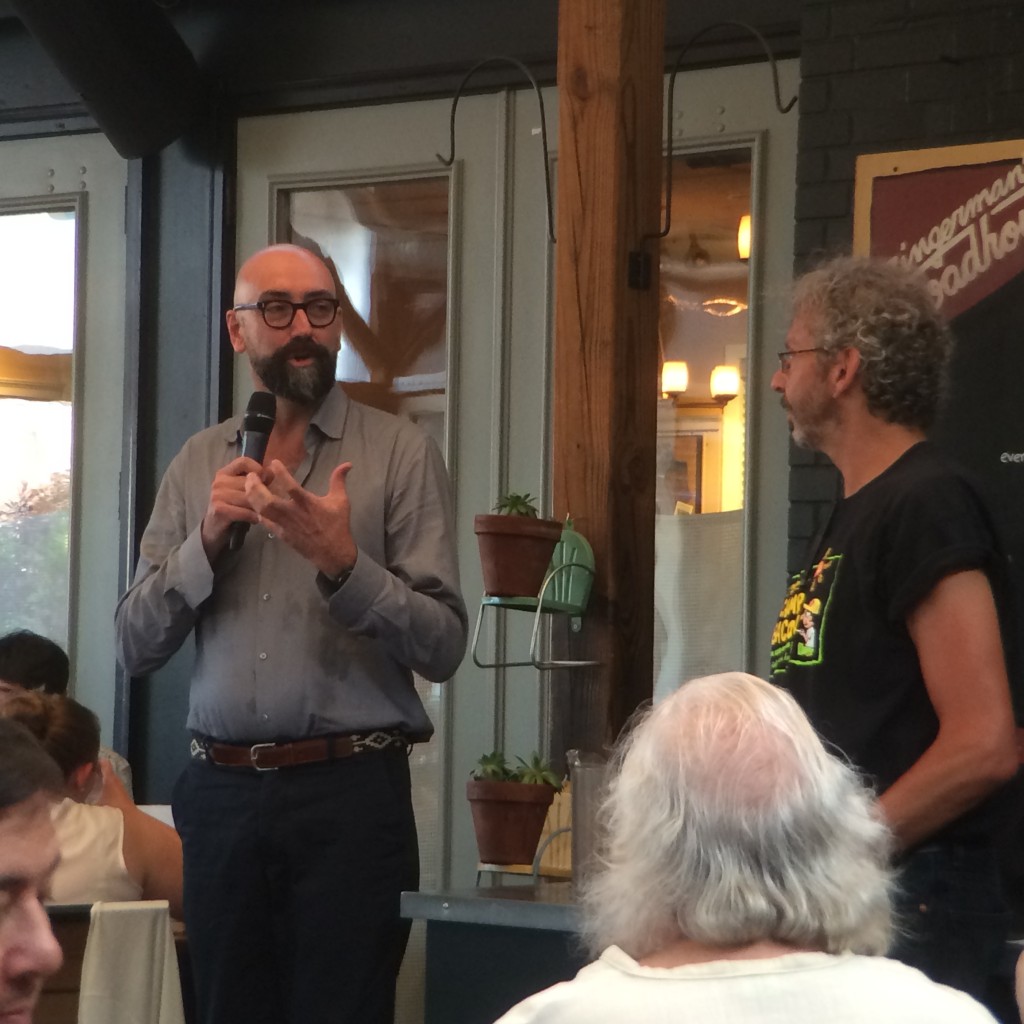
Last night we held our annual Bacon Ball at Zingerman’s Roadhouse. Our special guest for the evening was Rolando Beramendi, founder of Manicaretti Italian Food Importers. Rolando and Roadhouse Chef Alex Young put together a terrific menu based on the evening’s theme of Pancetta, Pasta, and Passion.
Here are some of the highlights of the evening:
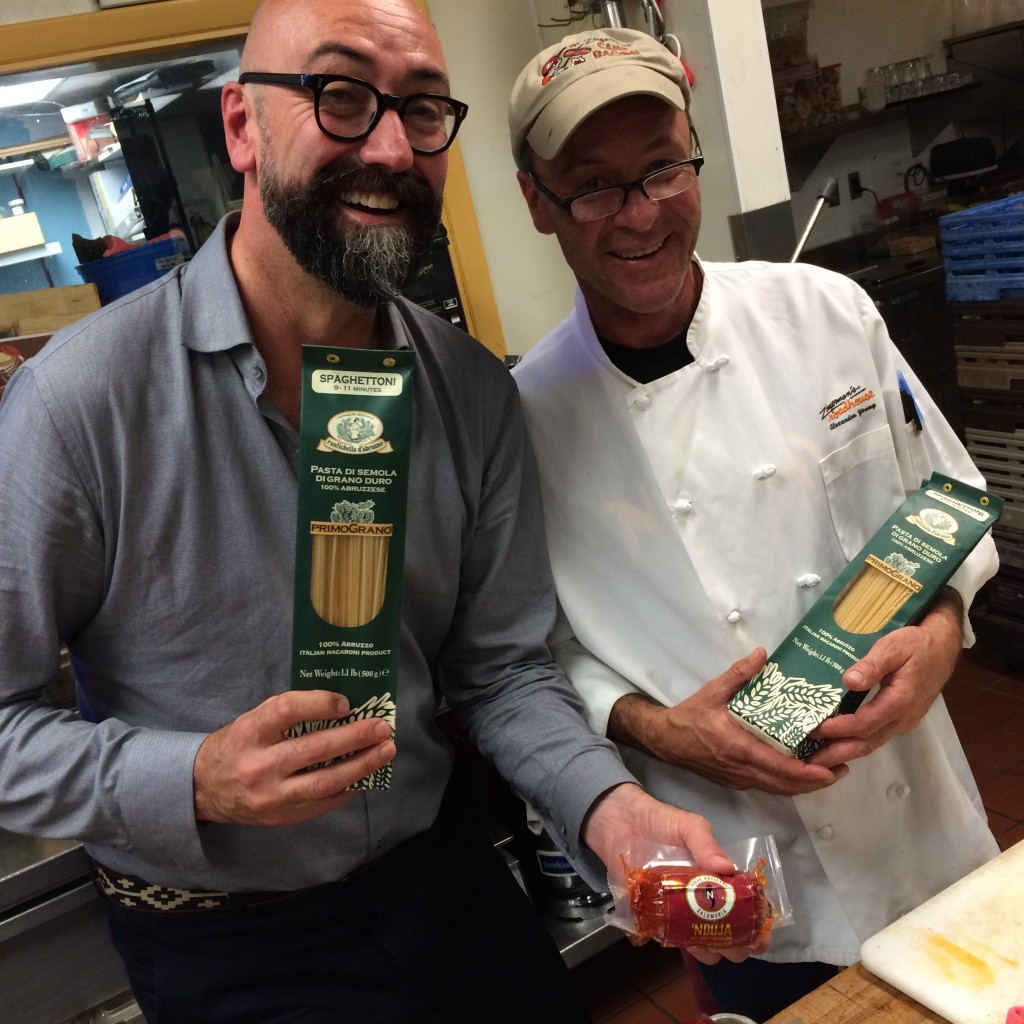
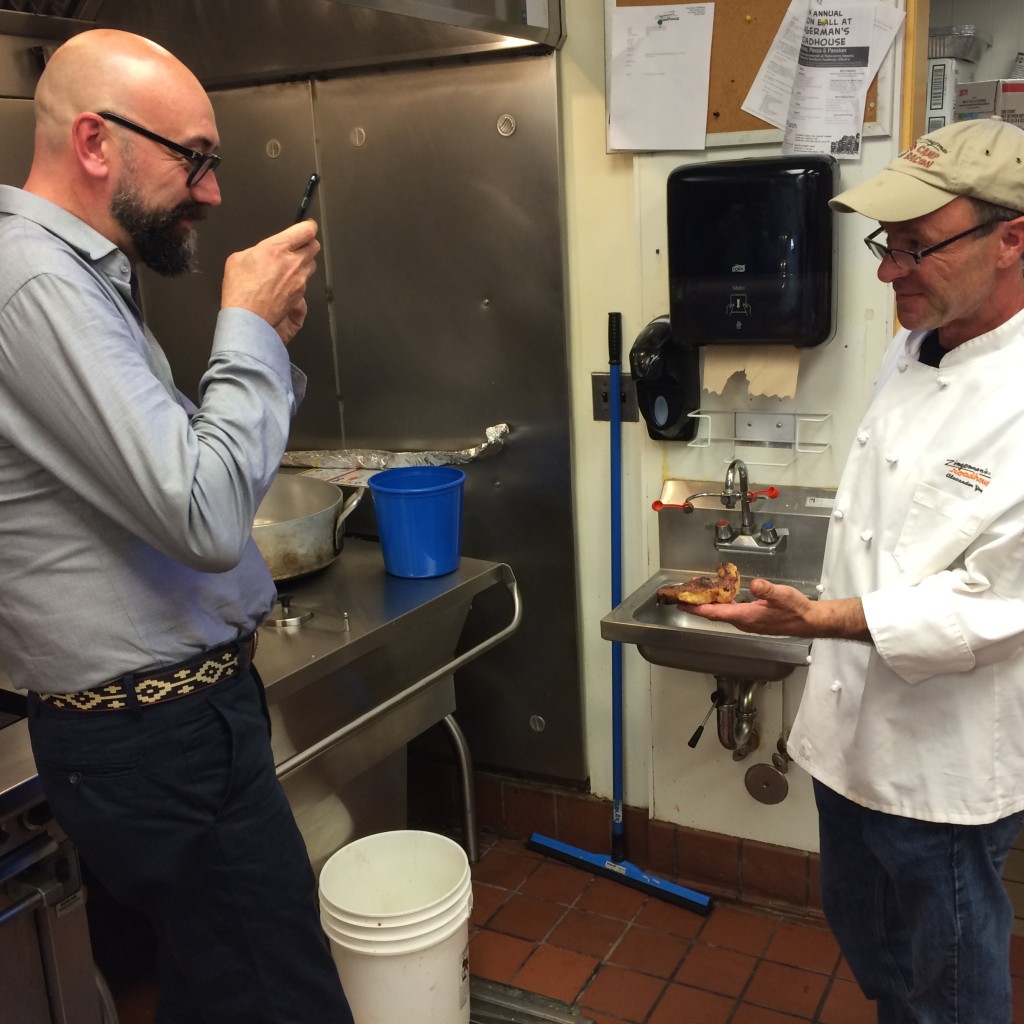
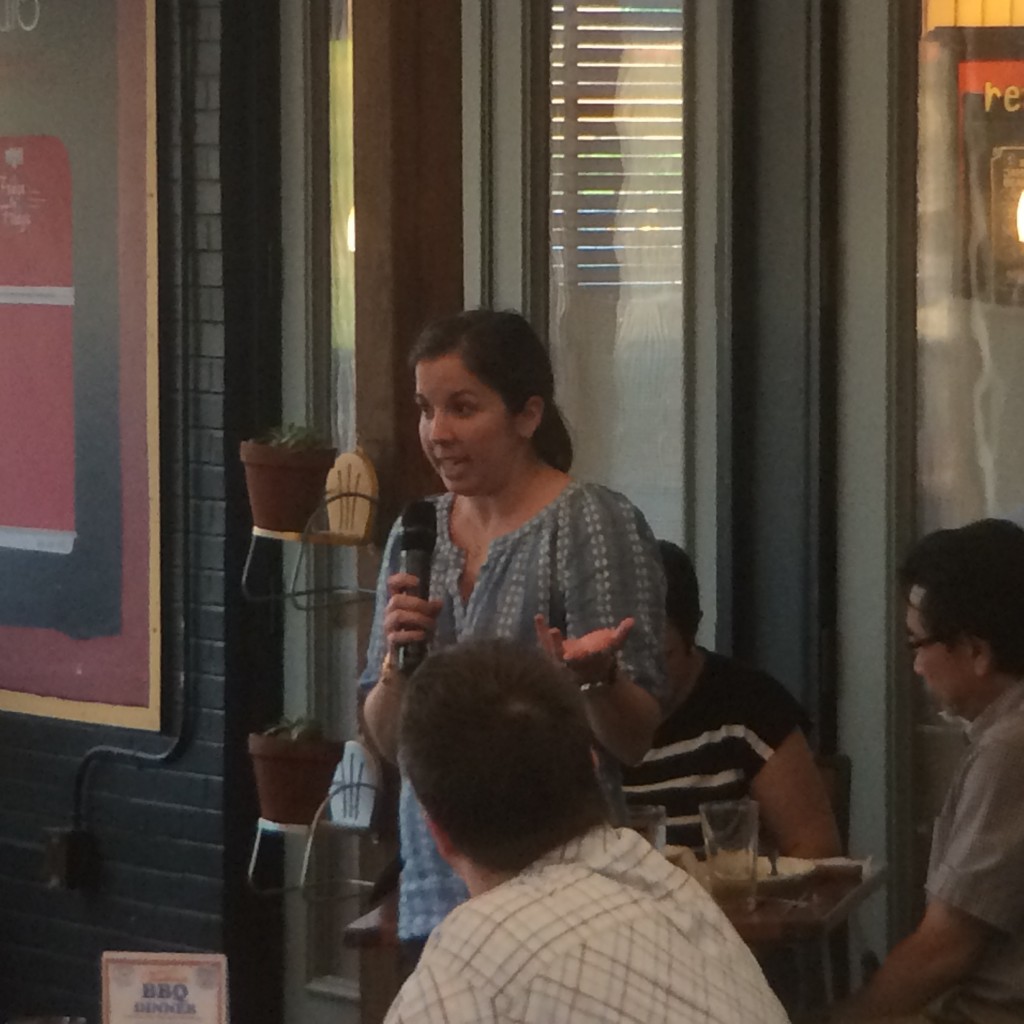
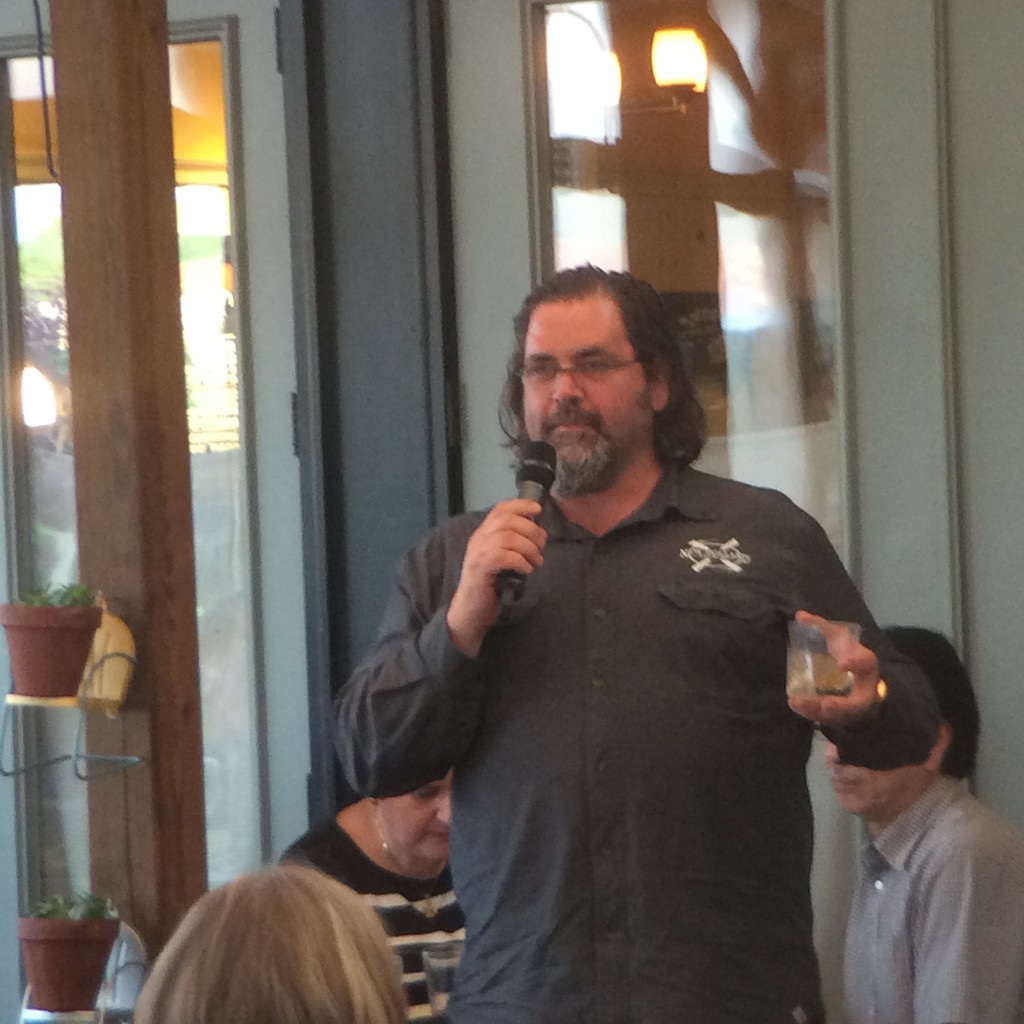
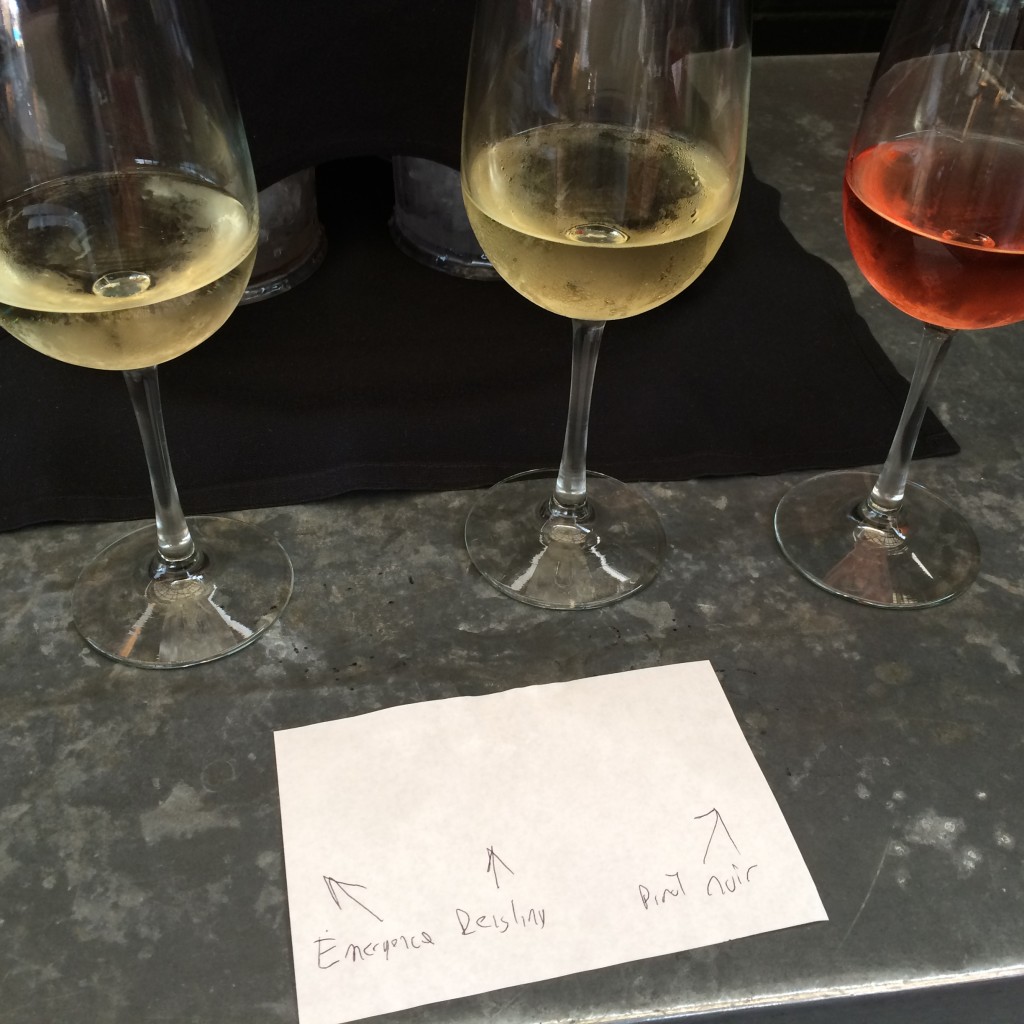
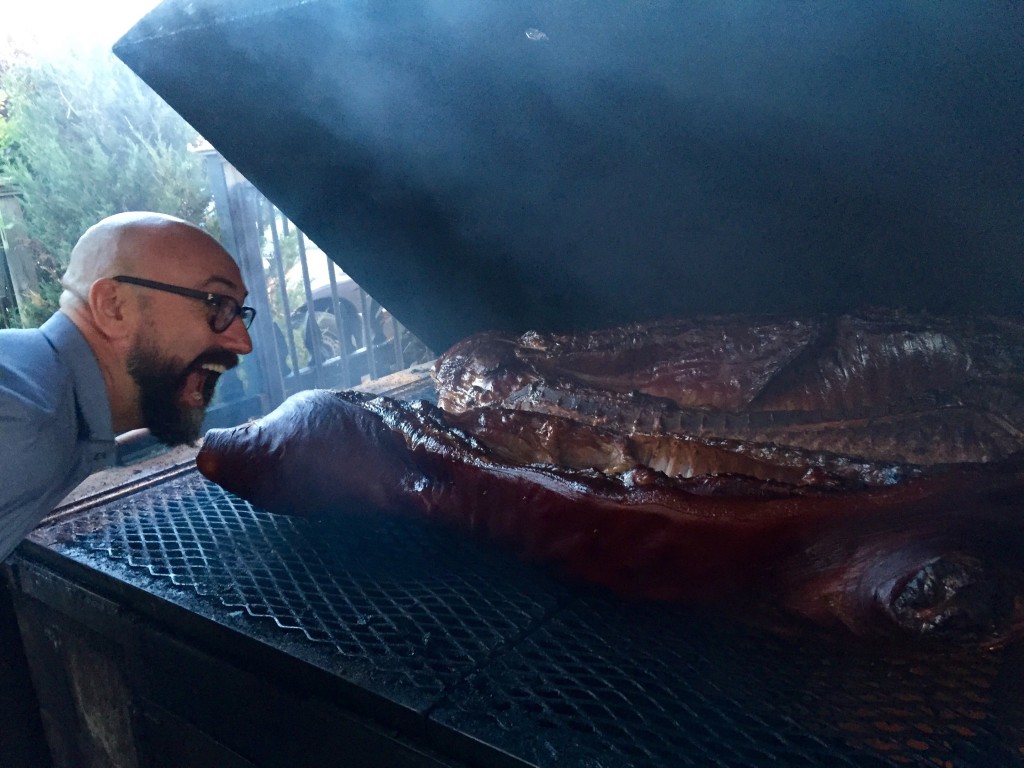
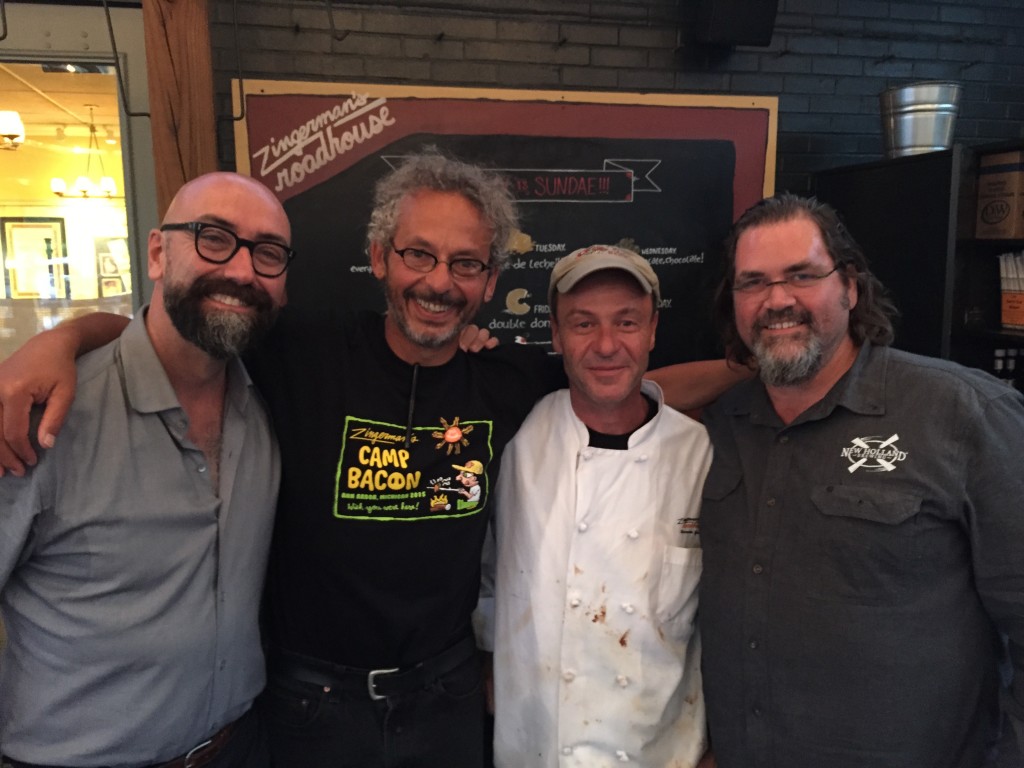
Camp Bacon rolls on with the Main Event tomorrow morning, the Pig Pickin’ Dinner on Saturday night, and then wraps up on Sunday with the Bacon Street Fair.
See you at camp!
Tag: ARI WEINZWEIG
Small Booklets; Big Ideas
We all have a special place or two. You know, those semi-secret spots that we return to now and again to reconnect with meaningful experiences in our past. For me, the Labadie Collection, up on the 7th floor of the University of Michigan’s Graduate Library, is one of those spots—my secret garden of anarchist intellectual activity. Back in my student days, I used to spend a fair bit of time sitting quietly at the long wooden tables there, pencil in hand (no pens are allowed), looking lovingly through the country’s leading collection of anarchist and other radical writings.
I was particularly drawn to the old pamphlets: small booklets put out a century or so ago to convey the views of anarchist writers like Emma Goldman, Peter Kropotkin, and Jo Labadie, the man who donated the original contents of this special collection. There are over 30,000 pamphlets in the archive (along with many thousands of books, posters, and other printed materials). Back at the turn of the 20th century, pamphlets served much the same role in society that the Internet does today. They gave writers a way to share strongly held views, quickly and at low cost, with a large number of people, many of whom had neither the time nor the means to buy an entire book.
In the spirit of those anarchist publications that I love so much, we’ve decided to print the individual “Secrets” from the Zingerman’s Guide to Good Leading series as pamphlet-sized publications. While of course I love it when you buy a whole book, I’m honored to make the essays available in this form. Though these booklets are small, I hope the ideas inside provoke big thoughts for you as you read in the same way that Emma Goldman and her compatriots did a century or so ago.
– Ari
Here are the first pamphlets coming out from Zingerman’s Press:
Secret #1
The Twelve Natural Laws of Business
The keys to running your organization in harmony with human nature.
Secret #6
Revisiting the Power of Visioning
An in-depth look at just how amazingly powerful the Zingerman’s visioning process can be.
Secret #7
Writing a Vision of Greatness
The basics of our approach to vision writing, including the four elements of an effective vision at Zingerman’s.
Secret #9
An 8-Step Recipe for Writing a Vision of Greatness
The recipe that we’ve used here at Zingerman’s for over twenty years and taught to thousands around the country and the world.
Secret #19
Fixing the Energy Crisis in the American Workplace
How working in violation of the Natural Laws of Business has created an energy crisis in the workplace and what we can do to help restore the natural human energy, creativity and intelligence of everyone in our organizations.
Secret #29
Twelve Tenets of Anarcho-Capitalism
A look at my views on how the tenets of anarchist thought can be put to work in the world of progressive business.
Secret #35
The Power of Personal Visioning
An in-depth essay on how to take Zingerman’s approach to visioning and put it to work to help you create the life you want to lead.
You can find the full Secret Pamphlet series at Zingerman’s Coffee Company, Zingerman’s Roadhouse, ZingTrain, or online at the Zingerman’s Press website, or at the ZingTrain site.
See you soon!
Tag: ARI WEINZWEIG
Paul and Ari deliver message of generosity and kindness
This past Saturday, Zingerman’s founding partners had the distinct privilege of giving the 2015 Spring Commencement address for graduating University of Michigan students at Michigan Stadium. Both Ari and Paul are University of Michigan alumni.
Each also received an honorary Doctor of Laws, and they shared this honor with five other notable people who also received honorary degrees:
- The Honorable John Dingell, former U.S. Congressman for Michigan’s 12th Congressional District, Doctor of Laws.
- Sanford R. Robertson, pioneering venture capitalist, founding partner of Francisco Partners and U-M alumnus, Doctor of Laws.
- Robert J. Shiller, Nobel Prize winning economist, best-selling author and U-M alumnus, Doctor of Science. Dr. Shiller also is Rackham Graduate Exercises speaker.
- Robin Wright, award-winning journalist, author, foreign correspondent and U-M alumna, Doctor of Humane Letters.
- Dr. Tadataka Yamada, global health expert and former faculty member in the Medical School, Doctor of Science.
Here’s a link to the ceremonies on YouTube. Paul and Ari’s address begins at the 59:50 mark.
The full transcript of the speech appears below.
University of Michigan Commencement, May 2, 2015
PAUL: When most people think of Zingerman’s success, they picture a line of people stretching from Detroit St. to Division, A sandwich so big it takes two hands to pick it up. And when you finally bite into it the Russian dressing rolls down your arms. Reporters write about our vision, our values, and our marketing skills.
ARI: There’s huge value, of course, to each of those things. But what very few folks ever ask, what reporters rarely write about, and what hardly anyone seems to really be all that interested in, is what we believe. While vision, values, quality, customer service, marketing, and making money are all important, we believe . . . that what we believe . . . makes a big difference! The beliefs that we choose—or those we hold, but don’t acknowledge—will form the footprint for everything else that happens in our lives. As writer Claude Bristol said 75 years ago, “As individuals think and believe, so they are.”
PAUL: To be clear, it’s not for us to tell you what to do with your lives once you leave here.
ARI: But we can share with you some of the key beliefs that underlie all that we’ve done in our organization, beliefs that have laid the base for us to build a healthy business that provides meaningful employment to over 700 people. Beliefs that contribute positively to our community in many, many ways. Beliefs about people and processes that are being adapted in places as far afield as Australia, Slovakia, and Ethiopia. Beliefs that have helped build a business that—33 years later—we both still love working in, literally, every single day. Paul?
PAUL: I believe it’s rarely a good idea to read the comments others make about you on social media, but who can resist? Right after we were named as commencement speakers, I read this post: “WOW, WHOEVER WAS THE FIRST CHOICE MUST HAVE BACKED OUT.” I laughed, too, but it hit me what an immense honor and opportunity this was. In the interest of reciprocity, I committed to give to you the best of what I have to offer . . . other than a $16 Rueben.
To do that Class of 2015, mentally pull up your “Must Have” list for success and scan it. Really, take it out and give it a good look. Raise your hand if joy is at the top of that list? It wasn’t on my list when I graduated from this fine institution. Joy is not the typical yardstick of success. Will the bank ask for your joy quotient when you renegotiate your student loans? Not likely. So why would you want joy on your list, and what IS it, anyway?
Joy is a feeling so profound that it sits at the top of the human experience chart. Just above love and just below peace and enlightenment. To feel joy, you don’t have to wait until you’re old, like us, I believe you can have it now, starting today. How? Generosity.Generosity leads to joy. It’s simple and it’s guaranteed.
Generosity follows the natural law of the harvest—you reap more than you sow. When you give, you get more back. Minimally, you get a joy buzz. Research tells us that generosity kicks off a “feel good” hormone in your brain called the “helper’s high” that can last up to two hours…and it’s legal. Even outside of Ann Arbor.
I am not telling you to take a vow of poverty. Earn money, as much as you like. See the world. Buy a nice car. Get rewarded for hard work. Just know that these things don’t bring joy like being generous does.
Another natural law of generosity is that it’s self-perpetuating—just like the yeasty starter the Bakehouse uses to bake zillions of loaves of Zingerman’s rye and sourdough breads. What applies to bread applies to people. The mother starter of Generosity is also passed down through generations. This was proven in a study by the National Academy of Science where one person’s act of generosity inspired others to be generous, spreading to dozens, even hundreds, of people, known and unknown.
I’ve got my own proof for you: three true stories from my life illustrating the natural laws of generosity.
I’ll begin with “my starter”—my grandfather, Ben Sherman. We called him Zadie. That’s Yiddish for grandfather. I think about his big smile and hearty laugh, how he warmed me with his presence. I realize now that he was joyful because he embodied generosity. In my early teens, I worked at his machine shop in a rough part of Detroit. Frequently, homeless men wandered into the shop looking for a hand out, and Zadie invited each one to go next door to Joe’s Bar and Grille, saying, “Get yourself a hot meal and put it on my tab.” Zadie told me two things I’ll never forget: “Half of what you have belongs to those who need it,” and “If you’re successful, make the people around you successful.” With this wisdom in mind, Ari and I added the crucial ingredient of generosity into Zingerman’s business plan from day one.
My second story has Mrs. Johnnie Mae Seeley as the “starter.” She is a tiny, elderly angel in our neighborhood who got the Deli to bag up our unsold bread and rolls every night for her church to parcel out. Her generous act inspired Zingerman’s to found and launch the nonprofit Food Gatherers in 1988 with a mission to eradicate hunger in our county. 27 years later, Food Gatherers distributes over 6 million pounds of food every year to our neighbors in need. Every day I feel profound joy for the work Food Gatherers does in our community.
My final story demonstrates how Zingerman’s Community of Businesses, our partnership model based on Zadie’s advice of making those around you successful, was put to the test in 2001. Ari and I had pledged a quarter of a million dollars to build a shiny commercial kitchen inside the county’s new homeless shelter. Our funding was to come from a business venture slated to open at Detroit’s new McNamara Terminal. Several days after 9/11, the airport project folded, and our kitchen funding vanished. When I heard this, I actually had to lie down on the floor of my office for over an hour. Ari and I had to break the news to all of our Zingerman’s partners in the wake of the national tragedy. It was agonizing. How were we going to honor our commitment? What happened next would have made Zadie and Mrs. Seeley weep with joy. Our partners shocked us with their decision to take on the entire quarter million dollars. I was stunned and overcome with joy our partners had now become the next generation of starters. Seeded by their generosity, today that kitchen prepares one hundred thousand hot meals each year.
So . . . when you leave here today with your Must Have list, I invite to measure your success, not so much by what you gain or accomplish for yourself, but rather by what you contribute to others. I believe practicing generosity is the way to joy. It’s free for the taking. Or should I say . . . for the giving.
Ari? I told them what I believe. What do you believe?
ARI: I believe that active, engaging, interesting learning is very clearly at the core of a great life. Probably the one thing that this amazing institution—of which everyone, in this very big emotional and intellectual house, is a part—has been trained in, more than any other single thing, is how to learn. The challenge though is that, when you leave here today, there are no more grades to be gotten, no more professors to pass judgment. And when there’s no one pressuring us do to it, there are a hundred reasons not to open a book, not to go to an interesting lecture, not to read a poem. Working hard at learning doesn’t win headlines, but it’s clear to me that the people who keep doing it regularly almost always live powerfully positive lives.
I believe that our lives are radically more rewarding when we actively own our choices. I wish I’d understood this the day I graduated—unfortunately it took me another fifteen years to figure it out. Owning my own choices changed my life. The reality of the world is that—everything I do, everything you do, is a choice. No one made us go to school, no one makes us to go work, or read a book or be kind. No one makes us do anything. We can choose to be generous, we can choose to care, we can choose to make a positive difference. Perhaps most powerfully of all—if we choose to pay attention—we have the power to choose what we believe.
I believe that, although history focuses mostly on the big headlines, it’s really the little things that matter most. Your grandmother’s hug today. The notes you took on your favorite book assignment this year. The small gesture of generosity you did to help someone in need. A thank-you note to the people who clean the rooms, and run the phones, and make this university go, so that you and I could go to class and get grades and graduate. In that sense, I believe with great strength that everything matters and everyone matters. The people who are least likely to be consulted in a company, or included in society. The sky. A smile. The stars. Your mother. This moment. Your dog. The person you walked by on the stairs on the way in, and the one you walk by again on the way out.
I believe that simple kindness matters more than most people will admit. That if instead of getting angry at others, we appreciate; that instead of blaming, we give blessings; that instead of keeping score we live out the generosity of spirit that Paul just detailed so powerfully. Kindness is free, and kindness counts! We believe what Paul Hawken wrote: “Being a good human being is good business.”
I believe that—contrary to what much of the world would say—hard work can be one of the most rewarding things one ever engages in. Not just any work, but good work, work you believe in, work that brings the generosity and joy that Paul just talked about so beautifully; work that makes a positive difference for you, for the world; work that matters, work that you care about. Hard work like that may not get the glamor, but it is almost always exceptionally rewarding.
I believe that perhaps the hardest work we have to undertake is the work no one else sees, and that no else can ever do for us. It’s the lifelong challenge to manage ourselves effectively, to make peace with ourselves and turn our natural ability into a positive and powerful presence in the world. Although it almost never comes up in post-graduate conversation it’s at the core of everything else we will ever do for the rest of our lives.
I believe that everyone—everyone—in the world is a unique, caring, creative, individual. Walking our own way while still respecting the world around us is no small feat. Holding our own course can be uncomfortable, but it’s essential if we’re going to truly live lives that we—not everyone else who has input—really own. Despite what higher ups in the hierarchy might tell you, I believe what Rollo May wrote—that “The opposite of courage in our society is not cowardice, it’s conformity.”
It was hard for me to comprehend when I was 21 but I believe, ever more strongly with each passing day, that every single minute really does matter. Life, when it comes down to it, is very, very short. There are a thousand reasons to sleep in, to drink another beer, to put things off till tomorrow or two weeks from Tuesday. But I believe what author Annie Dillard said—that, “The way we spend our days is the way we spend our lives.” Every minute we spend worrying, every minute we spend waiting for someone else to improve, is a minute we don’t spend doing something meaningful for the people we care about, for the world, for ourselves.
I believe that going for greatness, greatness as you—and not everyone else in the world—defines it, is energizing. I believe that uniqueness like that is exciting. Empowering. Emma Goldman said “When we can’t dream any longer we die.” Choosing greatness, choosing to push your own envelope, to find ways to be more generous, to find more joy, to learn more, study harder, and make a more positive difference is what leads to a great life.
I believe that one of the best ways to makes our lives into the artistic, positive, amazing existences we want to them to be, is to write out a vision of what that life will look like when we’ve successfully made it a reality. I believe that anyone of you who is willing push “pause,” and to gently ask the voices in their heads to step aside for an hour so you can write out that kind of personal vision of greatness, their true dream, can come darned close to making that life a reality. They may not make the most money, they may not have the fanciest car, but they will find fulfillment and equally importantly they will help many others find it as well. The visioning process, the initial work on which was done here at U of M fifty years ago, is the single best tool I know to make that happen. And I’m happy—though it might take a while if you all take me up on it – to meet with any graduate who wants help with the visioning process. I believe that anyone who does that work will pretty surely lead an amazing life.
Most importantly, for today’s purposes, I believe in YOU—by dint of the fact that you have done what you have done to earn the right to be here today, both you and the world know that you have the intelligence, you have the emotional resilience, you have the connections, you have the capability, to do great things. To help make the world a meaningfully better place than it was yesterday You have the power. As African American anarchist Ashanti Alston said: “You all can do this. You have the vision. You have the creativity. Do not allow anyone to lock that down.”
PAUL: Class of 2015, congratulations! Be generous!
ARI: Be joyful!
PAUL: Be great!
ARI: Make a difference!
Kudos to Paul Saginaw and Ari Weinzweig!
Tag: ARI WEINZWEIG
A cheesematters q&a
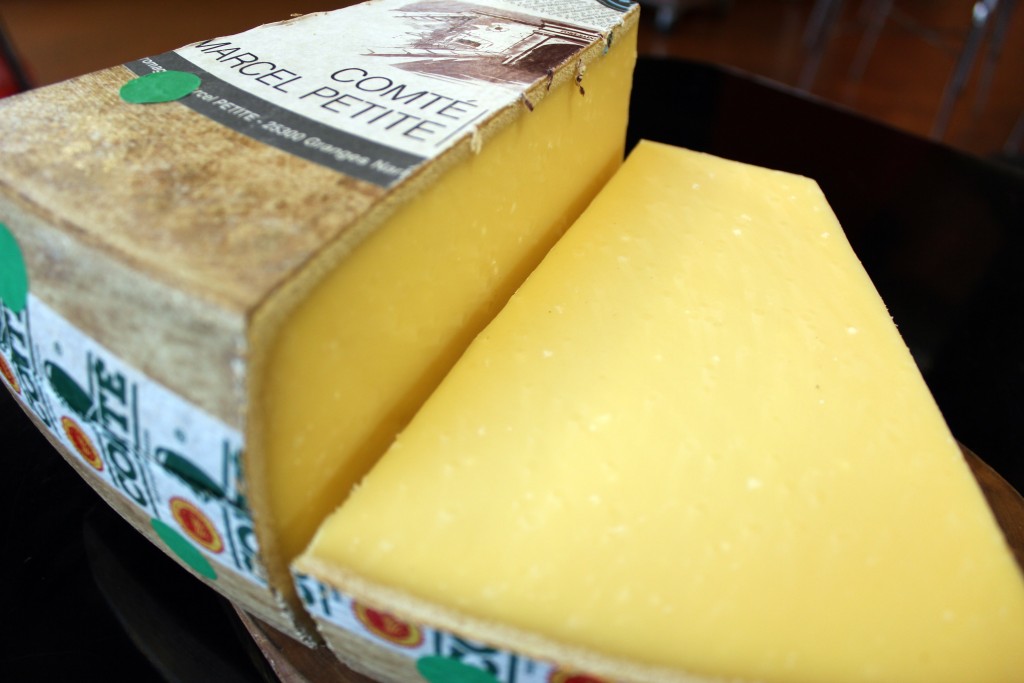
Cheese of Choice:
With humble beginnings as a neighborhood deli, how did specialty foods and specifically artisan cheese become such a strong focus?
Ari:
We’ve always been focused on full-flavored and traditional foods. That was true from the beginning! And it’s still true now. Over 33 years we’ve learned a LOT! Which of course means that we’ve been able to raise the quality bar on everything we make and sell.
C of C:
You were awarded with a Lifetime Achievement Award from the American Cheese Society in August. CONGRATULATIONS! How have you seen the American cheese community grow through the years and what has motivated you to invest so much passion and energy into it?
Ari:
It has changed enormously! When we opened there were very few American artisan cheesemakers left. A few that come to mind are Vella cheese and Franklin Peluso in California, the Widmer family and Albert Deppeler in Wisconsin. Crowley and Graftonin Vermont, And a few folks starting to make artisan cheese; Laura Chenel comes to mind. Paula Lambert, Vermont Creamery, Westfield Farms came along around that time as well. I remember our first air-shipped order of Laura’s goat cheese arriving at the Deli. Back in ‘82 imports dominated. Today there are so many good American cheeses that we can’t even come close to stocking them all!
C of C:
You are an outspoken proponent of traditional and raw milk cheese. Why are they important?
Ari:
Spanish philosopher Jose Ortega y Gasset said, “A people that abandons its traditions is like a tree with rotten roots. It ends up getting blown away by the wind.” We work hard to be true to tradition and that means, when we can, working with raw milk cheese. It’s clear, of course, that one can make good cheese using both pasteurized and unpasteurized milk, and also bad cheese with both pasteurized and unpasteurized milk. But as a broad general statement I think most folks in the artisan cheese world will agree that great raw milk cheese is a pretty special thing. Consider that the traditional cheese of Louis Pasteur’s home region of Comté must still by law be made only with raw milk!
C of C:
I love that you describe yourself as an anarcho-capitalist, which means among other things, that you believe in the importance of free choice. What is the relationship between cheese and choice?
Ari:
I’ve focused a lot on choice on an internal level. To be mindful of the reality that we’re all making choices all daylong, often about things we don’t even realize that we’re doing. Smiling or not smiling? Being empathic or not, being kind or not, forgiving or not. But clearly free choice in the physical world is of equal import. Given that there have been so few real problems to come from properly made raw milk cheese over the years it seems like the consumer ought to be able to make the choice for his or herself. If you look at all the things we’re legally allowed to do that seem more dangerous than eating cheese, it seems very reasonable that consumers would get to make the call themselves to continue to enjoy some of the world’s best cheese!
C of C:
In your Lapsed Anarchist book series you talk about the overwhelming importance of vision on both the professional and personal scale. Could you elaborate on what “vision” isand why it’s important? What is your vision for the ideal future of traditional cheese?
Ari:
A vision, as we define it here at Zingerman’s, is a picture of what success looks like for us at a particular time in the future. It’s not just a set of financial targets, though it may includes some numbers so that we have sense of scale, scope and clear sense of where we’re headed. Nor it is just nice platitudes or a couple of inspiring, but not particularly meaningful, phrases.
For us, an effective vision needs to be, a) Inspiring to all that will be involved in implementing it; b) Strategically sound, i.e., we actually have a decent shot at making it happen; c) Documented; d) Communicated. I’ve written a lot about it in Part 1 of the Zingerman’s Guide to Good Leading series. My vision for traditional cheese? That there is ever more well-made, traditional cheese, matured, sold and eaten in the US and around the world. That in the process we’ve helped to restore sustainable agriculture in the countryside, helped consumers and chefs and caterers have access to some amazing, hand-crafted, full-flavored cheese. That the cheese makers and retailers and distributors involved are making a reasonable living doing it. And that great cheese has become an accepted element of good American eating!
C of C:
For individuals who want to help support traditionally produced cheese, traditionally produced foods in general, what can they do?
Ari:
Other than supporting the Cheese of Choice Coalition? I guess buy and serve a lot of it! And then certainly speak to local representatives. And sing their praises far and wide!
C of C:
Like you, as a youth I was much more likely to be found eating Kraft Macaroni and Cheese than hand-crafted Camembert, and powdered parmesan than Parmigiano. Do you have an all-time favorite traditional recipe or pairing that’s uses raw milk cheese?
Ari:
Wow. There are so many. Aged Emmental Swiss with a really good mustard. Parmigiano Reggiano with a great honey. I love Italian chestnut honey, but really any of the amazing varietal honeys we’ve got at the Deli would be delicious. Fondue Comtoise (made with Comté cheese), Aged Tuscan sheep cheese with pears.
Zingerman’s is celebrating Raw Milk Cheese Appreciation Week through April 25! Take advantage of all our great raw milk cheeses this week!
See you soon!