
Tag: CORNMAN FARMS
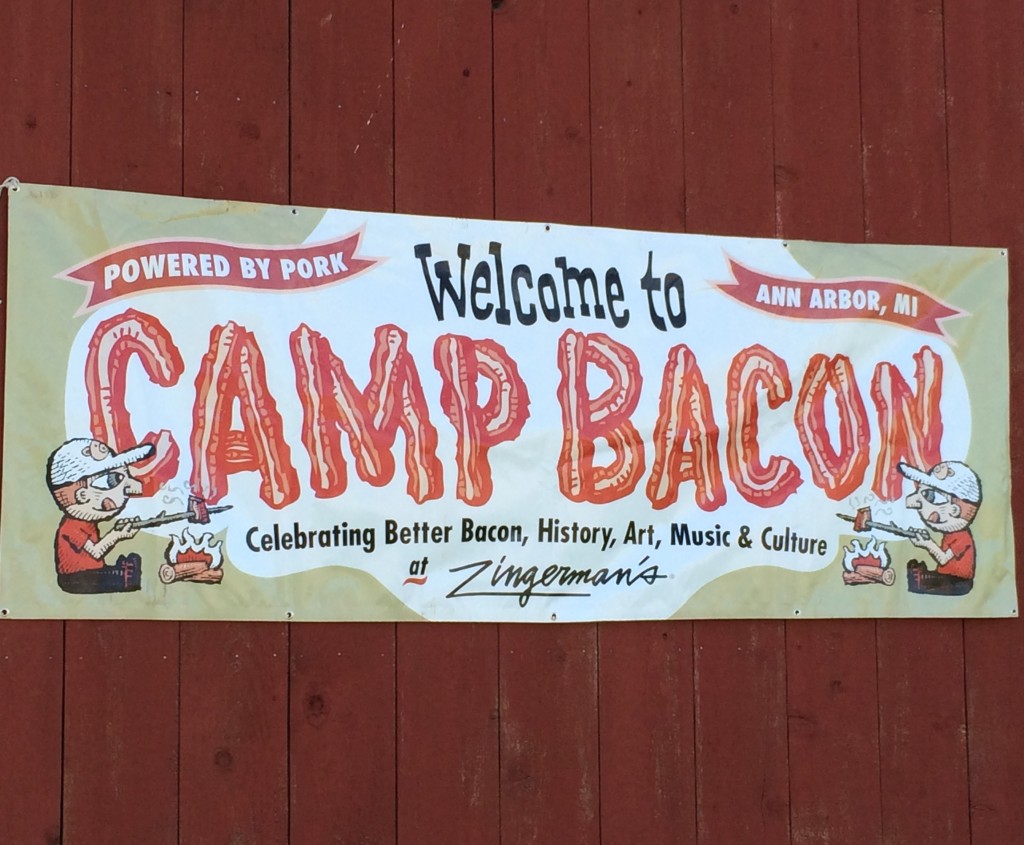
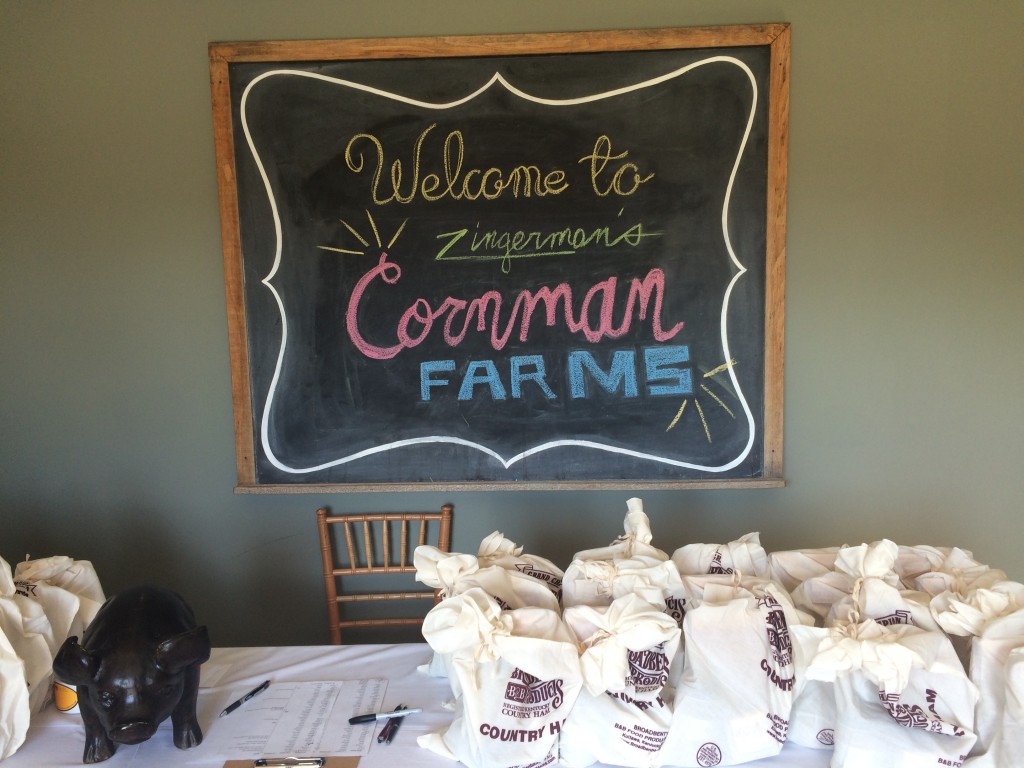
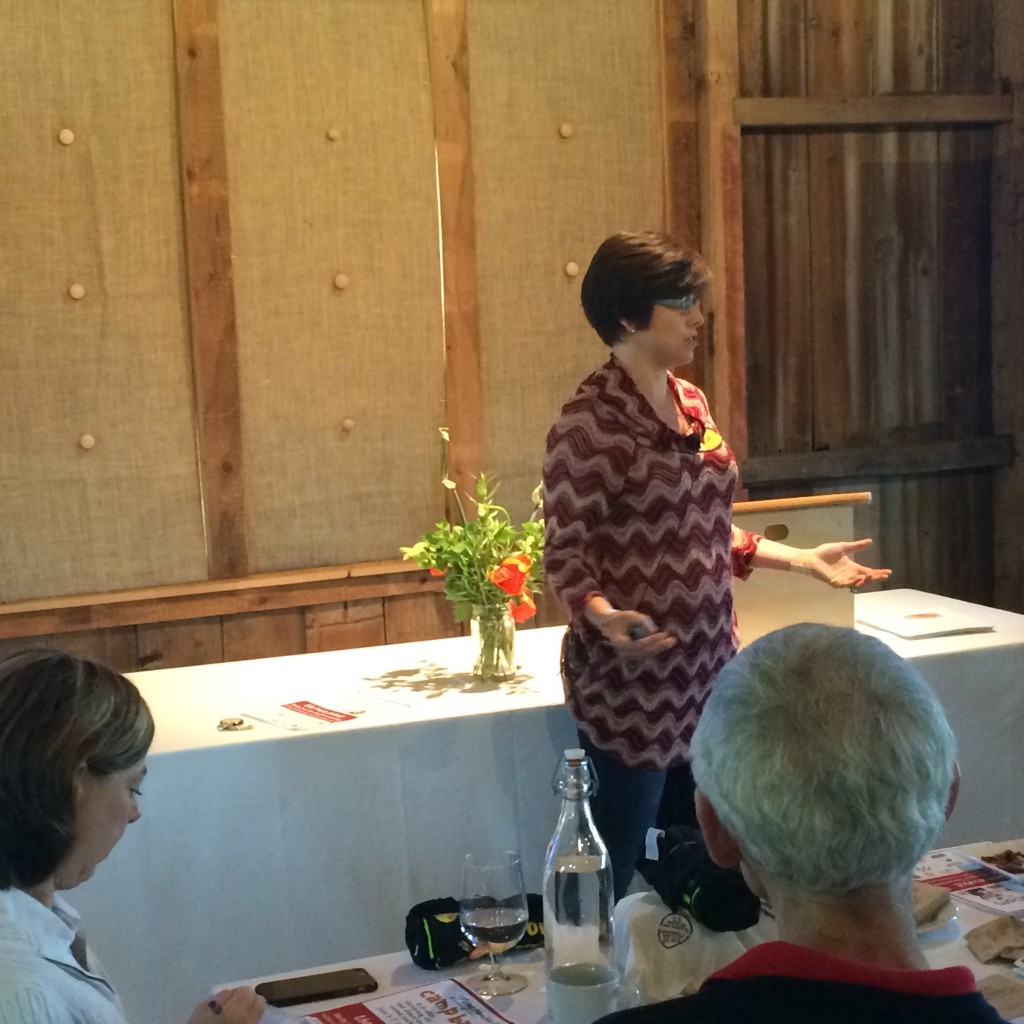
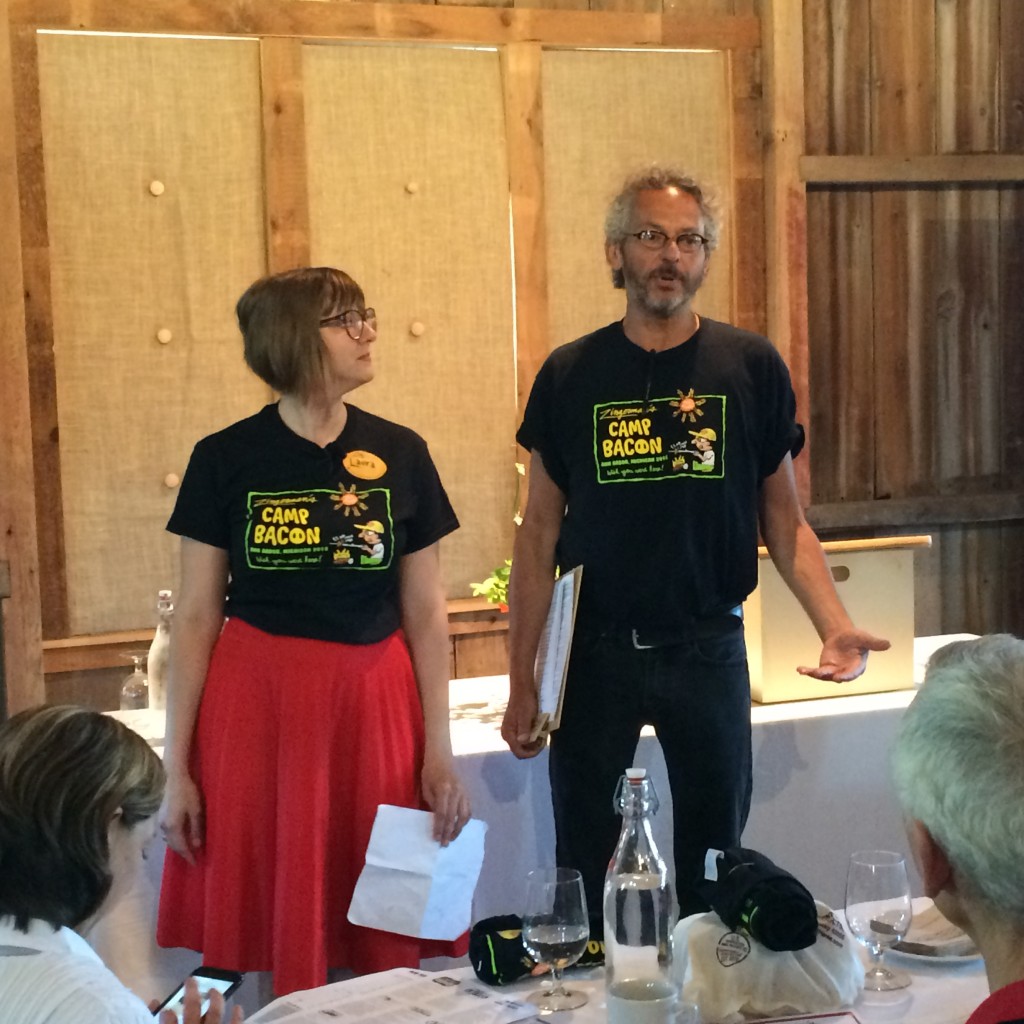
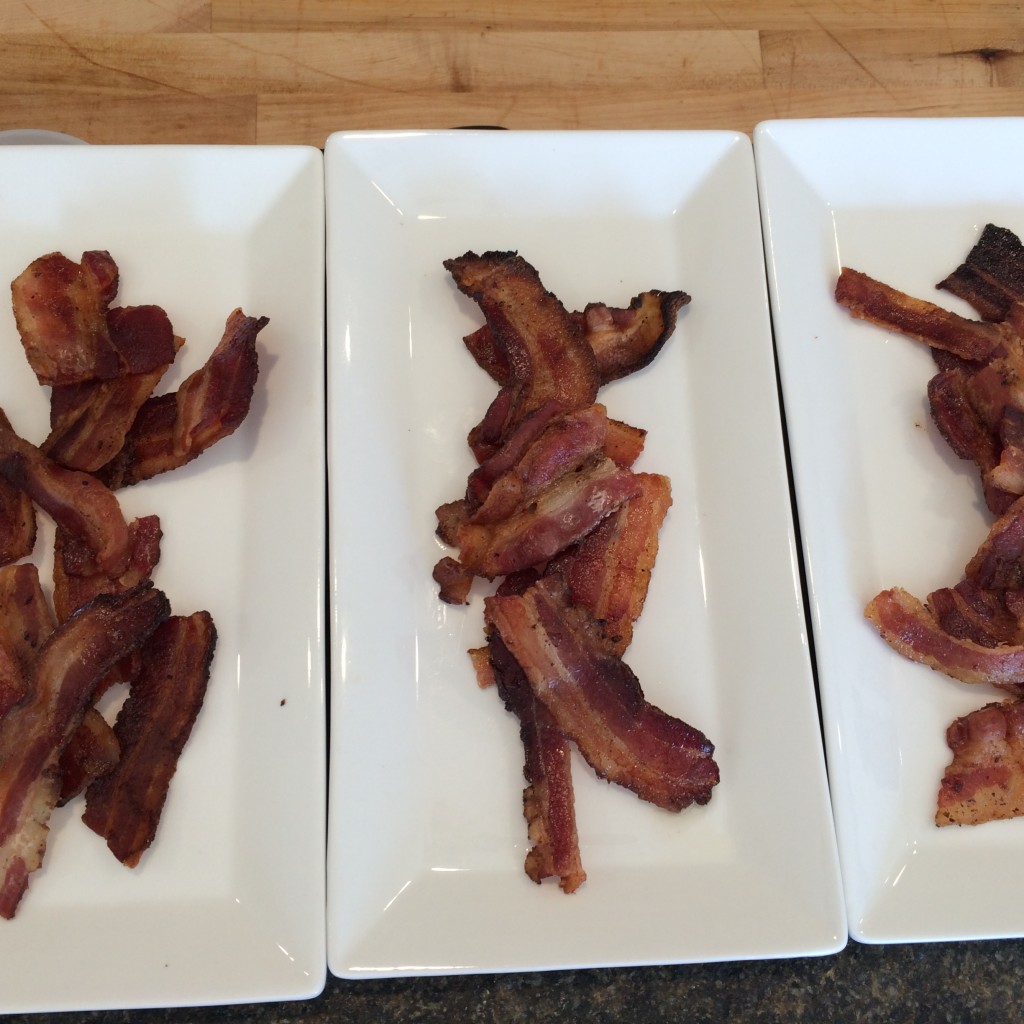
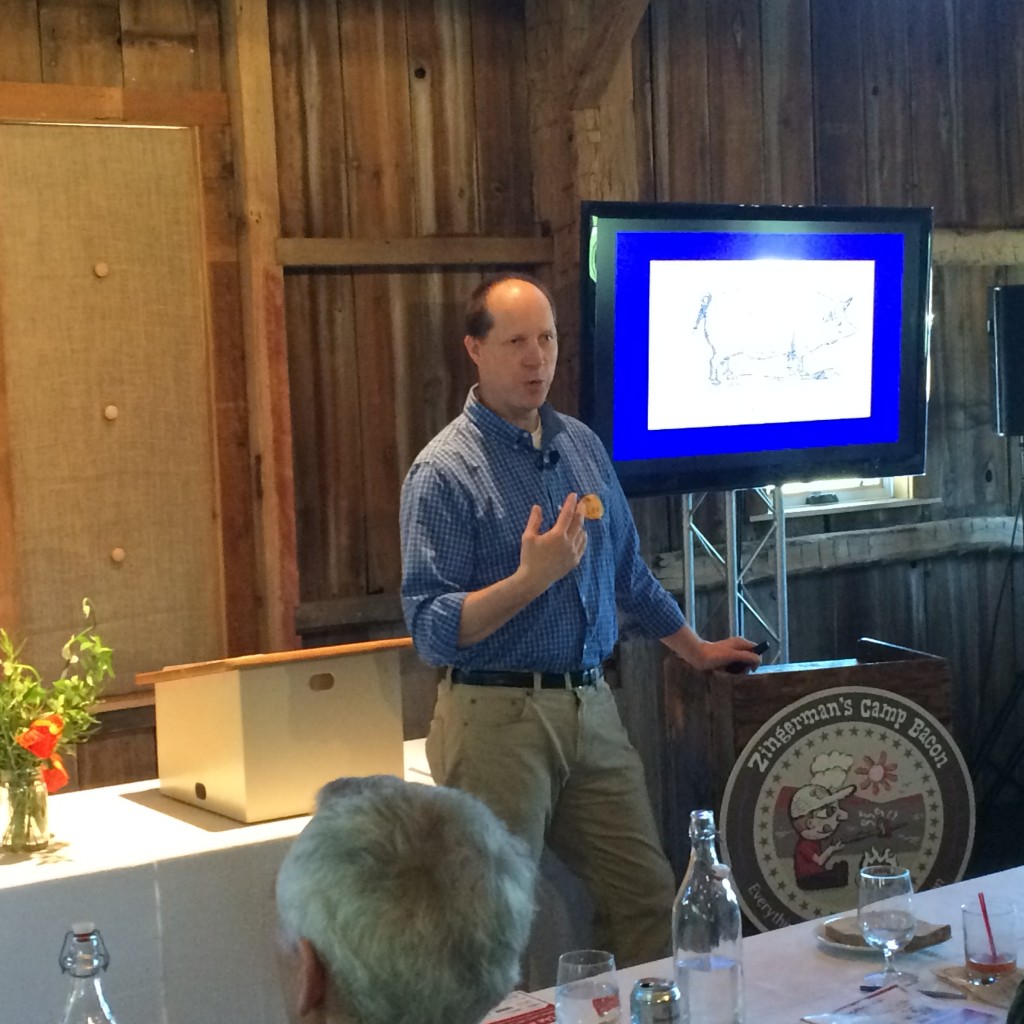
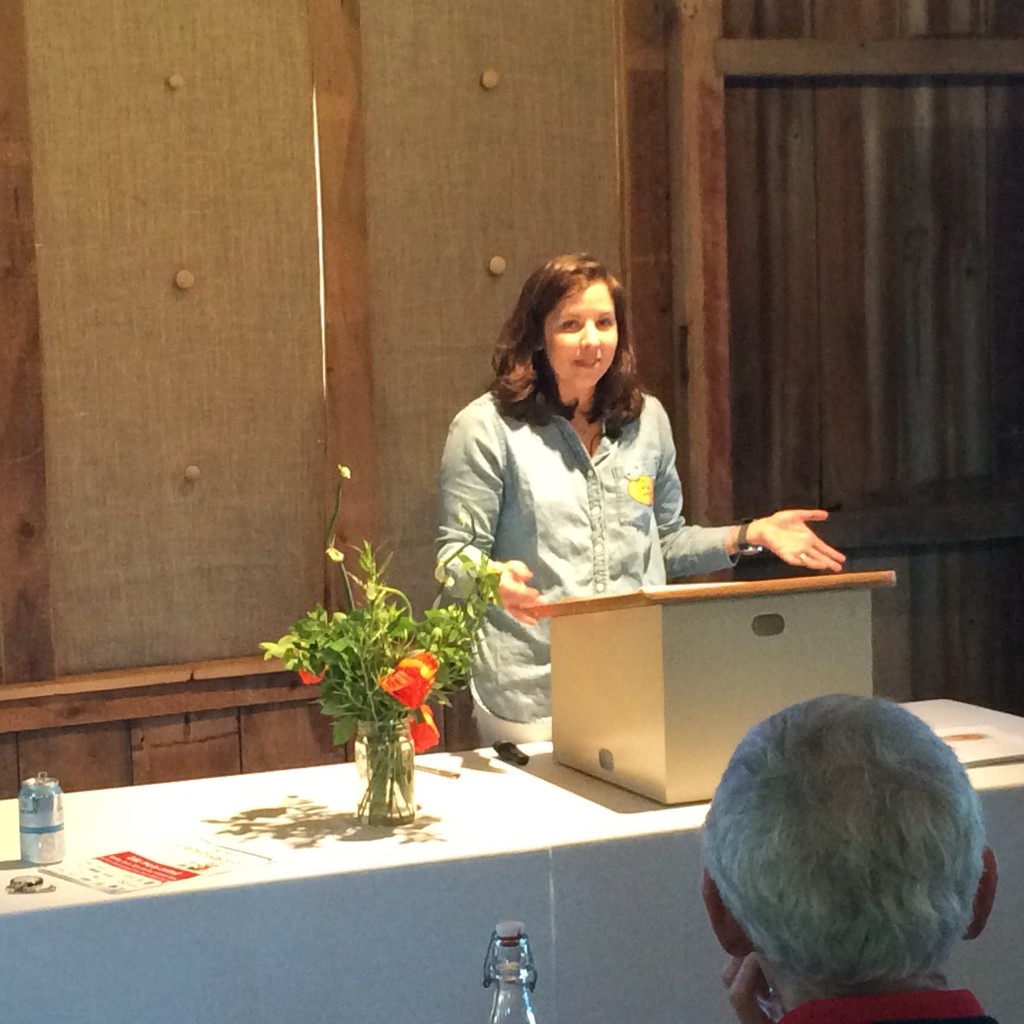
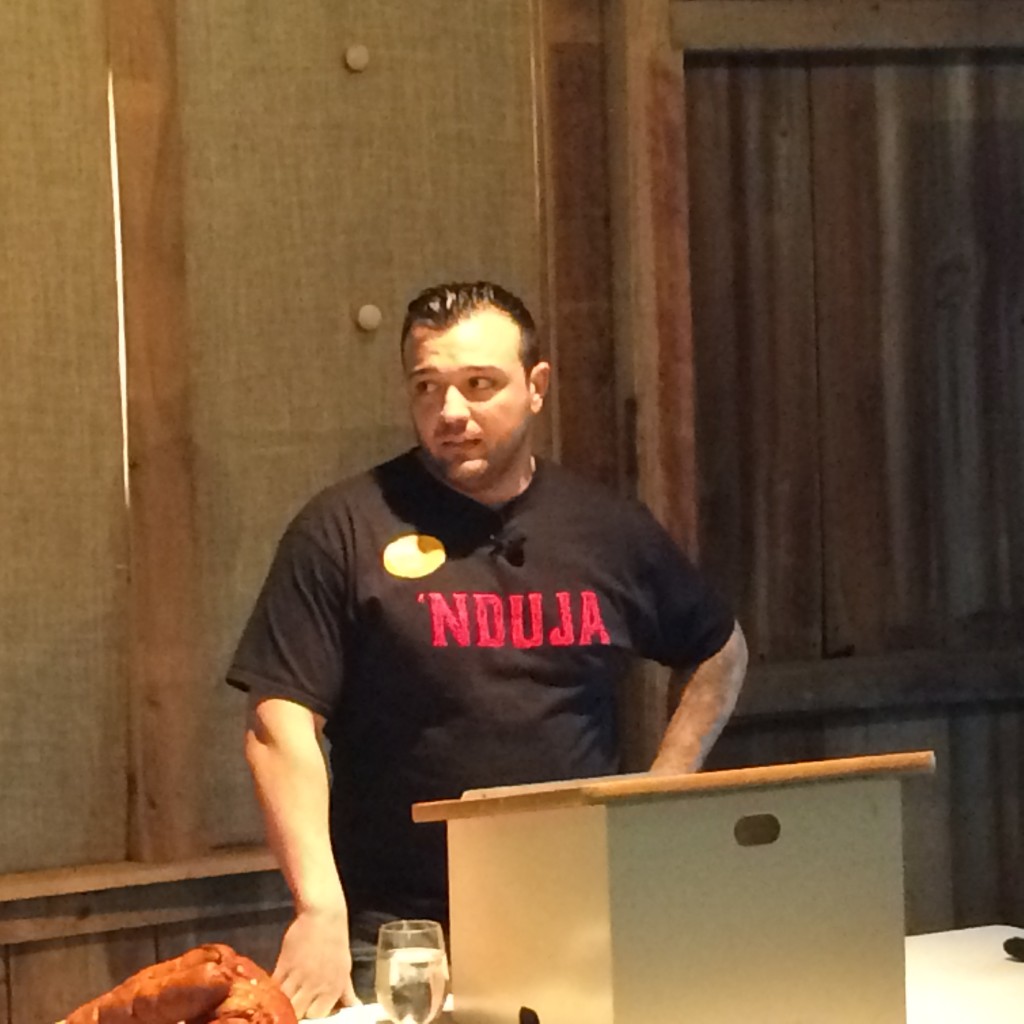
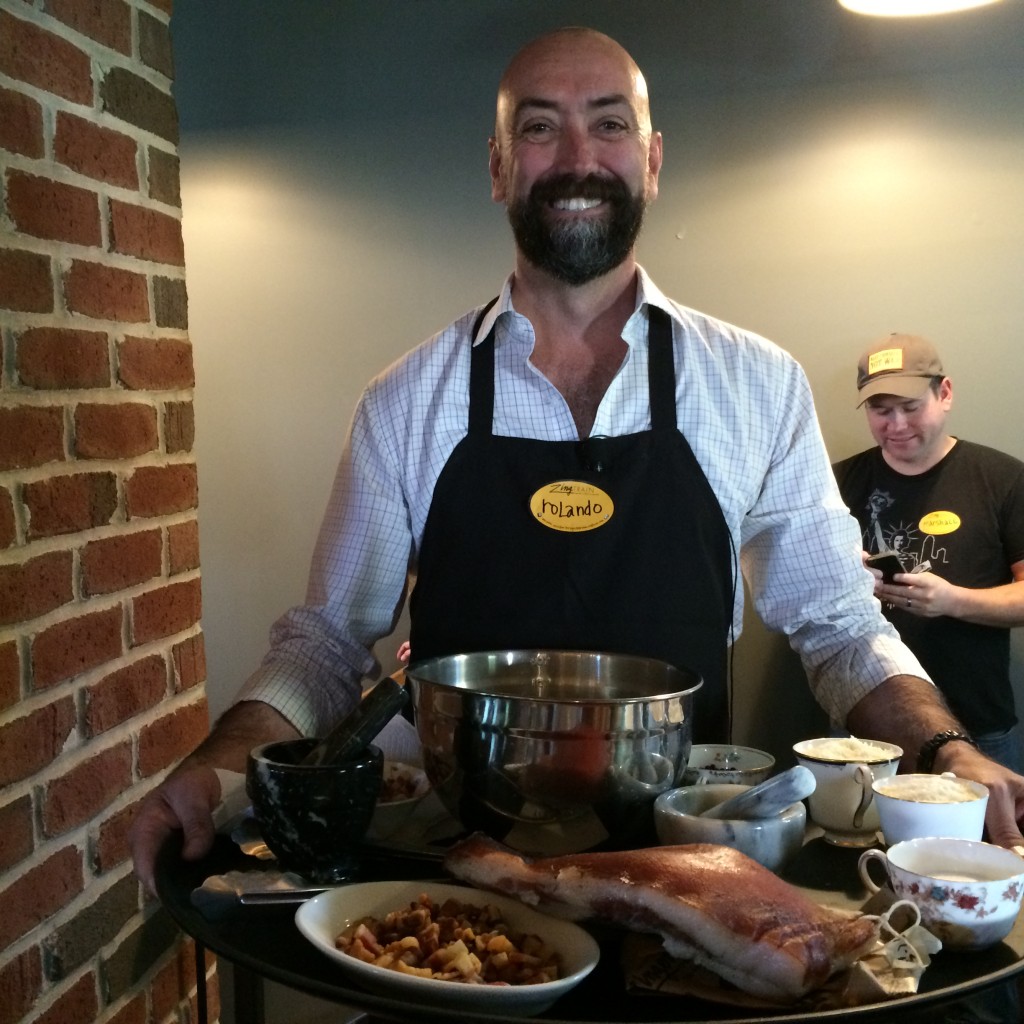
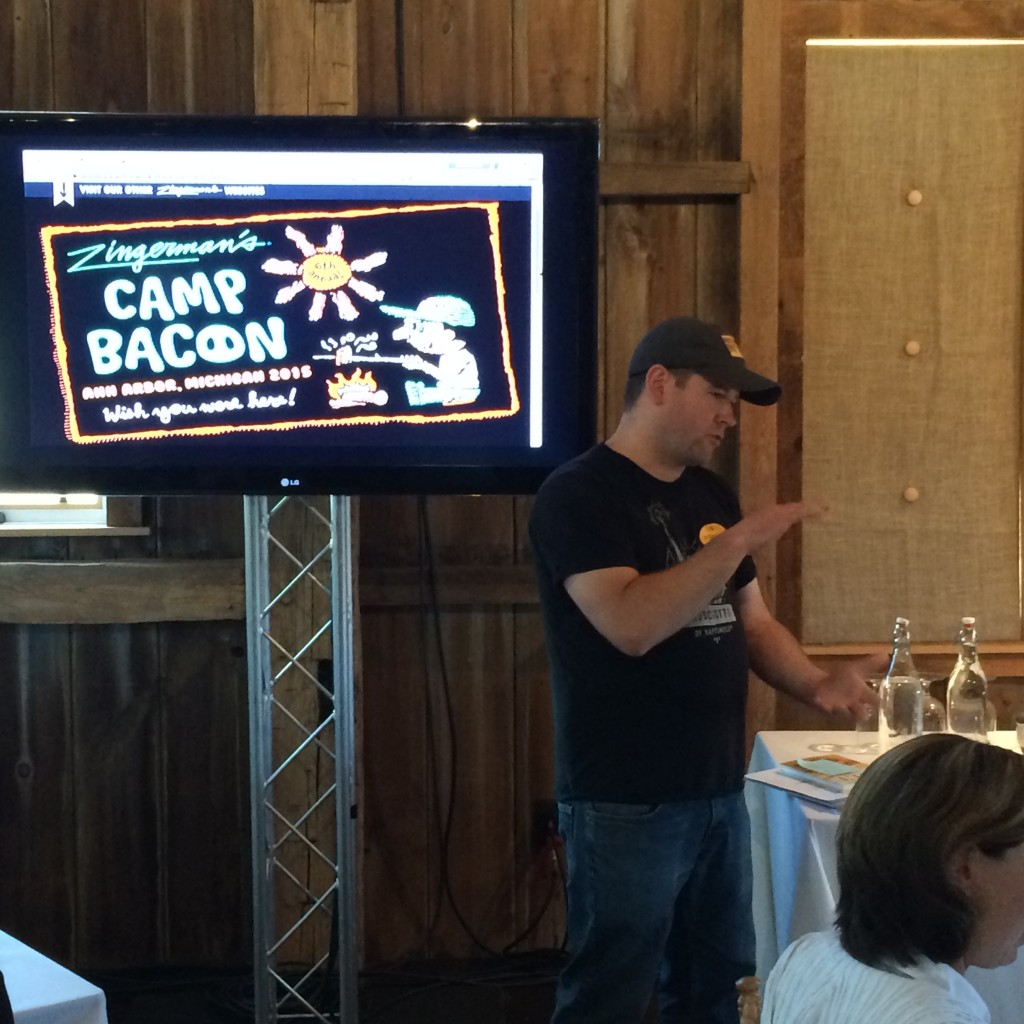
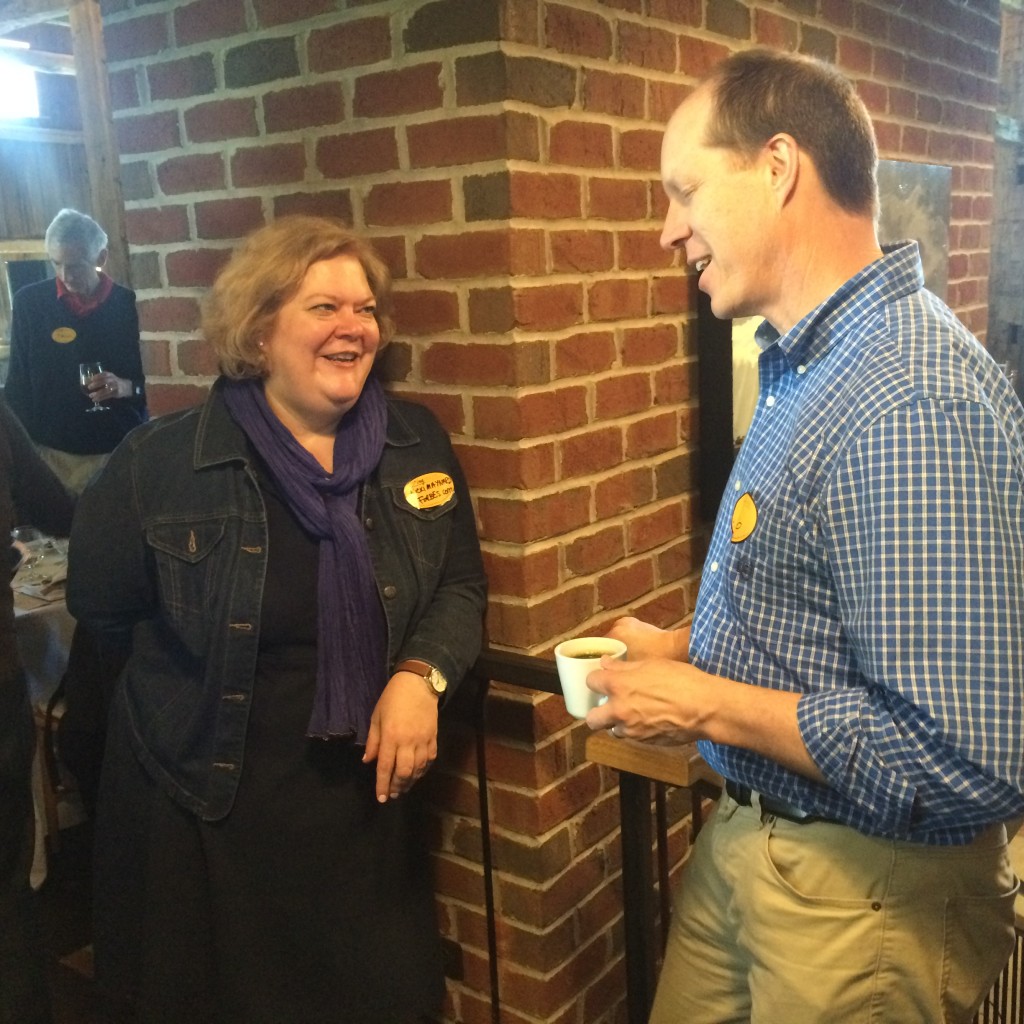
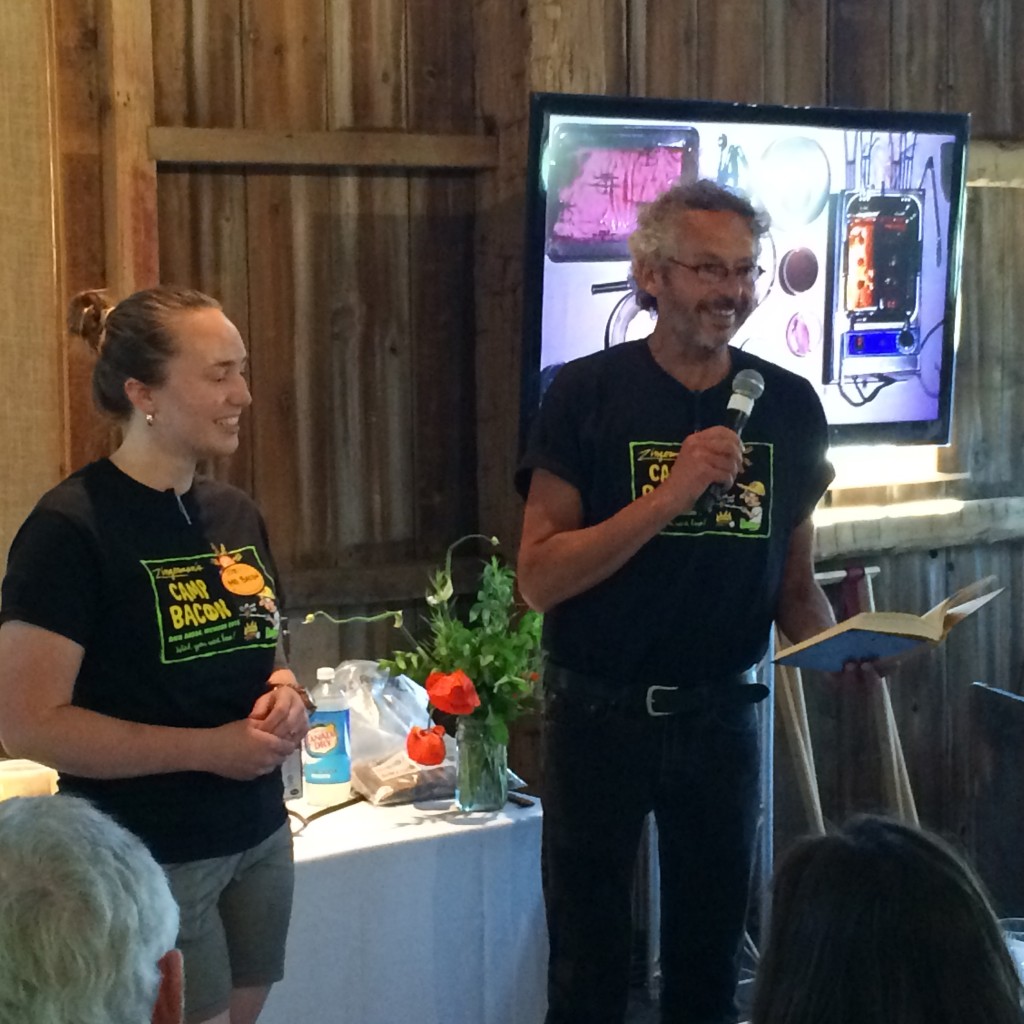
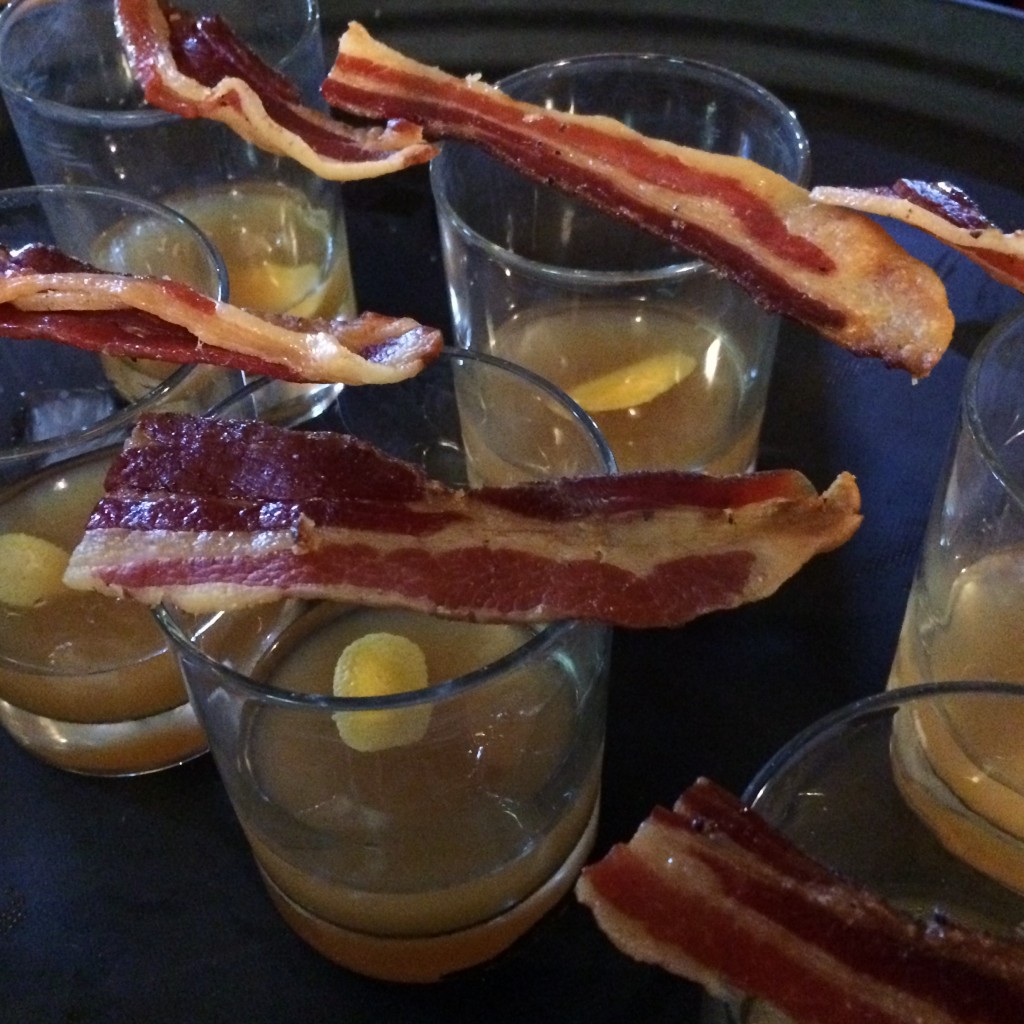
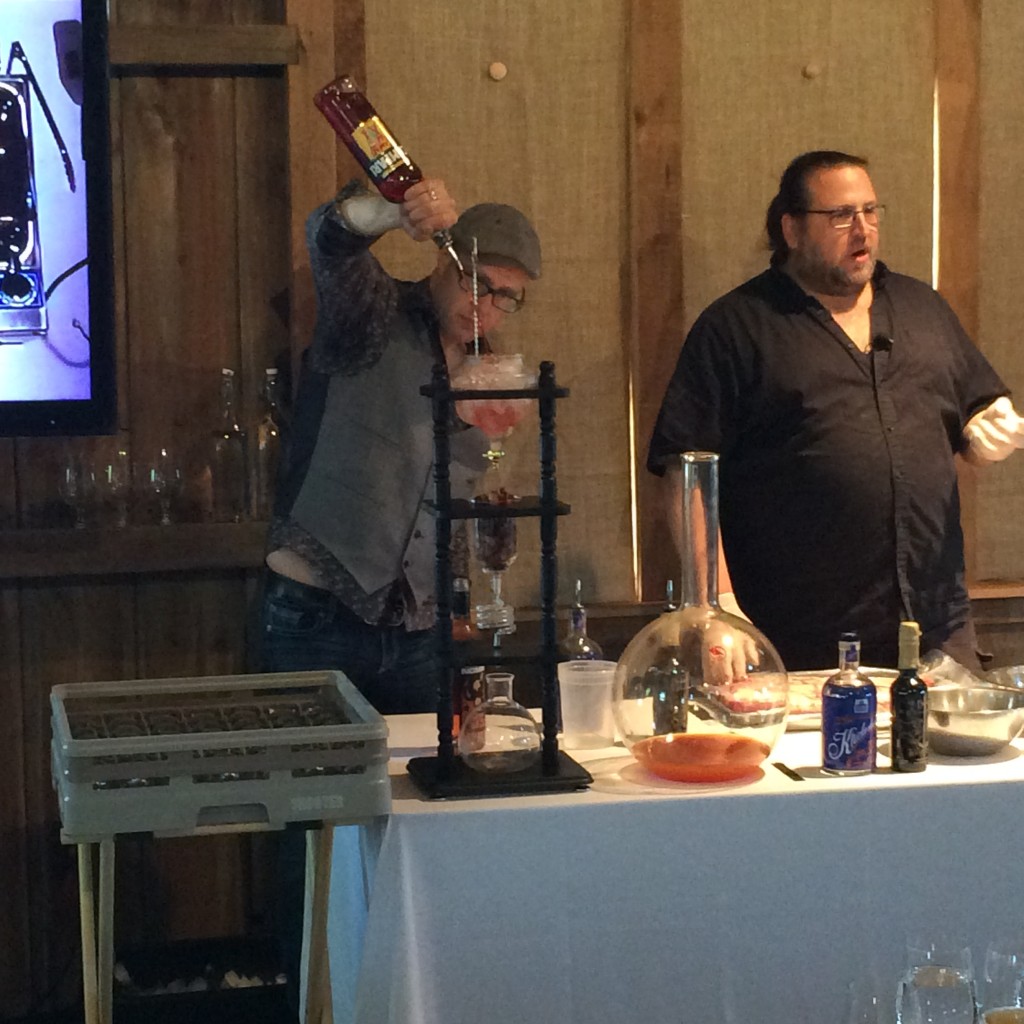
It was a great day for Camp Bacon out at Cornman Farms. The weather was mild and sunny, the temperatures reasonable, and the food and conviviality top-notch. By all accounts, this year’s camp was best to date.
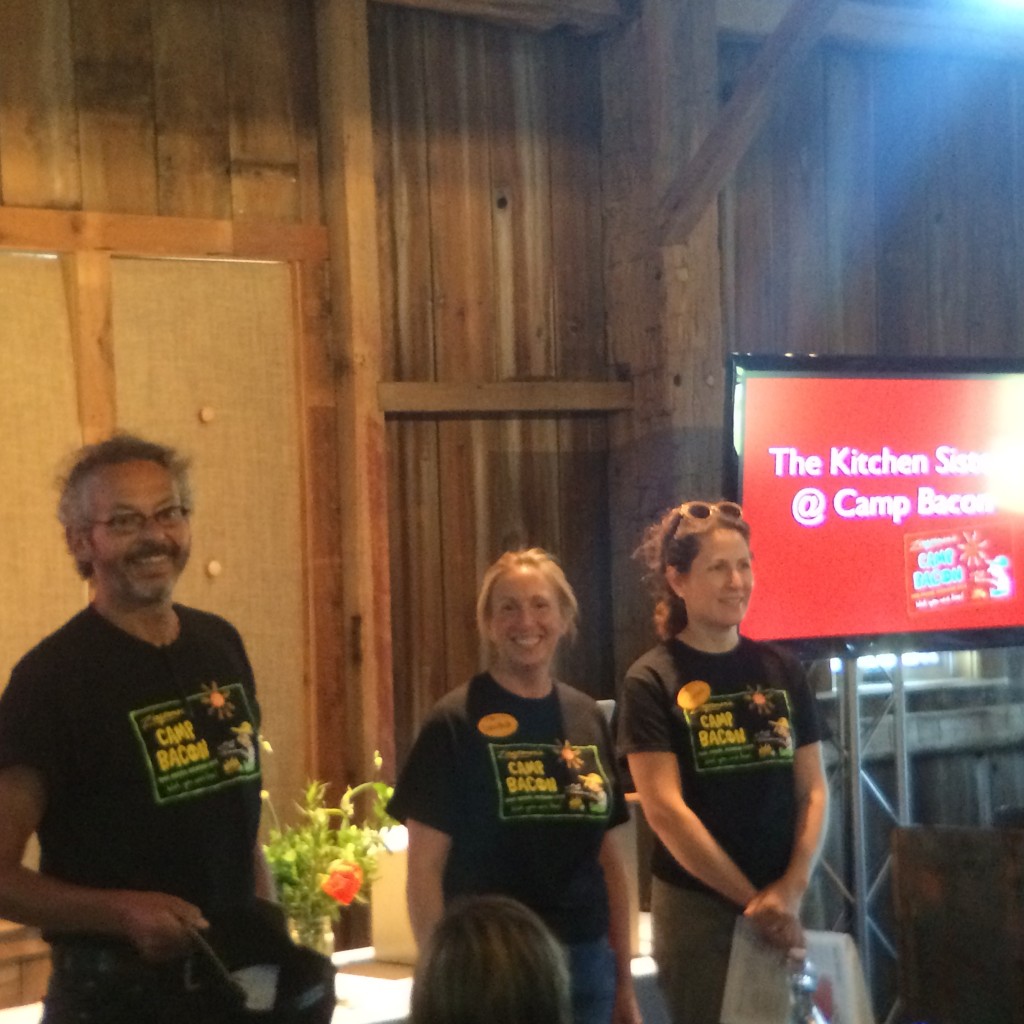
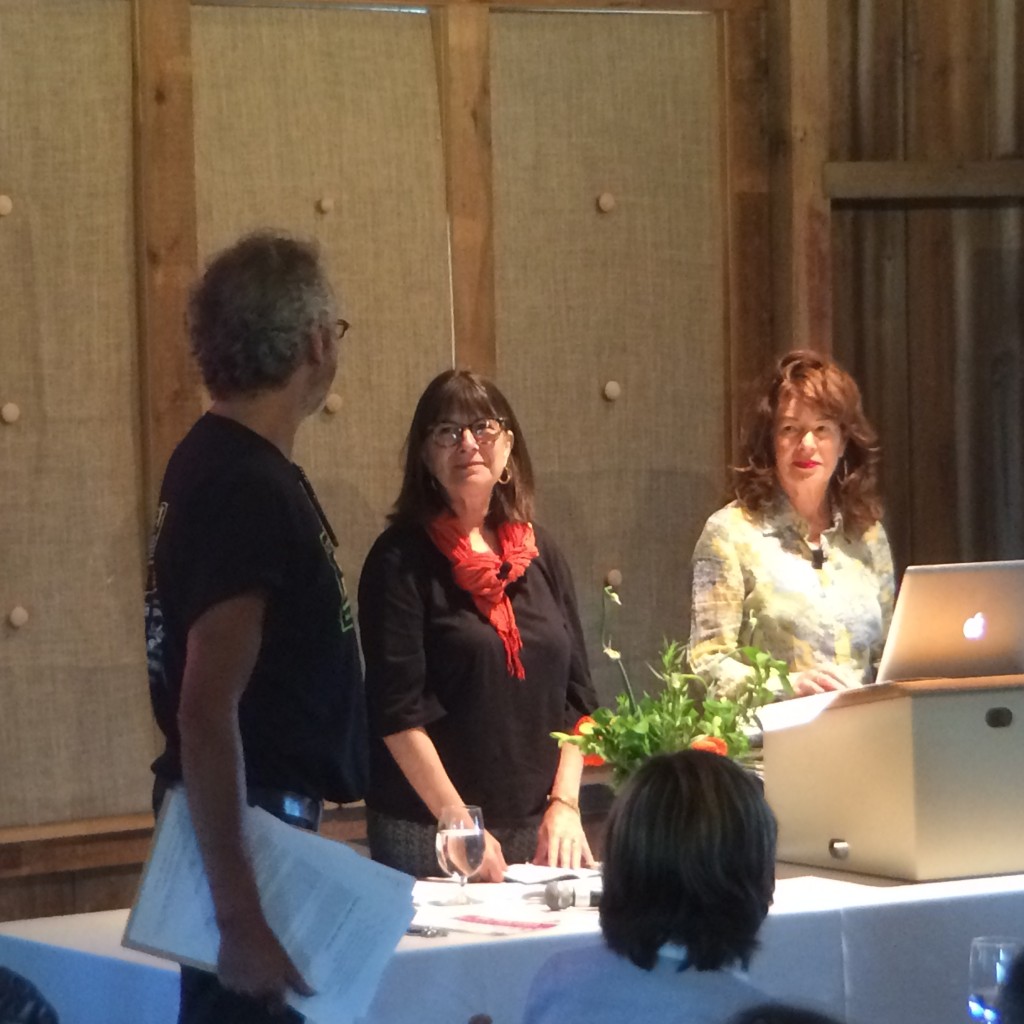
Thanks to all of our wonderful speakers and guests who took time out of their busy lives to attend our humble gathering. Thanks to our generous sponsors, without whom this would not be possible. And thanks to all of the hardworking Zingerman’s staff who make all of the effort look easy. All of you are wonderful people!
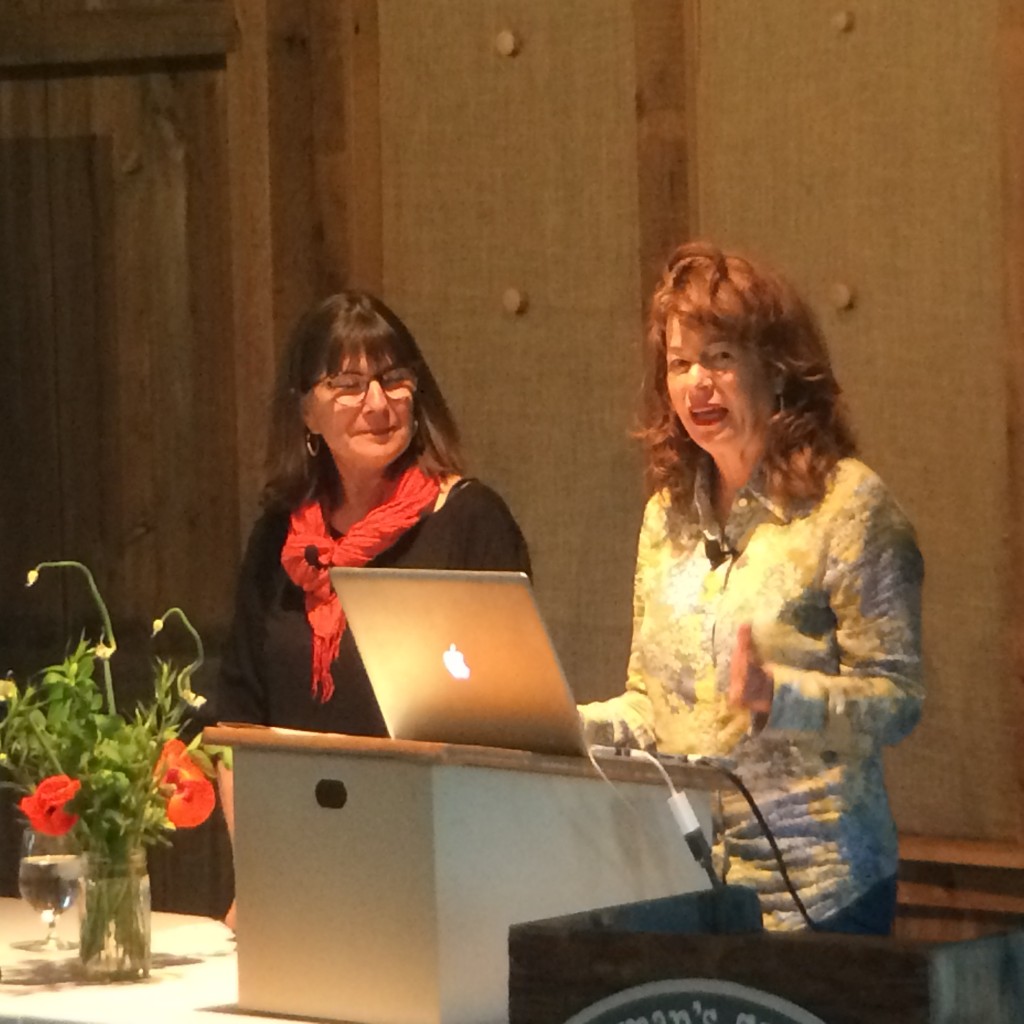
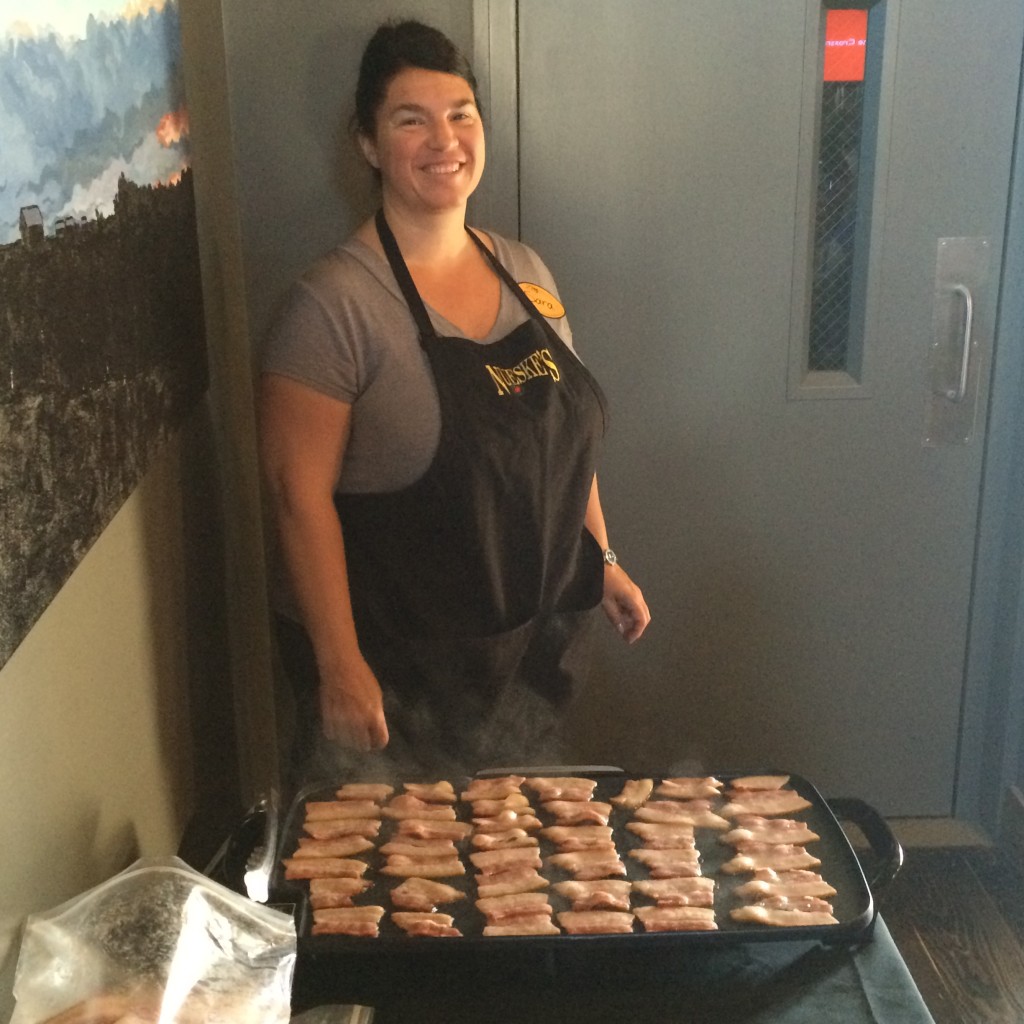
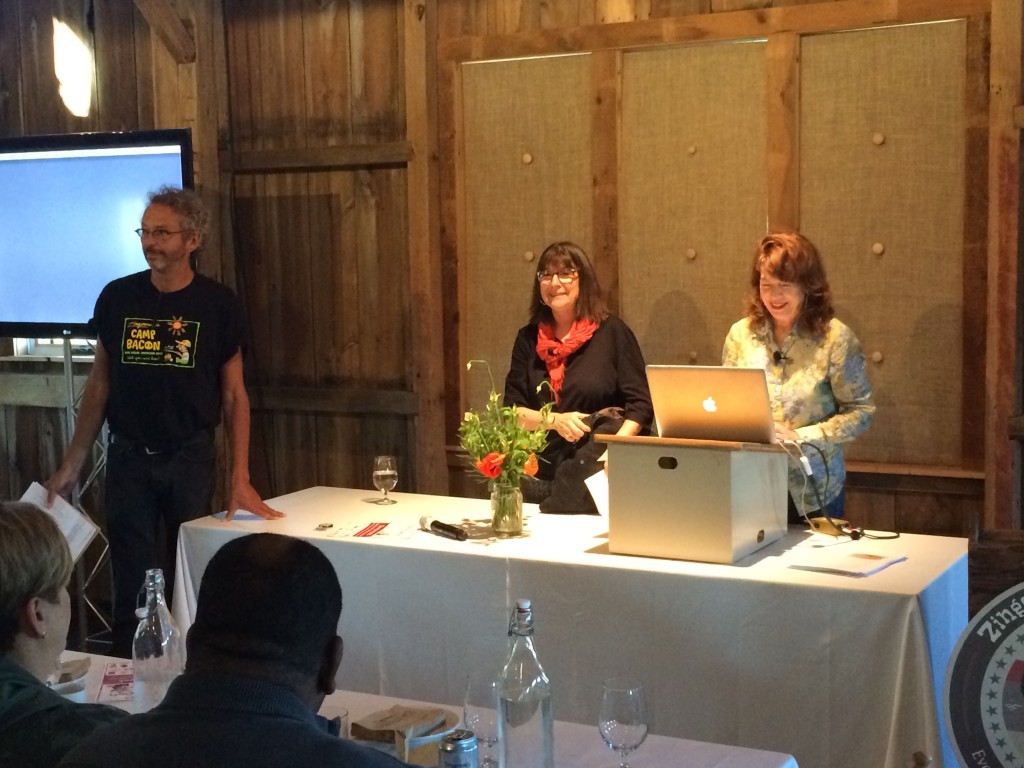
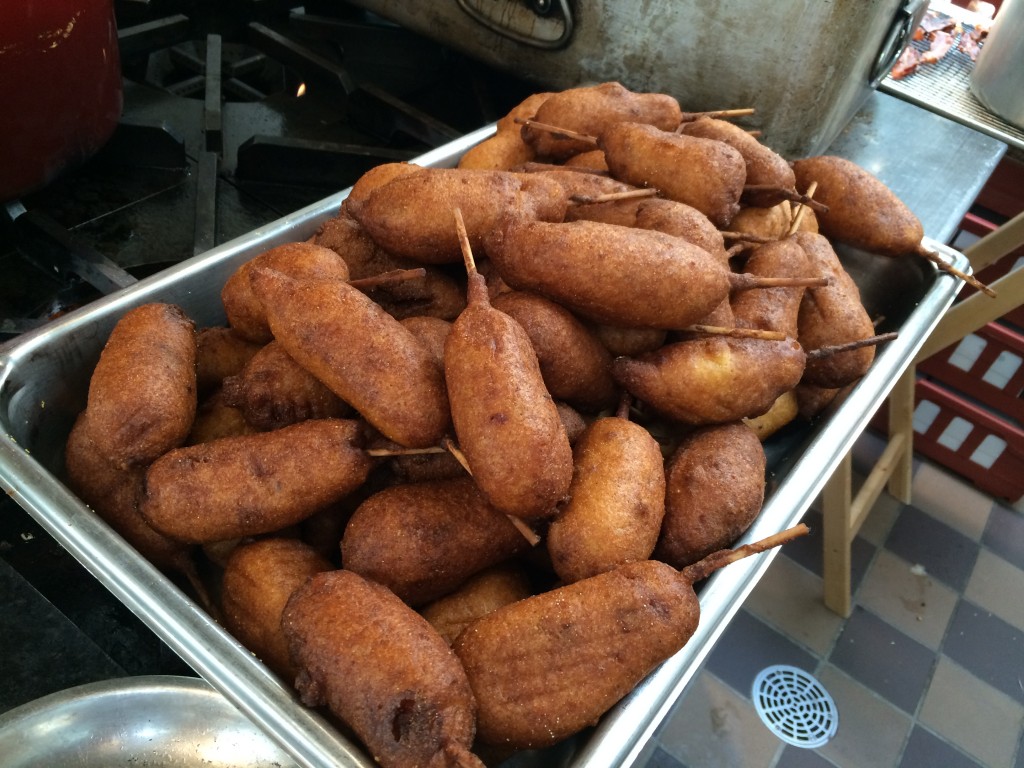
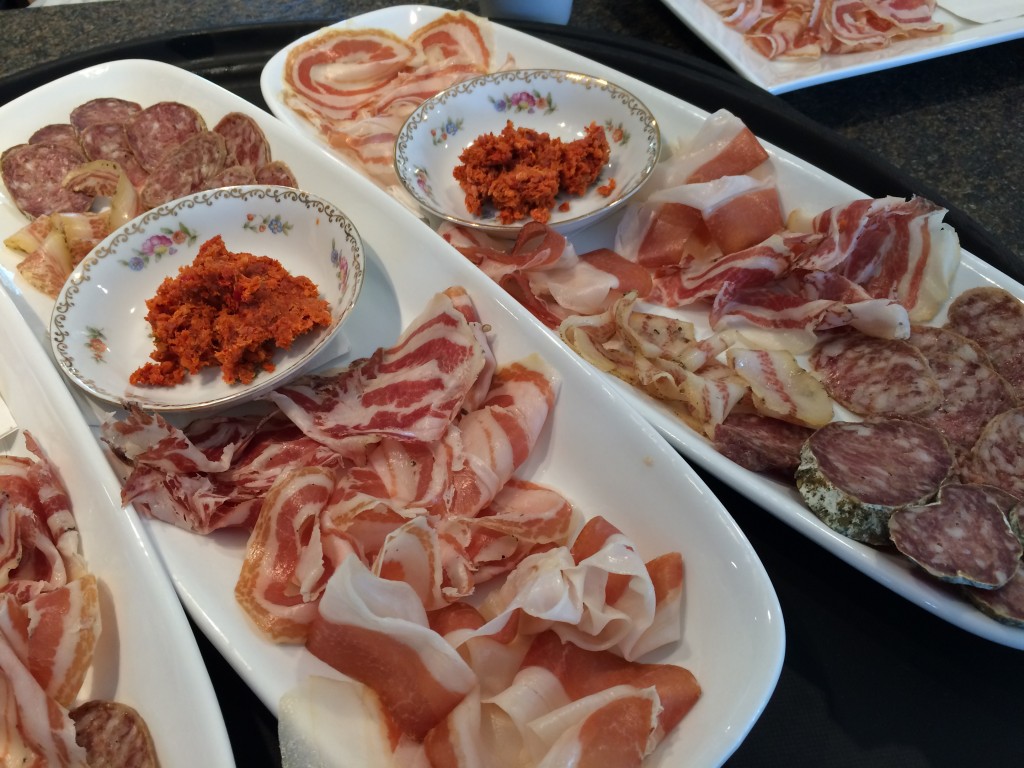
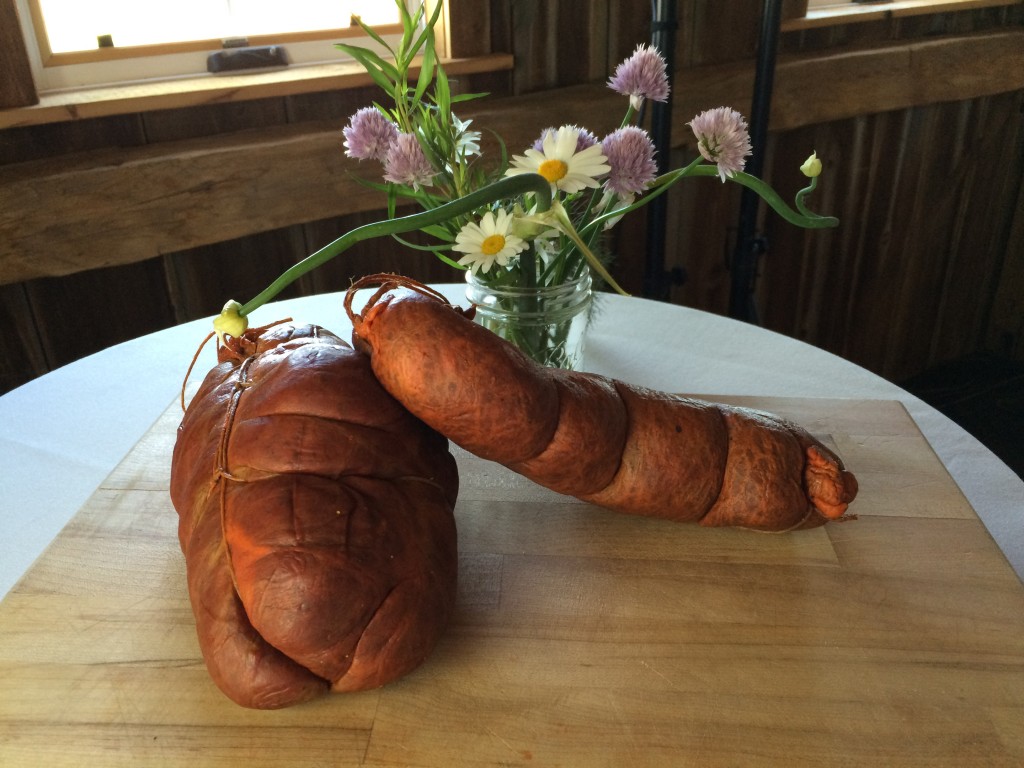
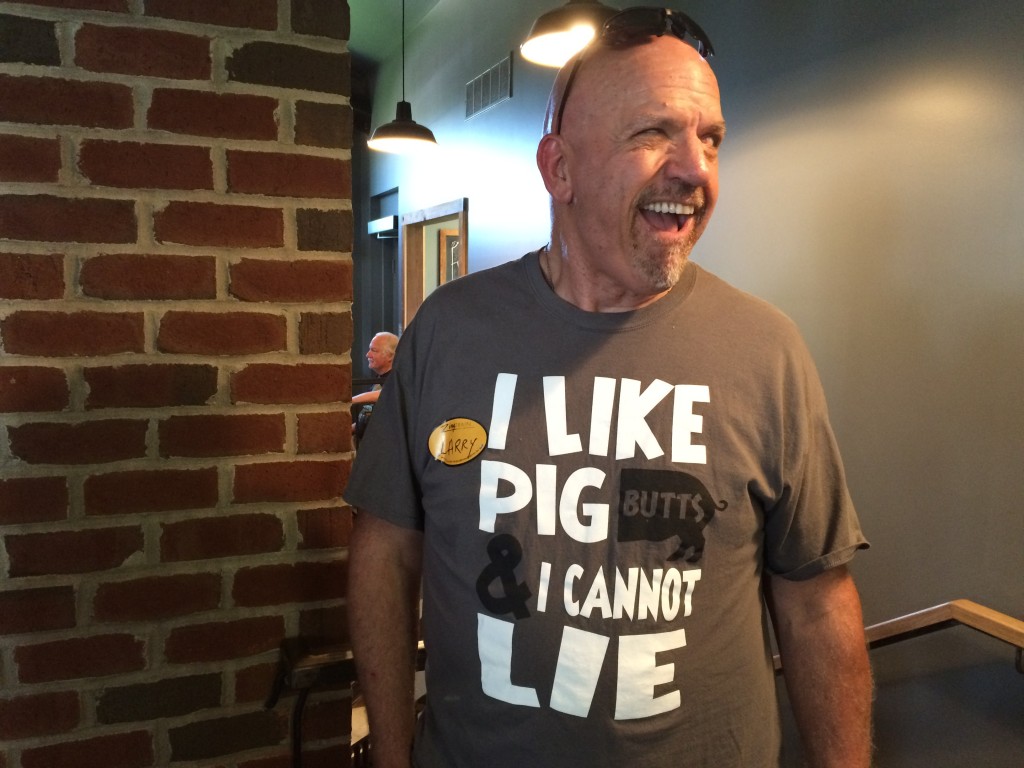
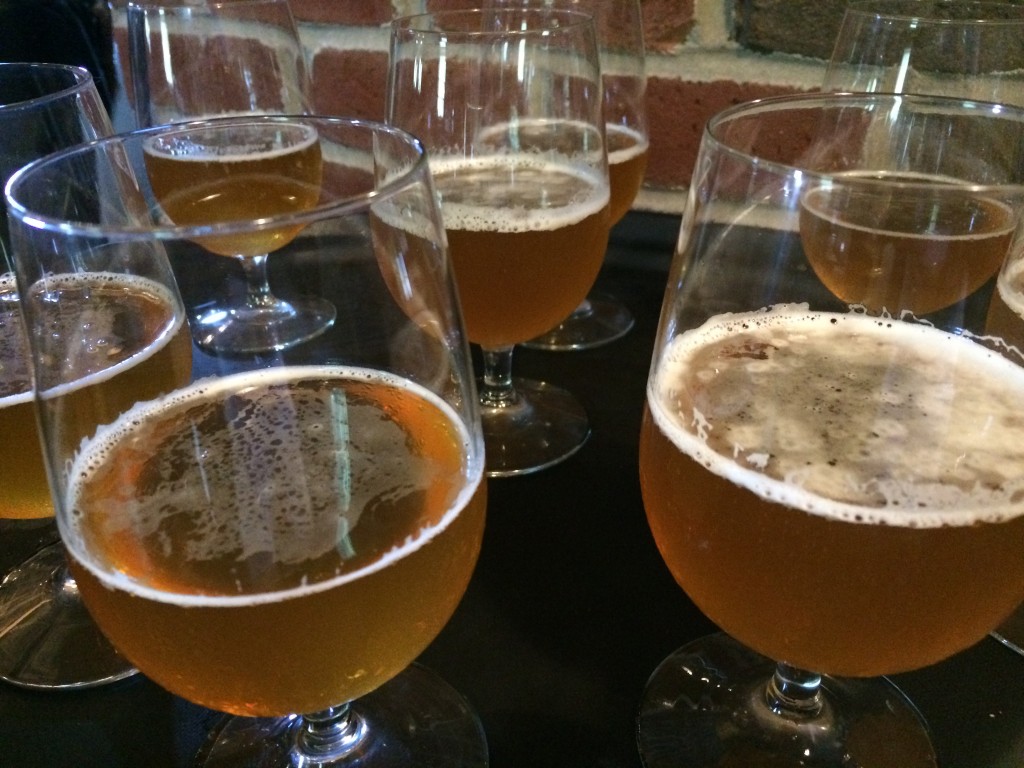
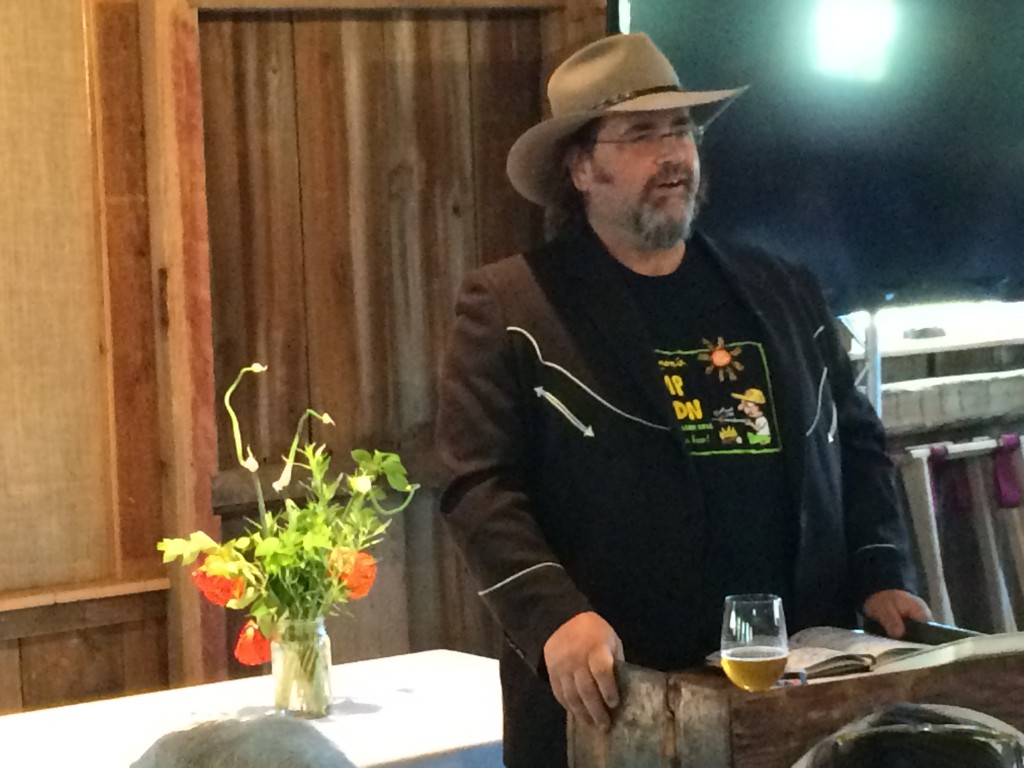
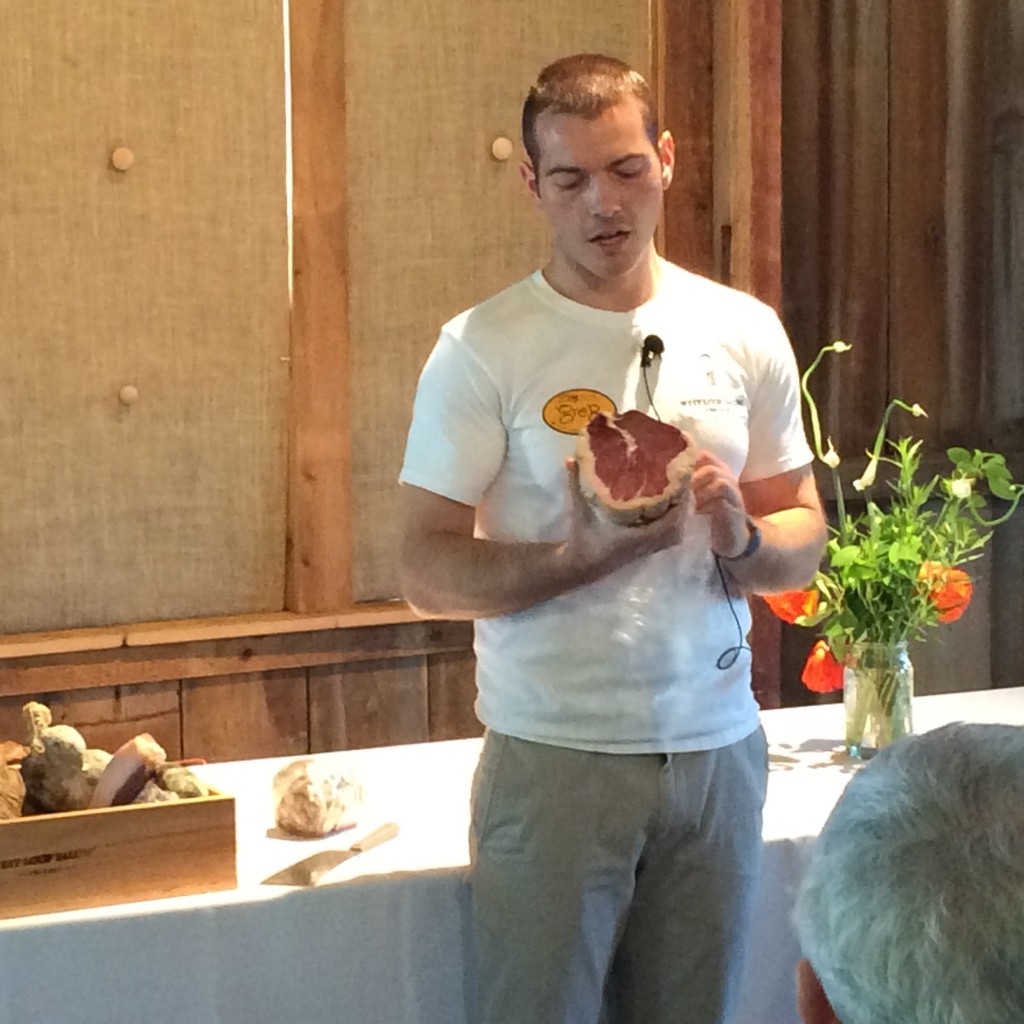
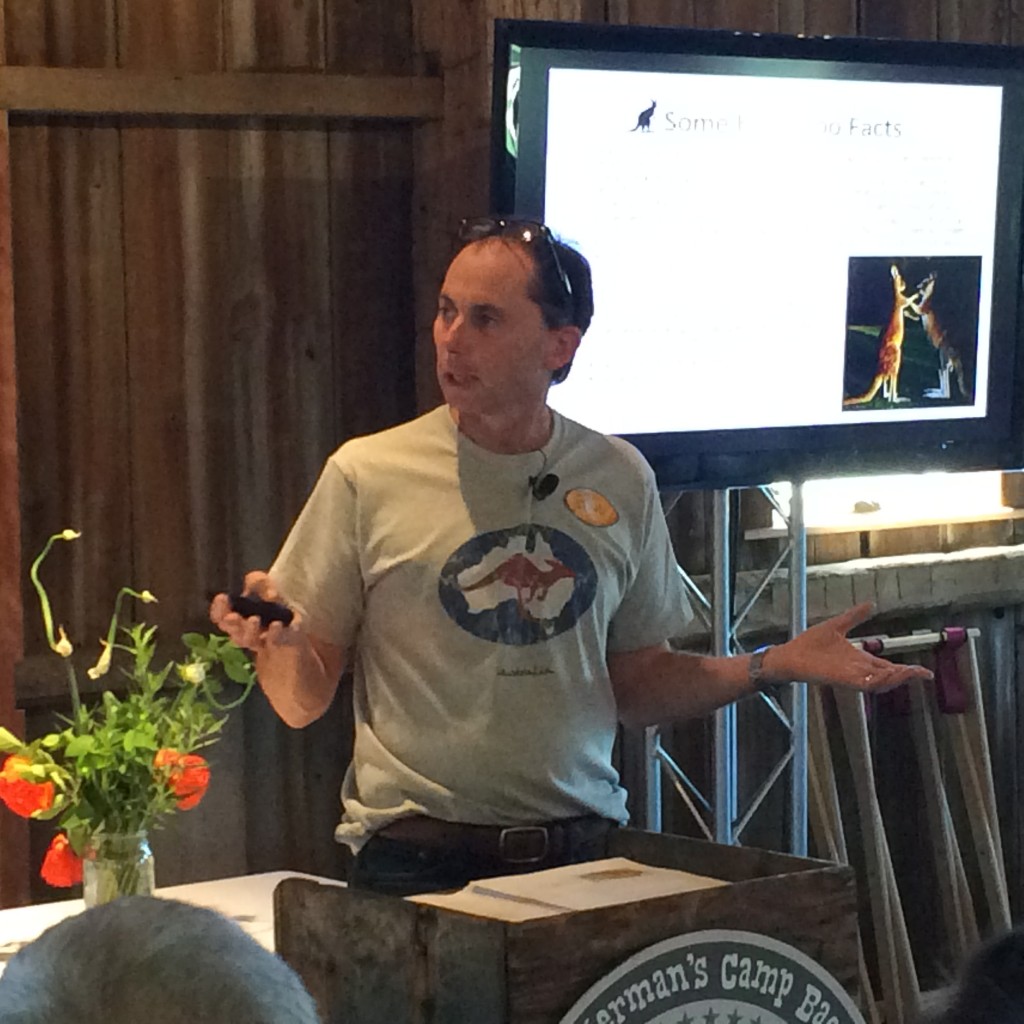
Here are some photo highlights from the event:
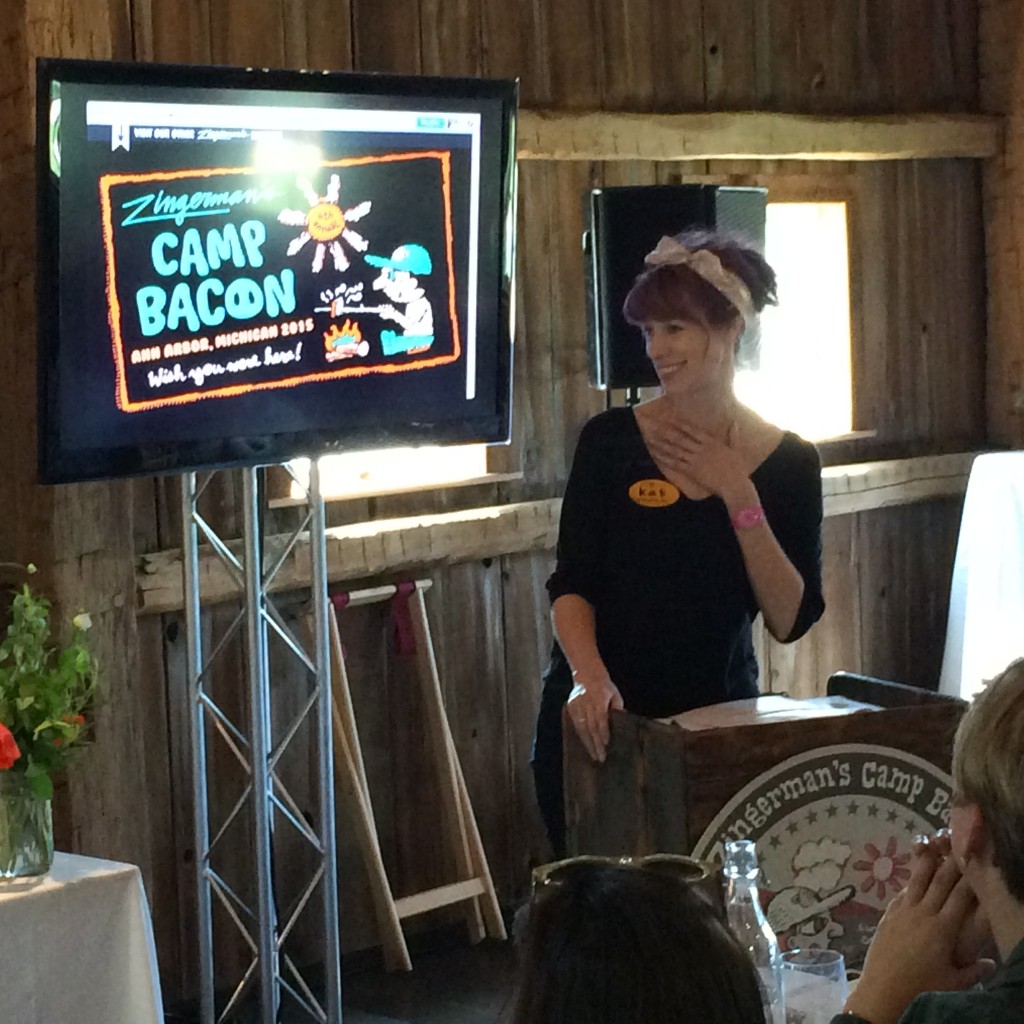
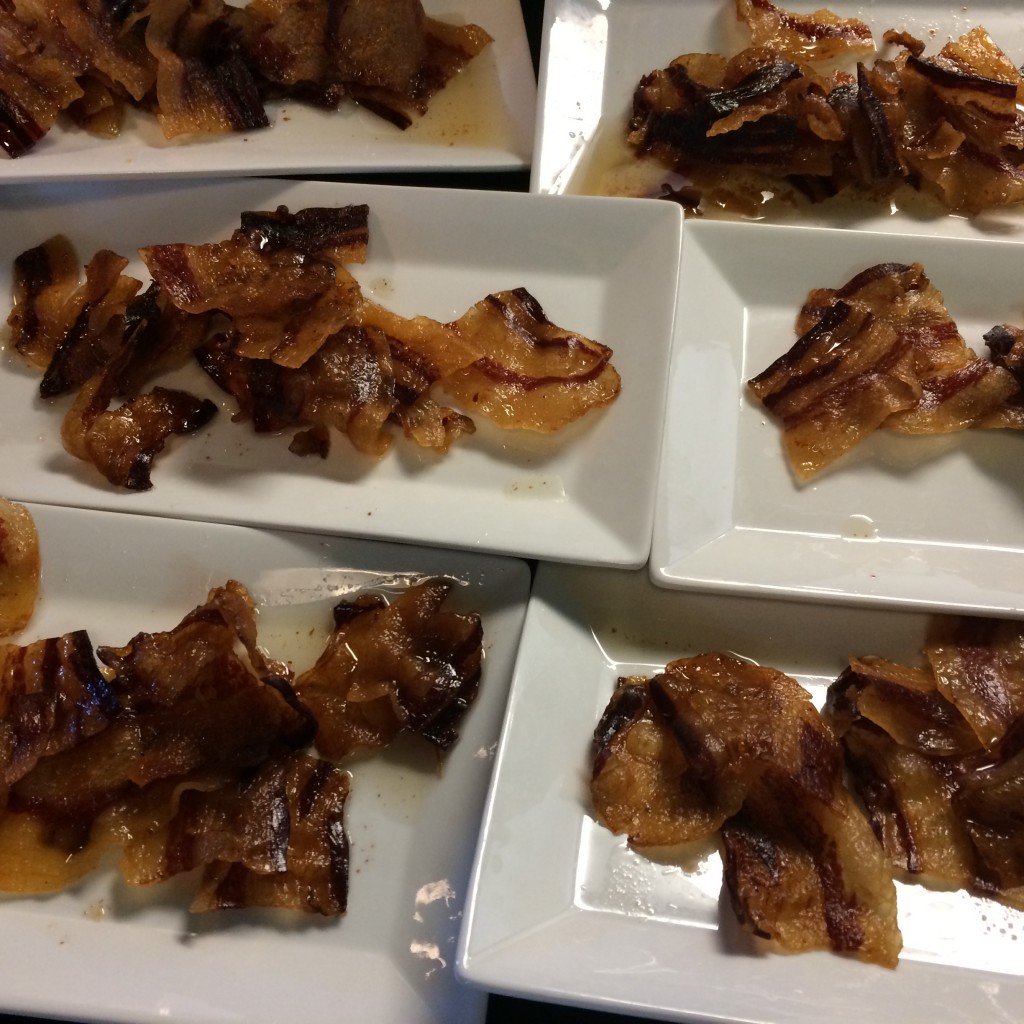
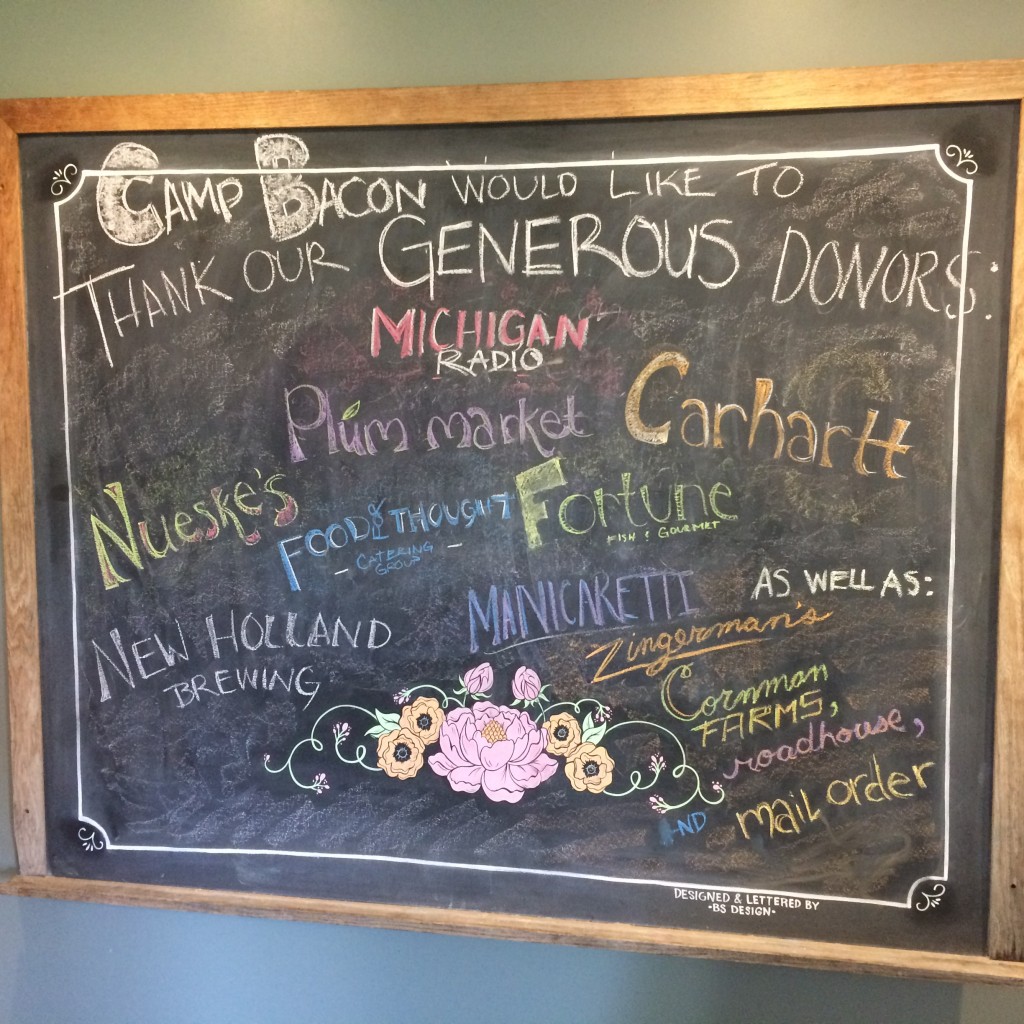
Thank you! Thank you! Thank you!
See you next year at Camp Bacon 2016!
Tag: CORNMAN FARMS
Twice the fun!
Zingerman’s is celebrating Cinco de Mayo with two tasty events next week that will bring a little bit of Mexican sunshine to the Mitten.
Cinco de Mayo Cocktail Class at Cornman Farms: Terrific Tequila
Tequila is a truly unique liquor distilled from the agave plant and made only in certain regions of Mexico. This spirit is at once sweet, peppery, grassy, and spicy. It can be smooth, dynamic, complex and invigorating. Tequila is the spirit of Mexico, literally and figuratively! Tequila is great in lively and refreshing cocktails and pairs well with complex, spicy foods in a way that most liquors simply can’t. On Tuesday, May 5, 7pm, we’ll explore this liquor that is both exotic and familiar to the American bar scene. We’ll learn about the history of tequila and different varieties of the liquor. We’ll make three distinct cocktails; each will highlight tequila in a different way. We’ll also enjoy farm-fresh snacks created by our own talented culinary team. Guests will end the evening with recipes and the know-how to craft these tasty tequila cocktails at home.
Cinco de Mayo Dinner at Zingerman’s Roadhouse
Join the Roadhouse for a journey into the Mexican State of Campache. Located in the Yucatan Pennisula, Campeche has long been referred to as the lesser-known jewel of the peninsula, with its lush fish markets and intermingling of Spanish, Mayan and Mexican cultures.
Roadhouse Chef Bob Bennett, a longtime Roadie and student of Mexican culture, takes us on a stroll through the streets of Campeche with stories of Campechano culture, Mayan history and of course, food.
MENU
APPETIZERS
Calamares Rellenos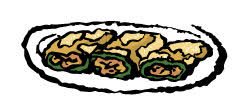
fried calamari stuffed with smoked sausage
Camarones en Chilimole
shrimp served with a charred chili sauce
SOUP
Sopa de Lima
chicken and lime soup
ENTRÉE
Pompano en Verde
fresh-caught pompano served with a tomatillo and parsley sauce
-OR-
Carne el Pastor
pineapple and chili marinated sliced pork loin
SIDES
Chile Tamulado
Arroz Negro
DESSERT
Flan de Manzana del Anacardo
cashew apple custard
See you soon!
Tag: CORNMAN FARMS
Spring has sprung!
…and that means the dinner season has begun out at Zingerman’s Cornman Farms!
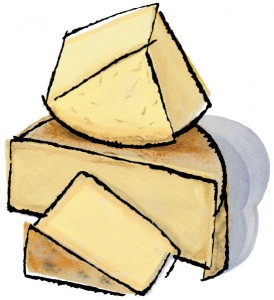
Join us for the Fromage in the farmhouse Dinner on Sunday, May 3, 4pm, as we commence our popular farm dinner series with a special feast revolving around farm-fresh produce and the great cheese made by our very own Zingerman’s Creamery. Each of the five dishes will include cheese components lovingly prepared by the experts at the Creamery, and they’ll be in attendance to tell us about how they make each cheese.
As an added bonus, we’ll visit the Cornman Farms goats who contribute their milk to the goat cheese making operation at the Creamery, and learn how they’re milked and cared for. The whole experience will be informative, interactive, and full of delicious dairy. We’ll also throw in a special beverage pairing with each course. If you’re a cheese-lover, you won’t want to miss this!
See you there!
Tag: CORNMAN FARMS
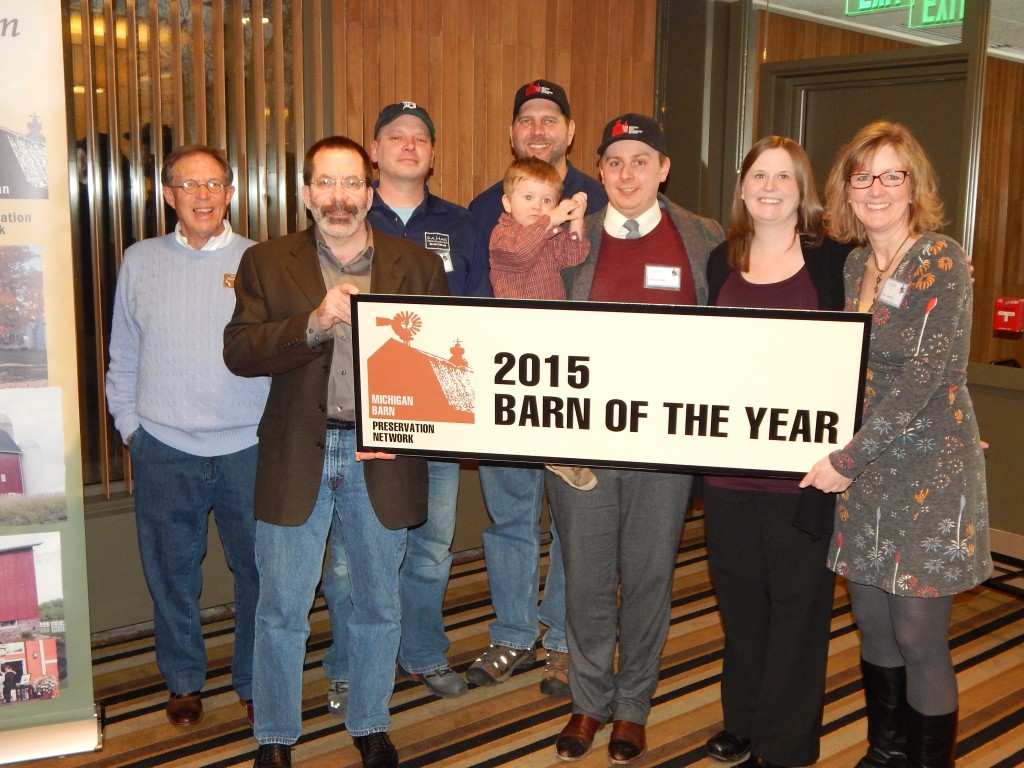
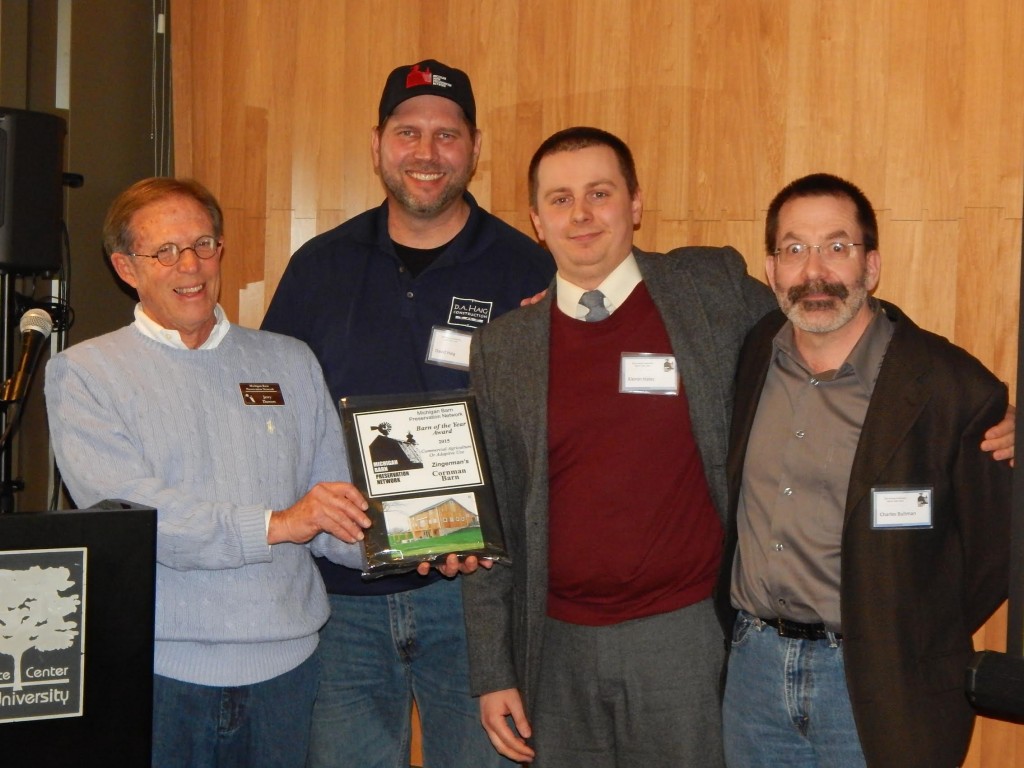
Michigan Barn Preservation Network Selects Cornman Restoration Project for Accolade
Zingerman’s is honored that the Michigan Barn Preservation Network has chosen the barn at Cornman Farms for inclusion in this year’s awards. From the MBPN press release:
“The Michigan Barn Preservation Network (MBPN) announced their 2015 Michigan Barns of the Year Awards at the 20th Annual Conference and Meeting this year. “Keeping it Local”, the 2015 Annual Conference was held March 14 at Kellogg Center during Michigan State University’s annual Agriculture and Natural Resources Week activities.
“This is the 18th year the network has presented “Barn of the Year” awards. Including this year’s awardees, a total of 61 barns from across Michigan have been recognized for their unique qualities and/or preservation efforts.
“The Barn of the Year program annually honors existing Michigan barns that exemplify outstanding character in our state. Nominated barns must have been built before 1957 and be in-use for one of four purposes. Barns must retain their overall appearance — both interior and exterior barn characteristics. Nominations are open to the public, reviewed and determined by MBPN Awards Committee members and awarded to the barn owners at the MBPN annual conference each spring during MSU’s ANR Week.”
The barn at Cornman Farms won in the best Commerical Agricultural or Adaptive Use category. To read the full release and see all the 2015 winners, please visit the Michigan Barn Preservation Network website.
Congratulations to Cornman Farms managing partner, Kieron Hales and Cornman staff!
Special thanks also to our architect Charles Bultman; Zingerman’s Project Manager, Louie Marr; Barn Restoration experts Rudy and Laura Christian, of Christian & Sons; and David Haig, who led the dismantling and reassembling crew from D.A.Haig Construction.
We literally couldn’t have done it without you!
See you soon!
Tag: CORNMAN FARMS
“I prefer winter and fall, when you feel the bone structure of the landscape — the loneliness of it, the dead feeling of winter. Something waits beneath it, the whole story doesn’t show.”- Andrew Wyeth
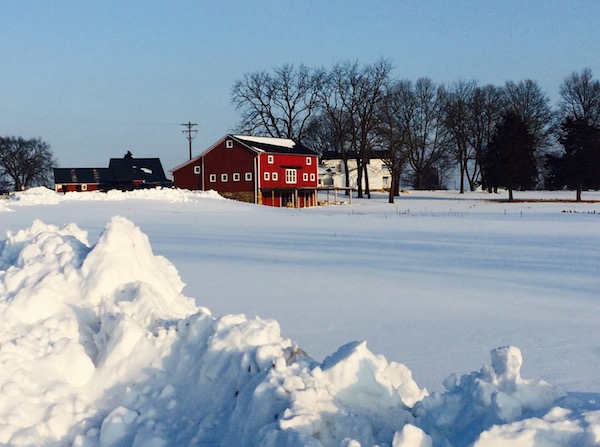
To all appearances, the farm is asleep. Snow blankets the fallow fields and gently rolling pastures. It lays upon broken corn stalks, withered tomato plants, and meadows browned in the chill of autumn. The earth is frozen hard, locked tight until the warming sun of spring returns.
Yet, in the midst of this monochromatic landscape, life thrives unseen. The farm’s warm hoophouse nurtures and strengthens seedlings and sprouts in advance of early spring planting, giving them a fighting chance against the fickle and changing Michigan weather of March and April.
The farm’s animals, barn-bound since the first snows, are nurturing and growing their own young lives. This is the breeding time on the farm, and Herd Manager Kelly Young is expecting a whole new generation of goat kids, lambs, piglets, and calves come spring.
GETTING OUR GOAT(S)
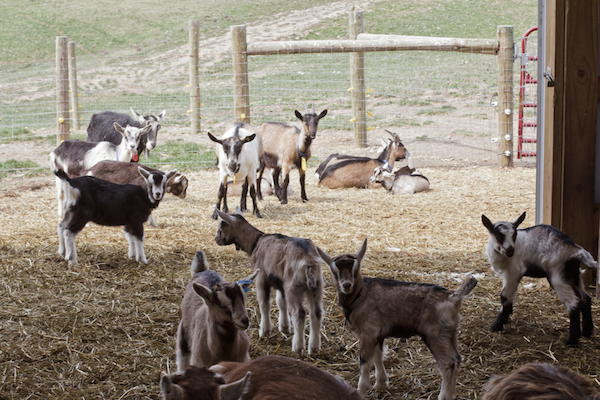
There are three different goat breeds on the farm; Toggenburg, Nubian, and American Alpine. All three are known for producing high-quality milk, and the farm sells their goat milk to Zingerman’s Creamery for use in cheesemaking. The mating process begins for the goats in October, when the bucks come in to rut. During rutting (mating) season, the buck’s scent glands begin to work overtime, secreting a powerful hormonal aroma. “They smell awful,” says Kelly, laughing. “When people talk about how goats smell, what they’re talking about is the smell of the bucks in rut.” Turns out, this is the key to a lady goat’s heart. October is also is the time when the does come into heat, and they’re on the lookout for a smelly buck to help them conceive.
Goats are seasonal breeders, showing little interest by January. So, Kelly has her local veterinarian stop by in December to verify which of the does is pregnant. The vet uses a portable ultrasound device “that she wears like a purse,” according to Kelly, and the pregnant goats are marked with a paint stick to quickly identify them when birthing season approaches. The infant goats require about five months of gestation, so the does that were impregnated in October will be due in March. Kelly tells me that goats usually give birth to twins; sometimes triplets, and in rare cases, quadruplets. The goat herd is one hundred twenty-strong, with forty-seven does currently expecting.
To help her monitor the birthing process Kelly has had a camera set up in the barn, which she can check using her smartphone. Prior to the barn camera, Kelly had to actually sleep in barn so she could keep an eye on the mothers. As she puts it, “first-timers can sometimes be a challenge,” and she needs to be present to ensure the birth goes smoothly, so mom and baby are healthy and comfortable.
ANCIENT SHEEP
For the seventeen Tunis sheep on the farm, the breeding and birthing process is very similar to goats, right down to the length of the gestation period (5 months). The Tunis is a rare breed, and one of the oldest in recorded history. The distinct breed originated in Tunisia on the Northern Coast of Africa, and they were first imported into the U.S. in 1799. Thomas Jefferson supposedly owned a large herd.
While the goat herd contains several breeding bucks, the Tunis ewes have to rely on just one stud ram to help bring the new spring lambs onto the farm each year. Kelly says they call him “The General,” and he does his best to live up to his name by head-butting those who would infringe on his territory. Unlike the goats, the sheep at Cornman Farms will normally produce just one lamb per season. They’re are also much more skittish around people than the sociable goats, which can be a challenge during the monitoring and birthing process. But, the sheep are also a much hardier animal, a big plus for an overworked herd manager during birthing season.
The Tunis is known for its tender and flavorful meat, milder than most and lacking the distinct mutton taste that’s present in other breeds. This was a big part of reason why they were chosen for Cornman Farms. Tunis sheep are also renowned for their long and lustrous wool, a detail that has not escaped Kelly’s eye. “We’re going to investigate having the wool processed into yarn this year,” she says. “We’ve never done it before, so this will be a learning experience.”
Sheep shearing happens in February or March, and it’s done by a roving crew who do all of their work on a specially equipped truck. The team pull the sheep up a ramp and into the back of the truck, then use power clippers at three different stations to separate the wool from the sheep. Kelly says it’s really something to see how quickly and efficiently the shearers give the Tunis a haircut. She’s hoping that the wool will produce a significant enough amount of yarn to be able to share, and possibly sell.
THIS LITTLE PIGGY
Last year, Zingerman’s Roadhouse Chef and Cornman Farms founder, Alex Young, traveled out to Iowa to look at some pigs. It might seem like a long way to travel, but these were very special animals. Raised by Paul Willis, founder and manager of the Niman Ranch Pork Company. Niman Ranch is known far and wide for the humane care of their animals, as well as the very high quality of the resulting meat. The pigs are a Chester White/Berkshire cross-breed. The Berkshire originated in 1800’s Britain, in the county of Berkshire, and is considered a rare heritage breed, while the Chester White was originally developed in Chester County, Pennsylvania. Both breeds are prized for their delicious flavor and tender meat, as well as a higher fat content which helps it stand up to both longer cooking times and higher temperatures.
Cornman Farms currently has five breeding sows, and this past fall they borrowed a stud boar from their friends at Green Things Farm, north of Ann Arbor. The boar apparently takes his siring duties very seriously. “He got right off the truck and just started doing his job!” laughs Kelly. But the enthusiastic fellow did his job well, and Cornman Farms will likely see five litters of ten piglets each in the spring. When it comes to breeding, it seems that pigs give it their full attention right down to the smallest detail: The gestation period for these pigs is precisely three months, three weeks, and three days.
When I do the math (50 new pigs!), Kelly reminds me that Zingerman’s Roadhouse throws an entire hog on the smoker each day to keep up with the steadily rising demand for their excellent barbecue. Additionally, the Roadhouse butchers will use a lot of the meat for their own house-made sausages, ham, bacon, and pork rinds, among other things. This is a perfect example of the farm-to-table concept, where everyone, from chefs to diners, knows exactly where their food came from.
‘TIL THE COWS COME HOME
The cows at Cornman Farms have it pretty good. Kelly maintains a herd of about seven breeding cows of mixed Angus, Hereford, and Charolais breed. The Angus originated in Scotland, and is probably the most common breed of beef cattle in the U.S. Angus are also noted for the superior quality and flavor of the meat, as is the Hereford. The Charolais originated in Charolles, France, and is another prominent breed among beef cattle. Additionally, the Charolais cross-breeds well with both Hereford and Angus cattle, bringing its own high-quality traits to the resulting beef.
Cornman Farms does not have a bull. Instead, the farm rents a stud bull who, like the boar, sets to his task with the air of a professional. Which, of course, he is. Each cow will deliver one calf each spring, so the herd will periodically grow in number until the older animals have reached harvest age of two years. Cornman Farms actually keeps their cows around longer than the industry average of 14-16 months. This is a reflection of Chef Alex’s more flavorful meat for the Roadhouse. Simply put, beef that’s been allowed to more fully mature just tastes better. Alex and Kelly feed the cattle an enriched diet of organically grown alfalfa and legumes, as well as a certain percentage of grain, which contributes to the ultimate flavor of the beef. Kelly says that beef that are exclusively fed grass produce a leaner beef, but the meat also lacks some of the richness of flavor. And the reason for this is the fat. Like many chefs, Alex Young strongly feels the presence of a bit of fat contributes to keeping the meat moist and flavorful during the cooking process, and thus, better tasting. Leaner beef tends to dry out more easily during the cooking process, and the result does not make for a good steak. So the cows get to enjoy some cereal with their breakfast, and they’re happier for it.
THE PAST, PRESENT, AND FUTURE
Kelly Young has a deep connection to Cornman Farms. She is the sixth generation of her family to live on the Island Lake Road property, and her family name (Arnold) is well-represented in the history of the Village of Dexter. The field currently used for the farm’s agriculture was part of the original deed issue way back in the early 1800’s. The plot passed out of family hands for a time, and Kelly is obviously happy to have it back. There’s a sense of coming full circle. It feels like home.
This past year has been a whirlwind of experiences and learning moments. Kelly feels a sense of connection to these humble creatures that comes from raising nearly all of them from birth. Kelly grew up on a horse farm, riding, training, and showing her animals, and this experience likely gave her a leg up in understand the care of livestock. But, more importantly, Kelly thinks is an innate trait that some people simply possess. “I think there are people who know animals and can work with animals, and those who can’t. When people [or prospective farm hands] come and visit the farm, I watch how they act around the animals. You can tell who’s an animal person and who’s not.“ And Kelly, obviously, is an animal person.
When I ask Kelly what’s next for the farm, she says she’d love to bring in chickens and ducks, and possibly expand the existing herds. But, that’s down the road. Right now, her plate is pretty full with managing the herd and raising a family. “Once we have more staff, then it will be easier to manage the animals.” But that’s the future. How about right now?
“I am happier now that I’ve ever been in my entire life. I am thrilled to death that this is my job, and I can’t believe I get to do it.”
Tag: CORNMAN FARMS
Maple Cocktail class at cornman farms

The full moon tonight, March 5th, marks the beginning of what some Native American groups referred to as the “Sap Moon,” and for good reason! This is maple syrup season in Michigan! The freeze-thaw cycle of warmer temperatures during the day and colder temperatures at night causes the sap in sugar maple trees to “run” and those with the know-how will tap the trees, collect the sap, and boil it down into maple syrup. This delectable indigenous sweetener adds a robust richness and woodsy complexity to cocktails in a way no other sweetener can. On Friday, March 13th, 7pm, we will be exploring the use of maple syrup in cocktails. Often used in colonial-era libations, this flavorful sweetener is once again a rising star in bars all over the US.
We will be making three distinct cocktails, all of which incorporate maple syrup. We’ll start with the sweet and spicy Nor’easter, a concoction of rye whiskey, lime juice, maple syrup, and spicy Blenheim ginger ale. Next we’ll make a Maple-rita. A twist on the classic margarita, this brunch-friendly beverage uses tequila, maple syrup, lime and orange juices to brighten your day. Lastly, we’ll explore a broad category of drinks called the “smash”, during which each guest will choose between three options to customize their very own Maple Bourbon Smash: mint, blackberry or grapefruit. Throughout the evening we’ll discuss the history of maple syrup and the liquors used in these cocktails. Guests will enjoy making and then drinking all three cocktails while munching on delicious farm-fresh snacks prepared only moments before in the farmhouse kitchen, before leaving with a cup of coffee and recipes for the cocktails featured in this class. Join us to celebrate the sweet beginning of spring!