
Tag: Grace Singleton
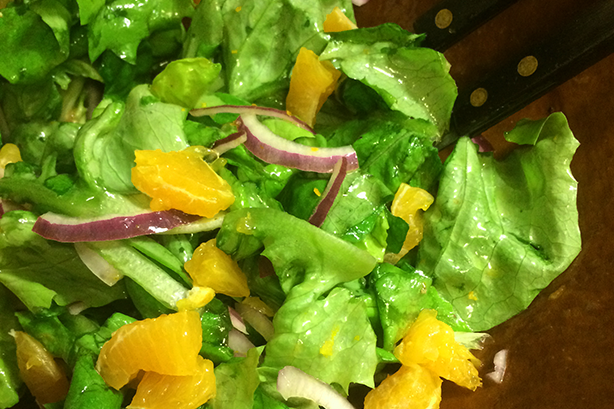
Welcome to Cooking with Grace! This is where Grace Singleton, a managing partner at the Deli, shares her favorite products and delectable home cooking tips with us. This week, she tells us how to make an easy, vibrant vinaigrette. Want to learn more about vinegar? If you’re local, join us for our upcoming Vinegar 101 class at the Deli on 2/15 at 6:30pm. Find out more here.
Vinaigrettes are pretty simple to make. It just takes a few ingredients whisked together, and you have a tasty dressing that you can use on green salads, to dress roasted vegetables, or to drizzle over fresh mozzarella—whatever suits your mood.
It’s important to start with really good tasting olive oil and vinegar as those are the main components. You can then add whatever condiment or seasoning you have to the vinegar and whisk in the oil to make an emulsion. Mustard (especially dijon) is very good because it naturally helps the emulsion form, but I’ve had good luck using honey as well.
And, here’s a secret: it doesn’t really matter if your salad dressing forms an emulsion or not. If I am adding multiple ingredients to the oil and vinegar (things besides salt and pepper) then I will whisk the dressing in the bottom of the salad bowl or in a separate bowl and then toss the greens in the dressing.
If I am going for something simpler, I’ll just put the greens into my salad bowl and toss the lettuce leaves in just enough olive oil to coat them (you don’t want so much that you have a pool in the bottom of the bowl). I then add a little salt and pepper as it sticks nicely to the greens once the oil is on them. I finish with a few splashes of vinegar, taste the greens and add more oil if it’s too vinegary. You can also add more vinegar if you want a bit more acidity.
Here are two vinaigrette recipes from my home kitchen:
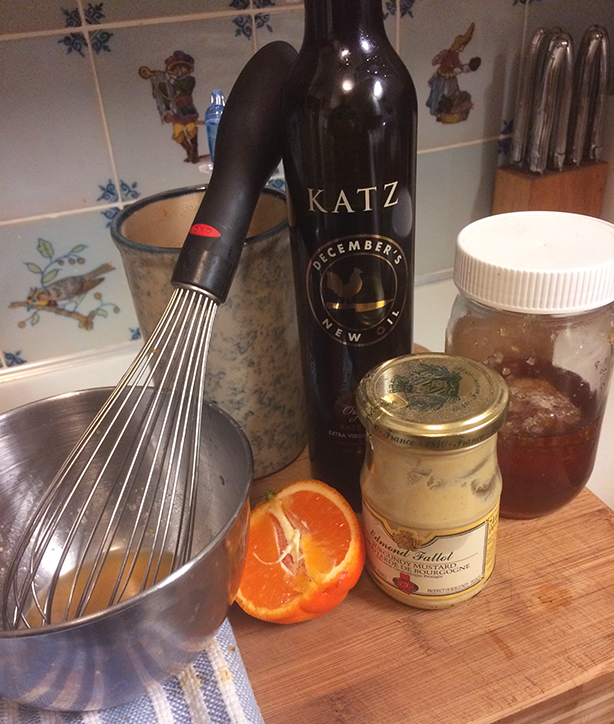
Mandarin Dijon Vinaigrette:
2 tbsp of your favorite vinegar (I’ve been using a wildflower vinegar that I am testing to see if we should sell it at the Deli in the future)
3-4 tablespoons olive oil (I use Katz December oil)
1 tsp of dijon mustard (I use Fallot Burgundy)
1 tsp honey
pinch of sea salt
couple grinds of pepper
juice from half a mandarin orange (set other half to the side, you’ll need it later)
chopped red onion (use as much or as little as you like)
fresh greens of your choice
Directions:
1. Whisk everything except the olive oil, onions, greens, and half mandarin together in a bowl.
2. Add 3-4 tablespoons olive oil.
3. Place cleaned greens and chopped red onion in salad bowl
4. Toss greens and red onion with enough dressing to coat the leaves. Taste and add more salt, pepper, oil or vinegar to taste.
5. Remove the peel from the other half mandarin and cut up segments into 1/2″ size pieces and add as a garnish.
Note: unused dressing can be refrigerated and used again after whisking
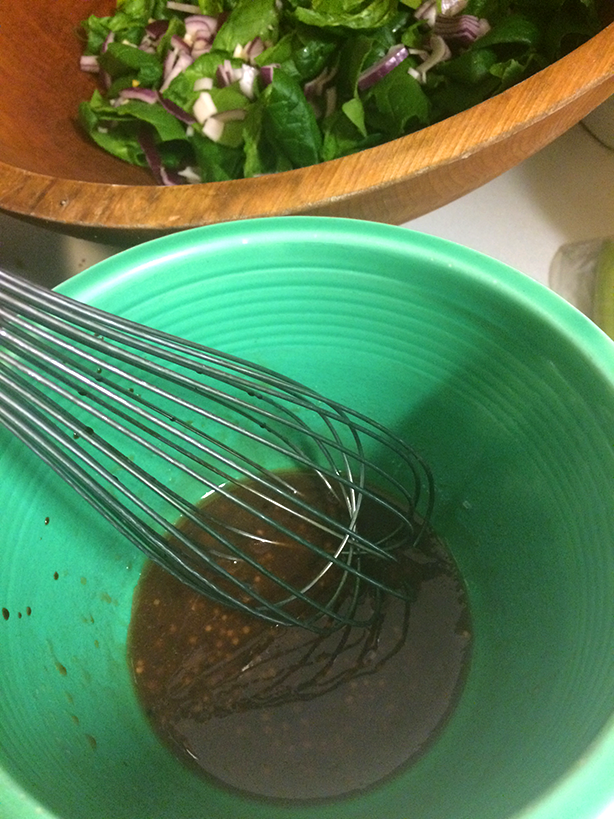
Hudson Standard Concord Grape Vinaigrette:
1 tbsp of your favorite vinegar ( I used 16 year old Vecchia Balsamic Vinegar)
1 tbsp of Concord grape shrub (I use Hudson Standard)
2 tbsp whole grain mustard (I really love American Spoon)
pinch of sea salt
2-3 grinds of black pepper
3-4 tbsp of extra virgin olive oil (I use Katz December oil)
Directions:
1. Whisk all above except the olive oil together and slowly add 3-4 tablespoons of extra virgin olive oil (Katz December oil)
2. Taste and add more of any of the ingredients you think it needs
I tossed fresh spinach in this vinaigrette, adding a little red onion as I did with the Mandarin Dijon Vinaigrette above. I tossed the greens with enough dressing to coat them. Taste the greens with the dressing, and add more salt, pepper, oil or vinegar if desired. It’s all about what tastes good to you!
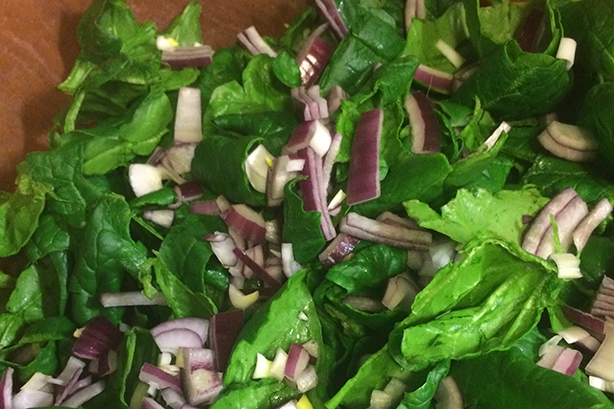
A few words about greens:
Locally in Ann Arbor, there’s been some really great butter lettuce available at the Saturday Farmers Market in Kerrytown from Goetz Family Farm. I call it butter lettuce, but there may be a different name for it. It’s big leafy greens—tender but not delicate, and so full of flavor. The leaves are thick and give quite a crunch. I’m loving the fact that I can get locally grown lettuce that is packed with flavor. It almost makes me think that it isn’t January! There’s also lots of locally grown spinach available—I picked some up at Argus Farm Stand.
However, whichever greens you use, you should taste them to decide what kind of salad dressing you want to use. There’s quite a range of flavor in greens from soft sweet greens to spicy arugula. I usually try to put something sweeter on the spicy greens, and something lighter on the more delicate greens, so the flavor of the greens doesn’t get hidden by the other flavors.
Don’t forget our Balsamic Blowout Sale
While we’re on the subject of vinegar, I should mention that our annual Balsamic Blowout Sale is going on, so now’s the time to stock up on your favorite balsamic vinegars! It ends February 28.
Welcome to Cooking with Grace! This is where Grace Singleton, a managing partner at the Deli, shares her favorite products and delectable home cooking tips with us. This week, she tells us about the new harvest olive oils that just hit the shelves at Zingerman’s Deli.
I always get excited when we receive the new harvest olive oils, and I get my first taste of how the past season has impacted the flavor of the olives and the oil pressed from them.
Olive oil harvests in the Northern Hemisphere generally happen in late fall, and as with all agricultural harvests, there’s a lot of work to be done in a short amount of time. The fruit must be picked when it’s at the perfect ripeness and flavor, the weather must be watched closely to make sure there isn’t too much (or too little) rain or cold, and pests (like the dreaded olive fly which has been a continuing problem in Europe) have to be monitored for. You also have to make sure you have all the people and equipment needed to process the harvest. There’s different levels of mechanization used in olive picking and oil pressing—but for the most part, there are always long days of work for as many of your friends, family and workers as you can bring together to help.
But there’s joy in it, too. There’s a celebration surrounding the harvest—a celebration of all the people who come together to make it happen (with many shared family meals to help offset the long hours of work). Of course, there’s also the excitement of tasting the first fruits of all the labor as every year yields a different result in flavor.
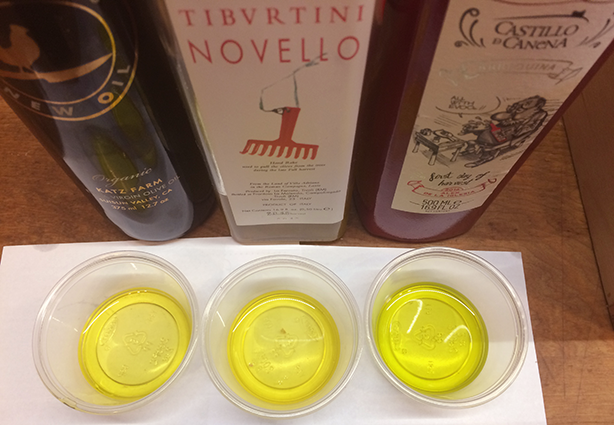
Right now, we have a limited supply of three new harvest olive oils, which can be called olio nuovo or novello depending on the producer and country of origin, on the shelves right now. Come in for a first taste of what’s to come later this spring once the remainder of the harvest is blended, rested, sometimes filtered, and then bottled for us. These are the freshest oils you will get a chance to taste, and they are all exceptional and quite different from each other.
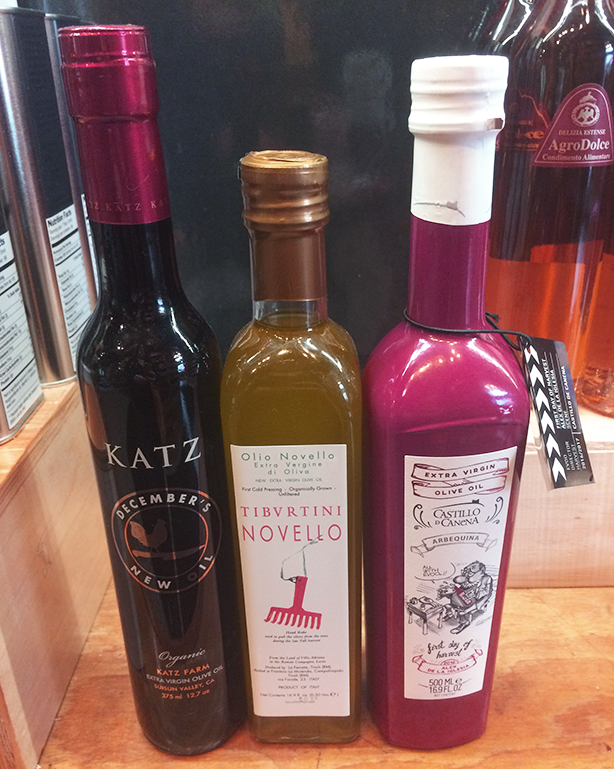
Castillo de Canena: “First day of harvest” Spain-Arbequina olives. These folks not only make amazing quality oil, they also have beautiful and unique packaging that really stands out on our shelves and makes a lovely gift. This oil has a super-silky mouthfeel with a quick burst of bitter picante flavors that hit your mouth first and then settle into arugula heat mixed with a spice similar to a Hungarian hot paprika. The aroma on this oil is big—with fresh cut grass and tomato dominating the scent.
Tiburtini Novello: Hand-harvested, organically grown, and unfiltered after pressing. With notes of almond in the beginning with a smooth, thick mouth feel, this oil has a nutty buttery aroma. It has quite a lot of heat in the back of the mouth and is balanced with a clarified butter flavor and some macadamia nut on the finish.
Katz December’s New Oil: Suisun Valley, California. Leccino olives from the first day of production on October 26th, and Frantoio from November 5th and 12th were blended to make this unfiltered oil. This oil has a fairly mild aroma with a fresh green spiciness. It smells and tastes alive. The mouth feel is silky, and the flavors are buttery with a developing heat that spreads through the mouth from the tip of the tongue, to the side, the back and ends in a savory taste. The heat fades to more vegetal flavors of cooked greens and artichoke. The bitter and the spicy flavors do a wonderful dance on the tongue, each in balance and taking turns leading. The heat is similar to that of a good cassia cinnamon heat: subtle yet present.

Welcome to Cooking with Grace! This is where Grace Singleton, a managing partner at the Deli, shares her delectable home cooking with us. This week, she brings us Honey Drop Cookies!
I found myself with several almost-finished jars of honey and wanted to make a different kind of Christmas cookie. I wanted to clean out my cupboard a bit before I let myself buy any more (I have a thing for honey!). There are so many different flavors and styles of honey, and each can transport you to a different part of the world or a different season—you get to taste the flavors of the land that were captured by the bees.
I had gotten a copy of a 1936 publication called “Let’s Cook with California Honey,” which was prepared for the California Beekeepers Association by UC Davis (Division of Home Economics and the College of Agriculture). It explains how to cook with honey, i.e. altering the water content of the recipe and also adding soda to counteract the acidic nature of honey. It also has a great section on why to cook with honey: “Why, then, is honey better than sugar for any kind of cooking at all? The answer is contained in one word: flavor.”
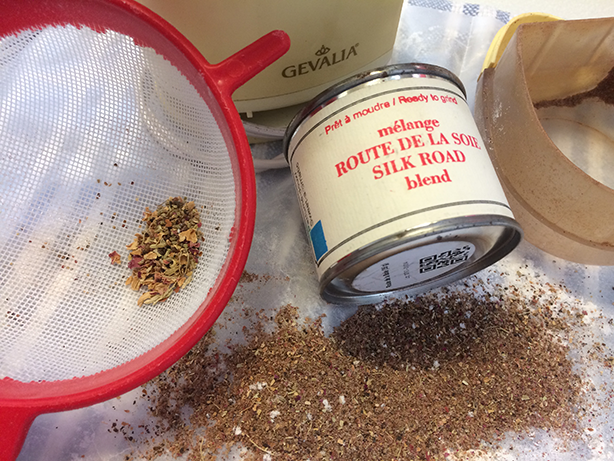
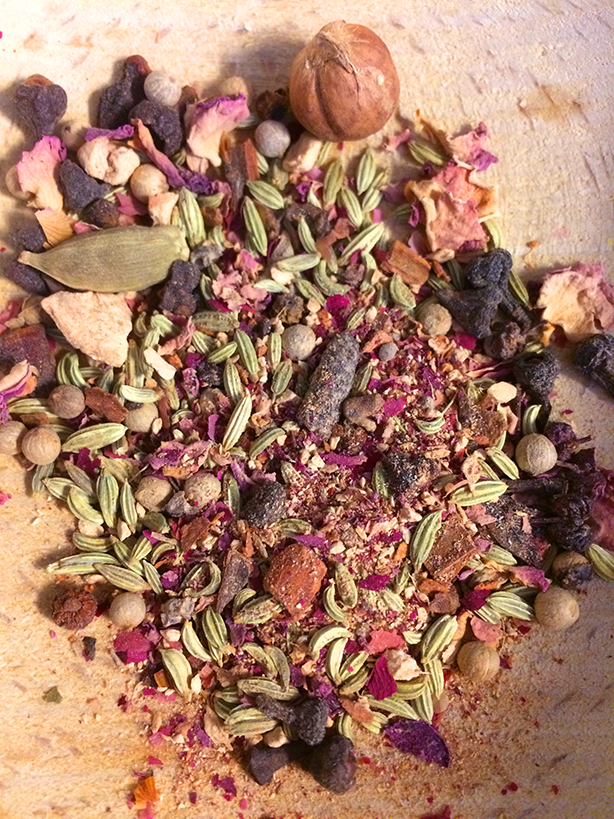
I adapted their Soft Honey Cookie recipe a bit (substituting butter for Crisco) and added some ground Silk Road Blend from Epice de Cru, which we sell at the Deli. I’ve been infatuated with the Silk Road Blend since I first saw it—it’s chock full of so many wonderful things, including fennel, ginger, rose, cassis, and szechuan pepper (just to name a few!).

Here’s the recipe:
cream 1/2 cup butter
add 1/2 Cup honey
add 1 egg
sift together:
1 3/4 cup flour
1/4 tsp salt
1/2 tsp soda
2 tsp baking powder
2 tsp silk road blend (grind & be sure to sift out any large pieces)
Add dry mix to butter/honey/egg mix just to incorporate
Roll out and cut into shapes, or roll into small balls
Place on ungreased baking sheet at 375 F for 15 minutes

I really like the depth of flavor the honey and spices add to this cookie. If you want it a little sweeter, dust or roll cooled cookies with powdered sugar.
Now, which honey should I buy next?
—Grace
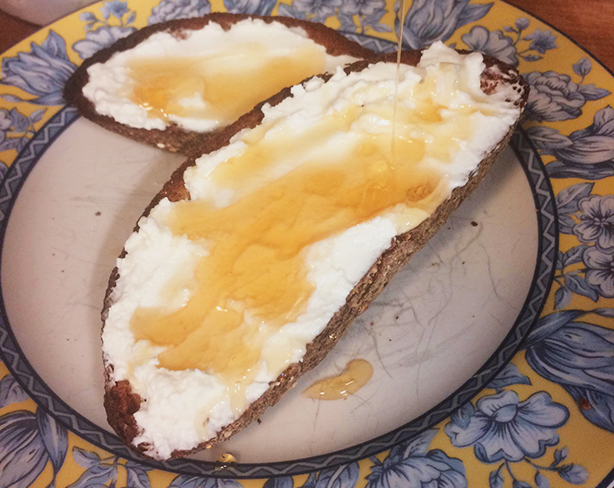
Welcome to Cooking with Grace! This is where Grace Singleton, a managing partner at the Deli, shares her delectable home cooking with us. This week, she brings us a quick, easy and delicious breakfast that anyone can make at home.
“I was craving something different for breakfast and wanted something really flavorful and simple to make in the morning,” says Grace. “I’m usually moving pretty fast in the morning without a lot of extra time.” What Grace came up with is a fantastic upgrade to everyday toast that takes just minutes to prepare.
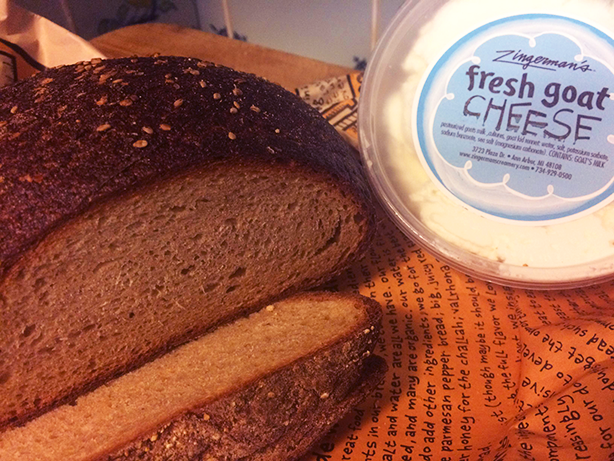
Grace picked Zingerman’s Bakehouse Pane Nero for this dish because she loves the bread’s texture, especially when it’s toasted. “It’s lovely,” she says. “Dense and crumbly with bits of crispiness on the edges, but it still stays moist in the center.”
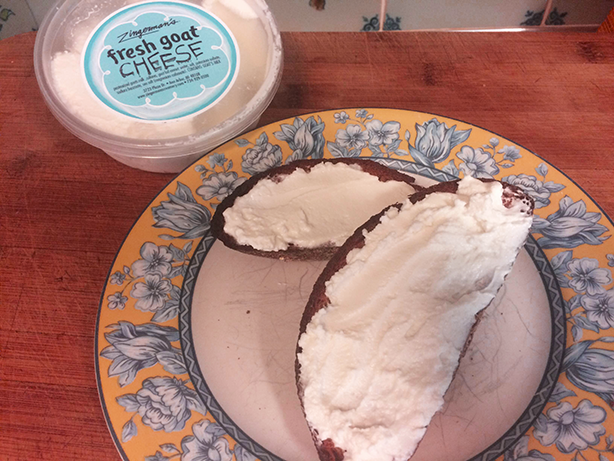
Next, she spread on the Creamery’s Fresh Goat Cream Cheese, which is a little tart and creamy. She like this as a topping because it melts into warm toast nicely, and it offsets the nuttiness of the bread really well.
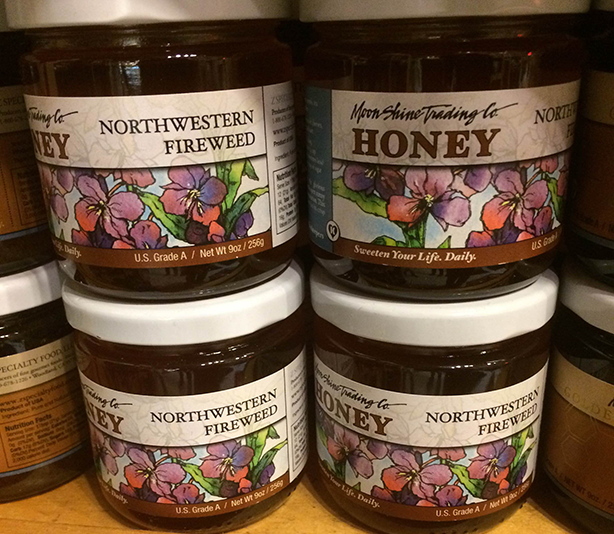
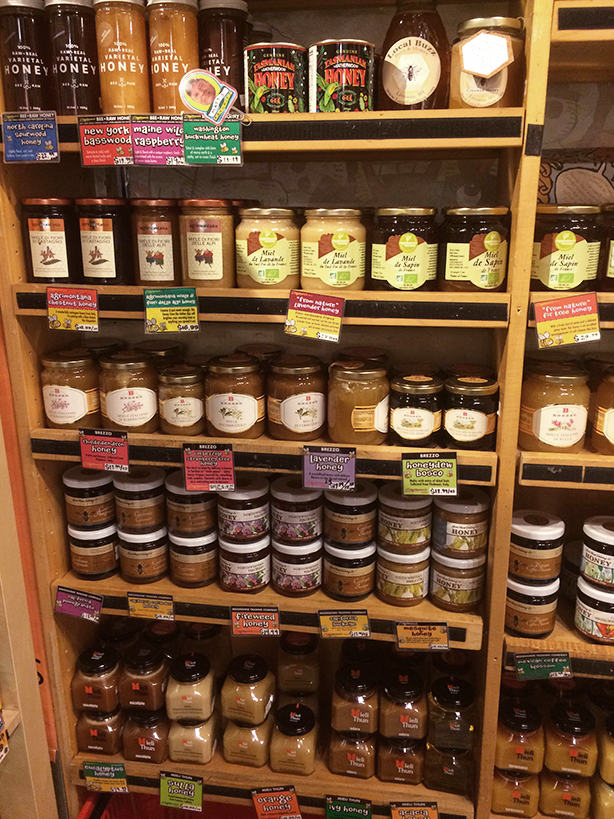
The last (and best!) step is to drizzle a little honey over the top. This time around, she used Moonshine Trading Company’s Northwestern Fireweed Honey, a light, delicate variety with a fine, spreadable texture. It’s been called “the champagne of honey.” However, Grace believes in finding the right honey for you, so she suggests coming to the Deli to try a few (we’ll give you a taste from any jar that catches your eye!) and deciding which one you like best.
Here’s to a good breakfast! Enjoy.

Four flights, five days, five dairies, about twenty-five different cheeses, some friends, a lot of time in the car, and a dozen very good meals all added up to one very good trip!
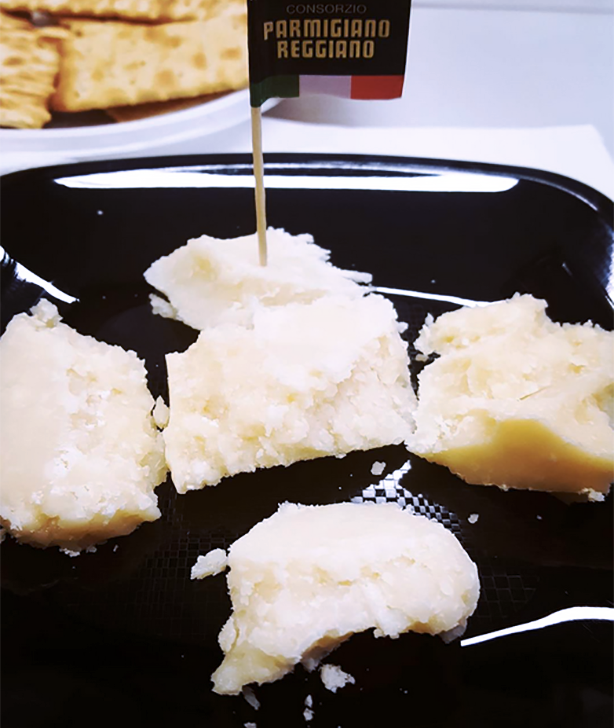
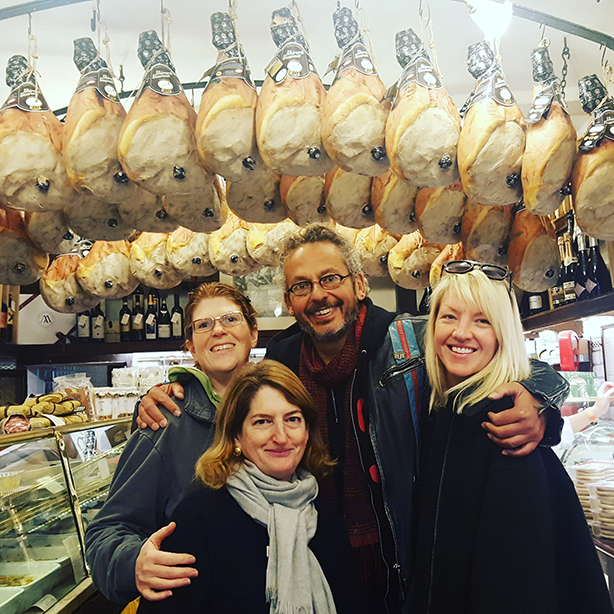
At the end of last month, I had a chance to go to Reggio-Emilia to taste test Parmigiano-Reggiano. Grace Singleton, long time managing partner at the Deli and my girlfriend Tammie Gilfoyle packed our suitcases and flew out to northern Italy. There, we met up with my long time friend and very fine food writer Elizabeth Minchilli (check out her website—her blogging, her books and her food tours are all fantastic!).
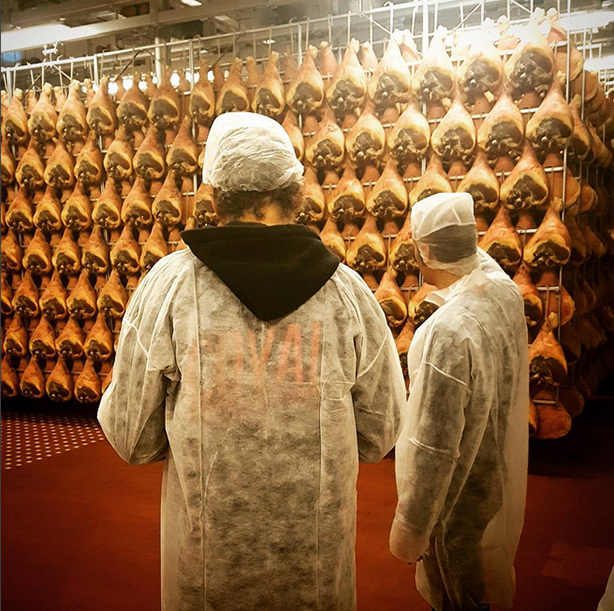
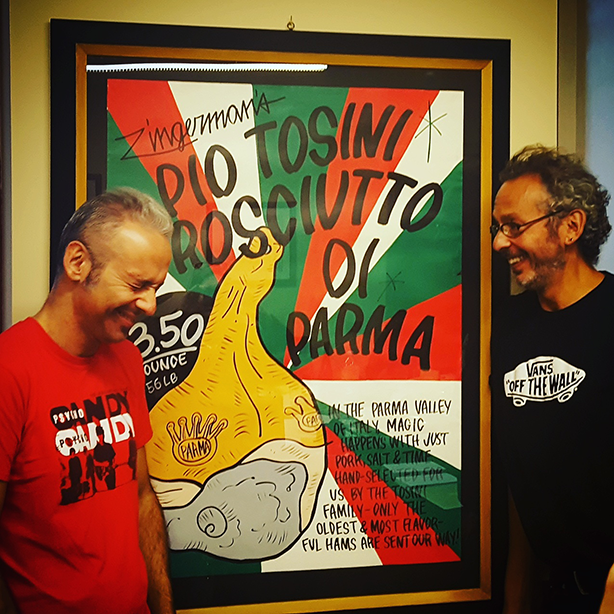
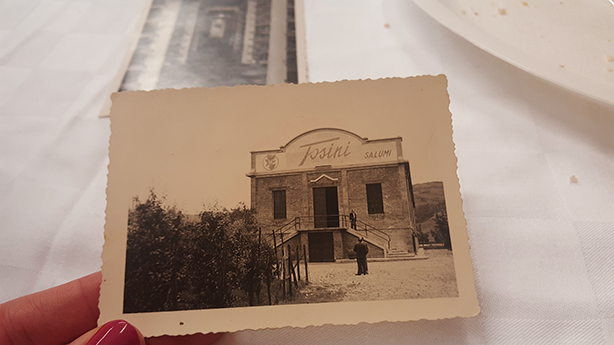
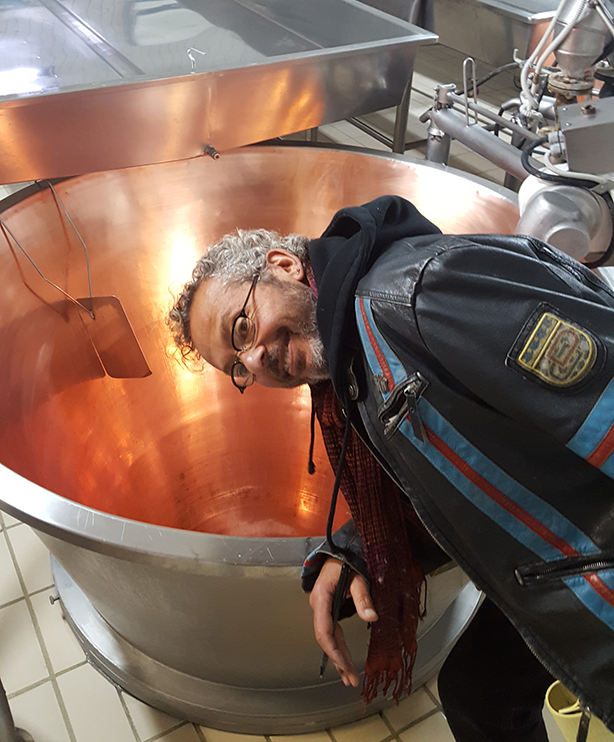
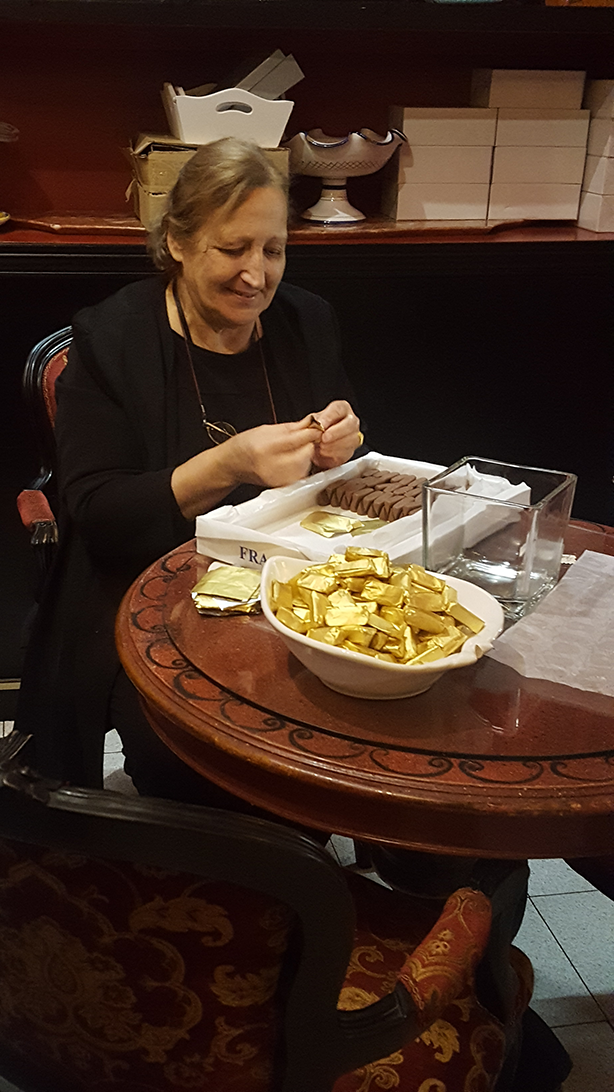
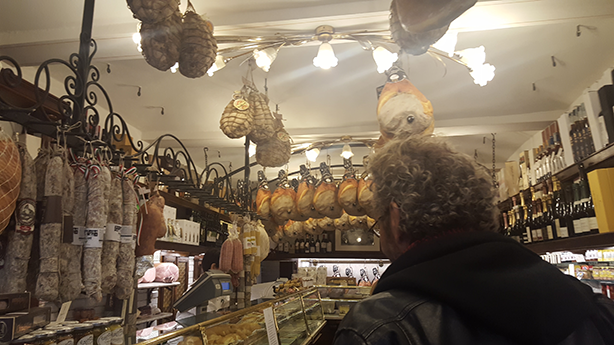
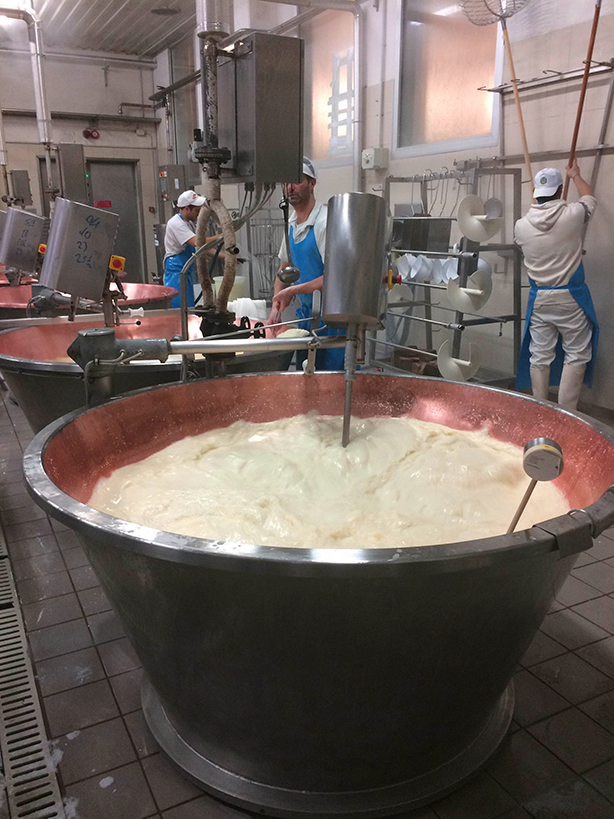
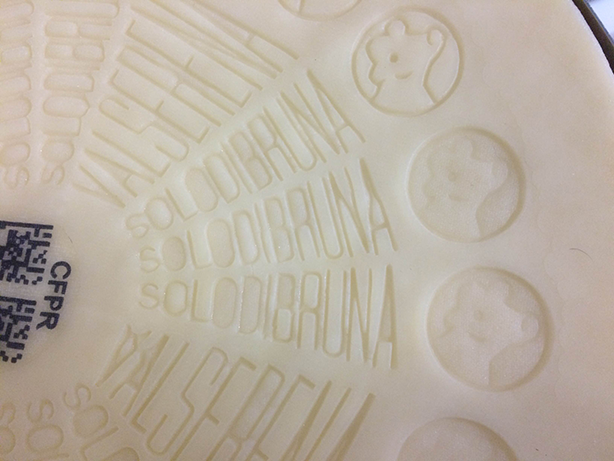
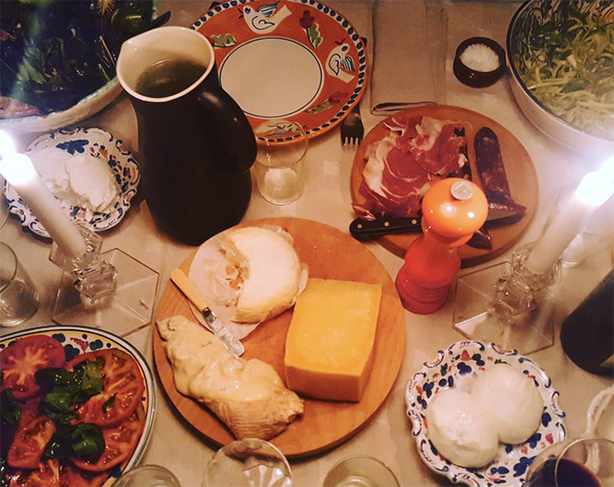
We spent most of the week based in the lovely medium-sized town of Reggio-Emilia, headquarters of the Consorzio del Parmigiano Reggiano. From there, thanks to the good guidance of our Consorzio host, Simone Ficarelli, we spent three days driving back and forth across the province to taste cheese from some of the area’s best Parmigiano-Reggiano producers! We hope to have some of the results of our travels and tastings in house for you to taste some time next year! In the mean time here are some photos to whet your appetite!
—Ari




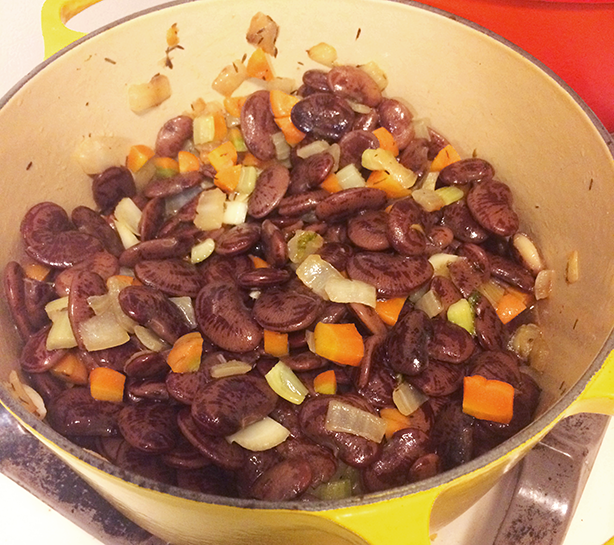
Grace Singleton, a Managing Partner of Zingerman’s Delicatessen, loves to cook at home, using the great products we sell at the Deli. Her most recent meal was the simple and delicious Christmas Lima Bean Pilaf. The Lima beans she included in the dish came from her home garden, but you’ll also find them on our shelves along with Gardeny Cava Rose Vinegar and Onsa’s Oil, which she also used.
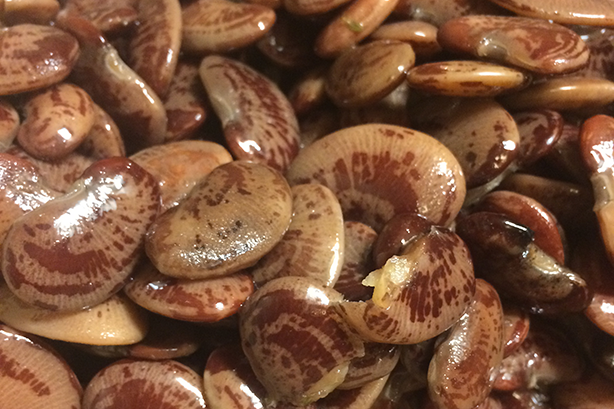
How to start: Grace first lets the beans simmer in water (no salt) for about 3 hours. You can add bay leaf or thyme or other herbs to the water as well, if you choose. To determine if they are cooked though, she takes one out and tastes it. You’ll know they’re ready if they have a bit of texture. You don’t want them to be completely soft, but they also shouldn’t have any crunch in the middle. “Everyone may have a different level of doneness they prefer,” says Grace. “If they do get really soft, they are still tasty, but can become more of a mashed bean, not a whole bean pilaf.”
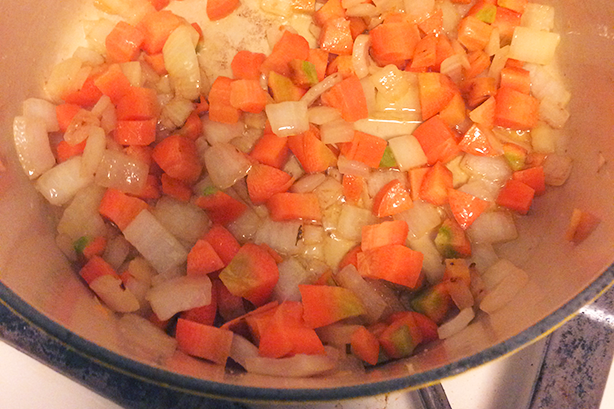
Sauté the trinity (onions, carrots, celery): Start with chopped onions, and sauté them in Onsa’s Oil until translucent. Then, add carrots and celery and cook until tender. Salt the veggies to taste. Grace uses Portuguese sea salt.
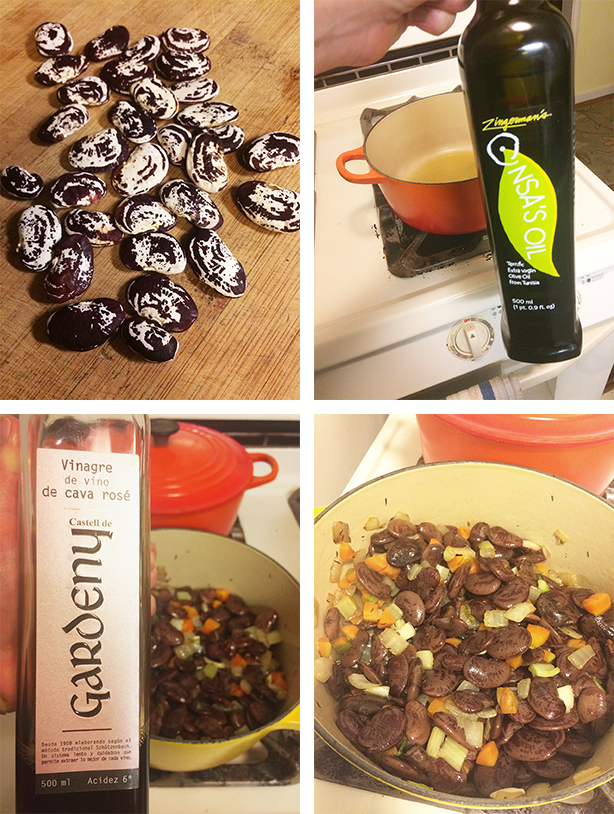
Add the drained beans: Combine the drained beans with the sautéed veggies. Now, add more salt to taste. Add 1-2 tablespoons of Gardeny Cava Rose vinegar until you reach the flavor you’re looking for. Vinegar is a nice flavor addition to many foods—it perks up the flavors and adds to the depth of flavors. Grace says that if you don’t have Spanish vinegar, no problem. Any traditionally made wine vinegar will do.
Try this at home! You’ll love it!