
Tag: zingermans community
 |
|
|
|
Want more from Ari?Sign up for Ari’s Top 5 e-newsletter and look forward to his weekly curated email—a roundup of 5 Zing things Ari is excited about this week—stuff you might not have heard of! Follow us on social media: Instagram, Facebook and Twitter, @zingermanscommunity. |
Tag: zingermans community
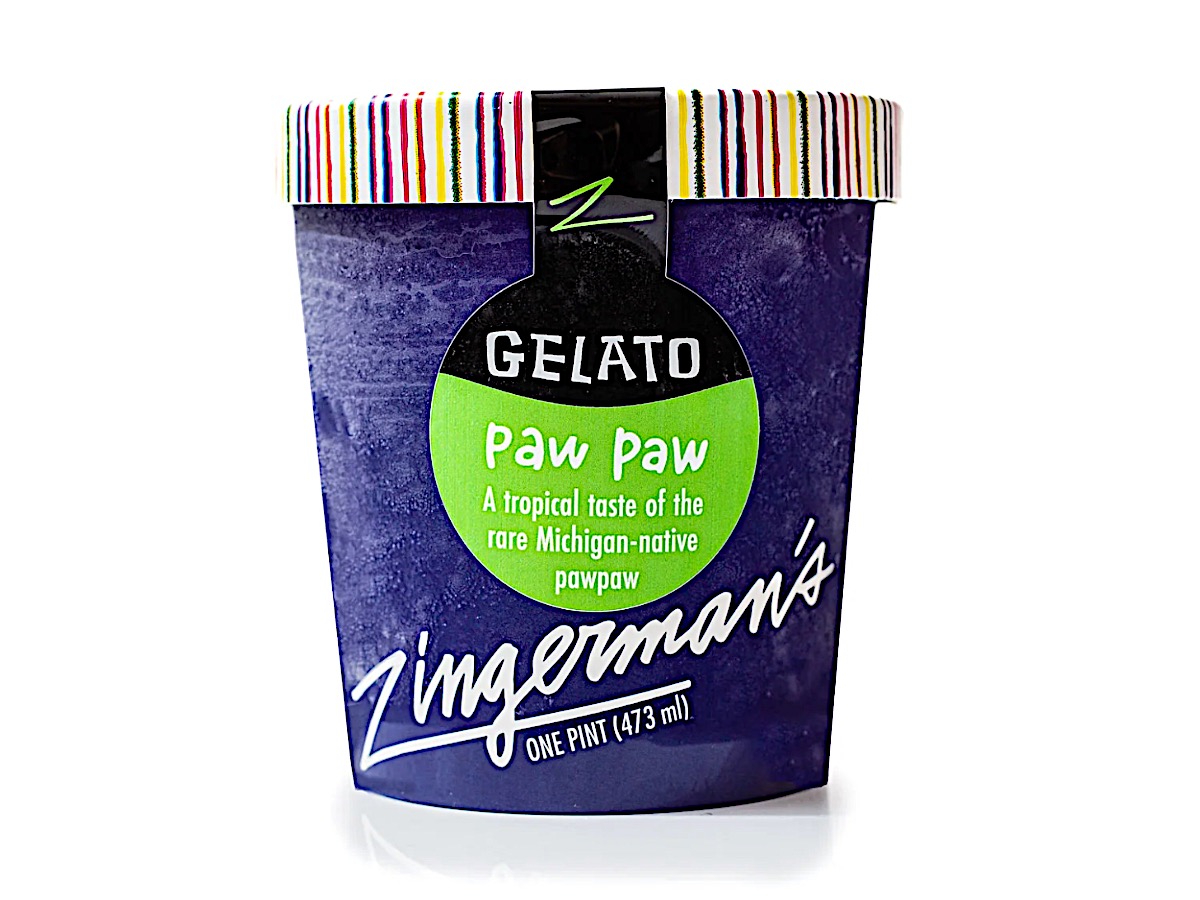
America’s secret fruit shows up on the Southside
|
| Check out all of the Creamery’s gelato flavors |
Want more from Ari?
Sign up for Ari’s Top 5 e-newsletter and look forward to his weekly curated email—a roundup of 5 Zing things Ari is excited about this week—stuff you might not have heard of!
Follow us on social media: Instagram, Facebook and Twitter, @zingermanscommunity.
Tag: zingermans community
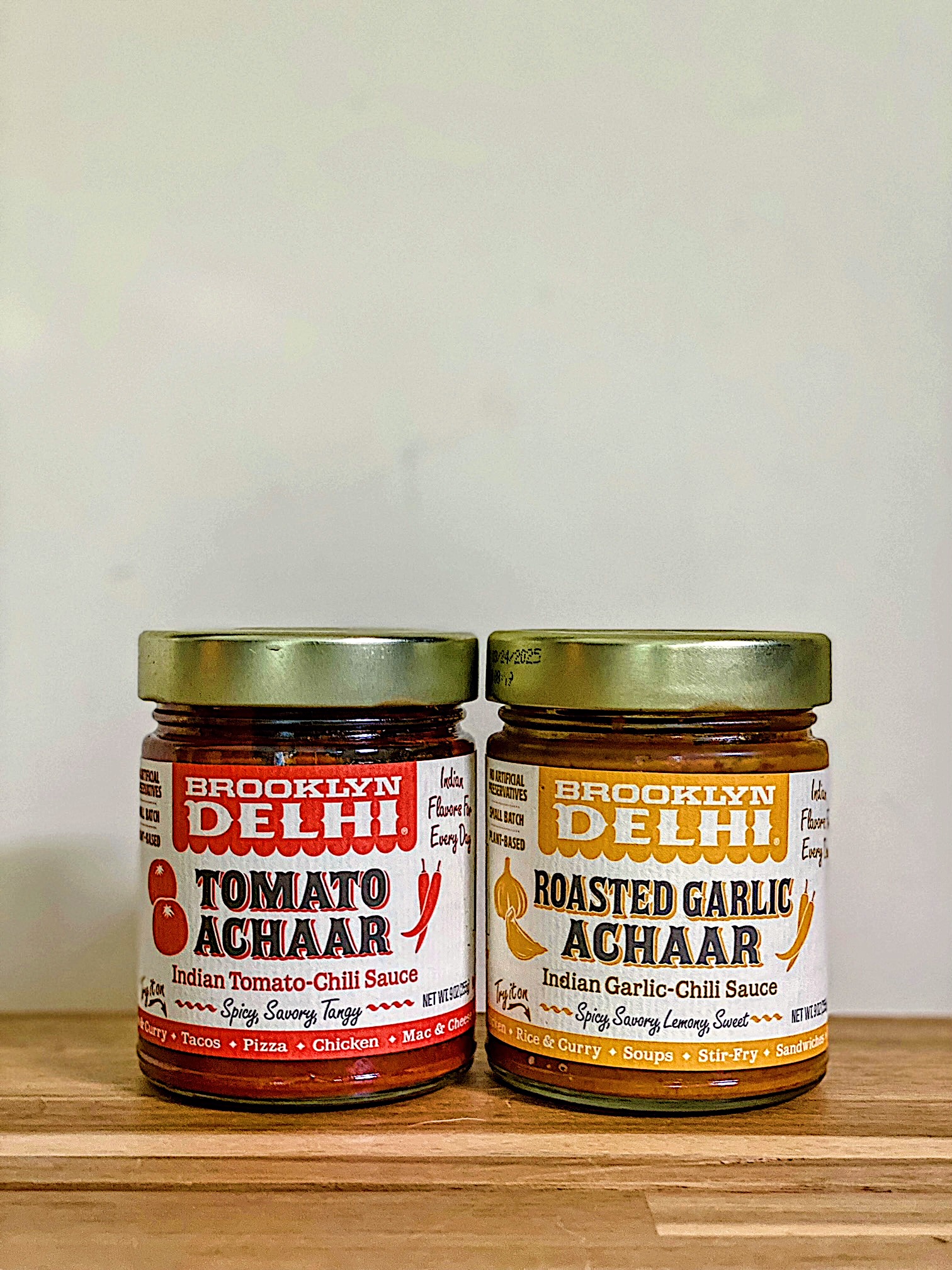
All about achaar (and Brooklyn Delhi, too, for that matter!)
Achaar (uh-char) is a South Asian relish condiment. It’s often referred to as an Indian pickle or South Asian pickle, but as Chitra Agarwal, founder of Brooklyn Delhi and author of Vibrant India, explains, “it has nothing to do with the flavor of dill pickles and more to do with, say, kimchi (Korean), sriracha (Thai), or harissa (Tunisian).” Adding, “For those that are unfamiliar with achaar, it’s a spicy, savory, sour, and sweet relish made from local vegetables, fruits, spices, and oil.”
Agarwal and her husband, Ben Garthus, launched Brooklyn Delhi to share modern Indian pantry staples, the kinds of condiments they loved, but couldn’t find on grocery store shelves in the U.S. Brooklyn Delhi thoughtfully sources the best ingredients they can find for their plant-based, small-batch sauces, never including preservatives or artificial ingredients. Brooklyn Delhi’s recipes are rooted in time-honored Indian culinary traditions and layered with Agarwal’s own modern spin, like using less salt, so the flavor of the produce is really able to shine through.
Our Achaar Flavors
We carry two of Brooklyn Delhi’s achaars, Tomato Achaar and Roasted Garlic Achaar:
- Tomato Achaar is savory, spicy, and tangy; made with tomatoes, tamarind, unrefined cane sugar, sesame oil, and a blend of spices including fenugreek, turmeric, and ground red chili peppers.
- Roasted Garlic Achaar is spicy, sweet, and bright; made with roasted garlic, lemon juice, canola oil, and again, a bit of sugar and a blend of spices including turmeric and ground red chili peppers.
We’ll happily take the blame if they become your new go-to condiments, and you won’t be alone. Of these achaars, New York magazine says, “Hot, sweet, sour, bafflingly complex, and addictive enough to make you consider carrying a jar of it wherever you go.” Brad Hedeman, Marketer Manager at Zingerman’s Mail Order, is a big fan of their Roasted Garlic Achaar, saying, “Flavor-wise, it’s got a big garlic punch, then a note of ‘spicy-lemon-sweet-rich-bright.’ It’s everything at the same time, all those sensations all at once. Wicked stuff.” Traditionally, achaar is eaten with rice, curry, dal, and yogurt, but if you’re already ready to branch out, we have a few more ideas to get you going.
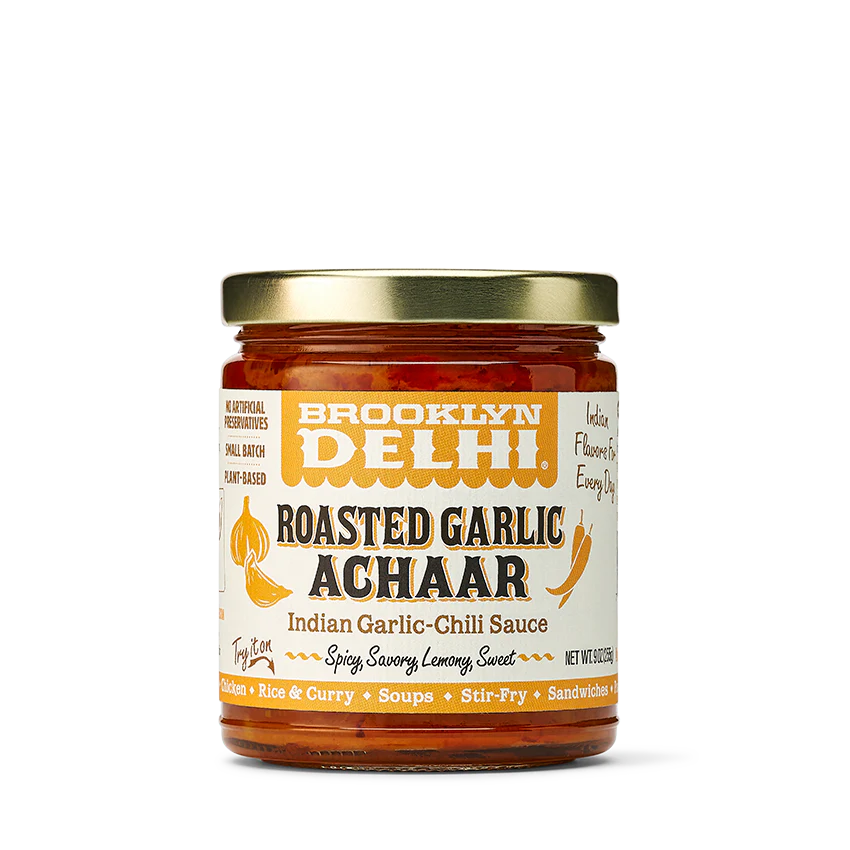
Photo credit to Brooklyn Delhi
5 of Our Favorite Ways to Use Achaars
- Stir into soups and stocks. Use Roasted Garlic Achaar to give greater garlicky depth to dishes like miso soup. Swirl Tomato Achaar into brothy braised beans for an extra kick or into tomato soup, like the Bakehouse’s Creamy Tomato De-Vine.
- Top your toasts. Ari Weinzweig, Zingerman’s co-founder and CEO, likes to top Sicilian Sesame Semolina bread from the Bakehouse with Fresh Goat Cheese from the Creamery and Tomato Achaar, adding, “If you’re like me, once you try it, you’ll find yourself putting it on pretty much everything! In the “Breezy Breakfasts” cookbooklet from Zingerman’s, one suggested toast combo is Better than San Francisco Sourdough with Tomato Achaar and avocado.
- Give your pizza some pizazz. Brooklyn Delhi suggests using their Tomato Achaar instead of tomato sauce or topping a pizza with sautéed mushrooms tossed in the Roasted Garlic Achaar.
- Spice up your sauces, dips, and dressings. Stir some Tomato Achaar into your pasta sauce, shakshuka, or labneh. Add even more depth of flavor to already spicy buffalo wing sauce and gochujang sauce. Swirl a spoonful of Roasted Garlic Achaar into hummus or mayonnaise.
- Treat it like you would any other condiment. Spoon some on scrambled eggs, dollop it on top of grilled meats, spread it on a sandwich, and use it to garnish pasta dishes. Lindsey Rampton, Web Services Manager at Zingerman’s Creative Services stocks up on Tomato Achaar during Zingerman’s Mail Order’s annual Summer Sale, explaining, “I always keep some handy for times when I need a quick cheese board pairing or more spice in a rice bowl.”
So far, I’ve used the Garlic Achaar to make next-level garlic bread and swirled it into sour cream for leftover falafel that was sorely in need of saving from its dry, crumbly self. I’ve dabbed the Tomato Achaar onto fried eggs and leftover pizza. (Are you sensing a theme here? These condiments take leftovers from something you eat out of guilt to something you look forward to.) I’m a big fan of Yotam Ottolenghi’s iconic Eggplant with Buttermilk Sauce from his cookbook Plenty, so next on my to-make list is Brooklyn Delhi’s twist on it with Garlic Achaar. (Pro tip: Their website has a wealth of tempting recipes.)
Ready to squeeze the day and try them for yourself?! Get Brooklyn Delhi’s achaars at Zingerman’s Deli or let Zingerman’s Mail Order ship one (or both the Tomato Achaar and the Roasted Garlic Achaar) to your doorstep.
Want more? We want to hear from you over on our social media platforms. Share your experience or your favorite food at any of our Zingerman’s businesses. We will happily share it on our Instagram and Facebook @Zingermanscommunity.
Tag: zingermans community
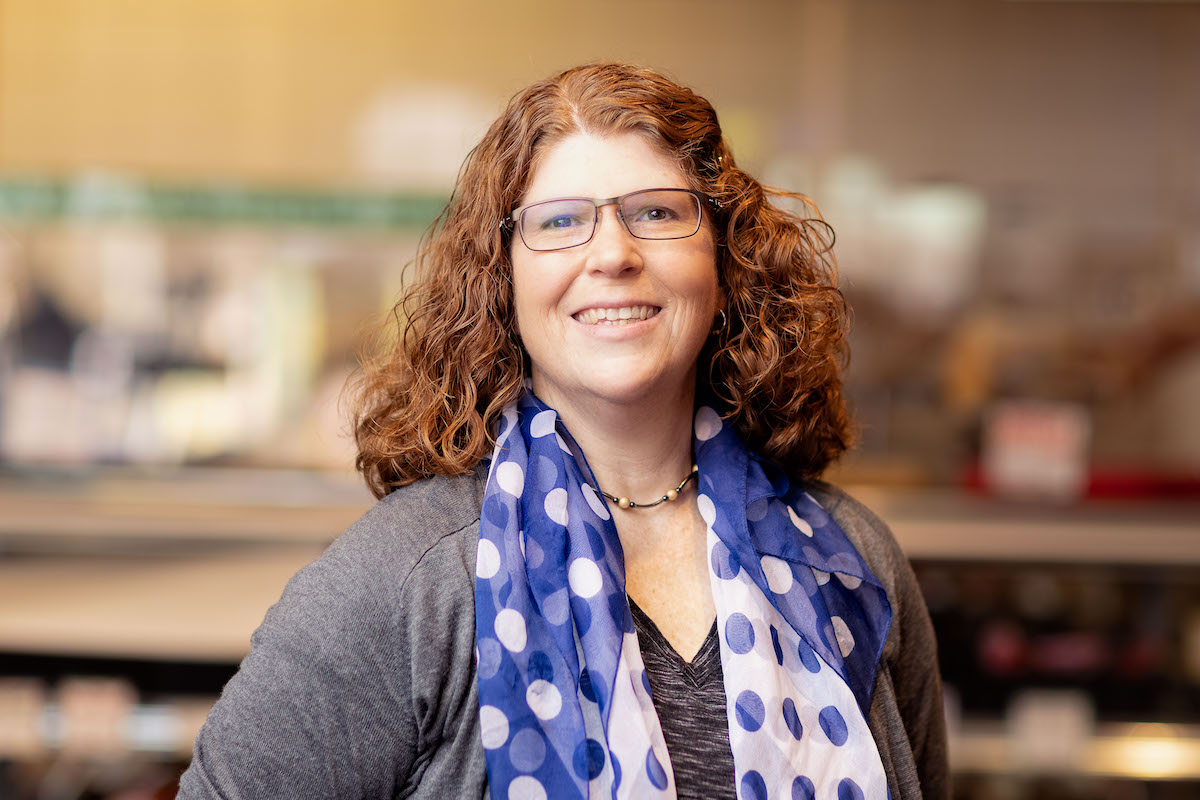
We’re governing with grace… and Grace (Grace Singleton, that is!)
“Is Zingerman’s still run by its founders?” you ask. That’s a great question. We’ll answer with a tale, both old and new (just like our pickles!). What began with the Delicatessen, founded in 1982 by Paul Saginaw and Ari Weinzweig, now includes 11 food and service businesses, 18 managing partners, 800 employees, and a council of leaders among leaders (hang tight, we’ll explain that in a minute).
An Overview of Zingerman’s Governance
Since 1994, the Zingerman’s Community of Businesses (ZCoB) has been steered by our Partners Group (PG), a group that includes Ari and Paul, the ZCoB’s managing partners (the individual business owner-operators), and staff partners (staff members who own a Community Share; they serve two-year terms). As Ari explains:
It’s where we govern the Zingerman’s Community of Businesses—we use consensus decision-making there to lead the organization. The PG makes decisions on organization-wide issues, like deciding to approve our new 2032 Vision or our new Statement of Beliefs. Or if there was, in a strange sci-fi sort of scenario, just for conversation’s sake, let’s say a global pandemic, the PG is where we would decide how to deal with it.
One important piece that the 2032 Vision outlines is the ZCoB’s evolution of governance:
… we’ve seen a successful transition from Ari and Paul as founders heading the Zingerman’s Community of Businesses (ZCoB) to a mode of governance that will last beyond the tenure of any individual. While long-time ZCoB leaders continue in important roles, a couple of new “generations” of insightful, collaborative folks have stepped forward.
That mode of governance is the Zingerman’s Stewardship Council, a five-member group created in 2020 as part of a succession plan to transition the leadership of the organization from its founders to the other managing partners. To be clear, the Partners Group isn’t going anywhere, rather, as Ari says, “The Stewardship Council is filling the role Paul and I have filled for many years as ‘leaders among leaders.’” He adds:
Our main focus in doing this work with the Stewardship Council is, by far and away, looking at how we can do what we do here at Zingerman’s ever more effectively. We want it to be a way to help lead the ZCoB in becoming an ever-bigger contributor to the community of which we’re a part. We want to support succession and inspire future success. We’re committed to creating a governance model that will help both the organization and everyone in it to thrive for many decades to come.
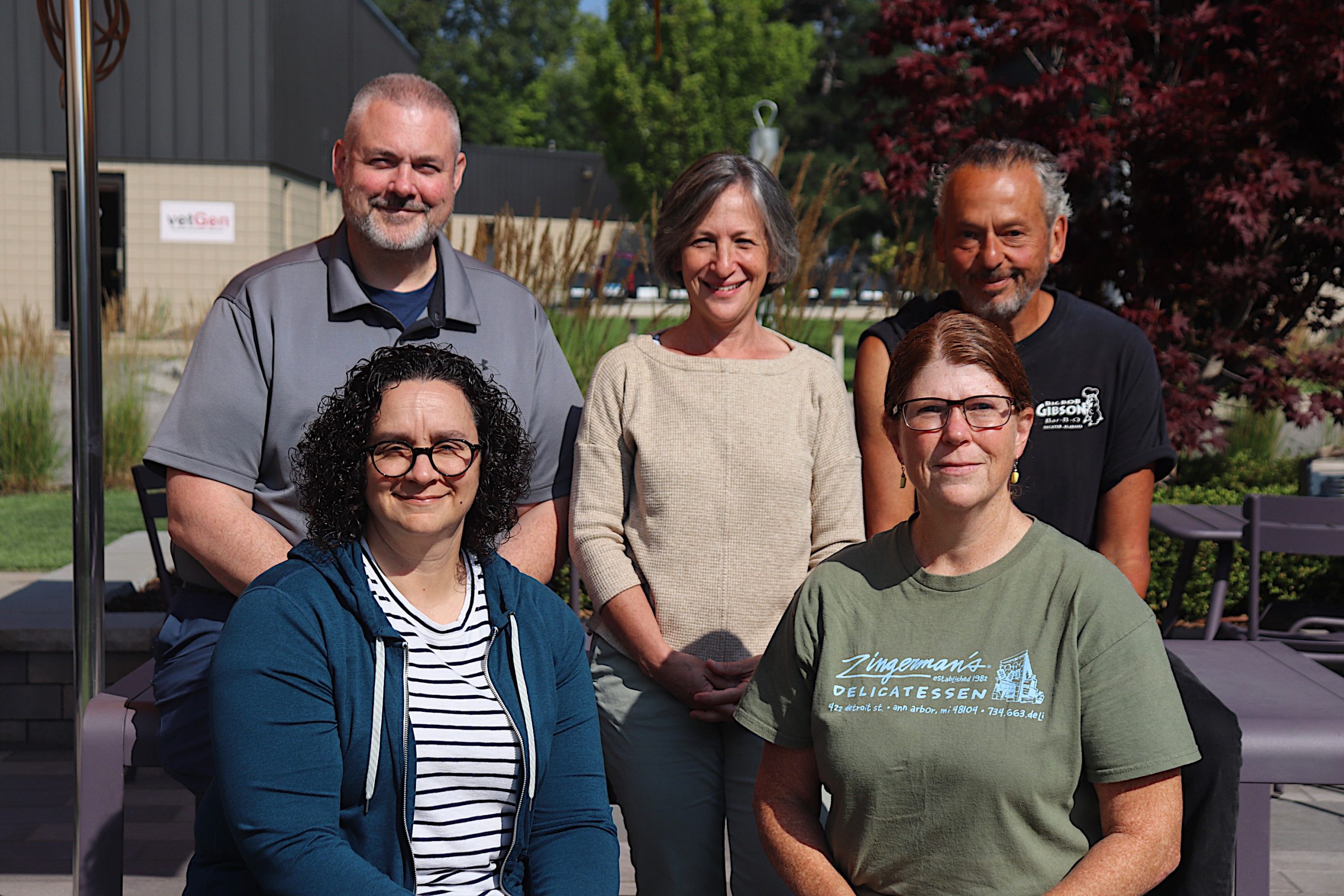
The original council members include Amy Emberling, Zingerman’s Bakehouse co-managing partner; Toni Morell, Zingerman’s Mail Order co-managing partner; Tom Root, Zingerman’s Mail Order co-managing partner; Ron Maurer, Zingerman’s Chief Administrative Officer and Zingerman’s Service Network managing partner; and Ari Weinzweig. Council members serve three-year terms, and just like the Partners Group, decisions are made using consensus. In June of 2023, we reached the end of the first set of three-year terms. The Council has been designed so that one of these original managing partners will come off each year—the first was Ron Maurer who has his eye on retirement in 2023 after more than two decades with the organization—and a new one is selected. Ari explains how that happens:
Our agreed-upon process for selecting members is that Paul and I, as co-founding partners, consult with our staff partners (since they’re not eligible to be on the Council) and others whose views we value, to make the decision. After a LOT of conversation, and honoring what we believe is the best decision for the organization, we chose the next member.
This time, Ari and Paul offered the spot to Grace Singleton, co-managing partner of Zingerman’s Deli since 2004. Grace knew from the beginning that she was destined for a life full of food (and she may or may not have thought the food industry would be glamorous thanks to a New Orleans restaurant where she received special treatment, sitting at the captain’s table and sampling Frangelico (a hazelnut liquor) at the age of 13!). Grace received her culinary degree at Paul Smith’s College in New York and managed restaurants across Ohio (we don’t hold this against her) and Michigan.
She found her way to Ann Arbor for the role of general manager at the Gandy Dancer and became a fan of Zingerman’s Deli. Eventually, she made the jump, calling it “the very best job in the food industry,” and in 2004, she stepped up from retail manager to co-managing partner. Since then, Grace has overseen the gold level LEED-certified Deli expansion project (2010–2014), the opening of Zingerman’s Greyline event space (2016), the addition of virtual tasting events for fans around the country (2021), and more, all while continuing to lead the day-to-day of Deli catering and retail specialty foods. (Impressive, right?!) Of this new role and her latest opportunity to impact the Zingerman’s organization and the Ann Arbor community, she says:
I’ve been here for more than 20 years and I’m really invested in the transition of our CEO’s roles. Ari in particular set the stage with his dedication to doing business differently and how we govern is an important part of that. I look forward to working toward our future with this committed group.
Want to read more? Ari wrote about Grace’s addition to the Council and the work of the Stewardship Council in Ari’s Top 5, his weekly e-newsletter, saying, “Success leads to succession work which, when done well, helps create more success. It’s a very virtuous and very inspiring cycle to be a part of.”
Tag: zingermans community
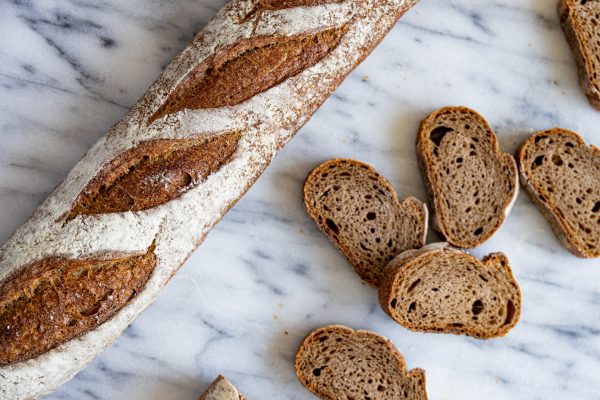
A beautiful and delicious bread to brighten your day on August 18 & 19
|
|
|
Want more from Ari?
Sign up for Ari’s Top 5 e-newsletter and look forward to his weekly curated email—a roundup of 5 Zing things Ari is excited about this week—stuff you might not have heard of!
Tag: zingermans community
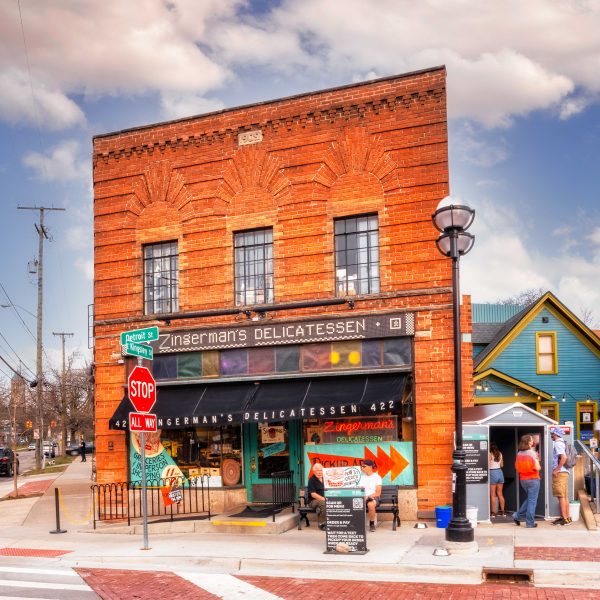
5 Fun Facts about Zingerman’s Delicatessen
Zingerman’s Delicatessen has been a local community staple for many decades. When Ann Arbor comes to mind, Zingerman’s is not a far thought behind it. Zingerman’s Delicatessen offers many choices of tasty sandwiches, breads, vinegars, cheeses, and so many more specialty items. You might know that Zingerman’s Delicatessen has been around for over 40 years, but we bet there’s a fact or two that you might not know about this famous deli! We have compiled a list of our favorite 5 fun facts about Zingerman’s Delicatessen.
- Shhhh: the Deli has Zecrets!
Have you heard of Zecrets? They’re special perks or fun options that you might not know about. We would tell you not to tell anyone, but this is the kind of Zecret we would not mind getting out. (See what we did there?) Here are some Zecrets that you can use for your next visit to Zingerman’s Delicatessen.
Zingerman’s Delicatessen offers tours of the deli where guests can further explore things such as the basement and see behind the scenes. A fun Zecret is that if you attend any event at the Deli, virtual or in person, you can receive a 20% off coupon that you can use anywhere in the deli. Have you been eyeing some items at the specialty grocery store? Attend an event and enjoy 20% off the next time you come in!
You can also enjoy 15% off on your birthday! We love saving money, how about you?
- Zingerman’s Delicatessen is in a historically significant neighborhood
Ann Arbor has over a dozen historic districts! The Deli Campus of buildings sits within the Old Fourth Ward historic district. Not only is the original Deli building, built in 1902, a historic structure, but there’s a historic home hiding within the complex, too. The deli address is 422 Detroit, St, Ann Arbor, MI. The historical house address is 420 Detroit Street. How incredible!
In addition to 5 fun facts about Zingerman’s Delicatessen, due to the house’s recognition as a historic structure, Zingerman’s was limited in changing the house when they expanded in 2012. They were unable to physically move the house, so the house was lifted, and a basement was built underneath it. The house was adjoined to the expanded space, repainted, and it is now known as the pick up area for all orders (internally referred to as “420” or “ the 420 pick-up area”.)
Another fun fact about the historic house is that the space was not only once used as office space for the Deli, but it was the location where Food Gatherers started. Food Gatherers was founded in 1988 by Zingerman’s Delicatessen, Michigan’s first food rescue program and the sixth in the United States. Food Gatherer’s is now an independent non-profit.
If you are unfamiliar with Food Gatherers, check out more information here! Learn how you can become a volunteer to help partner with the local community to fight against hunger in our community.
- The Deli makes over 200 sandwiches every hour!
Long-time Deli fans will remember the days of long lines wrapping around the building. These days, thanks to having multiple ways to order your sandwich, you’ll rarely see a lengthy physical line, but that doesn’t mean the Deli crew isn’t still skillfully and speedily turning out dozens of hand-crafted sandwiches.
If you arrive at the Deli and you are told there is a one-hour wait for your order, it is because there are about 215 sandwiches in line in front of you. You could be physically present at the Deli and not see that 215 sandwiches have been ordered but it is indeed happening. The Deli sandwich line can make on average 18 sandwiches every 5 minutes; during super busy times, that can go up to 25 sandwiches every 5 minutes! On a busy football Saturday, the Deli can make between a whopping 2,000 to 2,500 sandwiches!
- Zingerman’s Delicatessen has achieved celebrity status!
Who knew Zingerman’s Delicatessen starred in a movie, the Five-Year Engagement? The Five-Year Engagement is a story of a couple played by Jason Segel and Emily Blunt trying to balance professional ambition with the demands of a relationship. Fun fact, although the main character Tom appears to work at Zingerman’s Delicatessen, most scenes were filmed at Zingerman’s Bakehouse.
Jason’s character was a baker at the real Zingerman’s in Ann Arbor. Zingerman’s full essence including the illustrations, design, and logo of the restaurant is captured authentically in the film. How cool is it that not only was Zingerman’s featured in a film, but the Deli was able to play itself? It shows how the Zingerman’s brand is far-reaching and felt through screens worldwide. With over 6,700 independent retail bakeries in the United States, production of the Five-Year Engagement decided to take residence at Zingerman’s.
But Zingerman’s shine does not stop there. Zingerman’s has served its fair share of heavy-hitter guests such as President Obama, University athletic teams, a plethora of entertainers, and news anchors. Zingerman’s Delicatessen even hosted an ESPN Game Day and has regular visits from former football coach, Lloyd Carr at the Next Door Cafe.
Even with its popularity and frequent visits from amazing people all over the world, Zingerman’s is a community-focused business that takes immense pride in its dedication and love for Ann Arbor. You really can taste the difference!
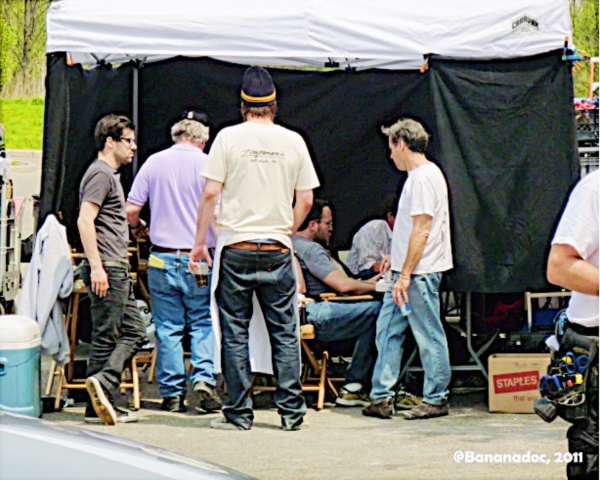
Photo used from thebananadoc.
Check out detailed footage and more facts about the filming of the Five-Year Engagement here!
- Zingerman’s Delicatessen still uses its original recipes!
Over the years, the Deli has revamped and elevated its recipes with higher-quality and more sustainable ingredients, while staying true to tradition. For over 40 years, the recipes, like for Russian dressing, knish, chopped liver, and matzo balls, have stood the test of time.
Since opening its doors on March 15, 1982, corned beef sandwiches have been a hallmark of the Delicatessen. And the corned beef recipe has not been changed since the first Reuben was made! Zingerman’s corned beef is sourced from Sy Ginsberg at United Meat & Deli, a manufacturer of premium deli meats based in the Eastern Market.
You may be surprised to know that Ari Weinzwieg and Paul Saginaw, founders of Zingerman’s Delicatessen, were not raised in family businesses the way so many deli owners were. Ari has admitted that while his grandmother was a great cook and he ate at Jewish delis, he lacked in the family food heritage department. Ginsberg was skeptical of his partnership with the ambitious Paul and Ari, but he quickly learned that they were a passionate force to be reckoned with. With Ginsberg’s guided expertise, he helped them create a perfect recipe that would later become a leading sandwich in the industry. Zingerman’s decision to import Swiss cheese gave it a leg up in the race of classic famous corned beef sandwiches. If you want to dive deeper into what makes Zingerman’s corned beef sandwiches so darn good, check out Zingerman’s Delicatessen feature in The Takeout.
The next time you indulge in a bite of Zingerman’s food at the Delicatessen, know you are biting into tradition. With so many delis that have come and gone, Zingerman’s Deli is still standing with no signs of stopping. We hope you have enjoyed learning about 5 fun facts about Zingerman’s Deli!
If you have any other interesting facts about the Delicatessen that you would love to share, we want to hear from you over on our social media platforms. Share your experience or your favorite food at Zingerman’s Deli or any of our businesses’ delicious food items. We will happily share it on our Instagram and Facebook @Zingermanscommunity.