
Tag: ZINGERMAN’S DELI
Books that feed your appetite…
You already knew Zingerman’s Delicatessen sells all manner of wonderful foods from both here and abroad, but did you know that we also sell books?
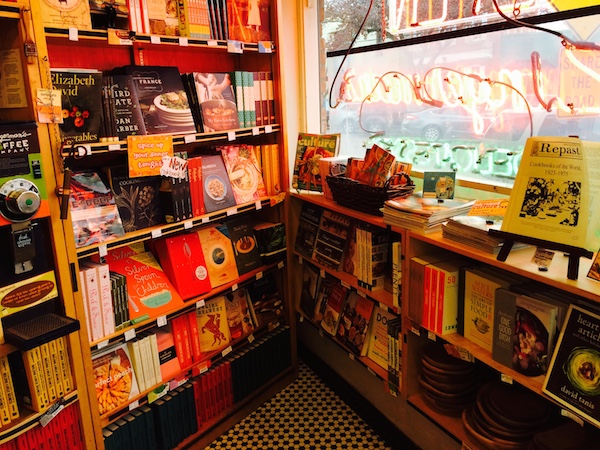
We’ve collected some of our favorite cookbooks, books about cheese, or pasta, or beef, as well as a few other interesting tomes, to help you build your own home library of books on the subject of eating well.
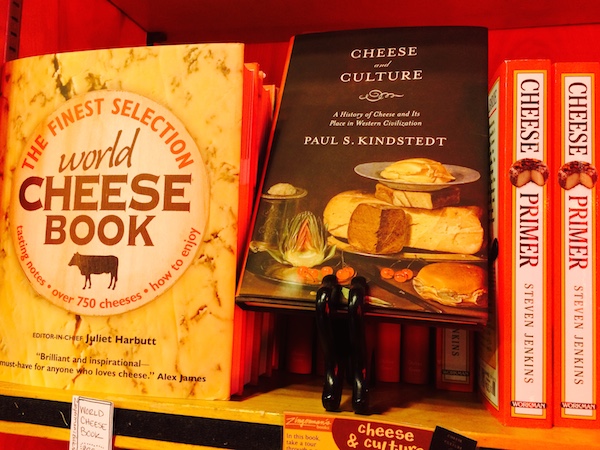
We’ve got Mastering the Art of French Cooking, Vols. I & II by the inimitable Julia Child. Journalist Michael Paterniti’s memoir to his time at Zingerman’s and the quest it inspired for the world’s best cheese, The Telling Room. Or if you really want to dig deeper into the world of fermented curd, try The Cheese Primer, by cheese authority Steven Jenkins.
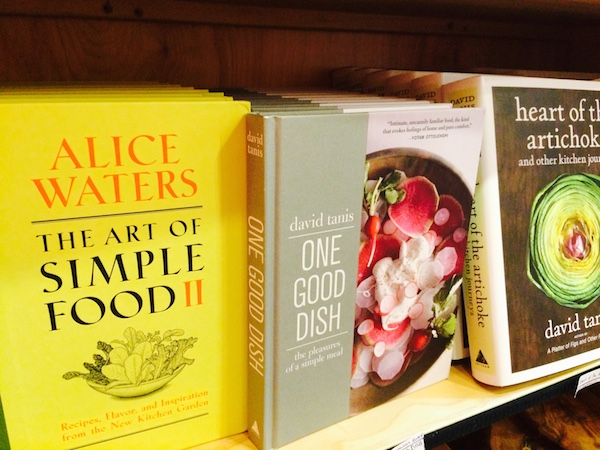
Looking for David Chang’s Momofuku? That’s on our shelves, as well as titles by Alice Waters, Edward Behr, and many more. How about the Fresh Honey Cookbook by our dear friend, Laurie Masterton, or Bi-Rite Market’s Eat Good Food? You’ll find those here, too.
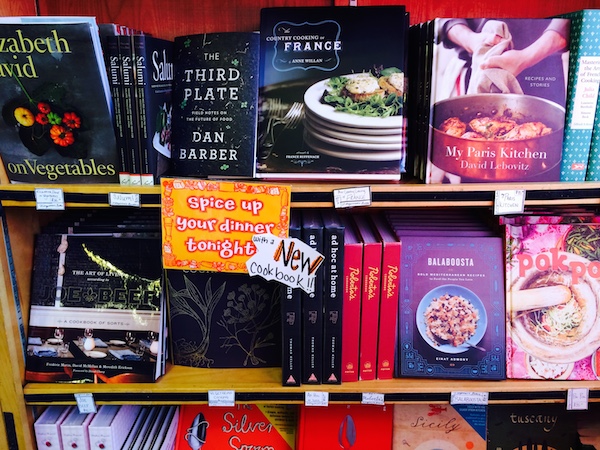
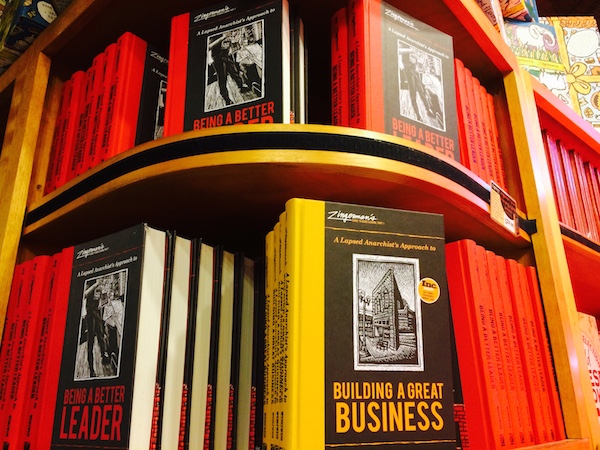
We’ve even got all of Ari’s books on management, as well as several other titles from Zingerman’s Press.
So, the next time you’re visiting the Deli, don’t forget to grab something good to read to go with the stuff that’s good to eat!
See you soon!
Tag: ZINGERMAN’S DELI
Annual Taste of Tantré Event
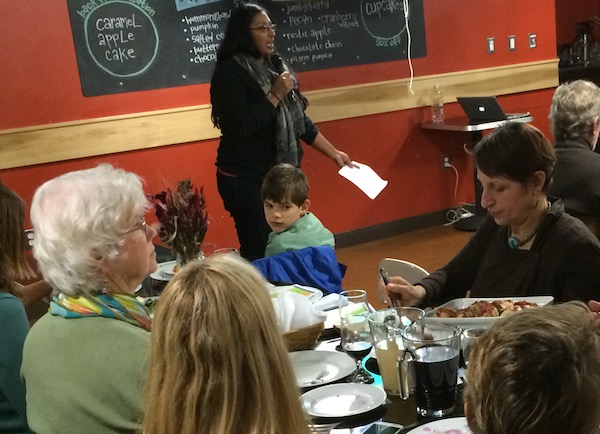
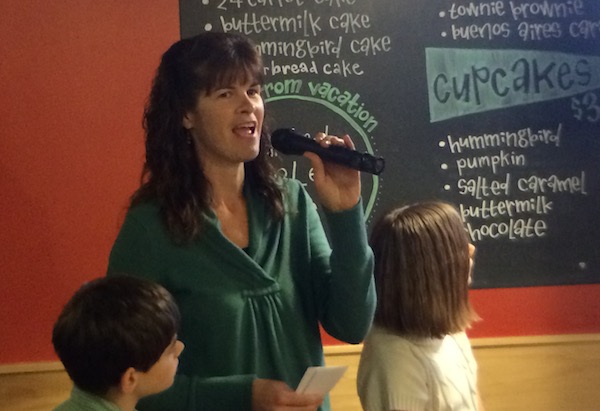
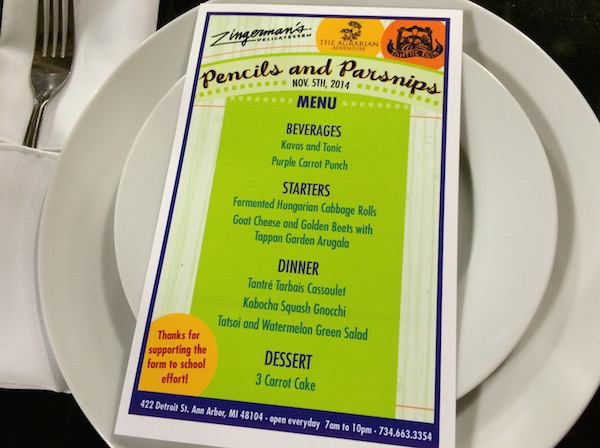
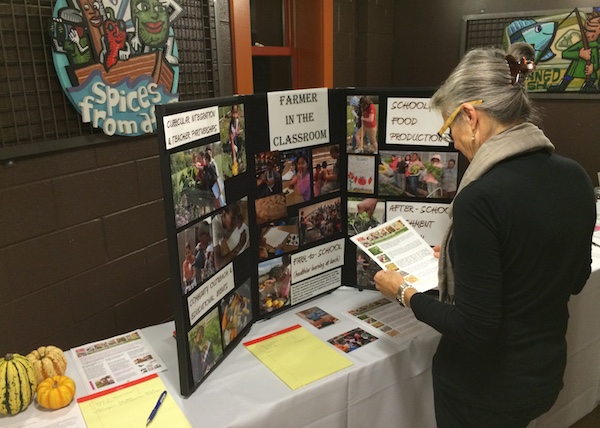
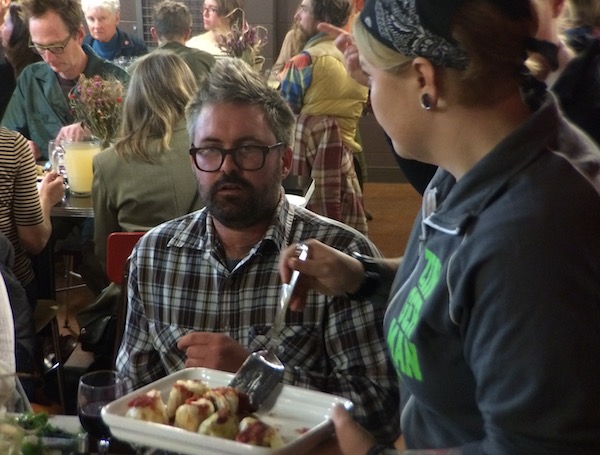
Last week, we gathered for our annual Taste of Tantré feast to eat great food and raise awareness, goodwill, and money to further the mission of The Agrarian Adventure, a leader in our community farm-to-school movement.
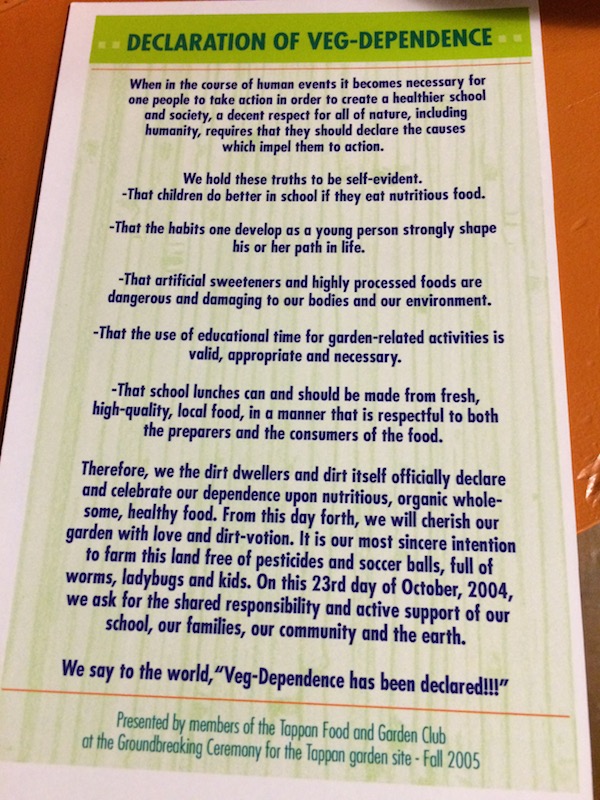
The Agrarian Adventure is celebrating its 10 year anniversary championing efforts to connect students with food, health, community, and agriculture. They’ve created and help to sustain a bountiful and diverse school garden at Tappan Middle School in Ann Arbor, lead a Farmer in the Classroom program that reaches all Ann Arbor Public Schools, and work to foster ongoing relationships among farmers, teachers, parents, administrators and students.
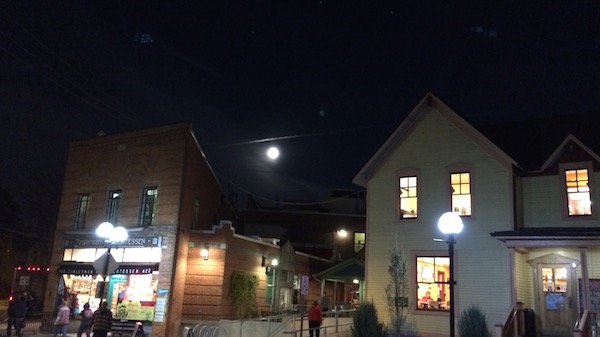
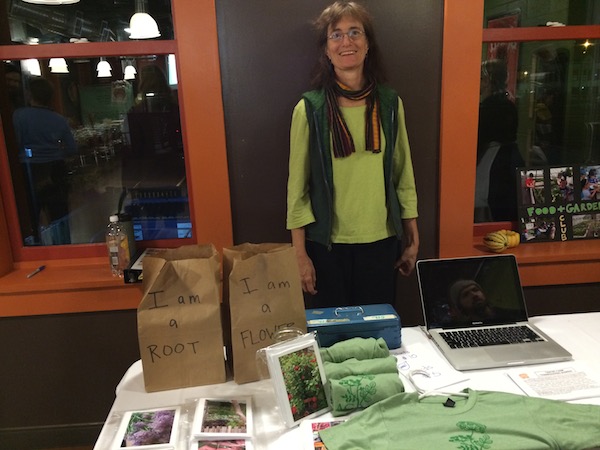
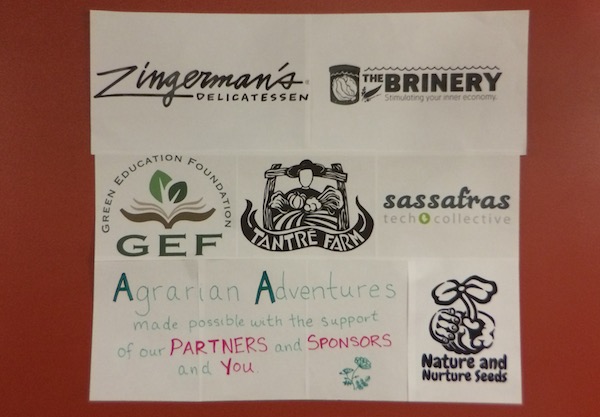
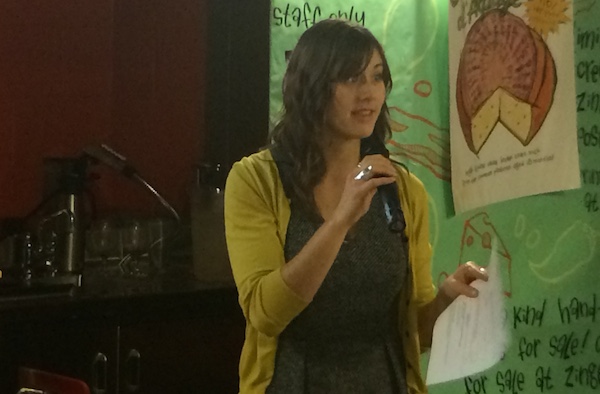
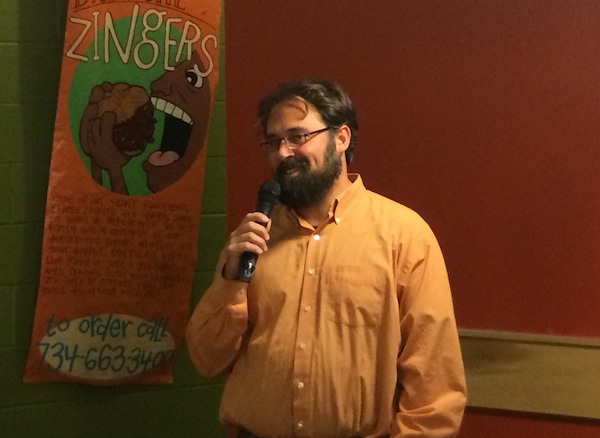
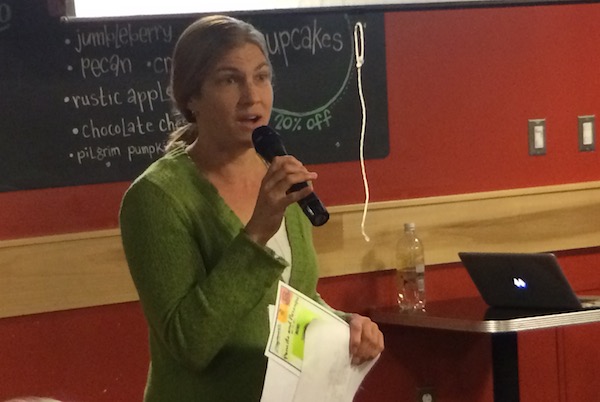
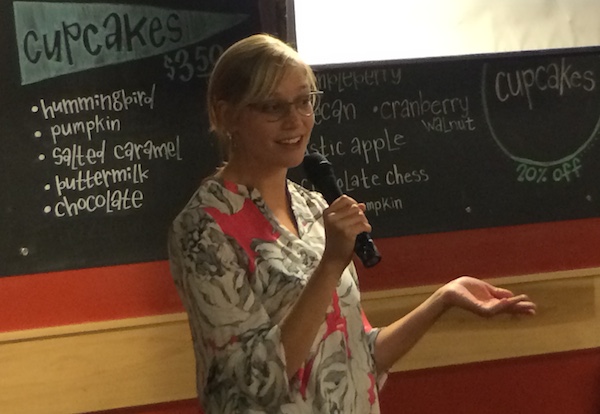
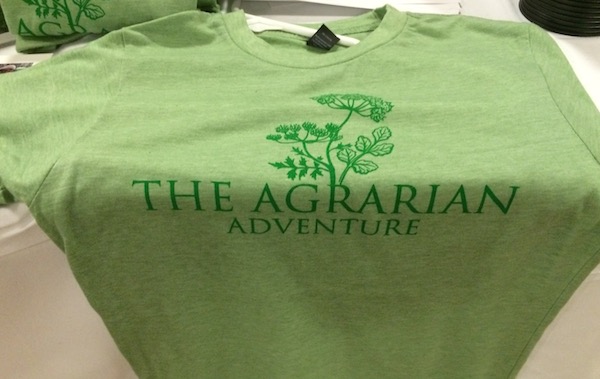
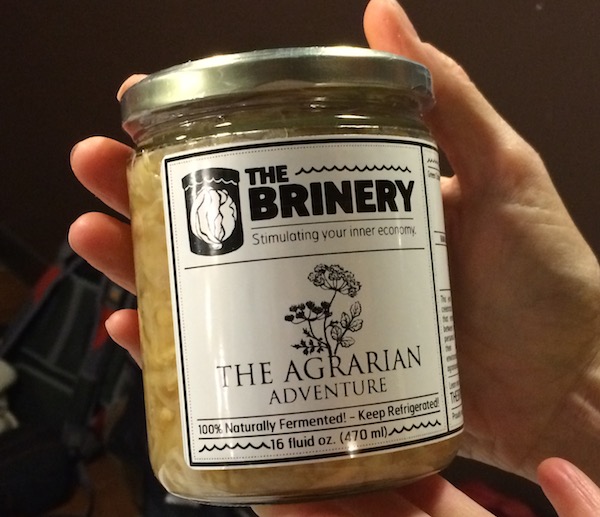
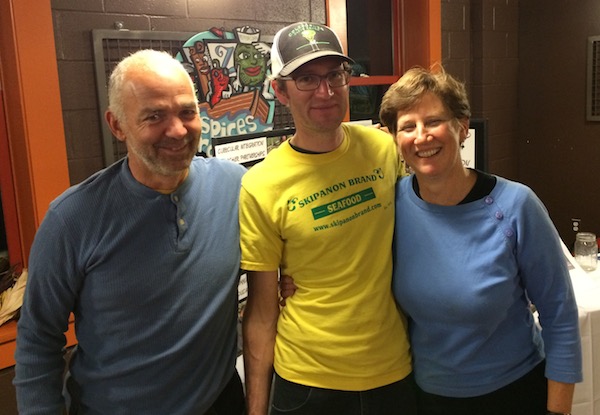
A near-capacity crowd visited Zingerman’s Deli to take part in the benefit, and by all accounts the event was an enjoyable success! Here are some photos from the event:
You can help!
Support Farmer Visits to Classrooms
The Agrarian Adventure mentors area farmers to give fun hands-on lessons to over 800 elementary students a year, connecting them with our regional food system and locally grown produce. Help us bring this great program to more schools! Each $250 donation pays for one month of Farmer in the Classroom programming. This includes planning, materials, and a stipend for the visiting farmer for a month of weekly visits.
Your total sponsor-a-month donation is a tax-deductible contribution to The Agrarian Adventure, a 501(c)(3) non-profit organization, federal tax id is 20-1275718.
See you soon!
Tag: ZINGERMAN’S DELI
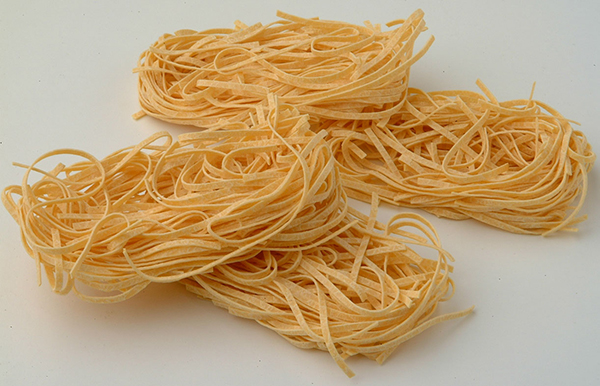
Featuring special guests Rolando Beramendi, Gianluigi Peduzzi, and Ari Weinzweig!
Please join us on Thursday, November 13, 630pm for a very special event!
We’re very fortunate to welcome not one, but two of the powerhouses of the traditional pasta world joining Zingerman’s co-founder Ari for journey through the history of Italy’s greatest pastas.
Gianluigi Peduzzi is a third-generation pasta maker from the Abruzzo, whose Rustichella pasta line has long been one of THE best in Italy and the US. At his side we’ll have chef, importer and pastalogist extraordinaire Rolando Beramendi whose excellent palate and passion for traditional Italian food have significantly altered the food scene here in the US.
Gianluigi, Rolando and Ari will guide you through a tasting of 6 pastas starting with the very first Rustichella pasta ever brought into the US.
Here’s the evening’s pasta plan direct from Rolando:
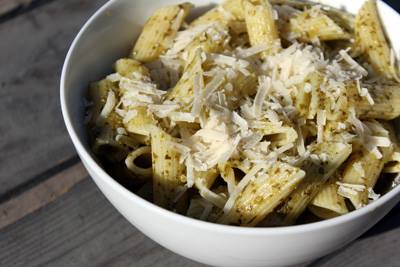
1- Whole Wheat Penne, our first pasta ever imported into the US, so I think we will serve it very simply as aglio, olio e peperoncino. This was the recipe that was then written on the original Penne bags!
2- Linguine tossed with the simplest tomato sauce. And we’ll add some grated Pecorino Romano or Parmigiano Reggiano. Simple and direct, so we can really taste the flavor of the pasta.
3- Orecchiette which we we’ll serve alla Pugliese, with broccoli rabe and sausage. This pasta calls for something hearty.
4- Egg Pappardelle will help everyone taste the difference and supple texture of an egg pasta. We’ll serve it with some melted butter, and chopped mushrooms or dry porcini.
5- PrimoGrano Sagne a Pezzi so Gianluigi can talk about his 0 Km project, which is intended to aid the recovery of local agricultural system. PrimoGrano is a 100% Abruzzo product, traveling zero distance from sowing to collection. We’ll also talk about the grains we use and what a difference they make in the flavor.
6- ZeroTre is one of our latest projects. It’s a kid’s pasta, and we’ll talk about growing up eating pastina and serving alphabet pasta in chicken stock. It’s my favorite comfort food.
This is a once in a lifetime event in Ann Arbor and guaranteed to take the quality of your pasta cooking up to the level of Italy’s best chefs!
See you soon!
Tag: ZINGERMAN’S DELI
Taste of Tantré is a benefit for the agrarian adventure!
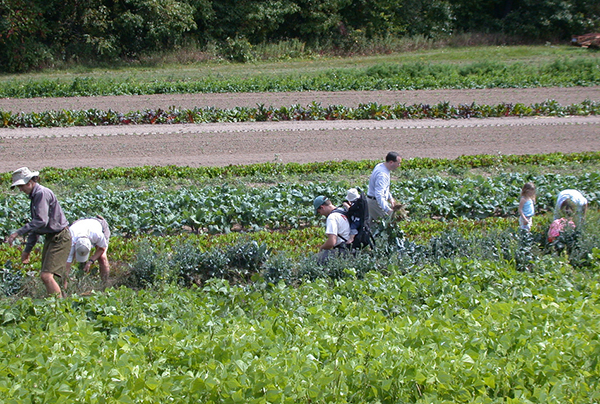
Join Zingerman’s Delicatessen and Tantré Farm this coming Wednesday, November 5, 630pm, as we gather for our annual Taste of Tantré feast where we will eat great food and raise awareness, goodwill, and money to further the mission of The Agrarian Adventure, a leader in our community farm-to-school movement.
The Agrarian Adventure celebrates its 10 year anniversary championing efforts to connect students with food, health, community, and agriculture. They created and help to sustain a bountiful and diverse school garden at Tappan Middle School in Ann Arbor, lead a Farmer in the Classroom program that reaches all Ann Arbor Public Schools, and work to foster ongoing relationships among farmers, teachers, parents, administrators and students.
$80 of the ticket price is tax-deductible!
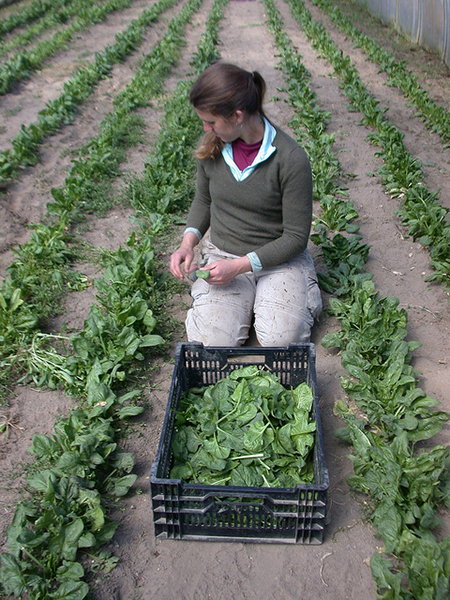
Support Farmer Visits to Classrooms
The Agrarian Adventure mentors area farmers to give fun hands-on lessons to over 800 elementary students a year, connecting them with our regional food system and locally grown produce. Help us bring this great program to more schools! Each $250 donation pays for one month of Farmer in the Classroom programming. This includes planning, materials, and a stipend for the visiting farmer for a month of weekly visits.
Your total sponsor-a-month donation is a tax-deductible contribution to The Agrarian Adventure, a 501(c)(3) non-profit organization, federal tax id is 20-1275718.
See you soon!
Tag: ZINGERMAN’S DELI
Noted Chocolate authority leads Tasting & Discussion
This event is now FREE! Stop in and learn about great chocolate!
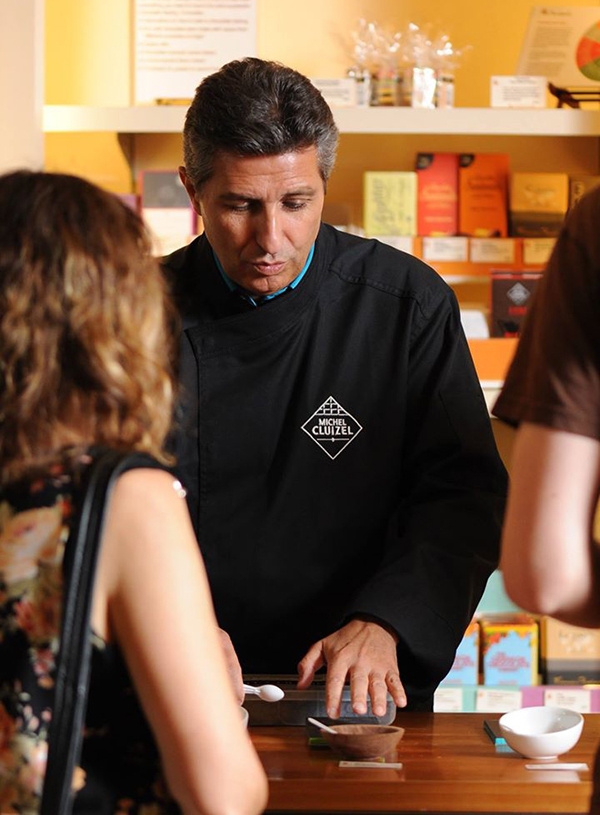
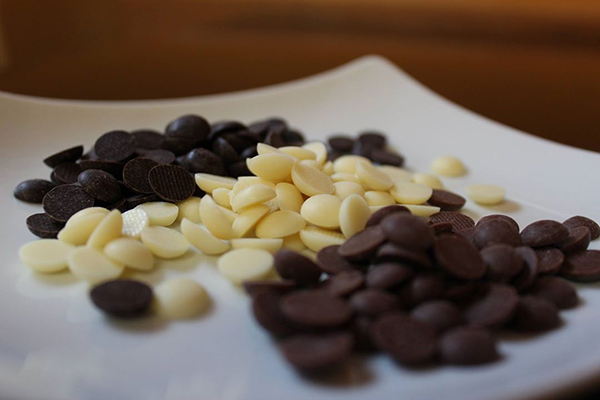
Please join us this coming Monday, November 3, 630pm, as we welcome very special guest Jacques Dahan of Michel Cluizel Chocolate for a discussion and tasting of our favorite family-owned French chocolate from Damville, Normandy. Jacques, a chocolate expert and importer for the past 28 years, will share the details of chocolate production at Michel Cluizel. He’ll walk us through all aspects of the process, from sourcing the cacao beans directly from farmers, to the slow and careful roasting phase, to the final production of their rich and unique chocolate. Don’t miss it!
Tag: ZINGERMAN’S DELI
Fromagerie No. 25
Frutière a Comté des Hospitaux Vieux
Place de la Marie
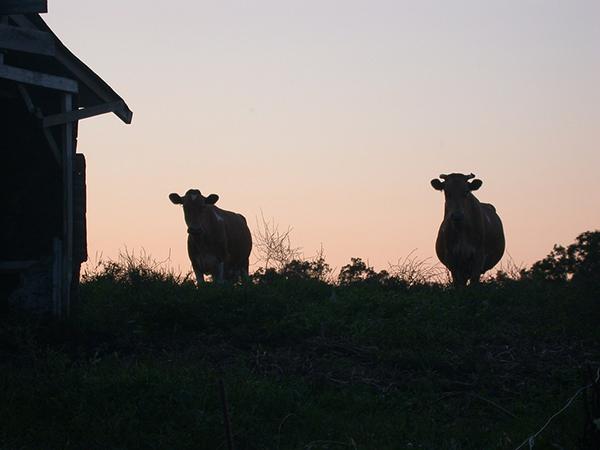
The truck leaves at 3 am to collect milk from ten producers across three villages. Each farmer has about forty Montbeliard cows. This pickup run is called Ramassage. The old method, called La Coulée, where producers delivered their own milk, is practiced by at just a few frutières of the thirty-four in the area. By AOC rules, the milk must be processed within twenty-four hours. May is the big milk month.
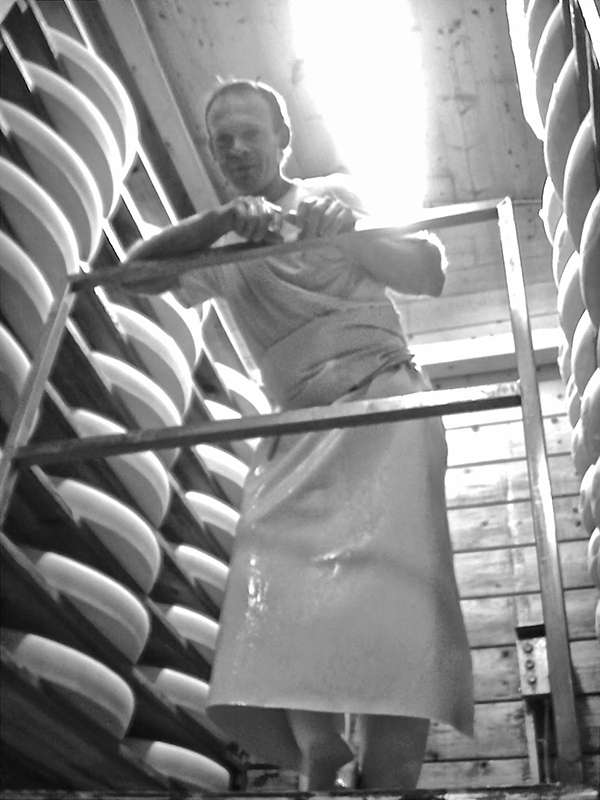
Fromagerie No. 25, built in 1920, is run by one man, Sebastian Muller. He makes twelve wheels a day seven days a week, using 1.6 million liters of milk per year. It’s about average for a cheese maker that delivers to Marcel Petite, but small in the scheme of things. A big Comté fruitiere makes 5 times as much. The work for the cheese maker, like that for cheese makers everywhere, is endless. Sebastian can arrange for a few days off only if he reroutes his milk to another fromagerie, or gets another cheese maker to substitute for him. He extended his wet arm for us to shake. He works very fast, with few words to us. He’s probably not used to company.
The milk truck is hooked up outside in the small parking lot on the hill overlooking the valley. It has a long hose and the milk is pumped in. Inside, where things are wet and smell sweetly ammoniated, the milk isheated by a radiator and delivered to one of two big copper vats. Rennet is added, curds form, and Sebastian cuts them with a rectangular wire mesh, kind of like a big hard boiled egg slicer. This releases water. The temperature raises to 55 C, drying and cooking the curd. When the curd passes the test—the cheesemaker puts his hand in and no curd sticks to it—it’s ready to pump overhead into the cheese molds.
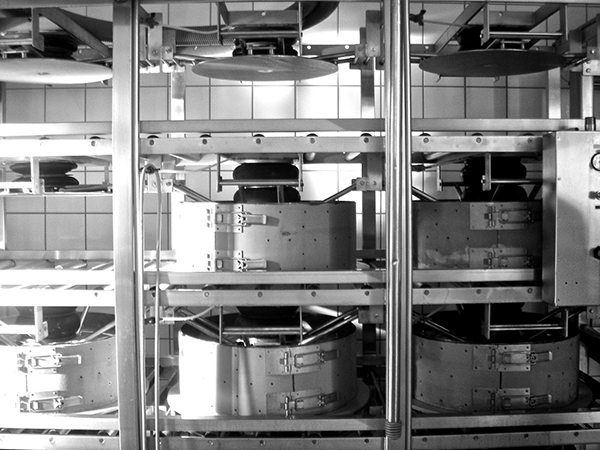
Until now the curds have been treated gently. The next process is brutal. A big vacuum hose lifts the curds ten feet in the air and shoots them fifteen feet across the arched ceiling, unceremoniously plopping them in one of four mold machines. Pressed for eight hours, held in their mold until the next morning, they’re ulimately brought to “The nursery” where they practice being cheese for three to four weeks, washed daily with morge, a brine made of water and the scraped crust of older cheese. It’s the mother culture of the cheese maker, like a bread starter is to a baker, one of the things that gives a cheese from a single fromagerie its unique flavor.
The baby cheeses are—ironically bigger now then they’ll be when they “grow up”, since they lose water—are stored on spruce shelves, which the skin of comté enjoys as it turns to rind. The shelves are rough cut, harvested when the sap has drained from them. You can see thick, raw grains across the boards. That lets a little bit of air pass under the cheese as it rests; wheels don’t stick. Marcel Petite’s trucks visit every month to pick up young wheels.
Marcel Petite
Fort Lucotte de Saint Antoine
“You feel like you’re coming to the center of the cheese world: of industry, quantity, quality.” – Jason Hinds, Essex St. Comté
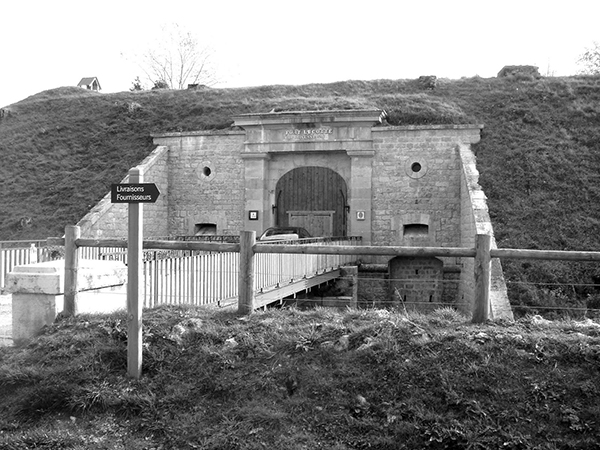
The road leads up through the village, past some hills and a small forest. The fort is built underground, alone and invisible, marked only by a ten foot tall door built into a hill. You park and enter by walking across a moat. The smell is warm butter and pine. You’re ushered up to the lunch room first, for espresso, the cheese halls flash by on your left. A few of the staff are reading papers, eating cheese, drinking a 1998 Cotes du Jura, part of which has found its way into a plastic water bottle. Windows open onto the Mont d’Or, leaves umber and rust, but the grass is still very green. It’ll be that way until first snow in December.
Cheeses arrive from the fruitières regularly, 80% of which are in the mountains, along the Swiss border. The hills were forested ten centuries ago, now cows graze on them. First stop is the top level, La Maternelle, another nursery. Wheels are doused with sea salt to draw out more water, washed with cool water to keep the “wrong” bacteria from being active. Today there are about 25,000 wheels. They’ll stay there for 6 months when they’ll come down and join the 35,000 wheels in the lower rooms.
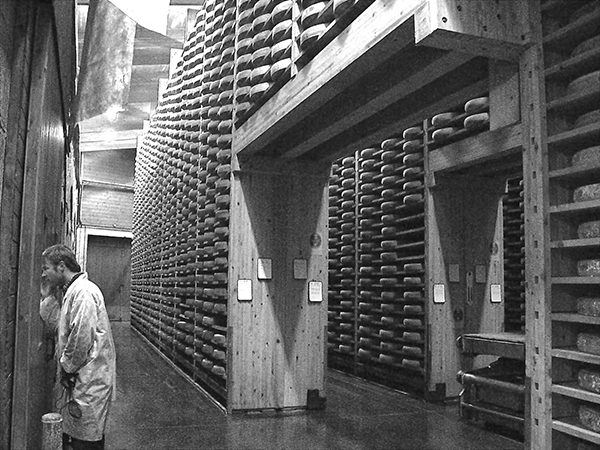
Lights, camera—but nothing prepares you for entering the Church of Cheese. The main room of the fort, once a covered garden, holds 9,000 wheels of comté, each three feet across, seventy pounds, rising twenty feet high under a cathedral ceiling. The wheels look like rounds of wood or stone, in various stages of growth, their surfaces sometimes smooth, other times mottled, molded, warty, covered in patterns that look like lichen, rust, sandstone or bird shit. Absolute silence, once in a while broken by the whir of little electric hand carts. Or the lonely cheese washing robot that haunts the aisles. Little rooms are off to the side. They used to hold 52 soldiers each, now they store 900 wheels of comté.
I’m escorted by the affineur, called the chef de cave Claude, and his other half, Phillipe Goux, head of sales. Claude is dressed in white jacket and white hat, with nothing more than a note pad and cheese iron as tools. Mr Goux, born in Jura, eats comté two or times a day. He prefers younger cheese.
The fort has its own micro climates. There are no heaters or humidifiers, just the bricks and the earth outside them. Grass grows in some areas. Claude taps, touches, tastes. He’s trying to figure out where to send the cheese next. To the dryer room? The warmer one? Much of his life is devoted to deciding what’s best for a wheel, 60,000 decisions, one kind of cheese, endlessly repeated. Each wheel will only be with him for a year or so but more will come. He’s developed a strange coding system to keep track of each wheel’s journey. He scratches it the edge of the wheel with his iron. A little window. A cross. Codes for him alone.
We taste thirteen cheeses. The routine is always the same. Claude walks along the aisle, guided by the codes. He picks one wheel, tilts it out of its cubby, rubs its top quickly, in circles. Tap tap tap the top, insert the iron on the edge of the wheel, turn, remove. Smell. Pause. Take a piece, between thumb and forefinger, pass around. Everyone follows, on cue. Take a bit of paste, warm it, replug the whole, use the paste as a cement to seal it.
Dominic Coyte, Essex Street Comté’s selector, grades cheeses 1 to 5 for flavor, texture, longevity. Anything above 3 is fair game for him to buy. Sometimes a cheese that was asleep a month ago comes alive. FIFO doesn’t work, sometimes a November cheese is ready before an August. We don’t touch the cheese, only taste. If Dom chooses a wheel Claude marks “ESSEX” on the side with his iron.
The conversation is spare and clear. “I like it. It’s not as dry.” Maybe it seems that way because of the language barrier; we’re English speakers, they’re French. Maybe it’s because I’m with a bunch of Brits.
- No 25. August 2005. Sweet. Full. Sour. Vegetal. Spicy at the end. Meat. Roasted, especially onions. Cream. Nut. Cocoa powder. Caramel. Wet.
- No 4, Oct 2005 Lovely. Nutty. Full mouth.
- No. 7. September 2005. Dried prune. chocolate. Long flavor. Made by Christophe Parent in Narbief, Frutiere 747.
Marcel Petite, the man, started aging “just” 2,500 cheeses in 1966. He waged an uphill battle trying to change local cheese tastes from warm, fast-matured cheeses with big holes inside (like Swiss Cheese) to longer-aged cheeses with no holes, aged in cooler climates. Today Marcel Petite, the company, houses 60,000 wheels in Fort St Antoine, 80,000 wheels in another facility in Grenoble. Fort St Antoine, built in the late 1800s for the Franco Prussian wars, failed spectacularly when it deployed as part of the Maginot line in World War II. The French government sold it off, now it matures the country’s best cheeses, most from the Jura’s top fifteen mountain fruitières.
– Mo
Marcel Petite’s amazing Comté is available for order through Zingerman’s Mail Order. And Zingerman’s Deli is also featuring an extra aged version as part of their Vive la France promotion which lasts through the month of October!