
Tag: ZINGERMAN’S DELI
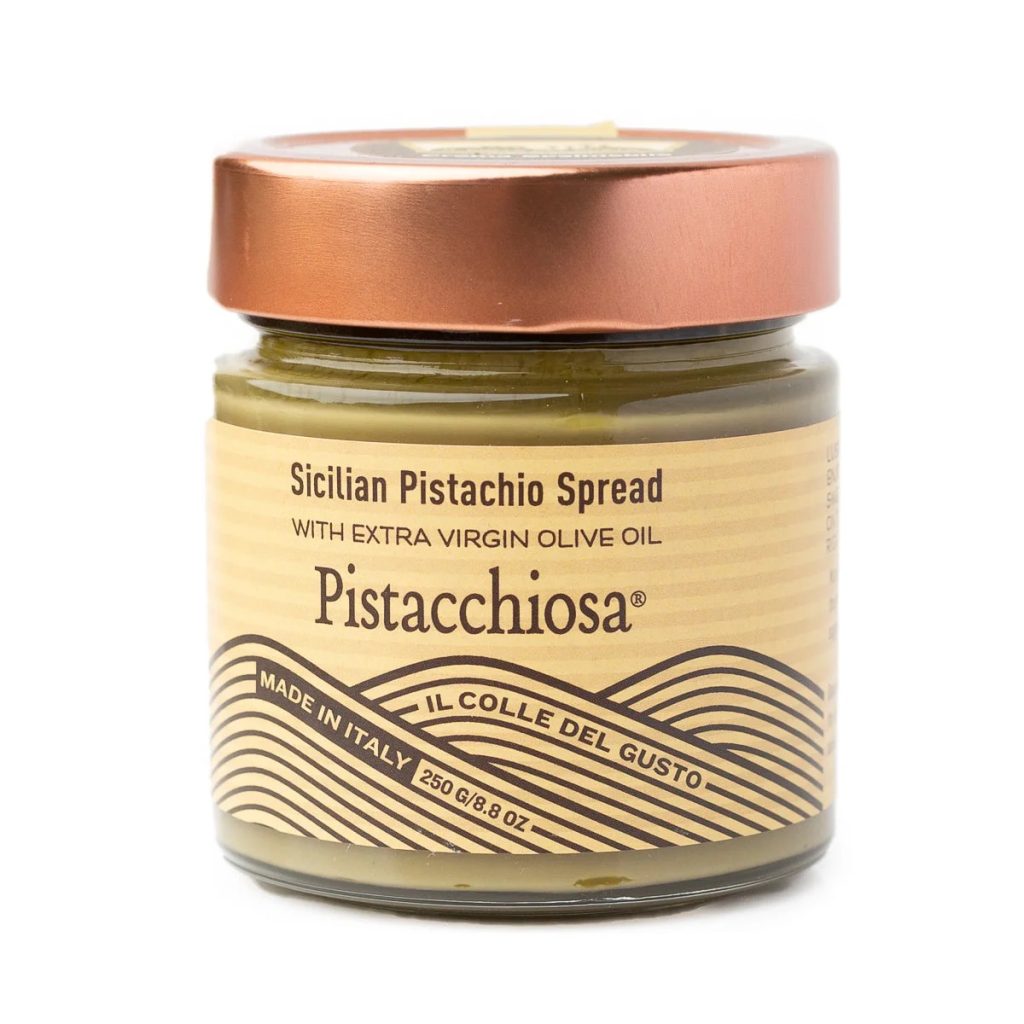
A little taste of culinary heaven to have on hand at home
For years now, this has been one of my favorite foods in the ZCoB! I had a little taste the other day … which reminded me that it’s always a fine time to write about fabulous food. And if you’re looking for a small gift for Father’s Day, for a friend who’s struggling, or for a nut-loving staff member who’s doing a good job, this is a great choice.
Pick up a jar of this stellar pistachio and extra virgin olive oil spread from Central Italy to brighten your day, put a culinarily inspired smile on your face, and leave some lovely flavors on your tongue. It’s made by the small artisan firm of Colle del Gusto (“hills of flavor”) in the tiny town of Fara di Sabina, in Lazio, smack in the center of Italy. We get it thanks to the wonderful work of Rolando Beramendi, author of the highly recommended Autentico and the man behind Manicaretti Imports, one of our longest-standing suppliers.
Like many of the best things that enter our lives, Pistacchiosa showed up in Rolando’s world by total coincidence. Here’s how Rolando tells the story:
You know me well by now, and you know that I love “to get lost”! … This particular day I was walking aimlessly around Rome … I saw some nice jars with “nutty” spreads or syrups or whatever you might want to call them, which they would swirl on your gelato. I saw the Pistacchiosa right away and bought one.
After I tasted it, I was blown away! … The Pistacchiosa is truly unique in the sense that it has such a right-on and clean pistachio flavor … all because, I believe, of the quality of the extra virgin olive oil Antonio and Anna Maria della Corte use in it, from their own production on the Sabine Hills just north of Rome.
The Pistacchiosa is made from Sicilian Bronte pistachios (some of the best in the world), Anna Maria’s extra virgin olive oil, and a small bit of sugar. It has just the right balance—nutty, savory, sweet, super rich but still light—and you can use it on just about anything. Spread some on toasted Paesano bread, or Rustic Italian also makes a great pairing. Pistacchiosa is perfect on pasta, especially if you want to make something slightly sweet and also a touch savory at the same time. It’s also terrific with fish, chicken, or rice. You can use it as your sauce for a sweetish pizza, topped with ricotta cheese, and it’s also really good with the Mahjoub family’s sun-dried, organic Tunisian couscous that’s made right across the sea from where the Sicilian pistachios are grown. Conversely, you can flip the culinary coin and use Pistacchiosa with gelato, yogurt, or some of that amazing ricotta from Bellwether Farms in California. The latter combo—pistachio paste and ricotta—would make a great filling for cannoli or blintzes. The simple truth, though, is that I mostly just dip a spoon in the jar and eat it that way.
Perhaps my favorite thing of all to do right now with Pistacchiosa is to spoon some into the center of one of the Bakehouse’s Cultured Butter Croissants. The excellence of the Vermont Creamery Cultured Butter makes the croissant world-class. Adding some sensuous, subtly sweet Pistachiossa in the middle is … over the moon!
Pistacchiosa is available at the Candy Manufactory, the Deli, and Mail Order—I’d say buy two, one to keep and one to give as a gift!
P.S. I couldn’t resist sharing this old line from Stephen Colbert—timely now, of course, given his recent prominence in the news: “The pistachio: it’s just like our politics. When the two sides are divided, that’s when the nuts come out.”
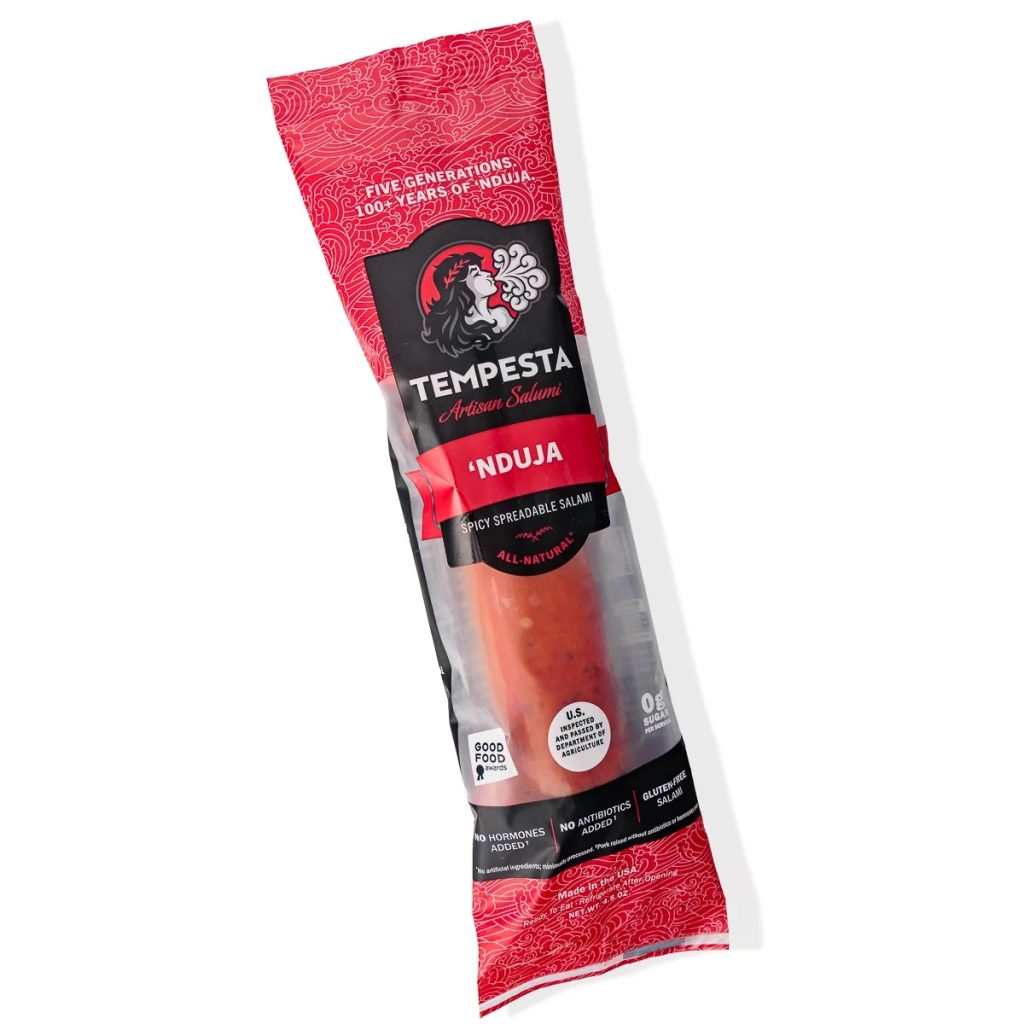
Scrumptious, spicy, and super good to make at home
Spanish-style fried eggs, cooked in full-flavored extra virgin olive oil, are one of the best quick meals I know. The key is the quality of the oil and the eggs. Once you get used to cooking eggs this way, I feel confident you’re likely to stick with it!
Now enter ’Nduja, the amazing spicy spreadable salami that’s typical of the Southern Italian region of Calabria. Ours is made by Tony Fiasche—he lives in Chicago, but his grandparents are still in Calabria, and his grandfather taught him how to make it. Tony works exclusively with heritage pork, and the ’Nduja he makes is … well, insert whatever superlative you like—it’s incredible. You can add it to sauces or pasta dishes with ease, or come by the Roadhouse, where the kitchen crew use it with those fantastic Prince Edward Island mussels. Put it on a toasted Brioche roll from the Bakehouse with a fried egg or two, and you’ll have a world-class sandwich in about six minutes. I ate a couple for dinner the other evening, and I’m ready to have another right now!
To make a tasty egg ’n’ ’Nduja sandwich the simple way, first let the ’Nduja come to room temperature while you’re getting ready to cook. To fry the eggs, heat a good bit of extra virgin olive oil in a skillet. Use more than you normally would—the oil is part of the dish (and you can save what’s left to use for other items later). When the oil is hot, crack the eggs into the pan. They will bubble around the edges, making them crisp. Break the yolks a little, and spread them gently so a small amount of yolk works its way over the whites.
For these sandwiches, any Bakehouse bread will work, but again, I really like the Brioche rolls (which the Roadhouse uses for burger buns). While the eggs are cooking, toast the bread and brush it with more of the olive oil. Spread ’Nduja on one side or, if you’re into spicy pork, on both. Cook the eggs until they’re set. Place an egg on top of the ’Nduja (so the heat of the egg softens the spreadable salami even more), then sprinkle with sea salt (the Portuguese Fleur de Sel would be wonderful) and plenty of freshly ground black pepper. Eat while it’s hot. Simple, delicious.
Another, maybe slightly more interesting—and time-consuming—approach is to melt a good portion (about a quarter pound) of ’Nduja in a skillet with some extra virgin olive oil. Stir to melt the ‘Nduja into the oil, and when it’s hot, crack the eggs into it. Cover and then baste with some of the oil/’Nduja mix, and cook the eggs to your desired doneness. Serve on the toasted buns. I like to add a bit of mayo (which, by the way, may have originated on the Menorcan island of Mahón, discussed below!).
If you follow this second method, don’t throw the oil away when the eggs are done. Instead, toss a handful of well-cooked broken potatoes, cooked rice, or cooked beans into the pan. Turn up the heat a touch, stir regularly for a few minutes (a bit longer for the potatoes), and then serve on the side with the sandwich!
P.S. These great sandwiches aren’t on the Roadhouse breakfast menu, but if it’s not busy, it’s likely we can make them for you.
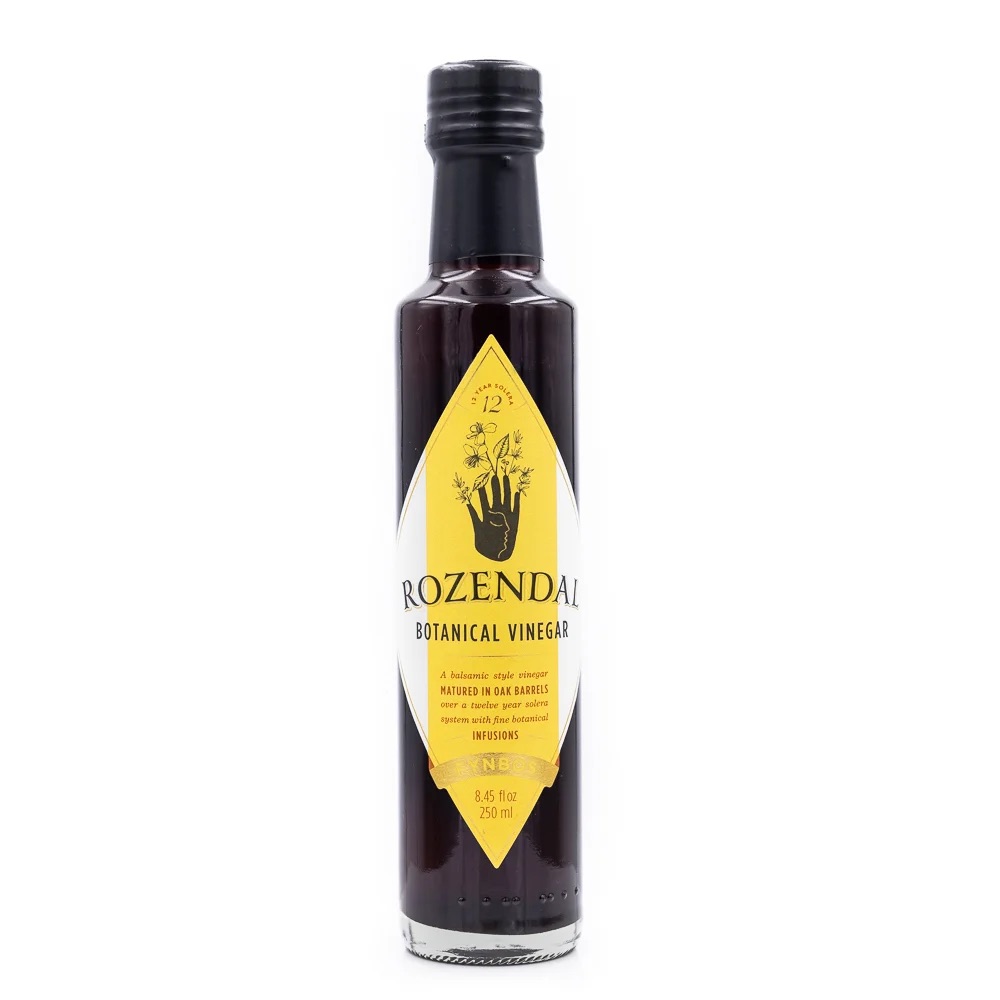
12-year-old biodynamic masterpieces from South Africa
The Rozendal wine vinegars are, to my taste, some of the most wonderful products we sell—and they’re on special all this month (along with a range of our other artisan vinegars) as part of the Deli’s May vinegar promo. Caringly crafted, beautifully presented, exceptionally delicious—if you get them once, I predict it won’t be the last time you take some home. Nearly everyone who tastes them falls in love!
The vinegars are made by the Ammann family in Stellenbosch, on the southwest coast of South Africa. Long a grape grower and wine producer, Kurt Ammann took the family farm organic in the mid-’90s, and then went even further by going biodynamic back in 2001. In the process, the Ammanns have significantly enhanced the soil on their farm. Nothing in a biodynamic setting is taken for granted, and the Ammanns’ work is no exception. Nathalie Ammann, Kurt’s daughter, shares:
We have been farming organically since 1994. Our main focus was biodynamics, but I also did a permaculture course quite some years back and really loved the way design was used to integrate living with your landscape. We still draw on permaculture practices from time to time when relevant. Sustainability and a holistic approach in everything we do remain our firm principles, and we are very proud of the fact that we have not used any chemical fertilizers or pesticides on our property for over 30 years.
Their work in the fields is inspiring! My own study of permaculture has intensified over the last few years, and I was excited to discover that a family whose product I already love has been applying the same principles.
The vinegars start with the natural conversion of the Ammanns’ already well-made and nicely matured wines. This process protects the flavors of the wine as well as the natural health benefits of the vinegar. Herbs are then added, and the infusions are allowed to mature for another four or five years. The total maturation period is about 12 years, all done in oak barrels, and the results, as I said, are superb! Imagine a great balsamic, but with a bouquet of additional flavors—many unique to South Africa—enhancing its excellence. The complexity; the soft, round sweetness; and the long, lingering finish are all there in force. Michael Harlan Turkell, author of the engrossing book Acid Trip, says,
In the tradition of the Bordeaux wines they make, Rozendal’s vinegars are serious but spritely. What started as a “bad” batch (of wine) in 1988 felicitously began decades of great vinegar making in South Africa. Using the traditional French Orleans method, these vinegars ferment slowly and mature in oak; served with a little residual sugar, they leave a lasting impression on the palette, but never overwhelm.
We have four Rozendal vinegars in stock as I write. All are amazing, but Fynbos is my favorite.
- Fynbos Vinegar – Infused with an array of the region’s herbs and flowers: South African honeybush, buchu, wild olive, wild rosemary, and rose geranium. I have a feeling that a homemade mayonnaise using Fynbos vinegar would be super fine and appropriately aromatic on poached asparagus spears.
- Hibiscus Vinegar – Infused with rose hip, elderflower, and vanilla bean.
- Green Tea Vinegar – Infused with chilis, carob, lavender, kelp, and bay leaf.
- Lavender Vinegar – Infused with organic lavender grown right on the farm. Makes a great reduction for lamb.
The Ammann family served these special vinegars for years only in their restaurant. Happily, a decade or so ago, they released some for the rest of us. All are stellar on salads, for sipping, for mixing with a bit of soda water for a nonalcoholic aperitif, or for use in marinades. The brilliant designer Eva Zeisel once said, “Beautiful things make people happy,” and these incredible vinegars certainly fit the bill. Even the tiniest sip will turn my day around for the better, and I’m confident they’ll do the same for you. In a year when we need all the positive inputs we can gather up, here’s a safe, sustainable, healthy, and joyful way to add to the quality of your life! Enjoy!
Again, the Rozendal vinegars are on special all month at the Deli. You won’t see them on the zingermans.com Mail Order site, but if you email us at [email protected], we’ll send you as many as you like!
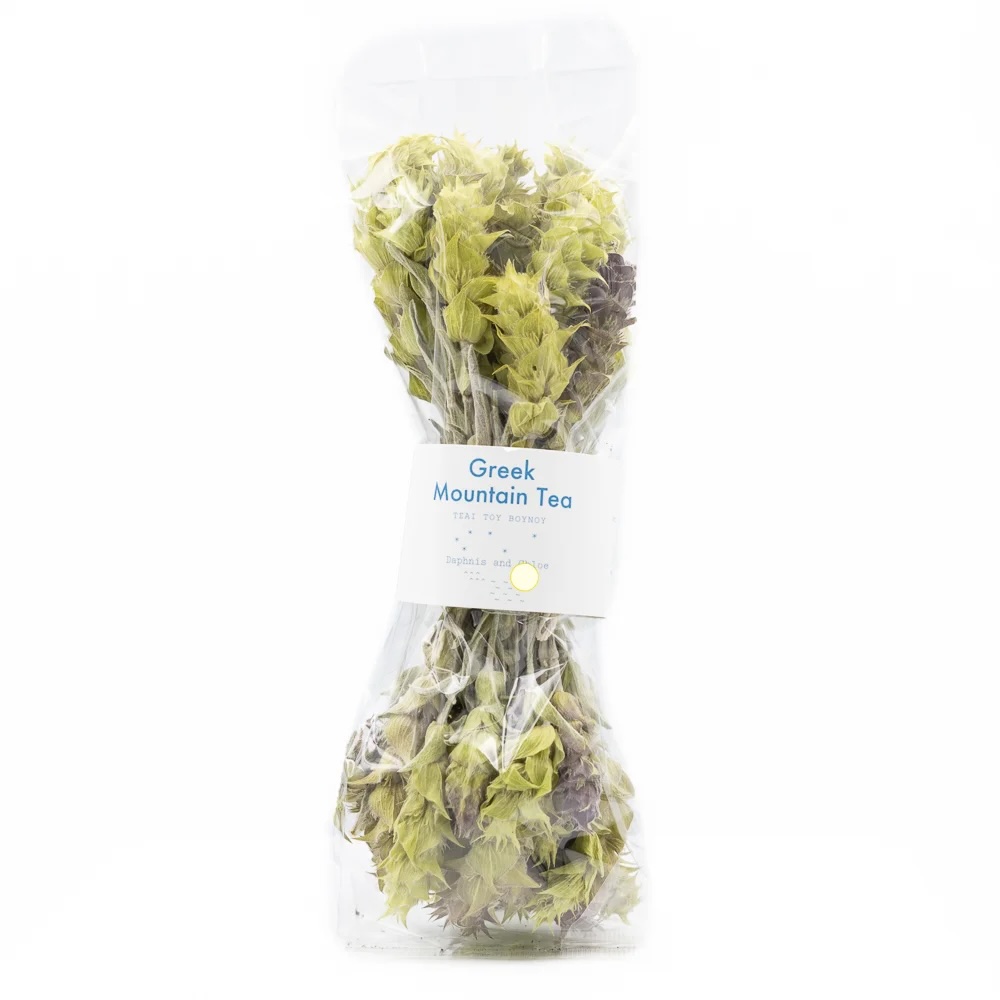
The beautiful herbal hot brew of the Greek countryside
It’s been many years now, but I still vividly remember sitting in a café in Northern Greece a few decades ago with my late and much-loved friend Daphne Zepos. (See the Epilogue of Zingerman’s Guide to Good Leading, Part 3: A Lapsed Anarchist’s Approach to Managing Ourselves for more on Daphne.) I innocently ordered tea, expecting the usual uninteresting black tea bag one gets in casual cafés. Before the waiter could leave the table, though, Daphne turned and asked me if I wanted “regular tea or mountain tea.” Never having heard of the latter but ever the inquisitive eater, I shrugged my shoulders and said, “Mountain tea—why not?” I’m glad I did. It turned out to be a terrific herbal infusion that I’ve been drinking—when I can get it—ever since. It’s one of many great gifts Daphne left in my life.
In Greek, mountain tea is known as tsai tou vounou. The Latin/English name is sideritis. It grows at a high altitude—generally over 3,000 feet—so this really is mountain tea. Loaded with antioxidants and antimicrobials, it’s touted for possessing a wide range of health benefits, including lowering blood pressure and supporting the digestive tract. Some studies even show success in using mountain tea to treat Alzheimer’s. In Greece, if you start getting sick, you’ll soon find yourself being served cups of this restorative herbal brew to help bring you back to good health. Plus it contains no caffeine, making it easy to drink all day!
Our Greek mountain tea at the Deli comes to us from the wise women at Daphnis and Chloe, who source much of their tea from Mount Olympus and from Mount Parnon in the southeastern part of the Peloponnese. In Greek mythology, this was the home of Saturn and the place of prayer for Artemis, and Dionysus lived there as a youth as well. More than a dozen monasteries have been located on the mountain over the centuries, and it’s safe to say that monks were—and still are—meditating over this tea regularly. (Remember that what we know now as black and green tea didn’t arrive from China until the 16th or 17th century.) During the Greek Revolution in the early 19th century, Parnon was one of the centers of resistance. Again, it’s safe to say that freedom fighters in hiding would have been brewing this tea to stay warm in the winter months.
The offering we currently have on hand hails from an organic farm in Grevena, in Northern Greece. Daphnis and Chloe share:
Our supplier was among the first to cultivate the green-and-purple-hued variety of the area, which has a significantly higher concentration of flavonoids, antioxidants, and phenolic content than its commercially available rivals. … It takes one hour to assemble just 15 bouquets, making it one of the most elaborate products we produce here.
Greek mountain tea typically comes in the form of a bouquet of long, light green stalks with tiny flowers and buds attached. To brew it, you simply break up the branches and infuse them in very hot, but not quite boiling, water (about 195°F). Use the stems, too—they have as much flavor as the beautiful buds—and enjoy the tea’s compellingly sweet perfume. For optimal storage, keep the stuff out of direct sunlight (yes, it grows well there, but it doesn’t store well there) and humidity.
You can do some further study on the health benefits of this tea while I test it out by sipping live in real time! Appreciate the beauty, take in the aroma, savor the flavor, relax, and enjoy.
Try some tea
Launched last summer, our Tastemaker Series spotlights influential culinary voices through highly personal product collections that reflect how they cook, eat, and gather. Every few months, a new individual collaborates with us and individually curates a special Zingerman’s Mail Order gift box. If, like me, you love knowing what foods fellow foodies are into, these collaborations will be right up your alley. Past tastemakers have included Jon Kung (Ortiz tuna), Dan Pashman (Zingerman’s Sea Salt Potato Chips), Matt Rodbard (Zingerman’s Pimento Cheese), and Abra Berens (Sour Cream Coffee Cake).
Each time we collaborate with a tastemaker, they get to hand-pick an armful of their favorite foods from our shelves—it needs to fit into a box so we can ship it to you after all. The lineup is always different, we all like different things after all, but they always reflect a shared passion for seriously flavorful food. Each Tastemaker Gift Box is around for a limited time (like our newest one with Anna Hezel!), so you’ll want to make sure to catch each one while you can.
Anna Hezel x Zingerman’s Tastemaker Box
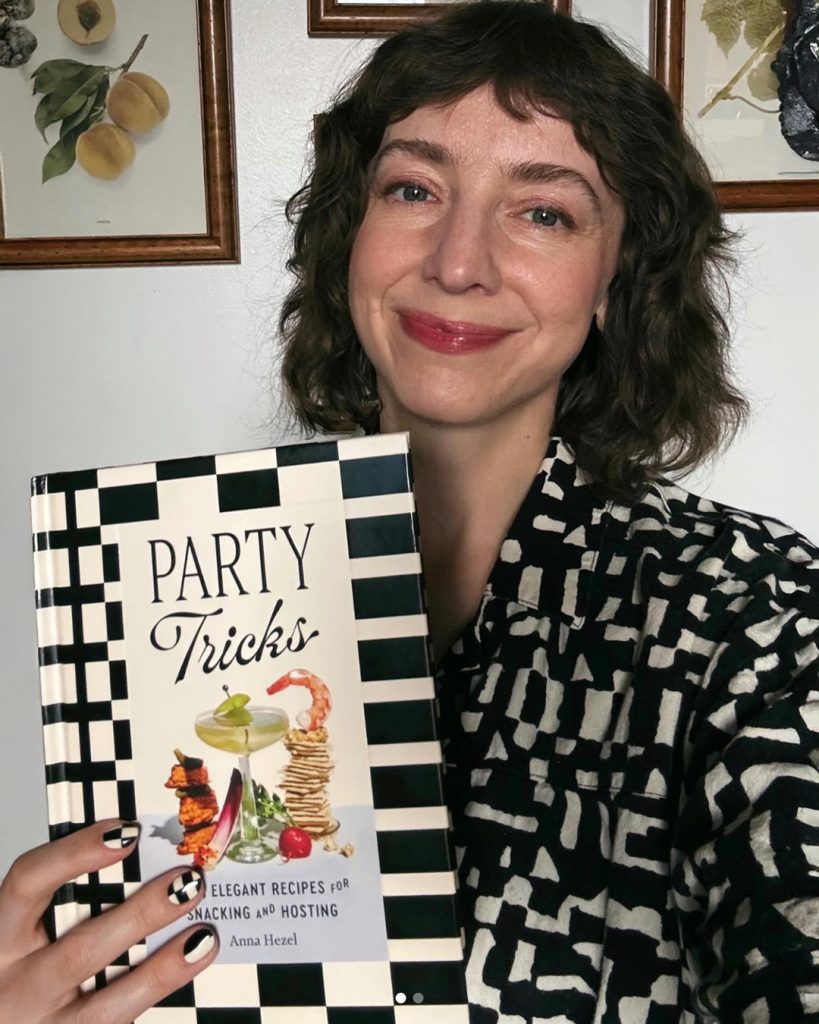
Anna Hezel is a Buffalo-born, Brooklyn-based food and culture writer, and a big fan of fancy snacks that come together in no time, but make any meal feel special. That’s actually the theme of her latest cookbook, Party Tricks, and of this special collaboration. As Anna explains:
“When I set out to write my latest cookbook, Party Tricks, I wanted to create a cookbook for the modern host—someone who has access to an ever-expanding array of international ingredients packed with flavor and character. I realized that stores like Zingerman’s (famous for its cheese, conserves, and cured meats) have changed the way we cook and host parties.
People who love to entertain can rely on this one-stop shop for all of the ingredients that do the heaviest lifting for a party. This selection of goodies is my ideal party in a box, where someone else has done all of the work of catching, cooking, and marinating the sardines, or curing and smoking the meat, or skinning the hazelnuts.”
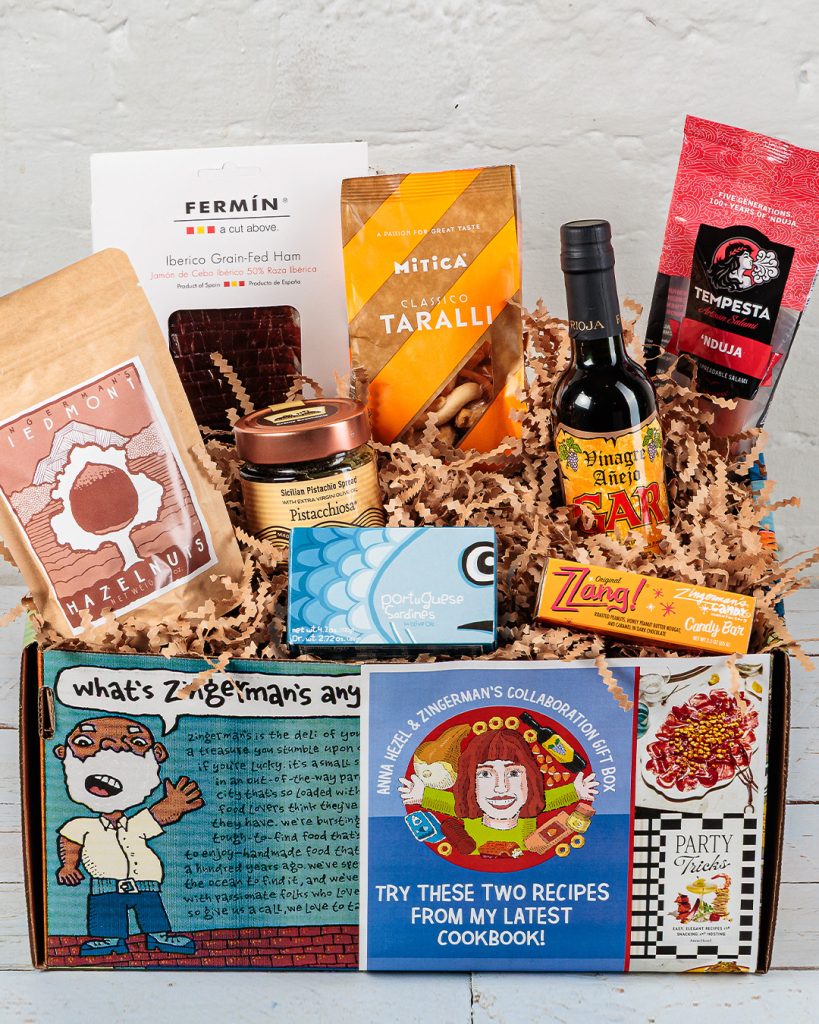
Not only does Anna’s box include a plethora of party-ready nibbles, but it also includes two of her recipes! Ready for a sneak peek? Here’s everything you’ll find inside, along with why Anna’s so smitten with them:
- Broadbent Prosciutto: “I love prosciutto, Serrano, and Iberico hams, and I think it’s so cool that Broadbent is doing their own take on this cured pork in Kentucky, incorporating their smoking technique.”
- Portuguese Sardines: “A classic tin of Portuguese sardines can become a rice bowl, a buttery pâté, or just a fortifying snack with a pile of crackers and some pickles.”
- Tempesta ‘Nduja: “This spicy, silky-textured sausage can do so many tricks in the kitchen. Melt it into a tomato sauce, use it to tinge a brothy soup red, or spread it on toast. In my book, I toast oyster crackers in melted ’Nduja for a peppery party snack.”
- Pistacchiosa Cream: “All summer long, I’m either spooning this into chia pudding or turning it into a magic shell ice cream topping by melting it with a spoonful of coconut oil.”
- Piedmontese Hazelnuts: “Toast these lightly in some butter to serve with the Broadbent Prosciutto (or your cured ham of choice). The next morning, your oatmeal will be happy to have any of the leftover butter-toasted hazelnuts.”
- Spanish Red Wine Vinegar: “Red wine vinegar may seem like the most basic pantry staple, but once you start to cook with a good one, like this one, you can’t believe you ever made vinaigrettes any other way.”
- Taralli Olive Oil Crackers: “Not too salty or rich, taralli can fit in at any party. Even when I’m just ordering pizza with friends, I love to set out a bowl of olives and a bowl of taralli, nestled among shards of Parmesan.”
- Zzang!® Candy Bar from Zingerman’s Candy Manufactory: “Every time I buy a candy bar at a gas station or pharmacy, this is what I’m actually craving.”
Ready for a snack-tastic experience? Ship yourself (or someone special) a shindig.
Sensational smoked, cured ham from the Sud Tyrol
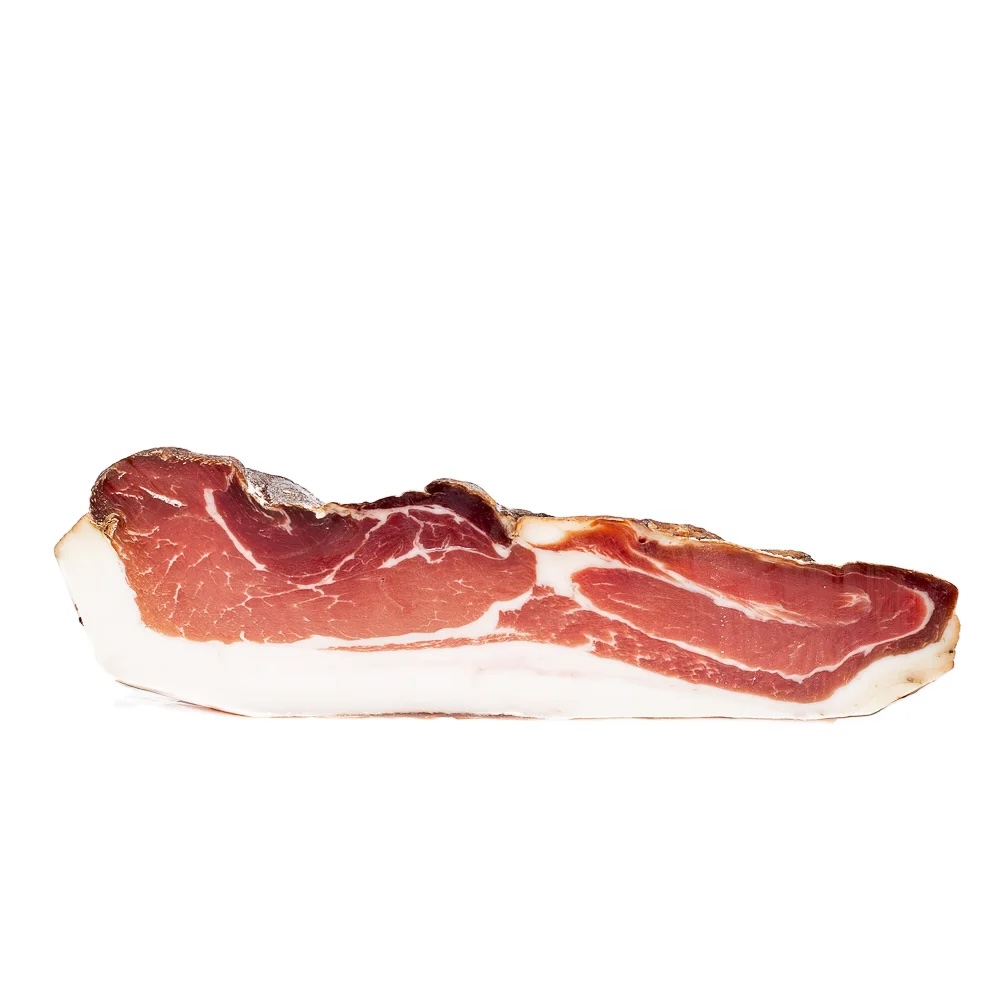
While Prosciutto di Parma rightly wins raves all over the world, and while American country ham has gained great attention in the last few years, there are traditional regional “country hams” to be found in almost every part of the world that eats pork and has a temperate enough climate to cure a ham properly. Little known outside its home region, speck is the unique cured country ham of the Alto Adige region in the Dolomites, near the Austrian border. It’s a lightly smoked and lightly spiced cured ham that you enjoy however you would any other cured ham.
The speck process is unique to this particular ham. Unlike with other dry-cured hams, speck makers take the bone out of the fresh hams before the pork is cured and rub them with spices before aging and smoking. Exactly which spices they use is a closely guarded secret that no ham curer seems willing to divulge. Speck smoking is always done at very low temperatures so that the meat is never cooked, but simply seasoned, by the smoke. Hold a freshly cut slice up to your nose, and it smells sweetly of smoke and subtly of the spices used to cure it. Taste it, and you’ll work your way through layers of flavor. First, there’s the spice—a bit of pepper, some juniper, and additional secret spices—which brings a liveliness (almost a touch of the medieval!) to the experience. This is followed on the palate by the smoke, and then, beneath all that, you come back to the light and delicious pork. It reminds me of eating great smoked salmon in the way the fat and the spice spread nicely over the tongue and linger.
Speck goes well on buttered slices of any of the Bakehouse’s excellent breads, but particularly the Vollkornbrot (read on for more), as well as Country Miche, Roadhouse, or Farm bread. You could also make that stellar sandwich I wrote about last week—cured ham and Emmentaler Réserve cheese on a fresh Bakehouse baguette spread generously with Vermont Creamery Cultured Butter.
In its home region of the Sud Tyrol, speck is utilized a fair amount in cooking, too. Small pieces of speck are used to season soups and sauces, or chopped and added to salads, noodles, or rice. I like it eaten alongside slices of melon, fresh pears, and apples. (But don’t wrap the ham around the fruit—it will absorb the fruit’s juice, ruining the ham’s texture.) It pairs really well with mountain cheeses—the Comté from France and the Emmentaler Réserve from Switzerland are both at the top of my list this month—and is terrific paired with those Rancho Meladuco dates. It’ll also be a fine culinary companion when asparagus hits the market in a couple of weeks!
Snag your slices
P.S. Remember that when you eat cured hams like speck, they’re radically more flavorful when you don’t serve them straight out of the icebox. This truly makes a big difference—just as it does with cheese, cake, pie, wine, or most anything else.