
Tag: ZINGERMAN’S DELI
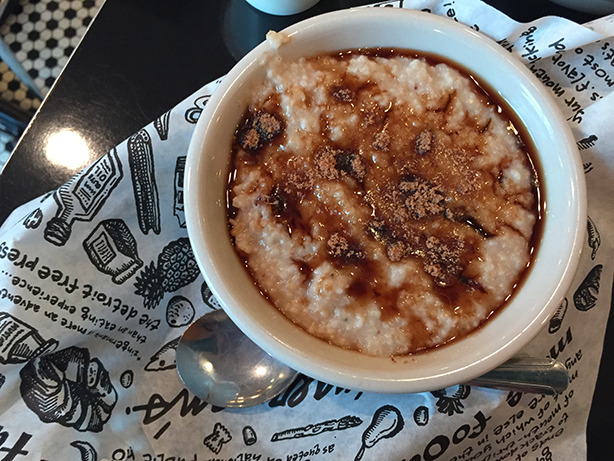
The oatmeal that we serve for breakfast and sell by the two pound tin is certainly one of our more unique offerings. Though standard commercial oatmeal is typically thought of as a common, unexceptional provision, the kind of oats we supply at the Deli (and at Zingermans.com and the Roadhouse) has a story steeped in a tradition and quality that sets it apart from its duller brethren. To my knowledge we are one of the only purveyors of this delicious cereal in the United States, a fact that, I think, we too often forget.
Our oatmeal comes from Walton’s Mill in the town of Macroom, located between the cities of Cork and Killarney in the southwest of Ireland. It is exported to us directly via ship, rail, and truck straight to our door, four times a year. Opened by Richard Walton in 1832, the mill is now run by his descendant, Donal Creedon, and is the last remaining stone mill in Ireland. Oats are well adapted to the wet, cool climate of the British Isles and are a time-honored staple of sustenance. Mr. Creedon uses only organic and transitional (to organic) oats and visits the farms he buys from to hand select every bushel of oats he uses each season to ensure only the best are milled.
Stone grinding is a traditional method of processing grains that has been practiced for many centuries. Unlike the more common industrial method of “rolling” oats, which steams and then flattens them to extend shelf life and quicken cook time, stone grinding actually involves cutting the oats, yielding a meal that is darker in hue, due to its retention of flavorful natural oils, and coarse in texture. Before the oats are milled they are first toasted over moderate heat for two days to bring out a delicate and distinct taste and aroma.
Stone ground oats demand a more patient cook then their rolled second cousins. If you are looking for a quick bite before you rush out the door in the morning, these oats might not be the breakfast for you (though soaking them overnight does cut down on the cook time). Whereas rolled oats and their “quick” kin can be ready in under five minutes, stone ground oats take around 20 to 30 minutes to be ready for consumption.
Preparation begins by bringing four parts water (or milk) to a boil and then stirring in one part oatmeal. Be sure to reduce the heat to a simmer upon returning to a boil and stir thoroughly and often to avoid clumping and sticking. Once the oats are cooked through, and you have your desired consistency, a profusion of accompaniments await your selection. Some like it simple—just a pinch of salt and perhaps a little milk or cream. Others like to don their oaten porridge with a variety of nuts, fresh and/or dried fruit, and aromatic spices like cinnamon and sweeteners such as brown sugar, honey or maple syrup. I like mine with a splash of whole milk, sliced banana, toasted pecans and dried cranberries. Oatmeal can also be served in a savory fashion for a later meal, perhaps with a tab of farm butter, wilted greens, a good cheddar and a sprinkling of sea salt and freshly cracked pepper. However you may fancy it, our oatmeal is a great wintry meal for anytime of day.
At the Deli and Roadhouse, we serve ours topped with Muscovado sugar and a side of milk (or cream upon request) every morning from 7:00 am – 11:00 am. Come try some! You won’t believe how good it is.
Tag: ZINGERMAN’S DELI
Citrus’ wild origins can be traced to Southeast Asia. Unlike our contemporary sweet varieties, early species of citrus fruit were extremely bitter. Anthropologists believe that they were used not for food but rather as medicine, cleansers, embalming fluid and beauty treatments. The first edible citrus probably resulted from crossing citron—a large, bitter fruit with lots of rind and little flesh—with sour oranges. This fruit first appeared in the Hellenic world around 500 BCE and was used as an antidote for various poisons.
One of the more interesting characteristics of citrus fruit is that they are prone to mutating and crossbreeding spontaneously. Whenever the pollen of one variety pollinates the flowers of another species of citrus there is a chance that they will create a hybrid offspring. Sweet oranges are thought to have appeared as a result of this spontaneous interbreeding, crossing a tangerine with a pomelo (Citrus Grandis), which is believed to be an ancestor of modern grapefruit. They arrived in the Mediterranean in the 13th century CE and were brought to the western hemisphere as one of the initial acts of the Columbian Exchange.
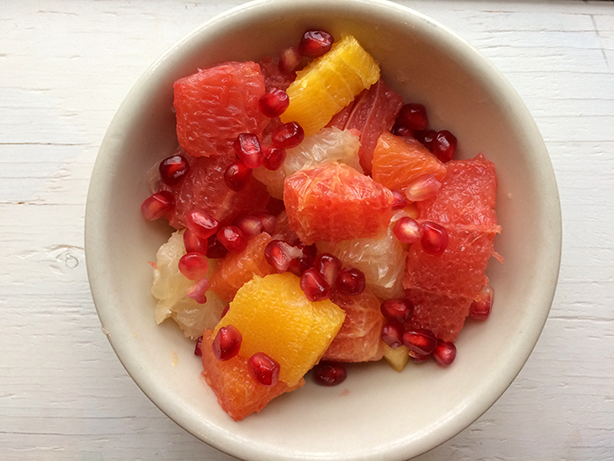
Our Citrus Fruit Salad features three kinds of oranges (Washington navel, Cara Cara, and Blood) as well as white and ruby red grapefruit. Washington navels, commonly referred to as, simply, navels, are identified by a small orange bulge (resembling a belly button) found on the blossom end of each fruit. This bulge is actually an undeveloped second orange and is the result of a spontaneous mutation discovered initially by a Brazilian orange farmer in the early to mid-1800s. This slight change resulted in an orange that was seedless, as well as sweeter and easier to peel than its conventional parent. This unique breed so fascinated the U.S. commissioner of agriculture that he, in 1871, imported saplings to be grown in Florida. Unfortunately, due to the hot, humid climate, the trees never bore fruit and most of them died.
Three surviving trees were transplanted to cooler, drier Riverside, California where they thrived under the care of the Commissioner’s friend, Eliza Tibbets. Once the trees started to produce their distinct fruit, local nursery owners quickly realized their superiority and began to graft them and create clones. Navels are now the most common variety of orange in the U.S. and can all be traced back to Mrs. Tibbets’ trees, one of which still stands in Riverside.
Navels
Our navels are coming from Chaffin Family Orchards located in the northeast side of the Sacramento Valley in northern California. Chaffin is a permaculture-based operation that triples as an olive grove, an orchard and a pastured livestock ranch. Unlike most industrial orchards which harvest their crops all at once, Chaffin picks its fruit individually, only at the peak of ripeness, ensuring that each orange is at its prime sweetness. Chaffin’s growing practices are all natural and toxin free, the fruit having never been sprayed, chemically fertilized, gas ripened or refrigerated. All fruit is packed and shipped the same day it is picked. This year’s cool, rainy weather in California has made these already delicious oranges even better. In addition to adding these to our daily fruit salad we are selling them individually in the Next Door and in the 420 building. For $1.00 apiece, they are quite the steal.
Cara Cara
Cara Cara oranges were created by another spontaneous mutation, this time of the Washington navel itself. Like the navel, Cara Caras feature a similar bulge on its blossom end resulting from an undeveloped second orange. Besides the latter being slightly smaller in size, the main difference between the two is uncovered beneath the rind; Cara Caras have a rose hued flesh, due to high lycopene contents, and are sweeter and less acidic.
Blood Oranges
Blood oranges are the smallest of our three varieties. When ripe they produce a purplish skin and a fruit that ranges from a pinkish orange to a dark blood red, hence its name. While all oranges pack a nutritious punch, the blood orange is perhaps the healthiest. Similar to purple carrots, it is chock full of anthocyanins, which are robust antioxidants and responsible for its dark color. Though they are gaining in popularity in the States, blood oranges enjoy more prominence across the Atlantic where they are a favorite throughout the Mediterranean and are often the variety of choice for Italian orange juice.
Pink Grapefruit
Until 1905 all grapefruit had white flesh. That year a Florida farmer witnessed abnormal looking grapefruits on one of his trees. When he cut into it he discovered that it had pink flesh, and, upon eating, a sweeter taste, thus discovering the first pink grapefruit. A quarter of a century later another darker and sweeter version popped up in Texas. This one, named the Hudson Pink, was another product of, you guessed it, spontaneous mutation. Not wanting to rely on chance any longer, scientists at the Texas A&M University Citrus Center sent seeds to the Brookhaven National Laboratory to be irradiated and mutated. One of these seeds resulted in the creation of the Star Ruby variety, which was then irradiated again, four years later, to produce the Rio Red. All three varieties: Hudson Pink, Star Ruby and and Rio Red, monopolize the U.S. grapefruit market. Though we think of modern fruit and vegetable breeding as a boon to production and yields, and a detriment to nutrition, this is not so with the red grapefruit, which have the highest density of anthocyanins and other phytonutrients than any of the paler varieties.
We’ll be featuring Citrus Fruit Salad while oranges and grapefruit are at the height of their season so get it while they are at their best!
Tag: ZINGERMAN’S DELI

In January and February, snow days mean $1 OFF hot cocoa or soup at the Deli.
Your kids may cheer when they hear school is closed for a snow day, but they don’t have to be the only ones celebrating. Warm up at Zingerman’s Deli after your snow day activities with a hot cocoa or bowl of soup and save $1. We hope to see you soon!
Just have your kid exclaim “SNOW DAY!” to the cashier at checkout. (If you’ve got a shy little one, parents can say it too.)
Tag: ZINGERMAN’S DELI
New year, new flavors! The Deli is hosting five fantastic, not-to-be-missed tastings in January and February, and some are just $10. These events are a great way to up your food knowledge about everything from olive oil to honey—and taste delicious food. There’s even a chocolate and beer class. Really!
Take a look:
Olive Oil 101
Wednesday, January 11, 2017
6:00 pm – 7:30 pm
At Zingerman’s Upstairs Next Door
422 Detroit St., Ann Arbor
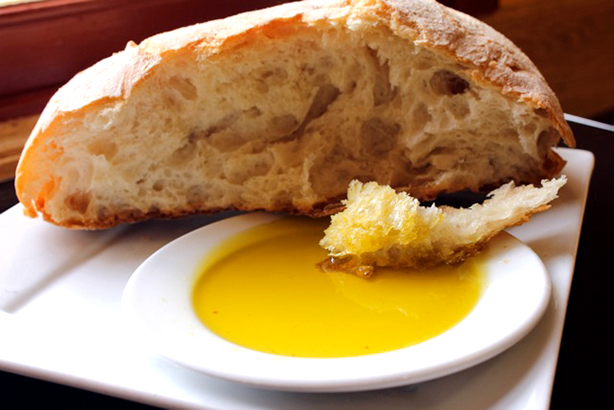
Have you ever wanted to know more about olive oil, or wondered how Zingerman’s selects the distinctive olive oils we carry? Then this is the class for you! We’ll taste some oils from across the globe and focus heavily on learning. You’ll walk away with a wealth of knowledge and a new appreciation for what we call liquid gold. $10 Reserve your spot!
La Vecchia Dispensa Balsamic Tasting
Wednesday, January 18, 2017
6:00 pm – 7:30 pm
At Zingerman’s Deli
Working just off the historic square in the center of the old town of Castelvetro, southwest of Modena, Italy, Roberta Pelloni and her husband Marino Tintori make a range of fantastic vinegars. For the first time, their son Simone from La Vecchia Dispensa, will join us for an evening to share the history and taste of his family’s balsamics. In the words of Marino, “the key to great Balsamico is balance.” So please come for this special evening of beautifully balanced balsamic. $35 Reserve your spot!
Honey 101 Class
Wednesday, February 1, 2017
6:00 pm – 7:30 pm
At Zingerman’s Upstairs Next Door
422 Detroit St., Ann Arbor
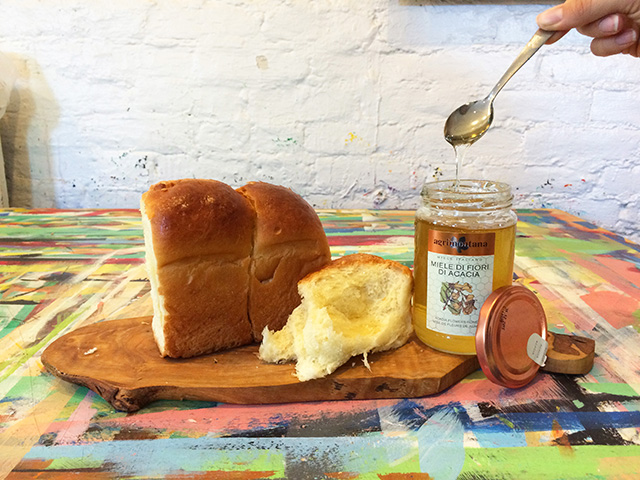
Did you know that not all honey is equal? Some are super sweet, some are chewy and some are even spicy. Join us as we dive into the world of single varietal honeys and what makes them different and special. Reserve your spot!
Vinegar 101 Class
Wednesday, February 15, 2017
6:00 pm – 7:30 pm
At Zingerman’s Upstairs Next Door
422 Detroit St., Ann Arbor
Do you only think about vinegar when it comes to cleaning and salads? No matter how you answer that question, this class will be a great peek into the world of vinegar and all its complexity and beauty. Seats are limited so sign up early. $10 Reserve a spot!
Dark Beer & Dark Chocolate
Saturday, February 18, 2017
7:00 pm – 8:30 pm
Greyline
100 N. Ashley St, Ann Arbor
~An Evening of Indulgence at Greyline~
Join us for an evening on the darker side. Featuring dark craft beers and dark chocolates from artisan makers. We will highlight a spectrum of beers from robust porters to full-bodied stouts. Special guest Beth Vandergrift, beer aficionado, will delight with stories and know-how. Surely an evening not to miss! $35 Reserve a spot!
Tag: ZINGERMAN’S DELI
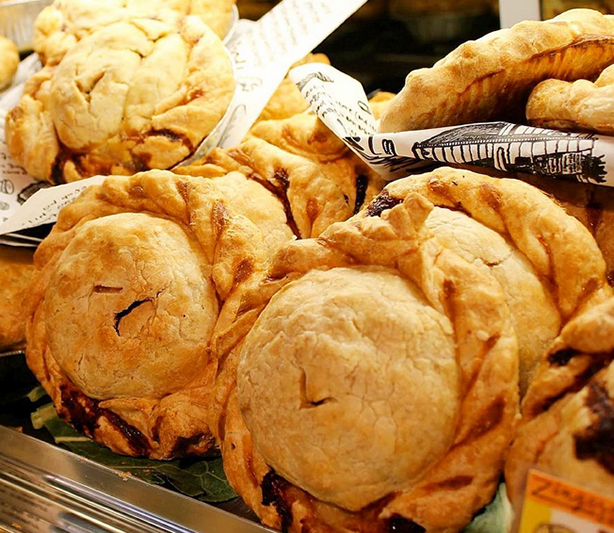
Making full-flavored traditional foods is our thing here at Zingerman’s, which is why we get so excited when pot pie season officially begins—and, yes, it has officially begun! For two full months, we’ll be selling a delectable selection of flaky, delicious, savory pot pies all made from scratch right in our kitchen. The best part is that you can get them hot and ready to eat at the Deli or frozen, so you can stock up for the winter.
Many of our customers look forward to the season, and we sell thousands to them every year. That’s a lot of pies, but it isn’t too surprising—people have been devouring the savory pastry for centuries. Chef Andrew Wilhelme from Zingerman’s Deli recently wrote about their history:
Their origins stem from antiquity and were a popular item on Roman banquet tables (some were known to be filled with live birds!). Elizabethan gentry of 16th century England spurred a renaissance of the ancient custom of meat pies, which were elaborately decorated and very popular among royalty on both sides of the English channel. These pies featured not only poultry but pork, lamb, and wild game, as well. Savory pies were popular among commoners, too, providing an economical and filling dish for the laboring masses. Meat pies are featured prominently in many cultures’ collection of traditional foods. Cornish pasties, which were transplanted to the iron and copper mining towns of Michigan’s Upper Peninsula, Galician empanadas, and Ligurian torta pasqualinas (easter pies) are all examples traditional savory pastries.
Our pot pies go back pretty far, too. Our Classic Chicken has been a menu staple as long as we can remember, and we’ve been making our other varieties for over a decade. Interestingly, the Deli started going big with pot pies as a way to keep our staff gainfully employed during the winter months, when business in the restaurant industry is notoriously slow.
“I needed to get meaningful work for my full-time employees in the kitchen,” says Rodger Bowser, a managing partner of the Deli who was the kitchen manager at the time.
That’s when Rodger got the idea to coax customers out of their warm homes with pot pies. He began developing a full menu and came up with six different pies, naming some to highlight the farms and growers the Deli was working with. There was the John H. Turkey, for example, named after John Harnois, who raises turkeys in Webster Township. Rodger and his team experimented with a few different vegetarian options, too—including a vegan variety with olive oil dough and squash that didn’t quite work out—finally settling on the popular Fungi Pot Pie, which includes Michigan maitakes that are picked wild for the Deli every year in the fall.
Production was challenging at first, and the kitchen staff was a bit overwhelmed with the labor-intensive endeavor. “We were hand-rolling all the dough—like literally, mix the dough, ball the dough, roll it with the rolling pin,” Rodger explains. “We were making hundreds of pies, so consequently, I ended up making a lot of pies myself.” When the pies proved popular and the process became more streamlined, the staff became more enthusiastic about the new product. Over the years, the pies have become a point of pride for the whole company.
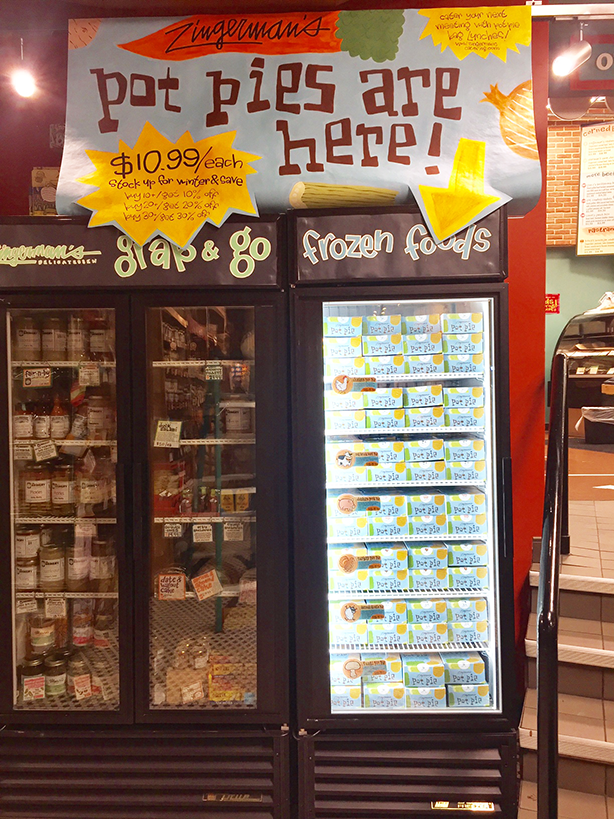
Pot Pie Fest 2017 is better than ever. We’re introducing some bright and shiny packaging (look for the blue box in the freezer case) designed by one of our illustrators, Ian Nagy. Our usual discount—buy 10 or more, get 10% off; buy 20 or more, get 20% off; buy 30 or more, get 30% off—still applies, so stock up for the winter!
Here’s the complete Pot Pie Menu:
Classic Chicken
Our most popular pie features diced chunks of Amish chicken, celery, carrots, onions, button mushrooms, red and green bell peppers, red skin potatoes and thyme swimming in a rich sauce of house-made chicken broth and Calder Dairy heavy cream.
 mushrooms, red and green bell peppers, red skin potatoes and thyme swimming in a rich sauce of house-made chicken broth and Calder Dairy heavy cream.
John H. Turkey
This one is fairly similar to its feathered cousin, except that we use Broad Breasted White turkeys raised in Webster Township by John Harnois. We also add a bit of Turkish urfa pepper, a dark purplish pepper that is sun dried by day and wrapped and “sweated” by night for over a week to bring out a rich, earthy flavor and smoky aroma.
 turkeys raised in Webster Township by John Harnois. We also add a bit of Turkish urfa pepper, a dark purplish pepper that is sun dried by day and wrapped and “sweated” by night for over a week to bring out a rich, earthy flavor and smoky aroma.
Fungi Pot Pie
Chock-full of four varieties of mushroom (Michigan maitakes, shiitakes, oysters, buttons), this pie is teaming in earthy flavor. We add Balinese long pepper, once acclaimed by the Romans as the ultimate peppery spice, it adds a nuanced floral sweetness to this delectable dish.
 pie is teaming in earthy flavor. We add Balinese long pepper, once acclaimed by the Romans as the ultimate peppery spice, it adds a nuanced floral sweetness to this delectable dish.
Red Brick Beef
Imagine a hearty beef stew wrapped in a buttery crust and that’s exactly what you’ll find in this bullish pie. Our beef is grass fed and comes from Michigan State University’s Lake City Research Farm, a farm dedicated to improving the beef industry’s environmental impact. The beef is diced into big cubes and then stewed in dry red wine with carrots, celery, onions, garlic, bay leaves and fresh thyme.
 Research Farm, a farm dedicated to improving the beef industry’s environmental impact. The beef is diced into big cubes and then stewed in dry red wine with carrots, celery, onions, garlic, bay leaves and fresh thyme.
Darina’s Dingle
This pie is served pastie style (without a tin) and features lamb from Hannewald Lamb, near Stockbridge, as well as loads of potatoes, carrots, celery, onions and rutabaga. A hint of toasted cumin and rosemary give it extra mouth-watering appeal. The idea for this pie was originally inspired by Darina Allen, friend and teacher to both Ari and Rodger, and owner of the famous Ballymaloe Cookery School in County Cork, Ireland.
 cumin and rosemary give it extra mouth-watering appeal. The idea for this pie was originally inspired by Darina Allen, friend and teacher to both Ari and Rodger, and owner of the famous Ballymaloe Cookery School in County Cork, Ireland.
Cheshire Pork
This one is Rodger’s favorite, and he says it’s “underrated”. The recipe derives from a thorough combing of traditional British cookbooks one afternoon at the library many years ago. It’s probably our most unique pie, combining sweet, sour and savory flavors. Chunks of local pork, raised by Alvin and Joan Ernst, are braised in fresh apple cider from Nemeth Orchards and Gingras apple cider vinegar from Quebec, along with onions, rosemary, freshly grated nutmeg, lemon zest and large bites of apples, also from Nemeth Orchards, for a truly amazing and distinctive treat. As with the Darina’s Dingle pie, this one is also served pastie style, without a tin.
 combining sweet, sour and savory flavors. Chunks of local pork, raised by Alvin and Joan Ernst, are braised in fresh apple cider from Nemeth Orchards and Gingras apple cider vinegar from Quebec, along with onions, rosemary, freshly grated nutmeg, lemon zest and large bites of apples, also from Nemeth Orchards, for a truly amazing and distinctive treat. As with the Darina’s Dingle pie, this one is also served pastie style, without a tin.
Pot Pie Fest 2017 is in full swing and will last ’til the end of February. Get ’em hot and eat in at the Deli and/or get them frozen to take home. They’ll get you through the winter!
Tag: ZINGERMAN’S DELI
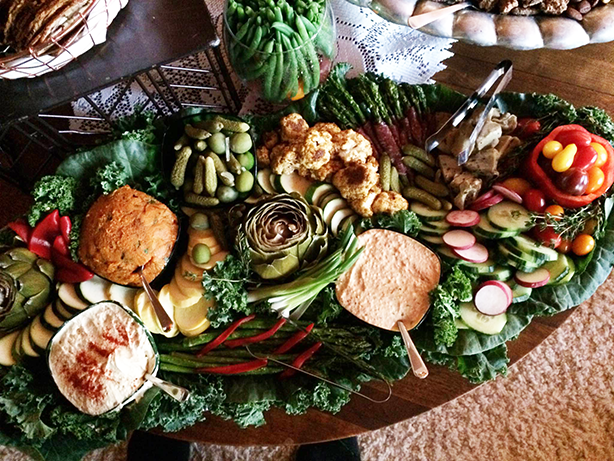
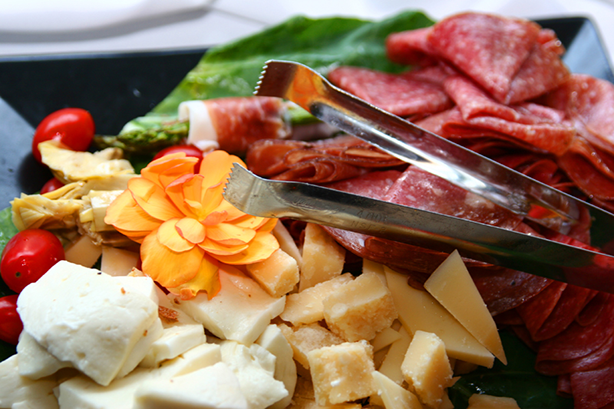
Every year, Zingerman’s Catering and Events treats our customers to an event that has office managers and meeting planners chomping at the bit: buy one catering order, get the second one (of equal or lesser value) half off in January and February. Yes, you read that right: Half. Off.
It’s not everyday you get to treat your guests or officemates to Zingerman’s out-of-this-world food, but imagine doing it twice in two months! You’d be a hero! A legend! You’d go down in the annals of history as the One Who Restored Collective Faith in the Multi Day Retreat!
If that isn’t enough, we’ve collected our top 10 reasons to take advantage of this once-a-year deal:
1. You get to try new things!
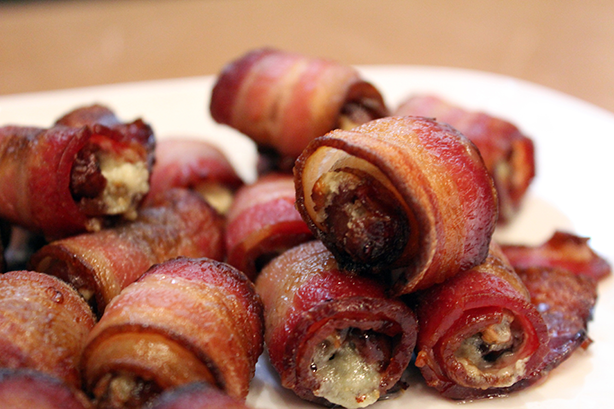
You may have tried our pastrami or our corned beef, but have you had our bacon wrapped dates? Our Piri Piri chicken? Hungarian Paprikash? This is your chance to branch out and try our lesser-known, equally-delicious fare.
2. You can revisit old favorites
With your second order half off, get those classic favorites you’ve been craving! There’s nothing better than the office’s Chatty Charlie falling into a trance-like state while he enjoys a classic #2, Zingerman’s Reuben.
3. Treat your staff!
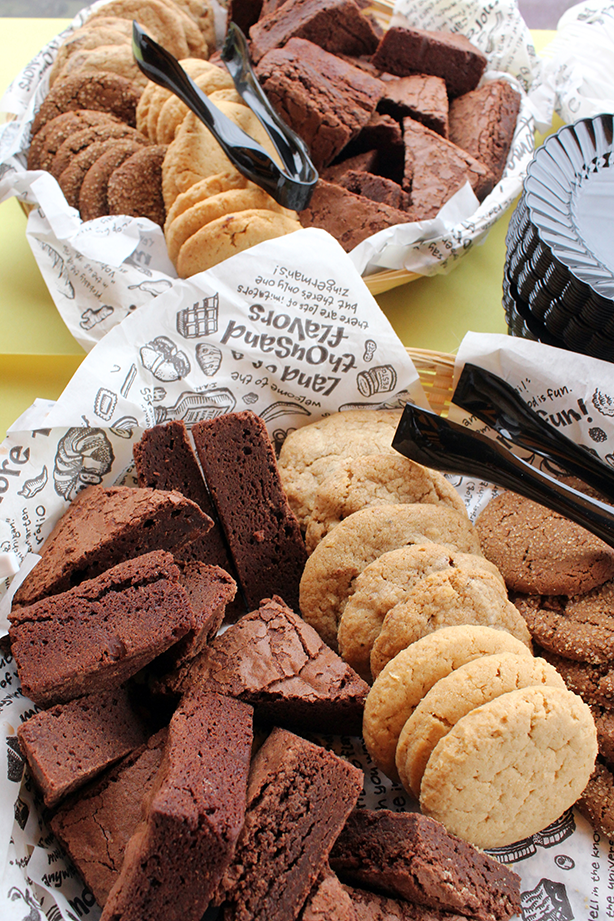
Let’s be honest – 2016 was a doozy. Kick 2017 off with a bang by treating your staff during your goal setting sessions! I can’t think of a better reward than a Black Magic Brownie… maybe a Buenos Aires Brownie? Either way, they’ll know they’re appreciated.
4. Impress your clients!
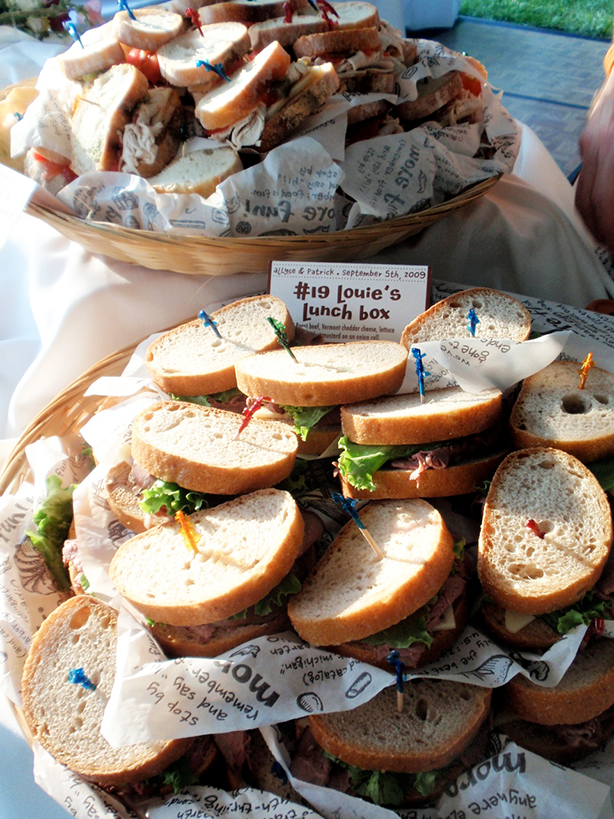
There are two things that every Tree Town visitor needs to check off during their trip – see the Big House and eat at Zingerman’s! So skip the line and let us deliver the goods to your business meeting. Stack the (pitch) deck in your favor!
5. Saves you money!
There’s this cause-and-effect with “tasting the difference”: a sudden lightness in the wallet. Budgets are tight, but that shouldn’t translate into a blandly catered meal. This can get you out of the hot seat with your office accountant and into their good graces. Zingerman’s with a discount? Double-dynamite!
6. Have Zingerman’s catering for both corporate and social gatherings
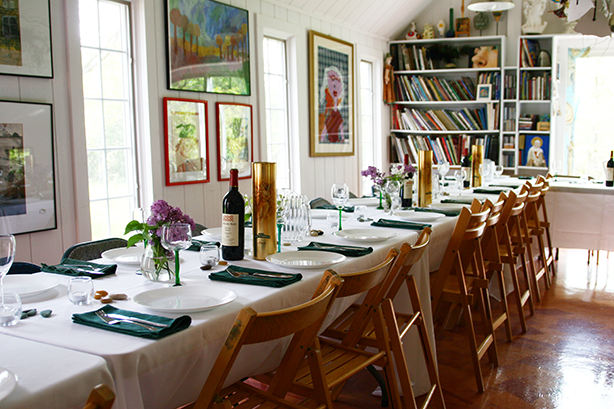
We’ve been talking a lot about office or meeting meals, but hey, we don’t discriminate! ANY gathering needs food. Team dinner for your hockey-playing phenomenon and their squad… Dinner with your sister, brother-in-law, and five kids…Your temple knows you’ve got your ear to the streets when it comes to awesome eats. It’s your time to to impress! It’s going to feel really good when your spread is completely ready for guests, and you’ve got every hair in place looking like a modern Martha Stewart. Yaassss!
7. Can repeat as many times as you’d like!
There’s no limit to the amount of times you can use this deal! Two meals for you and your colleagues! Two meals for your non-profit board meetings! Two meals for your family get-togethers! It just has to be between January 1st and February 28th!
8. Warm up with hearty, comfort foods for winter!
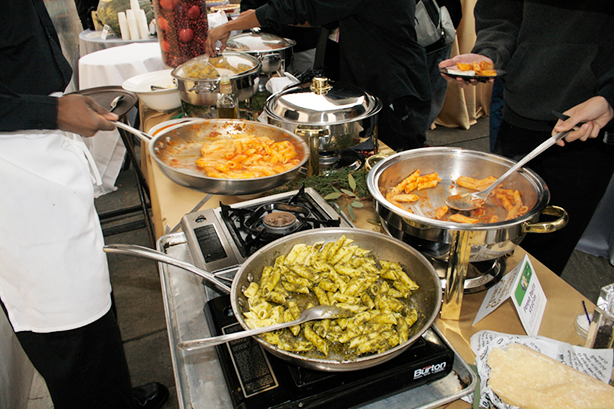
Six (!!!) different types of pot pies. Four (!!!) different types of knishes (believe me, they are your new fave). Traditional lasagna, Italian meatballs, PrimoGrano casserole… let us warm you up! Winter is hard. It’s cold, it’s dark, it’s wet. The last thing you want to do is schlep around grocery bags full of ingredients or pile trays into your car and hope they aren’t complete disasters when you arrive. Don’t worry, we’ve got you!
9. Provides extra incentive!
Want to have a staff, neighborhood, or school meeting with the best attendance ever?Just tell them that Zingerman’s is catering, and watch the RSVPs start rolling in. Everyone will be well-fed, happy and motivated. Plus, nobody will want to cut out early—because dessert.
10. This is a once-a-year opportunity!
We love our customers. We want to bring amazing food to all different types of occasions. This way we can see you twice… and the sooner the better! You’ve got 58 days to get in touch with us and receive some really awesome food to make the season a bit brighter and your load a bit lighter.
We can’t wait to hear from you and bring you a lil’ joy!
FINE PRINT: This offer cannot be combined with other discounts. This offer is only valid for orders from Zingerman’s Catering. Discount will not be applied to equipment rentals or service staff. Service fees for events will be based on non-discounted totals. Visit our Zingerman’s Catering website for menus and more info.