
Tag: ZINGERMAN’S MAIL ORDER
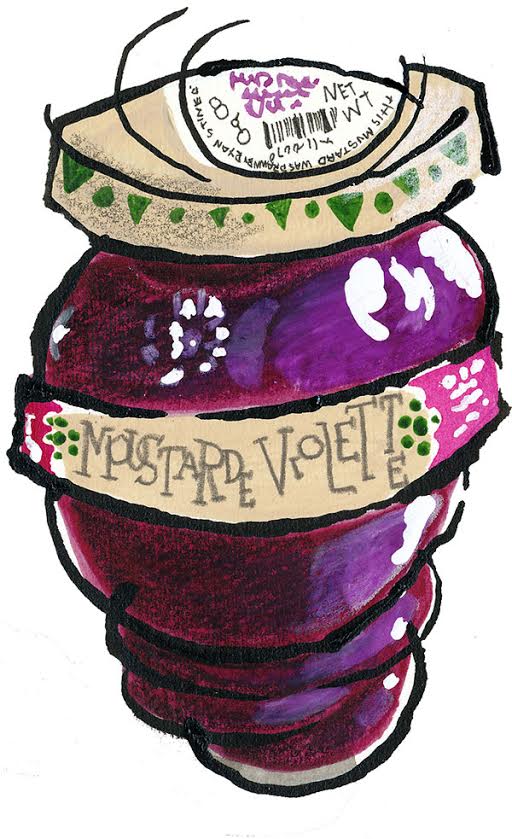 You Need purple mustard in your pantry
In French there’s a saying: “…se croire le premier moutardier du pape.” Roughly translated, it means, “he thinks he’s the pope’s mustard maker.” It describes someone who’s perhaps a bit too proud of himself. The story goes that Pope John XXII got a hankering for the unique purple mustard of his hometown in southwestern France, so he called up his nephew (or sent him a letter, or a papal carrier pigeon—however popes got in touch with their nephews 650 years ago) and invited him to the papal palace to be his own personal mustard maker. I wonder if he just liked purple for its royal connotations, or if he couldn’t bear meals without his hometown mustard?
Despite the papal seal of approval, that purple mustard never really made it big.
When Elie-Arnaud Denoix started making mustard at his family’s cognac distillery in the Périgord region of southwestern France, the purple mustard of his childhood was all but extinct. He decided to revive it, and after a year of making batch after batch of it, he landed on a recipe that he thought tasted like the traditional product. To verify his tastebuds’ intuition, he took it to a nearby village and gave it to as many of the older townsfolk as he could, the ones who grew up eating it. He asked them if it was the mustard they remembered. Half of them told him it was exactly right; half of them said it was completely wrong. Elie counted that as success and started production.
Denoix’s violet mustard is purple because it’s half grape juice.
More specifically, it’s grape must: freshly pressed juice that includes stuff like skins, seeds, and stems. Using grape must is a very old way to make mustard. The word “mustard” actually derives from the Latin mustum (grape must) and ardens (burning), so I’d bet the mustard eaten in ancient Rome looked a lot like violet mustard. By 1407 mustard makers in Dijon, France had switched from using must to vinegar and most of the mustard world followed suit. In Périgord vinegar was more precious as medicine than as food, so they kept using must.
Elie usually uses local grapes for the must, and he looks for ones with a lot of color and sugar. After the juice is pressed it’s heated to evaporate the water and concentrate the flavor. Then he adds the must to a blend of two mustard seeds: mostly there are a lot of milder yellow seeds, but he also includes a small amount of more pungent black seeds. The mix is ground very lightly in a stone mill, leaving lots of the seeds intact and making the mustard a bit crunchy.
Mustard is at its spiciest about 15 minutes after it’s mixed together, but most of us are unlikely to ever try it that fresh unless we make our own. From there it gets mellower with time. Since the violet mustard is meant to be sweet and mellow, Elie ages each 200-pound batch for eight weeks before jarring it. The result is a remarkably soft and sweet mustard with only the barest whisper of heat.
By the way, there are no violets—as in the flowers—in this mustard, as I assumed when I first heard about it. The “violet” is in the name is because violet is the French word for purple.
Violet mustard is really, really good with cheese.
I especially love it paired with the Manchester made by Zingerman’s Creamery—together they’re earthy, tangy, creamy and crunchy from the caviar pop you get from biting down on the whole mustard seeds. (We sell those two paired together in their own gift box.) Elie really likes violet mustard with blue cheese. He also likes it with boudin sausage and cooked apples, a traditional way to serve violet mustard in Périgord. Blended with a bit of balsamic, it also makes an incredible sauce for a steak—and if the current pope had his own personal violet mustard maker, I’d bet that, given his Argentinian roots, that’s how he’d want it served.
Zingerman’s Mustard Pop-up Shop: online now through September 30! A dozen new mustard finds for summer sandwich slathering, salad vinaigrettes, hot dogs, hamburgers—you name it. When they sell out, they’re gone. Check ’em out quick!
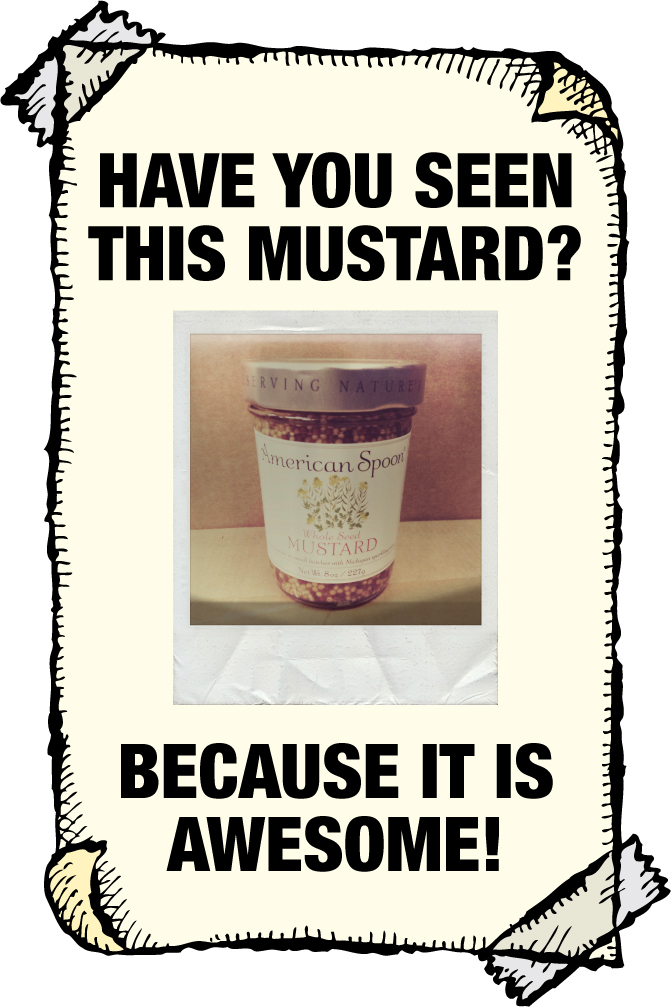
It’s Mustardpalooza! Now through September 30, Zingerman’s Mail Order is hosting a special mustard pop-up shop on our website! We’ve added a dozen new mustards to our collection for summer sandwich slathering, salad vinaigrettes, hot dogs, hamburgers — you name it. This is a one-time only event! When the new mustards sell out, they’re gone. Check it out today!
The best of tinned fish
Sardines were the original convenience food.
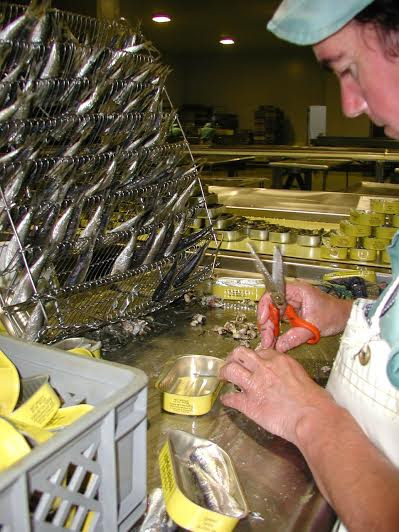
In the early 1800s, Pierre-Joseph Colin was the first person to can fish, and the first fish he canned was the sardine he grew up eating in Brittany, France. By 1836, his factory was producing about 30,000 tins per year. Every tin was made and packed by hand. Most of them were used to feed the French military. The soldiers used their bayonets or rocks to smash open the tins, since the can opener wouldn’t be invented for another twenty years.
For more than a century, tinned sardines dominated the market for quick, prepared convenience food. They filled workers’ lunch boxes and government pantries stocked up for bomb threats. In her memoir Bones, Blood, & Butter, James Beard Award-winning chef Gabrielle Hamilton recalls eating tinned sardines on Triscuits when she was growing up. (At her restaurant Prune in New York, she’s had a version of that dish on her menu for years. I had the chance to eat it a week ago; it was fantastic.) In the middle of the 20th century, tinned sardines were the student’s equivalent of today’s ramen—cheap and quick food (and, unlike ramen, fairly nutritious). With the rise of TV dinners and other pre-made meals, sardines fell off their prominent perch. Their workaday reputation, though, has remained.
On the other side of the Atlantic, sardines are fancier fare.
In 1935, Oscar Wilde’s son started London’s first sardine tasting club. And Jose Carlos Capel, the food critic of Spain’s most widely circulated daily newspaper, once said, “In the larders of some European gourmets, tins of sardines in olive oil occupy a place of honour alongside pots of foie gras with truffles or jars of caviar. A cult has built up around these canned fish, which… constitute a kind of gastronomical religion.”
Perhaps no country loves its sardines more than Portugal. The Golden Book of Portuguese Tinned Fish from 1938 reported that “among the great variety of Portuguese tinned fish, the sardine occupies the most important place.” Lisbon is still a working fish port. Sardines account for a third of the fish brought in each year—a fact that’s even more remarkable when you consider that sardine season in Portugal is only six months long, from May to October. During the season, fresh sardines are the ultimate Portuguese street food. You eat them grilled, maybe with potatoes or bread or a salad. A block or two away from Lisbon’s port is a shop that sells nothing but tinned fish. Even with the bounty of fresh fish available, tinned fish remain an integral part of Portuguese eating.
You can get good tinned sardines from around the Mediterranean.
There are producers in Spain, France, and Portugal that all offer high quality fish. From these countries, the sardines are generally pilchards. What we call “sardines” can actually be any of a handful of different small fishes, including ones from the herring and sprat families. Pilchards are the fattest and most tender. Labeling laws require that any non-pilchard fish canned as “sardines” must include an identifying label on the inside of the tin.
Good Spanish and French sardines have a subtleness to them; Portuguese sardines tend to have a bit more of an edge. It could be described as being more briny, or just more intense. One Portuguese sardine aficionado I know described it as a “tsk tsk tsk”—a certain extra succulence she couldn’t quite put to words.
We get our Portuguese tinned sardines from da Morgada. Many of the fishermen are the second generation to work for the company. They tin the sardines only during the sardine season with fresh, not frozen, fish. Each tin is still packed by hand, just like they did in France in 1836, with four or five fat fish nestled in olive oil. We sell tins packed with pure olive oil and ones packed in extra virgin olive oil. Both are fantastic; the ones in extra virgin oil are a bit softer, rounder, more buttery. The sardines in pure olive oil are packaged in a handsome box designed by Zingerman’s artist Ryan Stiner.
Sardines packed in olive oil get better with age.
Just like aging cheeses or wines can produce more intense flavors, tinned sardines packed in olive oil that are aged for a few years—or even a few decades—can develop bigger flavors. Having a collection of vintage sardines may not be as flashy as having a cellar full of aging wines or a humidor filled with good cigars, but it can make for some very good eating. Starting a sardine collection is easy: just pick up a few tins, keep them somewhere cool and dry, and turn them every now and again so they age evenly. Make sure you’re using very good sardines since aging them will emphasize the flavors that are already there. Good sardines will get better while inferior sardines will taste increasingly mediocre.
Four ways to use tinned sardines for dinner next Tuesday:
- Toast up some crusty bread , top it with good olive oil, a squeeze of lemon juice, some arugula, and a couple sardines
- Serve couscous topped with tomato sauce, capers, and sardines
- Scramble eggs with a bit of cream and Dijon mustard and serve over warmed sardines
- Saute up a mess of onions til soft and golden, mix in a tin of sardines and serve over pasta with freshly cracked black pepper

Did I Mention That Portuguese Sardines In Pure Olive Oil Are On Sale Right Now? |
|||
 PORTUGUESE SARDINES IN PURE OLIVE OIL Was $7, now $4 |
 PORTUGUESE SARDINES IN EXTRA VIRGIN OLIVE OIL $9 |
 ORTIZ TUNA Was $8, now $5 |
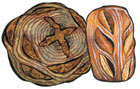 FARM BREAD $8.50 – $14 |
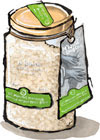 COUSCOUS $12 |
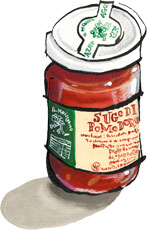 IL MONGETTO TOMATO SAUCE Was $12, now $7.50 |
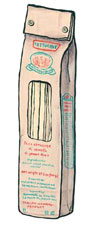 RUSTICHELLA PASTA Was $9, now $5 |
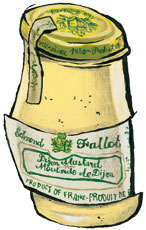 FALLOT DIJON MUSTARD $8.50 |
March 7, 2014
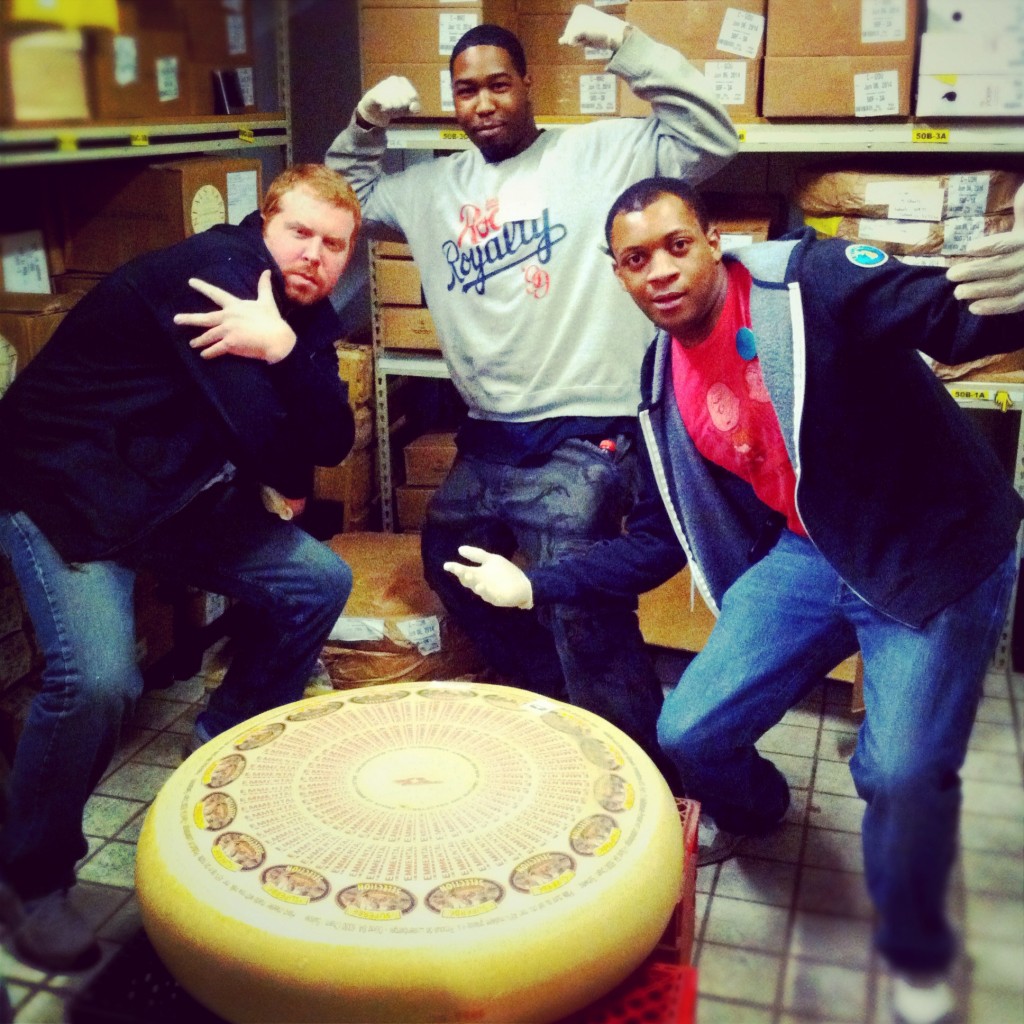
Great gifts for your loved ones
 Gift Boxed Cookies
These handsome presents are ready to give, great for your host and handy for travel.
Six to choose from:
- apricot and currant walnut rugelach
- raspberry and chocolate rugelach
- citrus almond mandelbrot
- chocolate and vanilla bean macaroons
- Hungarian almond kifli cookies
- fancy schmancy holiday cookies (includes pecan butter balls, orange anise shortbread and chocolate cherry chewies)

Cranberry Pecan Bread
Available EVERY DAY in november & December!
When we sample it, there’s a phenomenon of customers who grab a piece as they’re leaving and come back a few minutes later asking “What did I just eat? That’s amazing!” This bread is a magic combination of our San Francisco Sourdough, toasty pecans, and dried New England cranberries.
Available at: Zingerman’s Bakehouse, Zingerman’s Deli, Zingerman’s Roadhouse and at Zingerman’s Mail Order
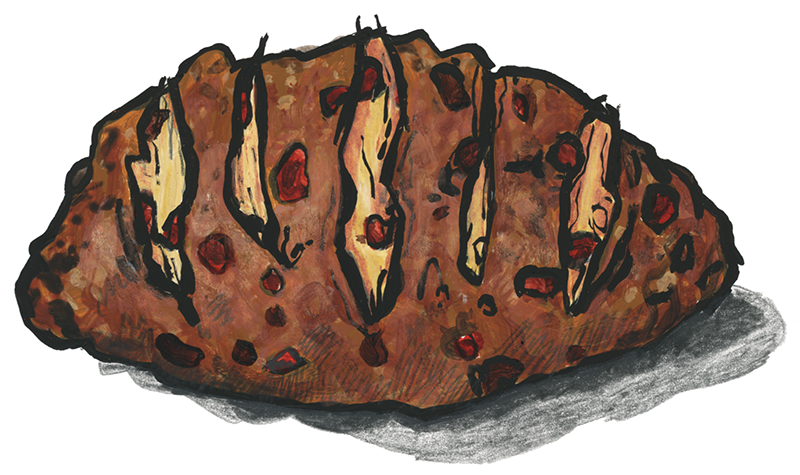
Stollen
A holiday staple at the Bakehouse that seems to get more popular each year we bake it. Stollen is a traditional German holiday bread made with sweet butter, Bacardi rum, candied lemon and orange peel, oranges, Michigan dried cherries, citron, currants, almonds, sultanas, real vanilla and more.
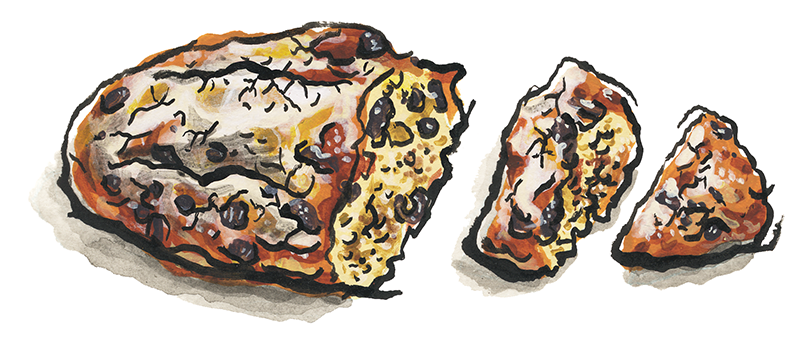
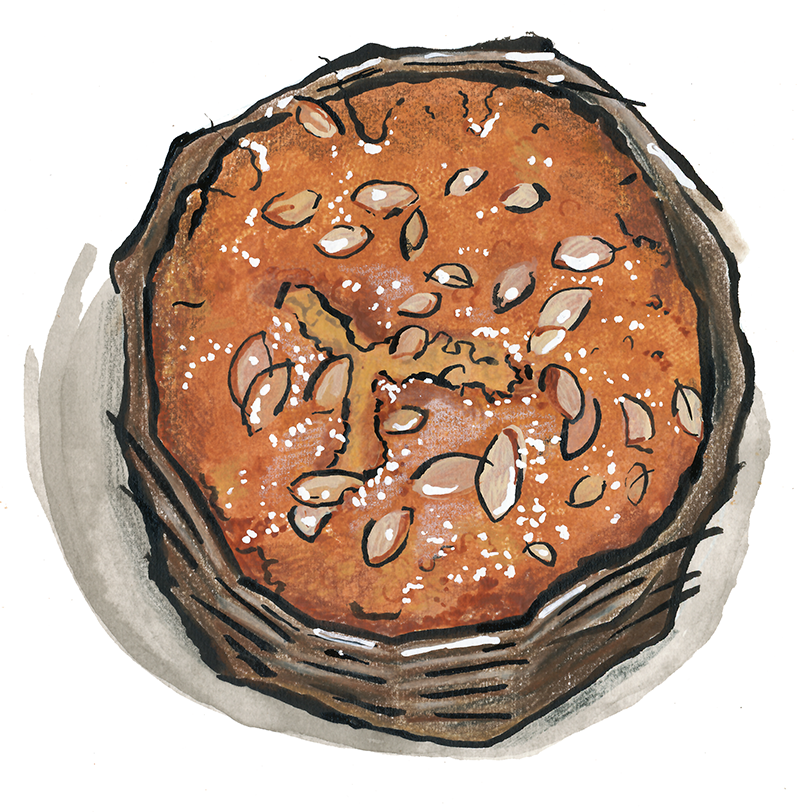 Olive Oil Cake
You might think our butter-laden coffeecakes would be the most luscious cakes we bake, but you’d be mistaken. Extra-virgin olive oil is the fat du jour here and it makes this cake’s texture especially luxurious. Olive oil retains more moisture than butter so it’s soft and silky, like it just came out of the oven, even days after you take it home. Made with toasted almonds, lemon zest—nearly a whole lemon’s worth per cake—and lots of extra-virgin olive oil. It has a great balance of sweet, savory and tangy that lingers long after the last bite.
Give the Gift of BAKE!
Is dad ready to learn how to make his first perfect pie crust? Want your friends to join you for a pizza-making party? Do you want to send mom on a BAKE!®-cation? Give ‘em a BAKE! gift card and let your loved ones pick the class that’s right for them!
Call 734.761.7255 for more information about giving the gift of BAKE!
*From time to time, we share the writing of our friends and co-workers on this site. Today’s guest post comes from the blog of Zingerman’s Mail Order Managing Partner, Mo Frechette. You can read Mo’s blog here.
Why is one tinned tuna better than another?
Take two tins of tuna, one from Ortiz, one typical of the supermarket. One smells like the sweet sea, peels off in thick blond chunks and tastes like a fancy dinner out. The other smells like harbor at low tide, spoons out in pulpy shreds and tastes like saltwater. They came from the same animal living in the same ocean. What happened? Here are five buyer’s guide tips to understand what makes one tinned tuna different from another.
1. How are the tuna fished?
Bonito tuna, a common species for tinning, are not big fish. Most are two feet long and weigh about ten pounds. They’re warm-blooded. Taken together that means any bruising or bleeding affects a large portion of each fish and muddies its flavor. That’s rare with Ortiz’s tuna since they are entirely line-caught, classic fisherman style, one at a time on a rod. It’s more common with netted fish—the most common way to catch tuna, where hundred foot long nets drag the tuna in a thrashing bundle up from the sea.
2. How are they stored at sea?
Tuna are stored in a boat’s hold on ice. A more conscientious captain will freight a lot of ice, enough to surround each fish so they don’t touch one another and cool down quickly. After all, no one knows how long they’ll be at sea or how much they’ll catch and the fish starts to deteriorate the moment it’s caught.
3. What happens after they’re cooked?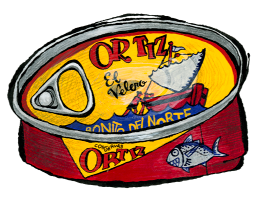
Cooking canned tuna is more or less standardized: the fish is boiled in salted water for a couple hours. But what happens next is not at all the same from factory to factory. At Ortiz the just-cooked fish sits out to cool in the kitchen, then gets time to chill in cold storage. The two steps take hours and hog up space on the floor and in the refrigerators. Not all tuna makers choose to take it. Like most food makers who worry about price more than flavor, they cut time out of the equation. What the extra time and care does, though, is critical. It stops the fish from fermenting. Fermenting can be ruinous—a carbonation that makes the tins unsalable—or it can be mild. Even mild fermentation has a flavor that, to my taste, is a sour tang that runs throughout most tins of cheap tuna and mars its sea-sweet origins.
4. How are they cleaned?
Another act of grace Ortiz commits after cooking is to clean its tuna by hand. This is as labor-intensive as it sounds (if you’ve ever deboned and skinned cooked fish you know what I mean). It’s not at all standard practice in the tuna world. The women—and I can say from my experience visiting that 100% of the cleaners are women—work meticulously with paring knives, scraping and cleaning every bruise, every discoloration, every chance for the flavor to head south, leaving only pristine fish to find their way into the tin.
5. What goes into the tin?
Whole chunks of fish and olive oil. That’s it. No flakes, no water. That’s the way you get great tinned tuna. Shredded smaller pieces deteriorate faster and that will show in the flavor. As for olive oil, well, the American tuna industry has pawned off water-packed tuna as healthier but what they failed to mention was that in losing 20% of the calories we lost 98% of the taste. Water leaches flavor from the fish. Ortiz only packs in olive oil, which amplifies the tuna’s flavor and gives it a silky, rich mouthfeel.
Ortiz Tuna is available from Zingerman’s Mail Order and at the Zingerman’s Deli! Isn’t it time to taste the good stuff?