
Tag: ZINGERMAN’S ROADHOUSE

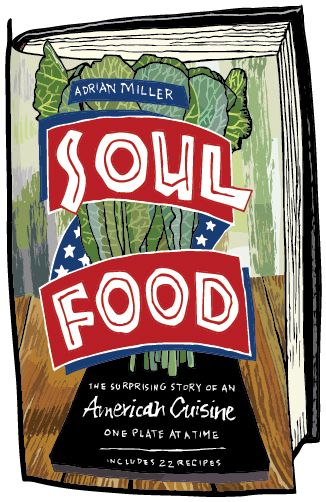 On Tuesday, April 22 at 7pm Zingerman’s Roadhouse will host a very special dinner with Adrian Miller, author of Soul Food: The Surprising Story of An American Cuisine, One Plate at a Time. Chef Alex has created a menu direct from the chapters of Soul Food and Adrian will share his knowledge and the history of the foods we’ll be eating at the dinner.
Ari and Adrian recently chatted about the book:
I loved the book. I think anyone who’s interested in food and history should definitely read it. Can you give folks a sense of what the book covers?
The book is an edible tour of African American history from West Africa to the American West. Since culinary history can be a vast subject, I thought the best way to tell a concise story was by way of an “anatomy of a meal.” I created a representative soul food meal, and I wrote a chapter on every part of the meal and explain what it is, how it got on the soul food plate and what it means for the culture. In most chapters, I include traditional, health-conscious and fancy recipes. One of my main objectives is that people get in the kitchen and cook soul food.
How do you think this historically accurate description of soul food differs from what the average American thinks about it?
In my experience, the average American has maybe heard the words “soul food,” but they really don’t know what it is. For those in the know, they think of something boiled for hours, deep fried or gloriously sweet that ultimately is unhealthy eating. It raises the questions the food writer Donna Pierce asked more than a decade ago: Does soul food need a warning label? Others have adopted the narrative that soul food is the master’s unwanted food or leftovers.
I learned so much from it. If writing is at all you for you like it is for me, I’m guessing you learned a lot too. What are some of the learnings that surprised you during the writing?
Yes, we are kindred spirits, my man! Three big things jump out at me right away. The first surprise is that when I discovered what enslaved African Americans actually ate, the cuisine came close to what we now call “vegan.” They were eating vegetables in season, there was very little meat, and processed foods were a luxury. The second surprise is that, in most situations, master and slave were eating from the same pot. That information completely upends the idea that soul food is slave food. The third surprise is the high-class pedigree of so many soul foods. We tend to think of foods that black people eat as “poverty food” but rich folks were grubbing on it too. Context is important.
You say that the book is a love letter .. . say more about that?
Soul food has such a horrible reputation that I believe it causes people to discount the culinary genius of soul food cooks. I thought it was high time that some celebrated these cooks instead of denigrating them.
What are some of the roots of soul food that go back to African culture and cooking?
Jessica B. Harris has done a lot to show the culinary connections between West Africa and the Americas. In terms of the soul food story, we see similar food habits from West Africa replicated here in what would eventually become the United States. Soul food meals usually involve more fish, more green, leafy vegetables and more seasoning with chillis than the typical American meal.
Greens seem particularly important! Can you say a bit more about them?
West Africans figured out a long time ago that eating green, leafy vegetables were good for you, and that culinary legacy is very strong in soul food cooking. Just as tropical climate bitter greens are consumed in West Africa, temperate climate bitter greens get top billing in soul food circles. The most popular are cabbage, collards, kale, mustard and turnip greens. Now that the mainstream has discovered the nutritional benefits of this food, what used to be called “weeds” when African Americans primarily ate them is now called a “superfood.” When I speak on my book tour, I tell kale lovers “Welcome to the party, black folks have been eating that for at least three centuries.”
Catfish?
As I mentioned earlier, West Africans are big fish eaters. I had no idea that there were species of catfish in West Africa, and that smoked catfish is essential to many stews. Knowing this partly negates the idea that enslaved West Africans arrived to the Americas and were forced to eat completely foreign foods. Now we see that were some things that they would have recognized, thus continuing a West African food tradition in a different part of the world. Anyway, African Americans remain big fish eaters to this day, and catfish is the connoisseur’s choice.
To be clear the life of enslaved people was very, very difficult. Can you talk more about it and what it meant for people’s cooking and eating?
Yes, the difficulty for most enslaved people was getting enough food to eat that was edible. Enslaved people were given, on average, a weekly ration of 5 pounds of cornmeal (or some other starch), a couple of pounds of meat that was dried, salted or smoked and a jug of molasses. That’s it. Thus, the enslaved had to figure out how to supplement their diet by fishing, foraging, gardening and hunting outside of the sunup-to-sundown work schedule. They managed successful strategies to survive, but persistent hunger is a consistent theme in slave narratives.
What about mac and cheese – how that get in there?
Yes, another surprise because there’s not a lot of dairy in soul food and this is clearly an Italian dish. Though, I must tell you that there are several older African Americans who believe that white people “stole” this dish from us just like they did rock ‘n’ roll. Mac ‘n’ cheese gets onto the soul food plate by way of the African Americans who cooked in the Big House. Mac ‘n’ cheese was royalty food as far back as the 1300s and remained a prestige dish for centuries, ultimately making its way to the American South. When the plantation owners entertained with mac ‘n’ cheese, it was the enslaved cooks who often made the dish. After Emancipation, it became a popular item for Sunday meals and special occasions.
And it sounds like it’s a similar story with pound cake and peach cobbler?
It is! These desserts are made from ingredients—white flour, white sugar, whole milk–of which enslaved cooks had little access. In the antebellum South, cakes, cobblers and pies were dishes that appeared on African American tables only on the weekends and on special occasions. Just like other high-end dishes, enslaved African Americans were often the ones tasked to do the cooking.
This is your third trip to the Roadhouse to do one of these special dinners. Excited to be coming back?
Definitely! I had such a great time when I did my “Black Chefs in the White House” event on the night of President Obama’s first inauguration. It was a lively crowd, and it just an enjoyable evening. The same was true when I did the tribute to street vendors. On each occasion, Chef Alex “put his foot in it” so the food was wonderful.
Some of your research was done here at the Longone collection at U of M on your trips to Ann Arbor. How was that experience?
The Longone collection is such an incredible resource! For a researching geek like me, it’s akin to going to Disneyland with an E ticket—you can go on any ride through history with the rare cookbooks in that collections. It helped me connect some dots in my research.
How did the Great Migration impact African American cooking?
I firmly believe that the movement of people from the American South to other parts of the country is the key part of the soul food story, more so than the migration from West Africa. Soul food is really the cuisine of migrants who left a particular part of the South (the Deep South) and tried to recreate home—just as other migrants do. They tried to procure, cook and eat the familiar foods of the South, but when they couldn’t they made substitutions and also picked up a few things from their foreign neighbors. Soul food, at its core, is really a limited repertoire of southern cuisine that draws heavily on the celebration foods of the South.
Your family went west rather than to the north. Can you give us a bit of your personal history?
I’m born and raised in the Denver, Colorado area. This information immediately loses me street cred in soul food circles. I win most of them back by sharing that my mother is from Chattanooga, Tennessee and my father is from Helena, Arkansas. My mother followed an older sister to Denver and my father was in the military and came out here because of the Air Force base. They met in church in the late 1960s, and that union brought me into the world. Because I had southern-born parents who embraced the region’s food rather than distancing themselves, I grew up eating soul food.
In reading the book it struck me that nearly every single item you described is either a regular on the Roadhouse menu or appears fairly often as a special. I realized we actually have a darned good soul food restaurant on our hands!!
Ha! That’s good to know. I believe that if soul food is to survive, it has become accessible. That means people who are not African American need to feel comfortable making and eating this cuisine at home and in restaurants. Some African Americans will have to let go of the notion that white people can’t cook in general, and in particular with this cuisine. I heard that a lot in interviews! Accessibility explains the profound popularity of other ethnic cuisines like Chinese, Italian and Mexican (really Tex-Mex). Much like African Americans, these ethnic groups were at the margins but their food became socially acceptable.
You and I have known each other ten years ever since we met at the Southern Foodways Alliance symposium. We’re both big believers in the work of the organization. Can you tell folks a bit about it?
I love the Southern Foodways Alliance! Not only because it celebrates the diverse food cultures of the South, but also because it creates a space for very different people to connect through food. It shows that if we just took a moment to learn more about what we cook and eat, we’ll see that we have a lot more in common than what supposedly divides us.
The weekend of May 31 and June 1 we have our 5th annual Camp Bacon which is a fundraiser for SFA. Maybe you should come back for it?
I would love that! Dig this, I never went to camp when I was a kid. It would be awesome to go to a really fun camp when I’m an adult!
What else would you like us to know about Soul Food the book, or the food?
I want people to understand that soul food deserves much more appreciation that it currently gets. Soul food doesn’t need a warning label…it needs more love. African American cooks belong to a very rich culinary tradition, and I hope that my work is an appetizer for more investigation into this unique heritage.
![ari's-signature-[Converted]](https://www.zingermanscommunity.com/app/uploads/2013/08/aris-signature-Converted.png)
Tag: ZINGERMAN’S ROADHOUSE
enjoy an inspiring breakfast with zingerman’s co-founder Ari Weinzweig

Please join us this coming Friday, April 4, 730am-9am, at the Zingerman’s Roadhouse for a very special breakfast.
Ari will discuss his latest book, Part 3 of the Zingerman’s Guide to Good Leading series, A Lapsed Anarchist’s Approach to Managing Ourselves. The latest book continues to share the “secrets” that have helped take Zingerman’s from a 25-seat, 4-person start up to a nationally known, $49,000,000-organization employing over 600 people. The book includes Secrets #30-39, and explores our belief that some of the most important work we do to build great organizations and lead rewarding lives is the work we need to do inside. The book includes essays on our approach to managing ourselves, mindfulness, leadership at the four levels of organizational growth, personal visioning, why the way the leader thinks will be manifested in the way the organization runs, creating a creative organization and more.
You’ll also hear from Zingerman’s staff, we’ll be inviting employees from around the organization to engage Ari in a dialogue about Zingerman’s, building the business, being part of this organization and how you can apply Zingerman’s approaches to help strengthen your organization. Don’t miss it!
Event is from 8:00 am to 9:00 am, Breakfast served at 7:30 am.
$20 for breakfast or $45 for breakfast and a copy of Zingerman’s Guide to Good Leading, Part 3: A Lapsed Anarchist’s Approach to Managing Ourselves
RESERVE A SEAT AND ORDER THE BOOK
Tag: ZINGERMAN’S ROADHOUSE
Menu
Amuse Bouche
Irish cheddar and Green Tomato Chutney
First Course
Mark’s Green Salad and Potato Onion Cheese Tart
Bread
Zingerman’s Bakehouse Brown and White Soda Bread
Soup
White Carrot, Orange Carrot Mint Soup with Blood Orange and Mint Garnish
Entree Choice
Braised Lamb Shanks with Garlic, Rosemary and Flageolet Beans
Roasted Skate with Homemade Mayonnaise
Sides
Roasted Potatoes and Curried Parsnips
Dessert
Sticky Toffee Pudding with Irish Whiskey Sauce
The Roadhouse whips up an amazing Irish Dinner
Please join us this coming Tuesday, March 18th at 7pm at Zingerman’s Roadhouse for a delicious excursion into traditional Irish cuisine at the Ballymaloe Cookery School Dinner.
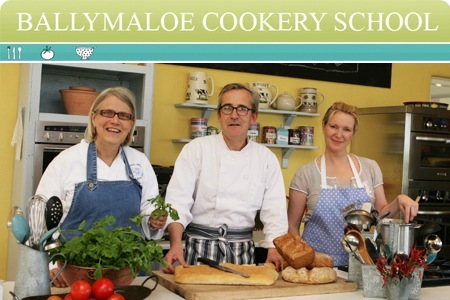
The Roadhouse welcomes one of our own back to the states with this very special dinner. Longtime roadie Caitlin Doyle just returned from spending three months at the Ballymaloe Cookery School in Shanagarry in East Cork, Ireland, spending time in the kitchen and the cookery schools 100-acre organic farm. Caitlin will join Chef Alex in the kitchen to prepare an authentic Irish meal and will join us at the dinner to share stories of her time abroad.
Tag: ZINGERMAN’S ROADHOUSE
Ari remembers our friend, Laurey Masterton.
I first met Laurey Masterton when she came to ZingTrain, probably fifteen years ago. From the beginning it was clear that she was a special person, her energy and her drive to make a difference were such positive forces in the world. Over the years Laurey came back many times, to write a long term vision, to learn about Servant Leadership, to find out more about Open Book Management. Any time I met someone from Asheville, I would mention her and get a big smile in return—it seemed like everyone in the town loved Laurey. Whether it was with her business, in supporting cancer research, helping her staff members, contributing to the community, Laurey was intent on using her gentle presence to make a positive difference. In the process she took on, and beat back, her own cancer many times. Her most recent cause was honey and bees—as bees have become endangered due to disease and ecological issues, Laurey took them on as another of her causes. She became so inspired that she wrote a book about them. And it was the release of that book last fall that triggered our plans to host Laurey here at Zingerman’s for a couple of honey-centric events.
Five days before she was due to arrive in Ann Arbor, I got an email from Adam Thome, long time manager at Laurey’s, that she wasn’t feeling well and that it probably wouldn’t be a good idea for her travel. We decided to go ahead with dinner at Zingerman’s Roadhouse anyway. Laurey’s slogan for all these years has been “Don’t Postpone Joy!” Given that, it seemed silly not to proceed apace, as I’m sure she would have wanted. Two days before the dinner I found out that Laurey was in hospice. The next morning she was gone. Her departure is a loss for the Asheville community, her customers, staff, family, and many others around the world who were impacted by her positive presence. To really understand what Laurey did for her community and how cherished a person she was there, take a look at any her Facebook page, her business page, and the Laurey’s Catering website. She will be missed.
If you’d like to make a donation in Laurey’s honor, consider the Save the Honeybee Foundation or the Honeybee Preservation Foundation.
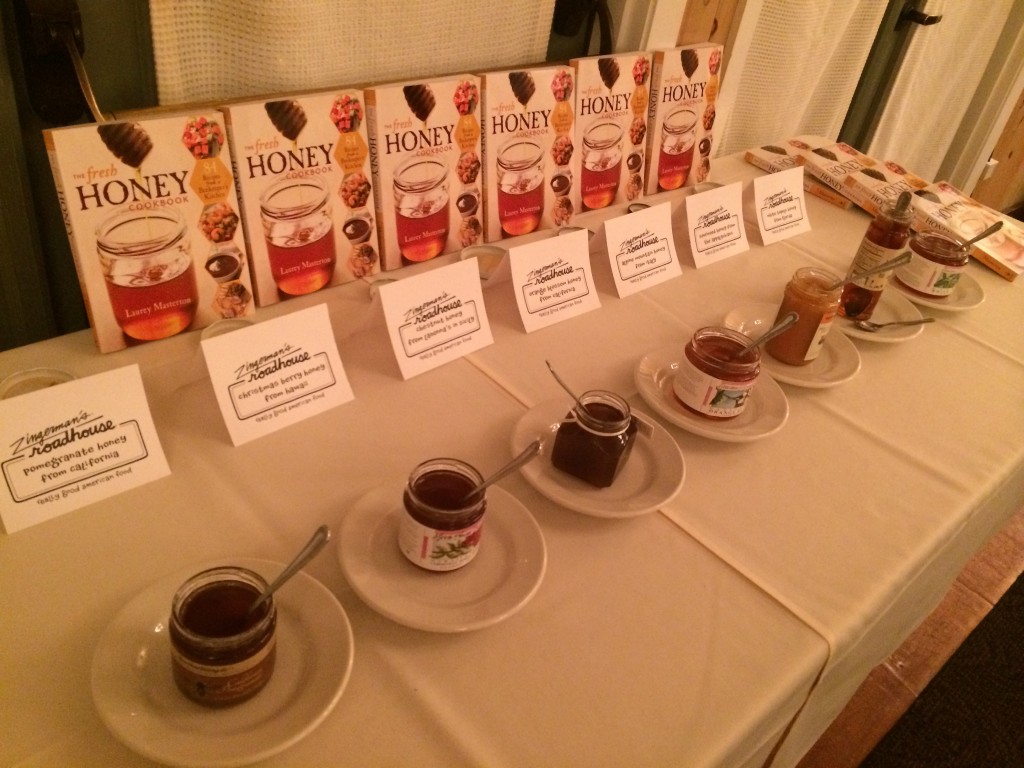
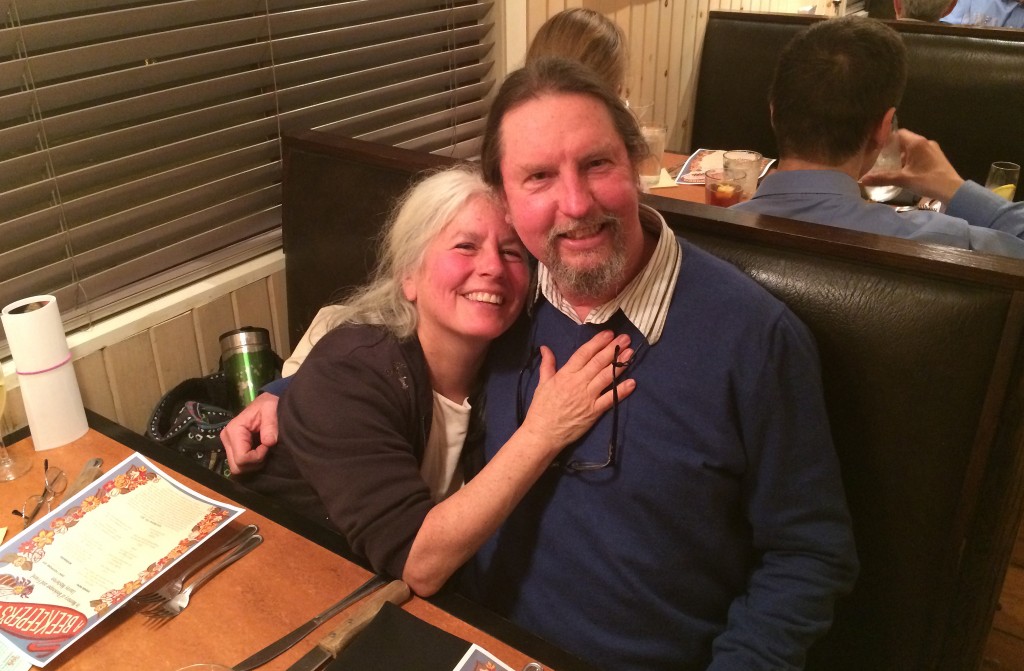
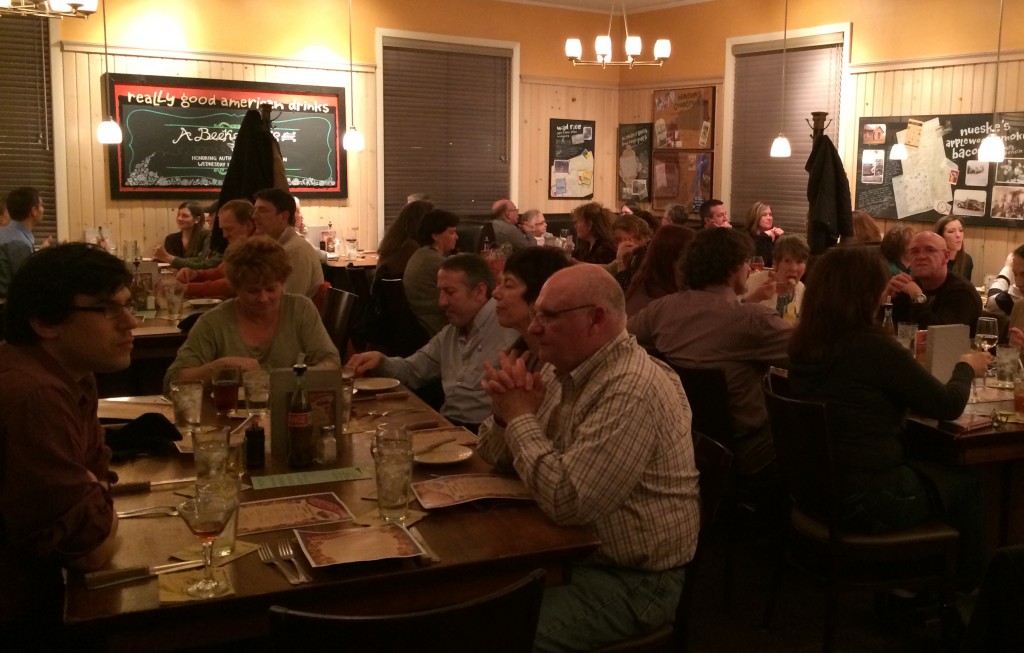
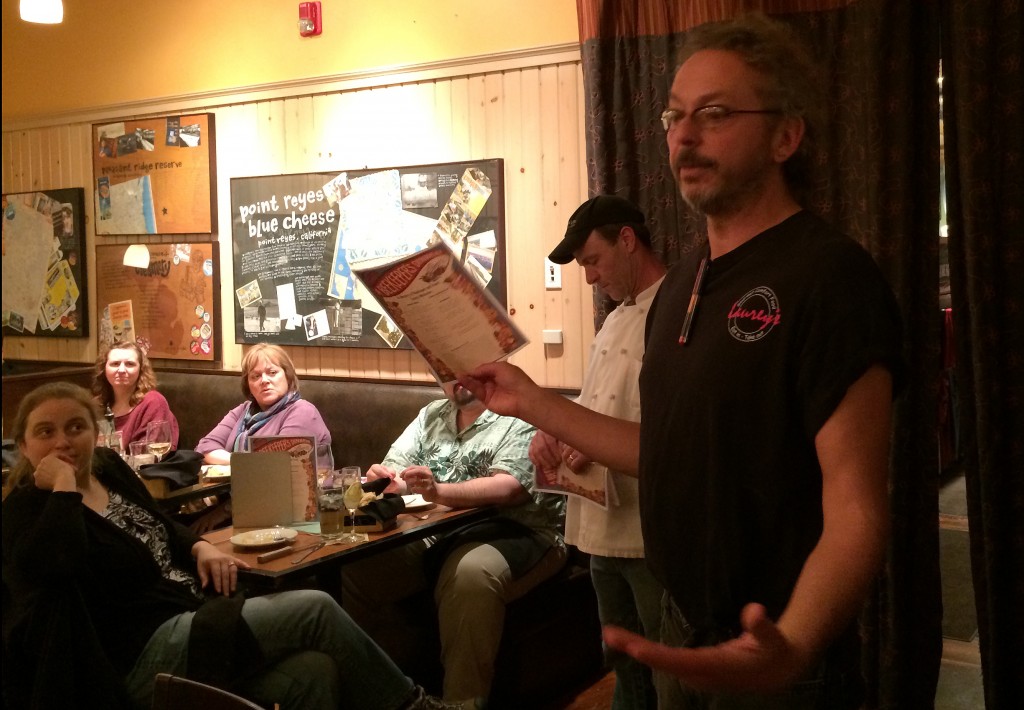
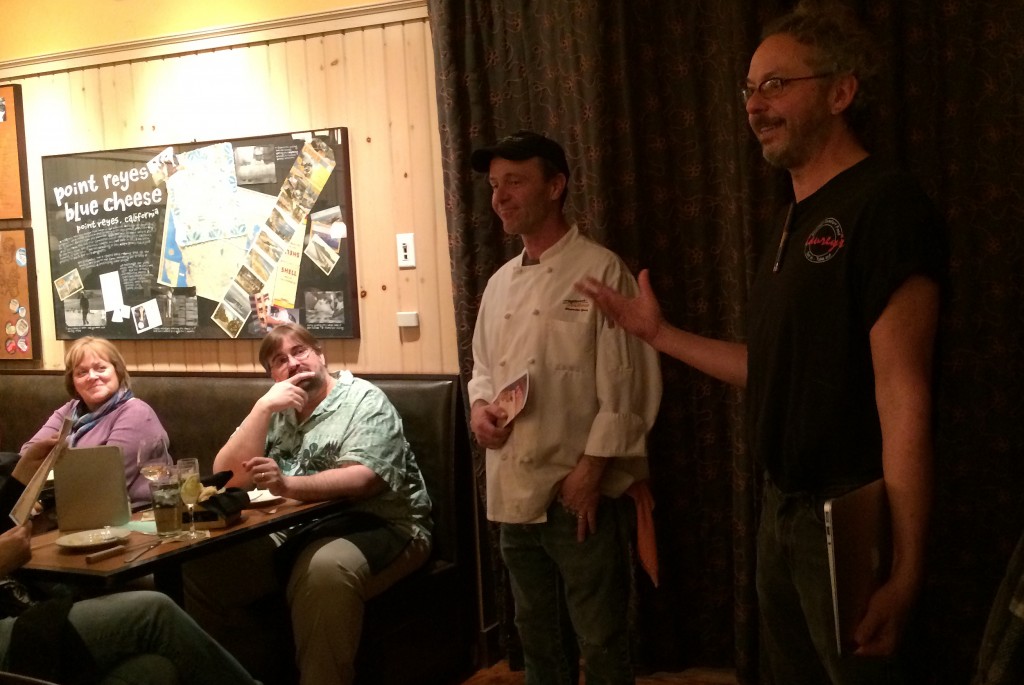
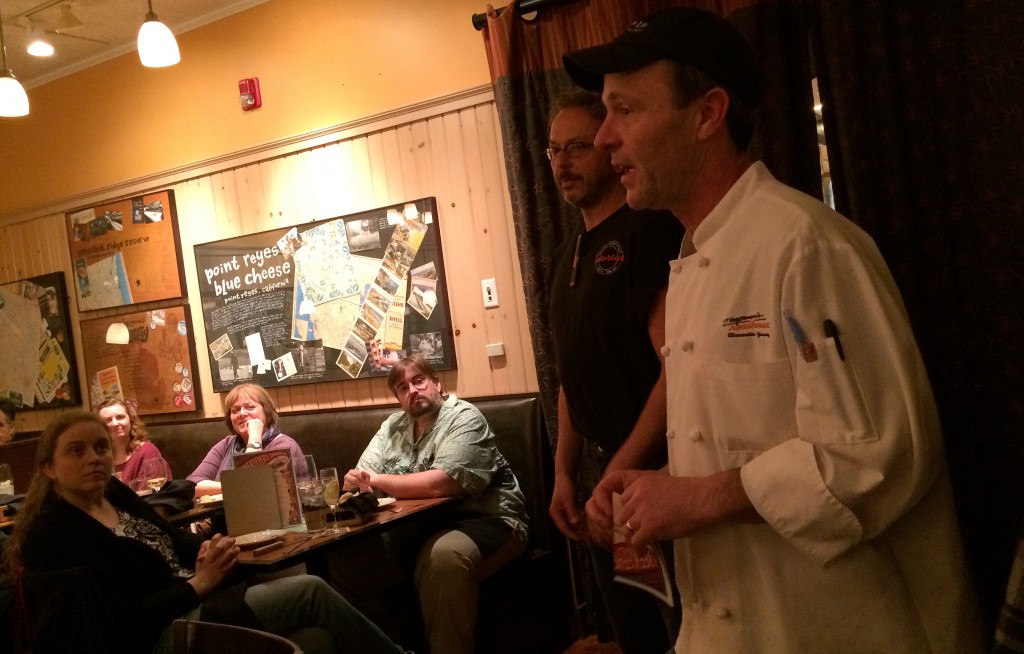
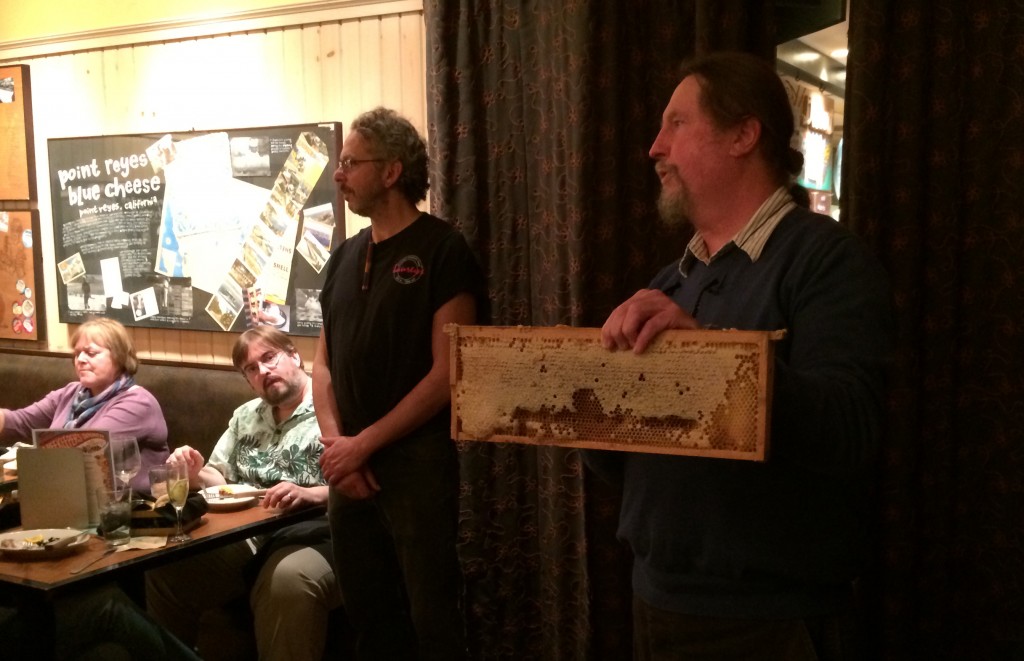
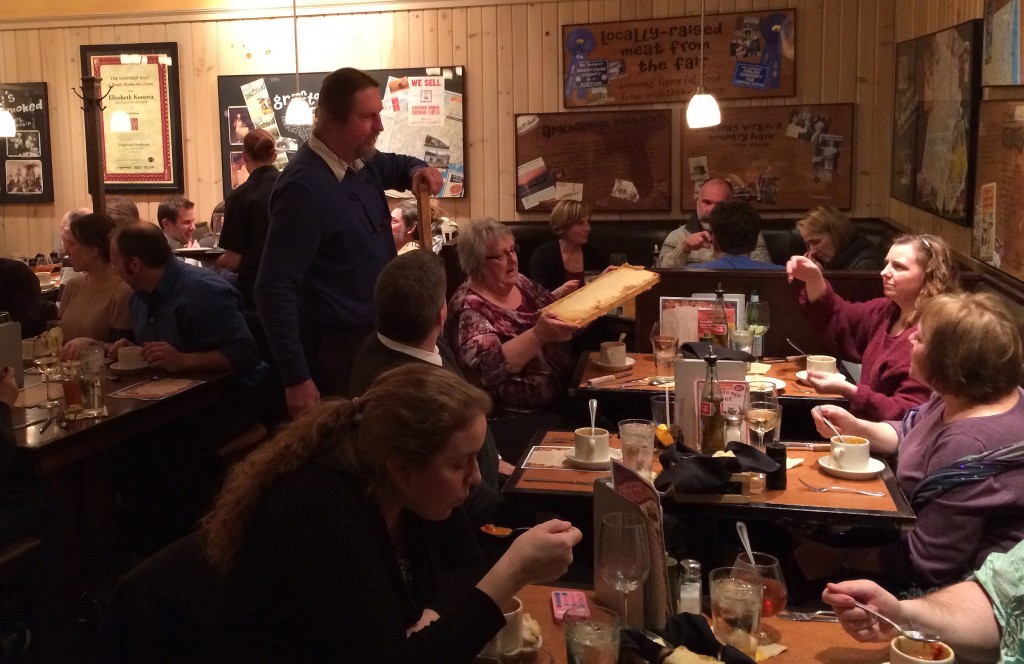
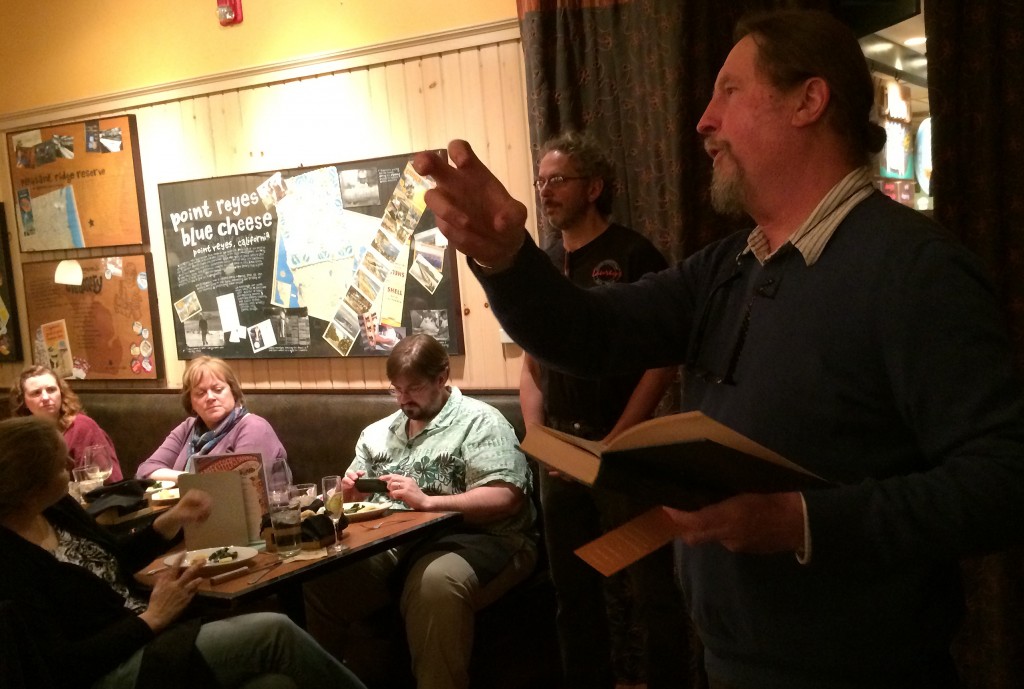
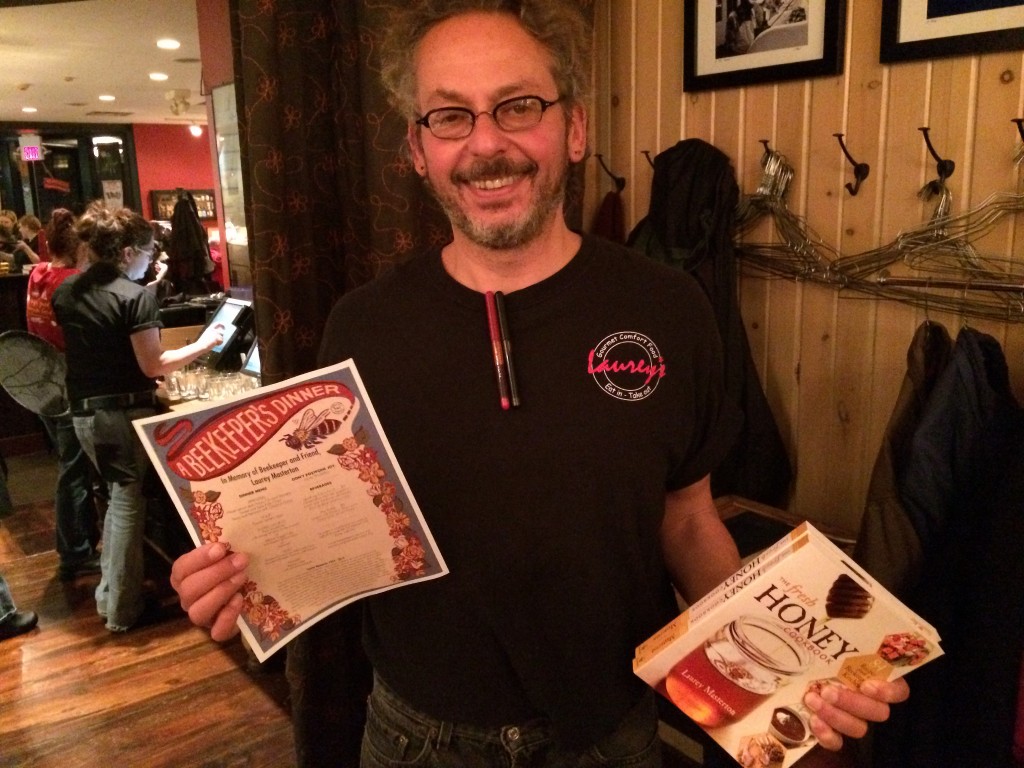
Here are some photos from the Beekeepers Dinner held at Zingerman’s Roadhouse
Interested in learning more?
- Community Farms page.
- National Honey Board.
- Michigan Beekeepers Association.
- Southeastern Michigan Beekeepers Association.
- US Beekeeping Associations list.
Tag: ZINGERMAN’S ROADHOUSE
A Beekeeper’s Dinner Featuring Author Laurey Masterton
Join us Wednesday, February 19, 7pm as we welcome Chef and spokesperson for The National Honey Board, Laurey Masterton, author of The Fresh Honey Cookbook, to Zingerman’s Roadhouse. We’ll be tasting different honey varietals, honey from different regions and of course, using honey to prepare many of Laurey’s vibrant recipes and delivering amazing dishes to the table.
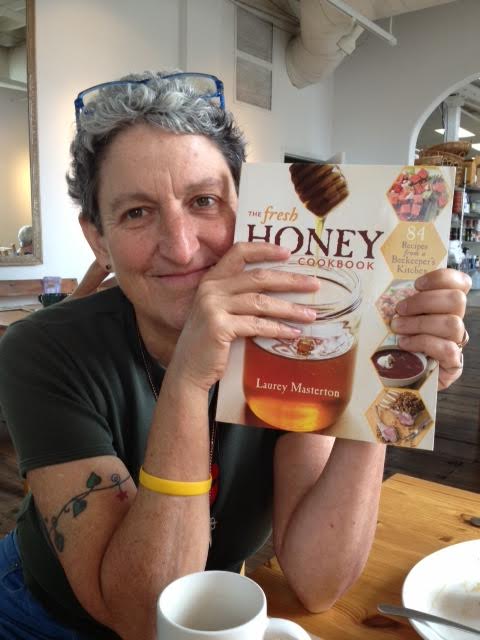
- She grew up in Vermont. Her parents were innkeepers and often cooked dinners for up to 45 people, including inn guests. Laurey attended her first such dinner at age 16 months. She wrote a memoir looking back at this time called Elsie’s Biscuits: Simple Stories of Me, My Mother, and Food. This is where she developed her love of good food.
- While in college, Laurey discovered the theater department and after graduation, she embarked on a 10-year career as a Theatrical Lighting Designer for various theater productions in New York City. She left New York to become an instructor for Outward Bound Asheville, NC.
- She quickly realized that Outward Bound was not her calling and, at the suggestion of her sister, started a catering business in 1987. The business soon expanded to include a cafe and in 1990, she moved Laurey’s Catering and Comfort Café into downtown Asheville as a part of a wave of city renewal.
- Faced with the frustrations of being a small-business owner, Laurey says she was on the verge of quitting when she decided to retool. She credits the Zingerman’s Experience seminar at ZingTrain with helping her develop a new vision for the business, and turning things around.
- Laurey is an avid bike-rider, and often participates in benefit rides for various non-profit organizations. She is s three-time cancer survivor and has trekked across the Continental US (3100 miles!) to raise research money and awareness for ovarian cancer. She works with the LiveStrong Foundation to help with support, counseling and assistance for cancer survivors.
- She became interested in honeybees while catering an event with Project Honey Bee. She went to beekeepers school, began raising bees, and even did a TED Talk on the subject of bees. A strong advocate for raising awareness of the integral part that bees play in our ecosystem, she has written a cookbook called, The Fresh Honey Cookbook, featuring a chapter each on 12 different honey varietals. The book is full of recipes, and interesting information about bees, pollination, and honey. She currently serves as spokesperson for the National Honey Board.
- Laurey likes to improve on recipes calling for sugar by using an interesting honey varietal. Her favorites are: avocado, sourwood, poplar, tupelo, and chestnut.
Tag: ZINGERMAN’S ROADHOUSE
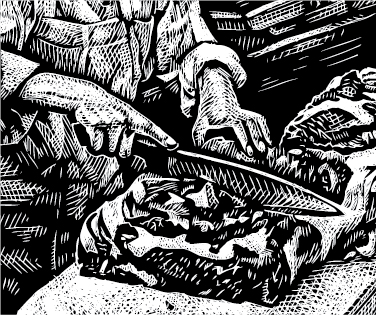 Ari talks meat with Joel at Zingerman’s Roadhouse
Ari: How did you get so enamored of butchery?
Joel: One of my very first jobs was at a little market in Chelsea, Michigan. It’s not there any more. But I loved it so much. I never, ever, ever was like “I have to go to work.” It was a butcher shop. They had some produce and some dry goods and stuff. It’d been there forever. We had great relationships with customers. There were all these regulars that came in all the time. It was like a conversation that continued for years.
A: So you’ve been around meat for a long time?
J: Yeah. I’m a meatasaurus. I probably eat more meat than I should. But I love it. I brought this in for you to look at. [Hands Ari a book.] It’s called The Hotel Butcher and Garde Manger and Carver; Suggestions for the Buying, Handling, Sale and Service of Meats, Poultry and Fish for Hotels, Restaurants, Clubs and Institutions. “An expression of the practical experience of one who has spent thirty years in all branches of kitchen, pantry and storeroom work; also as steward and buyer.” It’s from 1935. I love this book.
A: What do you think about the beef at the Roadhouse?
J: The meats are fantastic here. All of the steers we’re buying are out in the pasture the whole time. No feedlot beef. I think that we’re so incredibly fortunate to get the beef that we get in. Our meat supplier says that he hasn’t had beef this good come in this regularly ever. One of our family farmers goes out to 20 something farms and hand selects the animals. And he loads them up and works with them in the field. Making sure that the fields are being rotated properly. He does meticulous beautiful work. Better treatment of the animals too. I went down there and it was very refreshing to see that it was exactly what I was hoping for. I got to meet all the people who do the slaughtering. The holding pen lets them chill out and be comfortable for their last few days. When I visited they made sure that we were very quiet—even talking about them, they wanted us to move fifty yards away. They want them to be relaxed and not stressed out. Plus, we have 6 to 8 steer a year are coming off our own Cornman Farms in Dexter. It’s raised by us on Island Lake Road. Some of it comes to the farm from 4H auctions and we finish them the last 4-6 months in our fields.
A: What makes the difference between this beef and what other restaurants are serving?
J: Our dry aging program is pretty neat. It’s certainly a more expensive way to prepare and serve beef but the flavor’s well worth it. The dry aging . . . I like to use the analogy of cooking stock down to concentrate its flavor.
A: I often compare it to aging cheese. Does that make sense?
J: Yeah. The more moisture is lost the more you concentrate the flavors. We age the beef for burgers for two weeks. The flavors are already concentrated. With the steaks we continue to age up to about four weeks. I like ‘em a bit older even. But this is a good place to be.
A: And we’re only buying whole animals right?
J: Yeah, all the beef that goes onto the Zingerman’s Roadhouse menu is butchered in the back off the side. We don’t really buy boxed (pre-cut) beef the way most restaurants do. We’re one of the only places that’s buying whole animals. We work with the whole side of beef. We have a whole cooler for the aging. It could be bigger though! We’re serving so much.
A: Given the variability of the food business it can’t be that easy to manage the supply?
J: One of the trickiest parts of my job is to maintain a steady flow of meat. We use almost two steers worth in a week. We have to have burgers and barbecue all the time. So we have to manage the menu for all the other cuts. It’s kind of like a chess match.
A: What does the aging process do for the meat?
J: In the beginning the sides lose one pound or so of water a day. At that stage they’re about 700-800 pounds. The first week to ten days is when you’re losing the most. So by the time we get the beef, it’s been aged two weeks and it might have already lost nearly twenty pounds of weight. And then it keeps losing weight as we age it longer. After you’ve aged an animal the surface has to be cut off. So you lose that too.
A: What do you like about cutting meat?
J: It’s an art form for me. I really enjoy making things. I really enjoy taking something big, a side of beef that’s one big piece and then making all these beautiful steaks and cuts of meat out of it. I have a lot of fond memories of cutting meat from my first job at that market. It’s something that for me is comforting. I also really enjoy the logic puzzle that you have to be able to piece together what cuts to use in order to manage the menu and not have any waste.
A: So with all that work can you really taste the difference?
J: You really can taste the beef. You take a nibble of this and twenty minutes later you’re still tasting really good flavors. The burger is also a very tricky thing. There’s a certain amount that you need to have every day. We only have x amount of animal. You have to be creative and understand what the different parts of the beef will do. I make a blend of the different cuts. It’s got great flavor. And then we cook over oak on the grill.
A: Anything else you want us to know?
J: To be able to use a whole animal this way is pretty neat. Most places they’re getting in boxes of beef and putting it through the grinder. It’s not very traditional. The box beef came in in the late 70s. The craft that is butchery is a dying art now. It’s so neat to be a part of place that nurtures that tradition and encourages it. That makes it not just a thing of the past. There’s maybe three hundred people in the state that can break a steer down. People think meat just mysteriously shows up in the store. But people work hard for it. I’m just grateful to be in a spot where I can do this kind of work with this quality of meat.
A: I think it’s almost a little floral. Does that sound right?
J: Yeah, absolutely. It is quite a bit of difference. The average meat that you buy at the supermarket is a “wet age” where they’ll take the animal right to the cutting room floor. They have a team of folks that are systematically breaking the animals down and the meat goes right into the plastic cryovac seal. It will “age” there. There are a number of studies that show that in the plastic the beef can gain tenderness, but you don’t gain any flavor. In fact sometimes you get some off flavor from the plastic. But you’re not losing the water you do with dry-aging the way we do it. So the cost is lower. You’re taking a 776 pounds of steer and you’re selling it in 776 pounds of product. They sell the bones too.
A: What about the burger?
J: We grind it every day. It’s always freshly ground. And we do all our patties by hand—most places force the meat out through into the patty shape. But that breaks down the fats and the texture. We grind it a bit coarser so you have to chew the meat and get the full flavor. We have a recipe, but it’s not a science. It’s a craft. We use the trimmings from the steaks. One batch of burger is 11 pounds of which 2-3 are aged steak trimming. It’s more flavorful meat at that point. We want to keep the aged flavor but in a burger we don’t want it take over the flavor completely.
Stop by the Roadhouse and taste it for yourself!