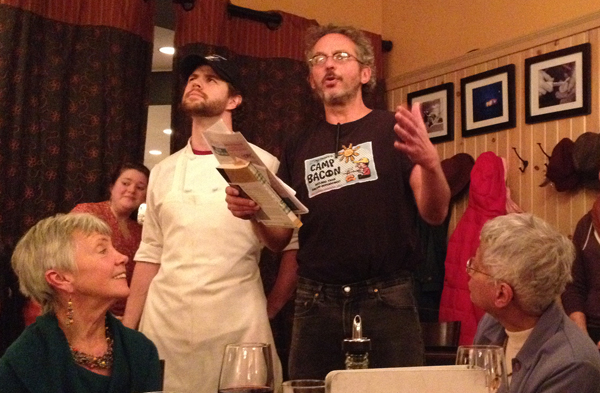
This past Wednesday, Zingerman’s Roadhouse was honored to host the 9th Annual African American Dinner. The event was a benefit for the African American Cultural and Historical Museum of Washtenaw County. The AACHM was established in 1993 to research, collect, preserve and exhibit cultural and historical materials about the life and work of Black Americans in Washtenaw County.
The menu for the dinner was comprised of dishes that are part of the traditional African American food pantheon, and reflect the wide and varied origins of these foods. Ari described the origins of these staples, both from the new world, as well as Africa and Asia. For more about the foods served at the dinner, check out Ari’s description of the menu.
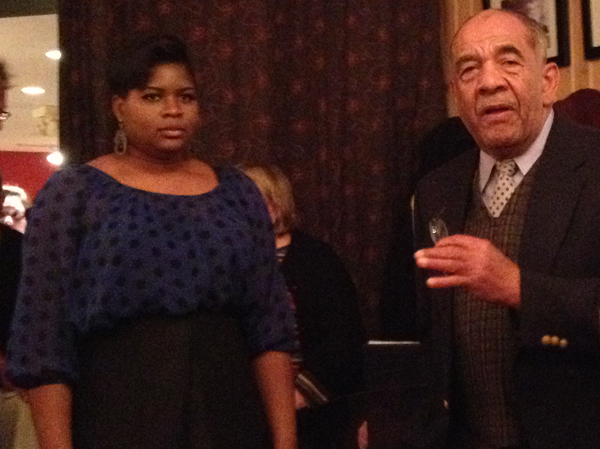
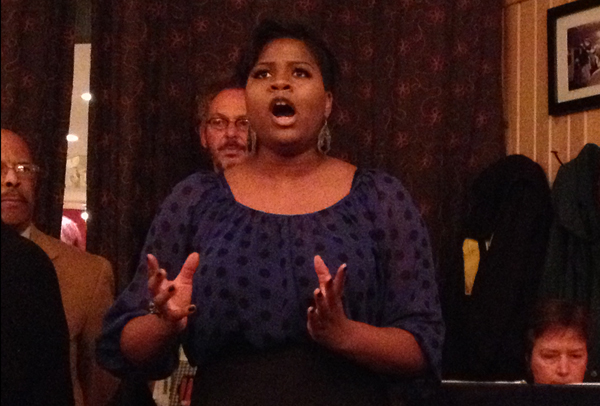
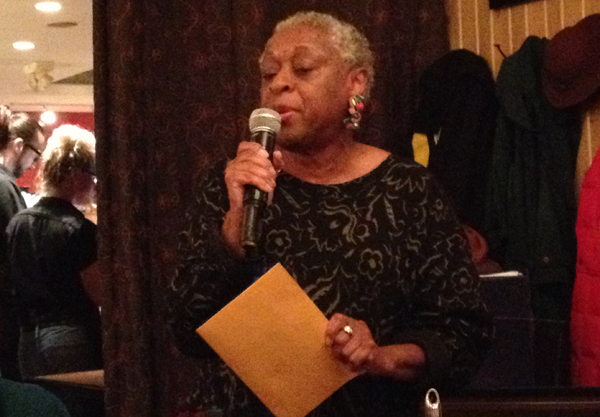
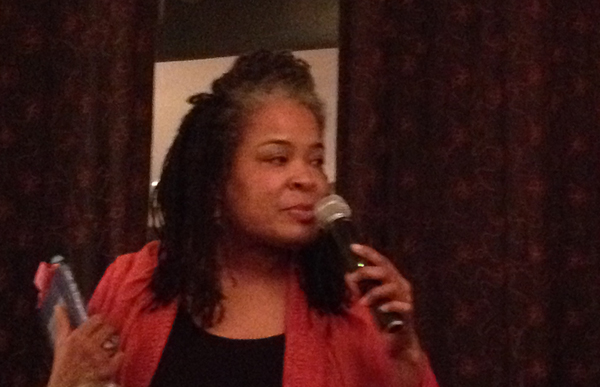
Dr. Patterson introduced Kiera Turner, who sung a traditional spiritual titled, “I Talked to God Last Night.” The spiritual, said Dr. Patterson, served as a fitting benediction before the meal.
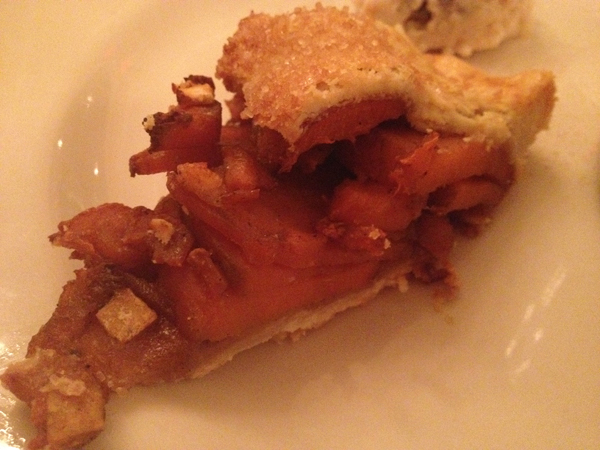
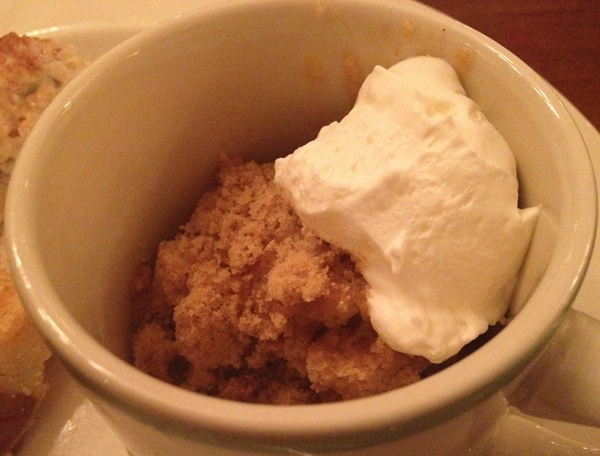
After a sumptuous feast of heart, traditional foods, we were treated to an array of desserts. Interestingly, the historic sweet potato pie recipe called for the filling to made with sliced, rather than mashed, sweet potatoes, in the same manner as an apple pie! We also tasted thick rice pudding, and a wonderful peach cobbler.
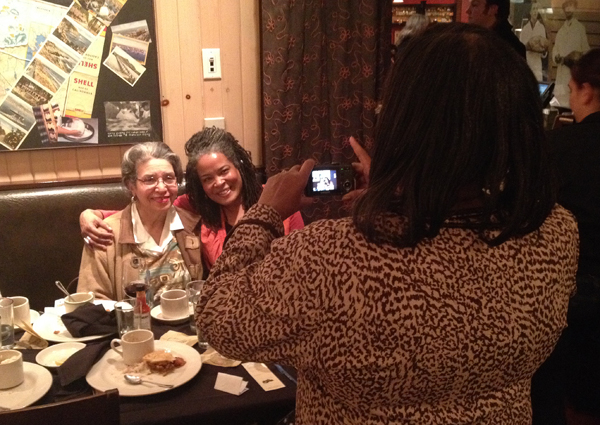
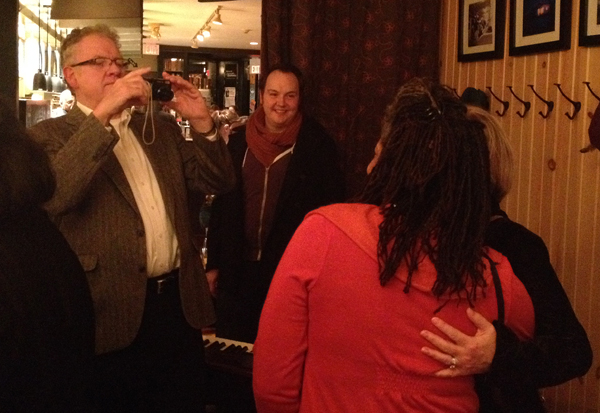
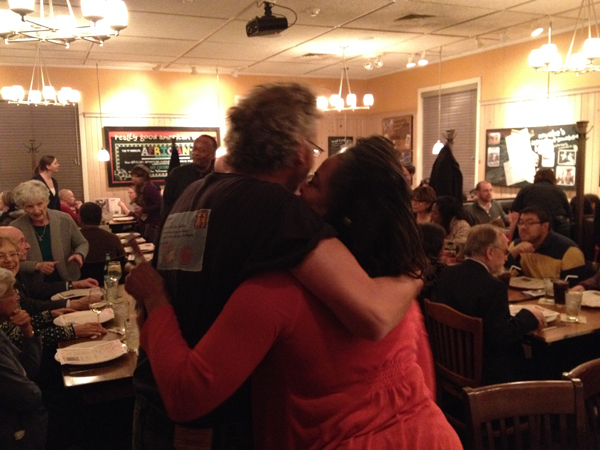
Like all good meals, it was a time for greeting old friends and meeting new people.
And, of course, for lots of photos to revisit the dinner later on.
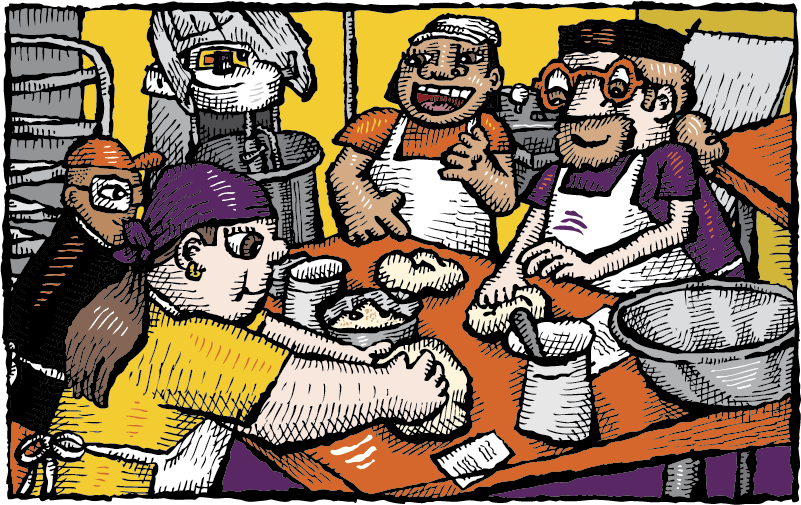
BAKE! is our hands-on teaching bakery in Ann Arbor. At BAKE! we share our knowledge and love of baking with the home baker community, seeking to preserve baking traditions and inspire new ones. We offer dozens of different bread, pastry and cake classes in our very own teaching kitchens.
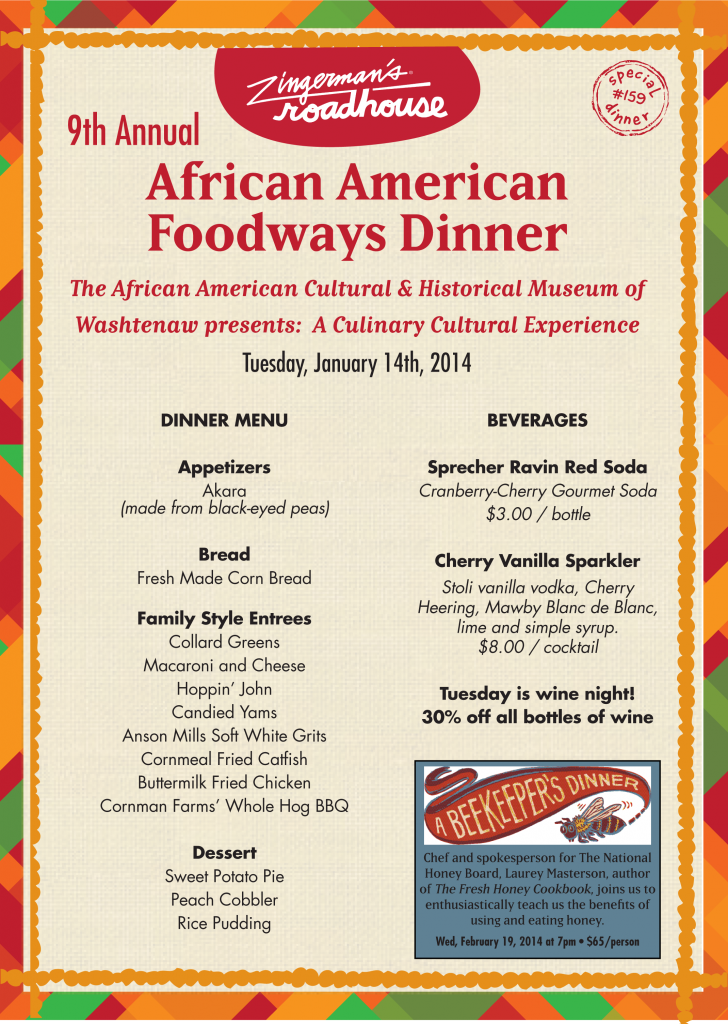
Tuesday January 14, 7:00pm Zingerman’s Roadhouse
The African American Cultural & Historical Museum of Washtenaw County presents: A Culinary Cultural Experience
Our community is rich with African American culture, history and knowledge and at our 9th Annual African American Dinner we will celebrate the African American Cultural and Historical Museum of Washtenaw County. The AACHM was established in 1993 to research, collect, preserve and exhibit cultural and historical materials about the life and work of Black Americans in Washtenaw County.
From recently filmed Living Oral History interviews, to the Underground Railroad Tour, discover what local African-Americans witnessed, experienced, and contributed to building the community we share today. Chef Alex has created a menu highlighting the journey of seven of our families, sharing their history through food.
Thursday, January 17, 7:30am-9am Zingerman’s Roadhouse
Breakfast served at 7:30 am, Event is from 8:00 am to 9:00 am.
Zingerman’s Guide to Good Leading, Part 3, A Lapsed Anarchist’s Approach to Managing Ourselves includes Secrets #30-39 and will explore our belief that some of the most important work we do to build great organizations and lead rewarding lives is the work we need to do inside. The book includes essays on our approach to managing ourselves, mindfulness, leadership at the four levels of organizational growth, personal visioning, why the way the leader thinks will be manifested in the way the organization runs, creating a creative organization and more. You’ll also hear from Zingerman’s staff, we’ll be inviting employees from around the organization to engage Ari in a dialogue about Zingerman’s, building the business, being part of this organization and how you can apply Zingerman’s approaches to help strengthen your organization.
Get the most out of your home espresso machine. Learn more about what goes into making a café- quality espresso. We will start with an overview of the “4 Ms” of making espresso, followed by tasting, demonstrations and some hands-on practice. We will also cover some machine maintenance basics as time allows. This is a very interactive workshop and seating is limited to six people.
Did you know that cheese is made in Minnesota, Iowa, the Dakotas, Colorado, Oklahoma and Missouri Come taste some of the best cheese being made in the U.S. from the most unlikely places. We will taste 7 great American cheeses that you are unlikely to find anywhere else.
For over thirty years, the folks at American Spoon in Petoskey, have elevated preserves beyond the supermarket variety that sits for months on the refrigerator door. Noah and his family use only fresh fruit and craft their preserves by hand to preserve the maximum amount of flavor from early glow strawberries, damson plums, sour cherries and more. Spend a cozy winter evening with Noah to hear the American Spoon story and taste the spreads that have made American Spoon a Michigan icon.
A sample flight of bourbon hand-picked by our very own in-house aficionados, paired with chocolate and confections made by Joan Coukos of Chocolat Moderne. The perfect complement to a dinner with your sweetheart.
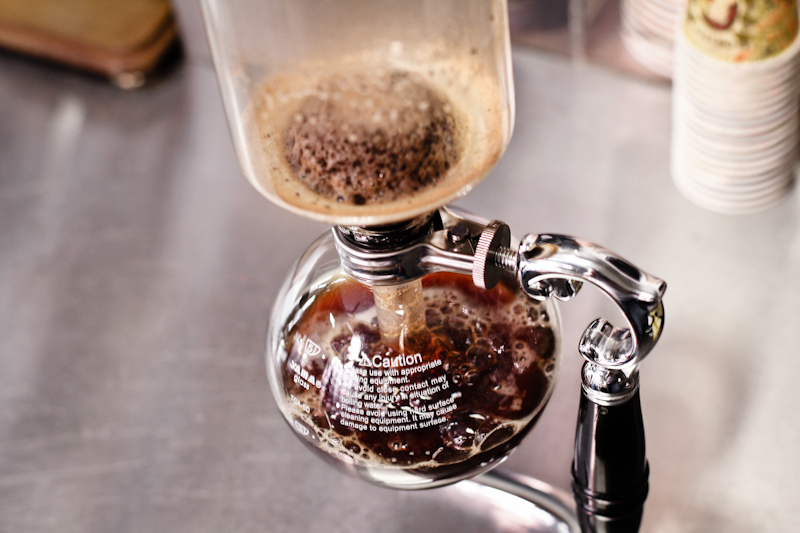
Learn the keys to successful coffee brewing using a wide variety of brewing methods from filter drip to the syphon pot. We will take a single coffee and brew it 6 to 8 different ways, each producing a unique taste. We’ll learn the proper proportions and technique for each and discuss the merits and differences of each style.
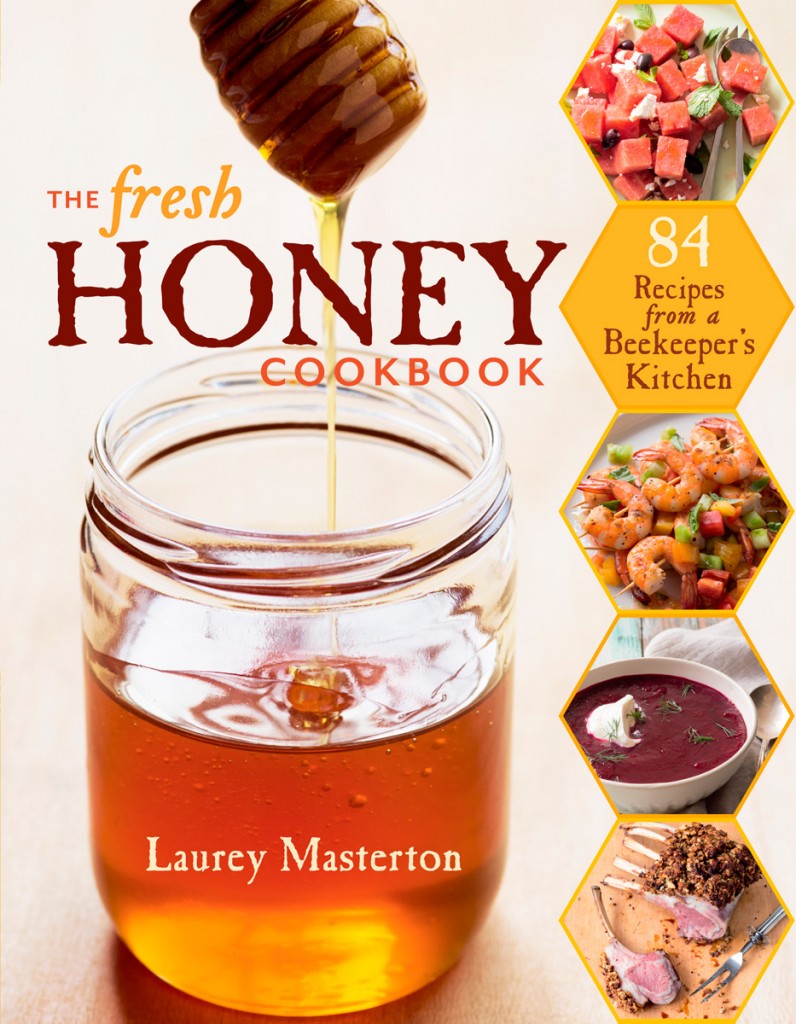
Single varietal honeys come from bees that eat the nectar of only one kind of flower. Laurey Masterton, author of The Fresh Honey Cookbook: 84 Recipes from a Beekeeper’s Kitchen, will guide us through tastes of her favorite single varietals, and we’ll experience the amazing differences in flavor that each delivers. She’ll also help us understand how each varietal can be used to create unique and tasty dishes. If you thought all honeys are pretty much the same, this is the tasting for you.
Honey is honey, just that simple. But the life of a bee and making the honey is not. Did you know a hive of bees will fly over 55,000 miles to bring you one pound of honey? And that one pound of honey came from two million flowers? Considering one honeybee will only make about 1/12 of a teaspoon of honey in her entire lifetime, that is not a simple task.
Chef and spokesperson for The National Honey Board, Laurey Masterson, author of The Fresh Honey Cookbook, joins us to enthusiastically teach us the benefits of using and eating honey. We’ll be tasting different honey varietals, honey from different regions and of course, using honey to prepare many of Laurey’s vibrant recipes and delivering amazing dishes to the table.
Sample coffees from the Africa, Central and South Americas, and the Asian Pacific. We will taste and evaluate these coffees with the techniques and tools used by professional tasters. This is an eye-opening introduction of the world of coffee.
A Fundraiser for the African American Cultural & Historical Museum of Washtenaw County
The 9th Annual African American Foodways Dinner is happening this coming Tuesday, January 14 at 7pm at Zingerman’s Roadhouse. Here, Ari talks about the menu choices for the dinner, and their history within the African American cooking lexicon.
Cooks in slave kitchens prepared wheat bread and biscuits, but rarely ate much of them. Adrian Miller quotes former slave Anna Miller, “White flour, we don’ know what dat tastes like. Jus’ know what it looks like.” Cornbread was called “John Constant;” wheat bread was “Billy Seldom.” The recipe we’ll be preparing for the dinner comes from The Historical Cookbook of the American Negro, published in 1958 by the National Council of Negro Women. Vivian Carter, honorary president of the organization grew up knowing Ms. Tubman and was adamant that she loved this recipe. It’s made with fried salt pork that’s blended with fine yellow cornmeal, some white flour, a bit of baking powder and soda, sour milk, eggs, salt, and brown sugar.
Hoppin’ John
Although we’re a few weeks into the month of January, Hoppin John is still THE dish that you want to be eating to ring in the New Year. Legend has it that the more black-eyed peas you can eat the more good luck you’ll have in the year to come. If you aren’t familiar with Hoppin’ John it’s a simple but classic dish of black-eyed peas, rice, and pork of some sort. Judith Carney writes that, “Although Hoppin’ John is a Southern dish, its contours are distinctly African, with two main ingredients and origins linked to the slave dwellings and plantation kitchens of the South. Hoppin’ John is traditionally prepared alongside plates of collard greens.”
“Crowder peas” is the formal family name of this bean, and black-eyed peas are the best-known member of the family. The actual tradition of Hoppin’ John seems to have started with red field peas actually, not black eyed peas. The latter were just more readily available. Fortunately for us, Glenn Roberts is growing old style Sea Island red peas, which are DELICIOUS! Given Hoppin’ John’s simplicity—field peas, pork and rice— there’s no way around the obvious; the better the beans the better the dish.
There are a number of standard explanations for the name Hoppin’ John. One is that it’s from the French pois pigeon (or “pigeon peas”). Another is that New Year’s and the serving of the dish come close on the heels of the feast of St. John the Evangelist. I’ve also heard it attributed to a children’s game about a one-legged (hence, hopping) slave named John. Adrian Miller cites a New York Amsterdam News article that said, “In Harlem and Chicago’s South Side, they say that “Eating peas is just for coins. Collars and other greens bring folding money. And pig, all part of the pig, will make you healthy, wealthy and sharp.”This meal has all three, so hopefully you’ll have a very successful 2014!
Collard Greens
Judith Carney writes that, “A signature ingredient of the food- ways of Africa and the diaspora is greens. Perhaps no other cooking traditions feature them so prominently. In West Africa there are more than one hundred fifty indigenous species of edible greens,” and greens were used to thicken soups (sesame, hibiscus and, of course, okra). There, they were generally cultivated, cooked, and sold at markets by women. That tradition continued in the American South—unlike field crops like corn, cotton or rice, greens were commonly grown in kitchen gardens from whence they could be easily added to the cook pot.
At the Roadhouse we cook large quantities of collard greens every week. We simmer them for hours with lots of applewood smoked bacon and pigs feet, and serve ‘em with a bottle of pepper vinegar on the side. Secret tip: ask for a bit of extra pot likker on the side. It’s the “broth” in the pot from the cooking of the greens. Three hundred years ago it was often given to slave children to give them much needed nutrients in less-than-ideal living conditions. Today it’s worth having some just because it tastes so good.
Carolina Gold Rice
Both rice and rice-growing techniques came to South Carolina from West Africa. It was one of the biggest “contributions” (if a forced expropriation of knowledge and skill can be called a “contribution”) of enslaved Africans to Southern agriculture, financial success and foodways. At the Roadhouse, we serve Carolina Gold rice from Glenn Roberts and Anson Mills. It is THE varietal that would have been grown by en-slaved Africans, and then African American sharecroppers in South Carolina in the late 18th and early 19th centuries. It got its name from the golden hue of the ripe rice stalks in the fields and it’s a romantic image, but there was nothing romantic about the work that enslaved Africans did to make the rice a reality. Rice growing and hand-harvesting is extremely difficult work under the best of conditions, and they were working in anything but good conditions. Carolina Gold rice was so highly esteemed it was shipped to the royal courts of Europe. Rice growing dominated South Carolina agriculture and eating. Everything about this rice is exceptional—its history, its modern day revival after 75 years of being out of production, the way it’s being grown and processed by Glenn and the crew at Anson Mills, and, most importantly, the way it tastes.
Candied Yams
The name “yam” is actually of African origin. It’s a large tuber that’s remains one of the main starches eaten in West Africa to this day. Yam growing was carried by enslaved Africans to South America, but the tubers never took in North America. Although botanically the two have nothing in common, the name was misapplied to the American sweet potato. What we know here as sweet potatoes probably originated in Peru. Europeans encountered them there and brought them back to Europe. There, as Adrian Miller explains, “the sweet potatoes were not the food of the masses by any means; in fact they were considered such a rare and expensive delicacy that only royalty and the wealthy could afford to eat them.” They were often prepared as the English did another orange vegetable, the carrot, by “candying” them with sugar. Sweet potatoes were critical for survival in cold winter months. Adrian Miller writes that, “Many slaves and share-croppers talked about constructing and maintaining sweet potato ‘banks.’” And he quotes Natalie Joffe’s study of African American food habits in the 1940s in which she explains that sweet potatoes “are regarded by tenants as exactly similar to the urban worker’s store of wages’ except that the potatoes are surer.” With all of that history of their integral role in the poor person’s southern kitchen, it’s no surprise that “yams” or sweet potatoes have stayed a featured dish in the African American culinary repertoire.
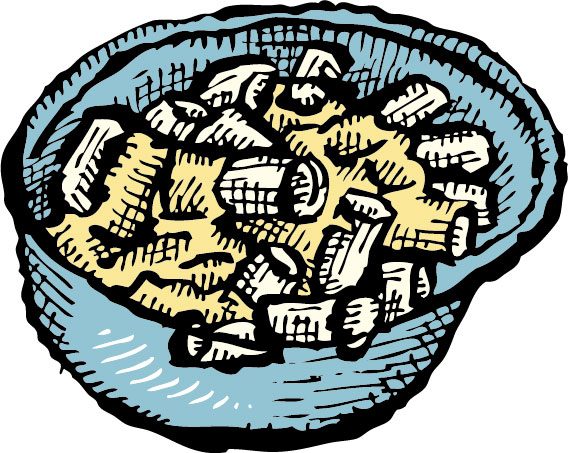
Mac ‘n’ Cheese
Obviously there was nothing like it in West Africa, as there was neither wheat nor cheese to be had. But Adrian Miller is adamant that it’s a classic of African American cookery. As he explains: “Over two centuries, macaroni and cheese became ‘mac ‘n’ cheese,’ a soul food favorite, because African American cooks have been called on to make the dish in wealthy and poverty stricken kitchens alike. For soul food cooks, mac ‘n’ cheese had multiple identities as rich people’s food, a special occasion food, a convenient comfort food, a meal-stretcher, and a poverty food.”
Macaroni and cheese in the South originally would have been eaten only by the European elite. Jefferson is generally credited with bringing the dish back from Europe. He was ambassador to France from 1784 to 1789, and also spent time in Italy. He was major devotee of good food and fine cooking. He sent his slave James Hemmings (Sally’s brother) to be trained in the best kitchens of Paris. He also brought back a pasta-making machine and Parmesan cheese. In the U.S. the tradition was solidified as more Italians came over in the late 19th and early 20th centuries. Adrian theorizes that the large Italian community in New Orleans exposed the even larger black community to the dish, and its popularity spread from there. In the end, Adrian writes, “African Americans chose this foreign, European food and elevated its status within the black community. Today mac ‘n’ cheese can be considered a ‘black thing’ because African Americans adopted the dish so success- fully that its ethnic origins were completely forgotten.”
A Fundraiser for the African American Cultural & Historical Museum of Washtenaw County
The 9th Annual African American Foodways Dinner is happening this coming Tuesday, January 14 at 7pm at Zingerman’s Roadhouse. Here, Ari talks about the menu choices for the dinner, and their history within the African American cooking lexicon.
In making the menu for our 9th annual African American Foodways dinner, a fundraiser for the African American Cultural & Historical Museum of Washtenaw County, we’re serving some classics of African American cooking. While every family will of course have their twists on tradition, this list is a pretty solid collection of well-known and much loved dishes. As Deborah Meadows, one of the women whose hard work has made the museum a reality, said when we reviewed it together, “The menu is a feast! Yum!”
Below are brief descriptions of the dishes along with a bit of history and how they came to be such a big part of African American eating. Much of the historical information came from Adrian Miller’s highly recommended book, Soul Food: The Surprising Story of an American Cuisine. If you enjoy the meal at the Museum fundraiser, you’ll probably want to join us again April. Adrian will be joining us for a special dinner based on his book. We’re excited to have him back—he’s already been a huge hit at two of our nine African American dinners—one on the theme of African Americans in the White House (which coincidentally took place right around President Obama’s first inauguration) and the other on this same theme of Soul Food.
The Menu!
Fried Chicken
No one seems 100% sure how fried chicken came to hold such an honored place on the African American table, but it pretty clearly has for well over a hundred years now. Chickens probably came to Africa from Asia in about 1000AD. Birds had long been prominent in West African religious lore and local elites took to them quickly. Chickens were often thought to be holy and came to be used for religious sacrifice.
As with so many foods, it was a dish that was used by whites to stereotype African Americans. But the reality is that southern whites seem to have eaten it with great regularity as well. In his research, Adrian Miller discovered that fried chicken was first written up as a recipe in Hannah Glasse’s 1747 book, The Art of Cookery Made Plain and Easy. Glasse features a recipe for fried chicken that would likely have won praise in the homes of well-to-do white plantation owners. Seventy or so years later, in 1824, Mary Randolph’s now classic book, The Virginia Housewife, published an iconic recipe in which the chicken is fried in lard and butter, adding a bit of smoked pork to the fat for additional flavor (as Adrian says, she “doubled down on pork”). A third version, “Maryland-style” fried chicken, became quite popular along the Chesapeake. It was first battered, and then shallow-fat-fried and was typically served with gravy, waffles or corn fritters. Adrian writes that the famous “chicken and waffles” probably had its roots in the early 19th century where fried chicken and some sort of quick bread were quite commonly paired and called a “Virginia breakfast.”
At the Zingerman’s Roadhouse we use chickens from Amish farmers about half an hour west of here in Homer, MI and prepare them in a style that Chef Alex and crew have adapted from the very famous Gus’ Fried Chicken just outside of Memphis. Seasoned with a good bit of black and red pepper and then dipped in buttermilk batter before frying. Over the years it’s become our biggest selling menu item at the Roadhouse.
Fried Catfish
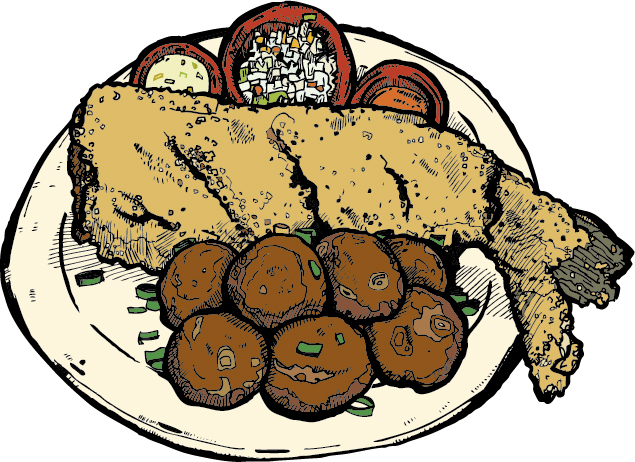
In Soul Food, Adrian Miller shows that West Africans have been big fish eaters since medieval times. Enslaved Africans would likely have embraced catfish as one of the foods that still seemed familiar. In the American South, fish provided a low-cost way to feed slaves. West Africans have long had a very positive attitude towards fish. Not shockingly, we have a few West African customers who order catfish religiously at the Roadhouse, and catfish has become one of our most popular dishes. The fish come from Yazoo City, Mississippi (in the ‘60s farmers in the Delta started switching from cotton to catfish). Aquaculture made catfish available year round, adding to its popularity. Here at the Roadhouse we roll each fish in the organic yellow cornmeal we get from Anson Mills down in South Carolina — a blend of four different heirloom corn varietals (two dating to the 17th century and two more to the 18th), and then deep fry it ‘til it turns golden brown. Served with white grits from Anson Mills (a different heirloom corn varietal, this one from the 19th century) and collard greens. Fish and grits, if you’ve never tried it, is a terrific combination! A guest from South Carolina told me at the Roadhouse last night that it “the best catfish I’ve ever had. And I’ve had a lot of catfish!”
Pork Barbecue
We’ve been making Eastern North Carolina-style barbecue at the Roadhouse since we opened in 2003. We were trained by our mentor, African American pit master, Mr. Ed Mitchell of Raleigh, North Carolina. “Culturally,” Mr. Mitchell told me a while back, “barbecue was started by black folks. During the era of slavery, they made barbecue for white people, and then they were given the innards and undesirable cuts. That’s why they got used to cooking all those cuts.” As you might have guessed from the fact that we chose to model our barbecue after Mr. Mitchell’s (after tasting a lot of other versions), his is very, very good.“My point,” he added, “is that it was a necessity for them to survive.”
For Roadhouse barbecue we use free-running, antibiotic-free, heirloom breed hogs (which have far more fat, and much more flavor than the commercial hogs most folks are using). We smoke them on the pit (that Mr. Mitchell helped us build) over oak logs for a good 14 or 15 hours. We pull the tender meat from the bones, give it a coarse chop and then dress it with a traditional Eastern Carolina vinegar sauce. For the latter, we use the very excellent two-year-old, barrel-aged organic cider vinegar that we get from Pierre Gingras up in Quebec which we then season with a touch of Muscovado brown sugar, sea salt and Telicherry black pepper. I think it’s got it all. Flavor, texture, history, a good story, a great finish. Smoky warm pork, dressed in that tangy cider vinegar sauce.
Grits
Corn has been eaten in West Africa since the 16th century when it was introduced by the Portuguese. In the Americas, whites and enslaved Africans would have learned how to grow, cure, and cook corn from Native Americans. African Americans probably ate much more of it. European whites preferred wheat and left cornmeal, grits, mush, and cornbread for their slaves. Grits have long been a staple of African American cooking. Adrian Miller quotes a South Carolina planter: “The subsistence of slaves consists, from March until August, of corn ground into grits, or meal, made into what is call hominy or baked into cornbread.”
Adrian quotes an abolitionist periodical from 1839, which says that, “the corn furnished to the slaves at the south, is almost invariably the white gourd seed corn.” And, as it happens, what we’ve served since day one at the Roadhouse is exactly that — white grits from a gourd seed variety from Anson Mills, where Glenn Roberts and crew craft some of the best old-school dried corn grown and milled anywhere in the country. They work only with heirloom seed varieties (much lower yield, much bigger flavor); all are grown organically and field-ripened to develop their full flavor; all are cold stone-milled (chilled below 32°F so that they never go above 40°F during the milling); and have their germ (i.e., the natural oil) left in which adds great flavor, but makes the milled corn a perishable product. Grits like this are what African Americans in the South before the years of the Great Migration would have likely referred to as “fresh grits” or “country grits.” They’re enormously flavorful—the difference between these and what one cooks from the supermarket varieties is night and day.
photo by Benjamin-Weatherstonenjoy an inspiring breakfast with zingerman’s co-founder Ari Weinzweig
Please join us on Thursday, January 16 at the Zingerman’s Roadhouse for a very special breakfast.
Ari will discuss his latest book, Part 3 of the Zingerman’s Guide to Good Leading series, A Lapsed Anarchist’s Approach to Managing Ourselves.The latest book continues to share the “secrets” that have helped take Zingerman’s from a 25-seat, 4-person start up to a nationally known, $49,000,000-organization employing over 600 people. The book includes Secrets #30-39, and explores our belief that some of the most important work we do to build great organizations and lead rewarding lives is the work we need to do inside. The book includes essays on our approach to managing ourselves, mindfulness, leadership at the four levels of organizational growth, personal visioning, why the way the leader thinks will be manifested in the way the organization runs, creating a creative organization and more.
You’ll also hear from Zingerman’s staff, we’ll be inviting employees from around the organization to engage Ari in a dialogue about Zingerman’s, building the business, being part of this organization and how you can apply Zingerman’s approaches to help strengthen your organization.Don’t miss it!
Event is from 8:00 am to 9:00 am, Breakfast served at 7:30 am. Call 734-663-FOOD (3663), or reserve your seat online!
$20 for breakfast or $45 for breakfast and a copy of Zingerman’s Guide to Good Leading, Part 3: A Lapsed Anarchist’s Approach to Managing Ourselves
Tag: ZINGERMAN’S ROADHOUSE
Great gifts for your loved ones
Gift Boxed Cookies
These handsome presents are ready to give, great for your host and handy for travel.
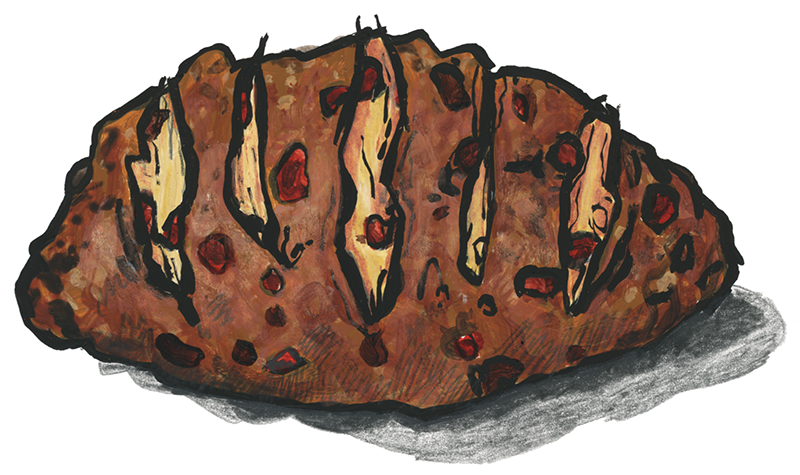
Cranberry Pecan Bread Available EVERY DAY in november & December! When we sample it, there’s a phenomenon of customers who grab a piece as they’re leaving and come back a few minutes later asking “What did I just eat? That’s amazing!” This bread is a magic combination of our San Francisco Sourdough, toasty pecans, and dried New England cranberries.
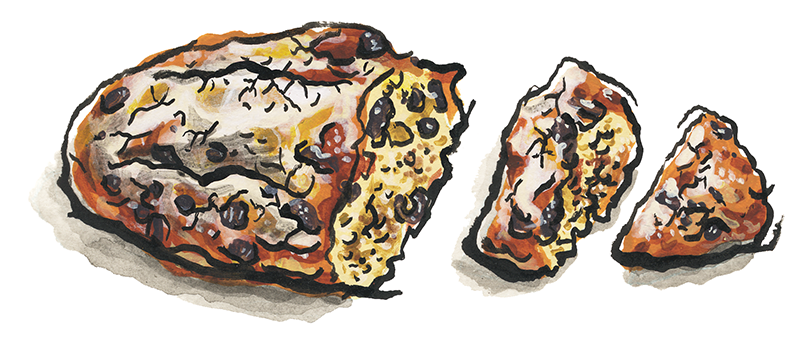
Stollen A holiday staple at the Bakehouse that seems to get more popular each year we bake it. Stollen is a traditional German holiday bread made with sweet butter, Bacardi rum, candied lemon and orange peel, oranges, Michigan dried cherries, citron, currants, almonds, sultanas, real vanilla and more.
Olive Oil Cake
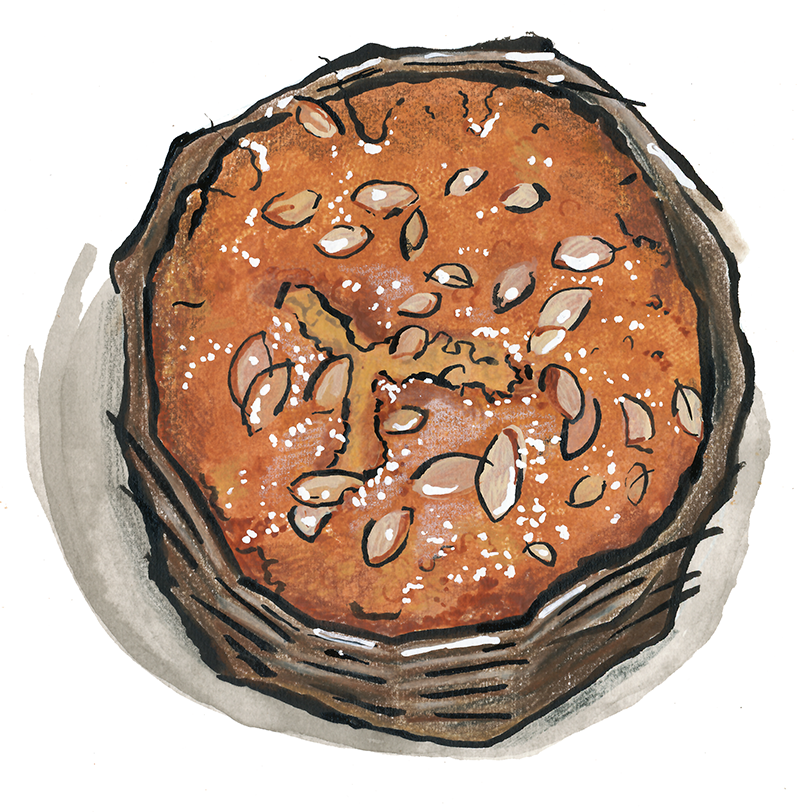
You might think our butter-laden coffeecakes would be the most luscious cakes we bake, but you’d be mistaken. Extra-virgin olive oil is the fat du jour here and it makes this cake’s texture especially luxurious. Olive oil retains more moisture than butter so it’s soft and silky, like it just came out of the oven, even days after you take it home. Made with toasted almonds, lemon zest—nearly a whole lemon’s worth per cake—and lots of extra-virgin olive oil. It has a great balance of sweet, savory and tangy that lingers long after the last bite.
Give the Gift of BAKE!
Is dad ready to learn how to make his first perfect pie crust? Want your friends to join you for a pizza-making party? Do you want to send mom on a BAKE!®-cation? Give ‘em a BAKE! gift card and let your loved ones pick the class that’s right for them!
Call 734.761.7255 for more information about giving the gift of BAKE!

 Breakfast, Books and Business with Ari Weinzweig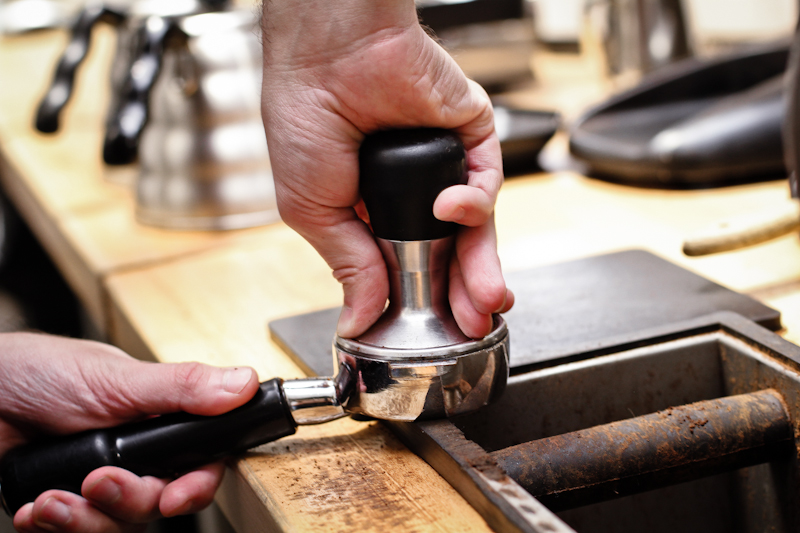
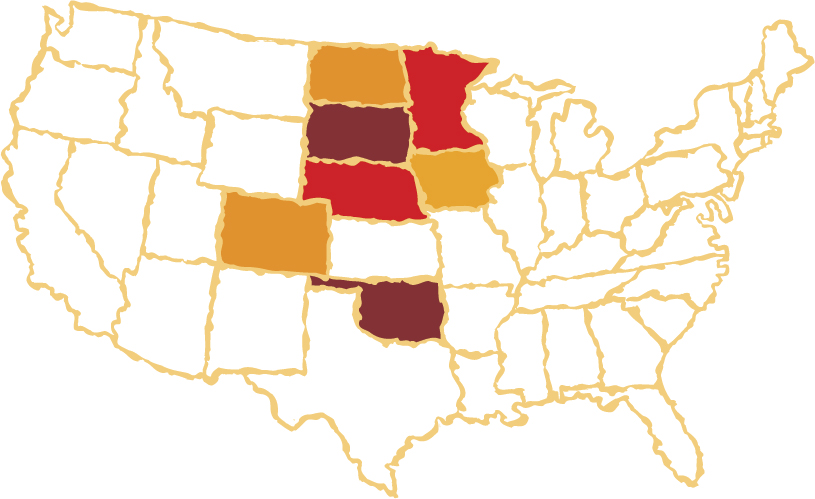 Cheese from the “Flyover” States
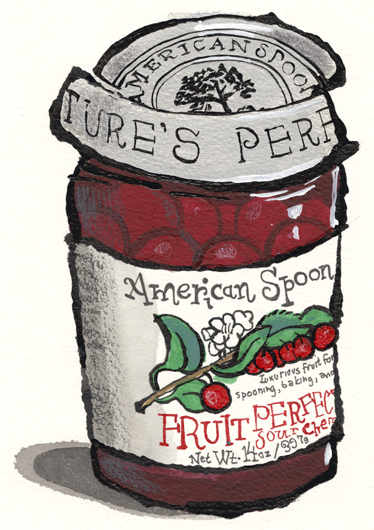 The Secret Life of Preserves: Featuring Noah Marshall-Rashid from American Spoon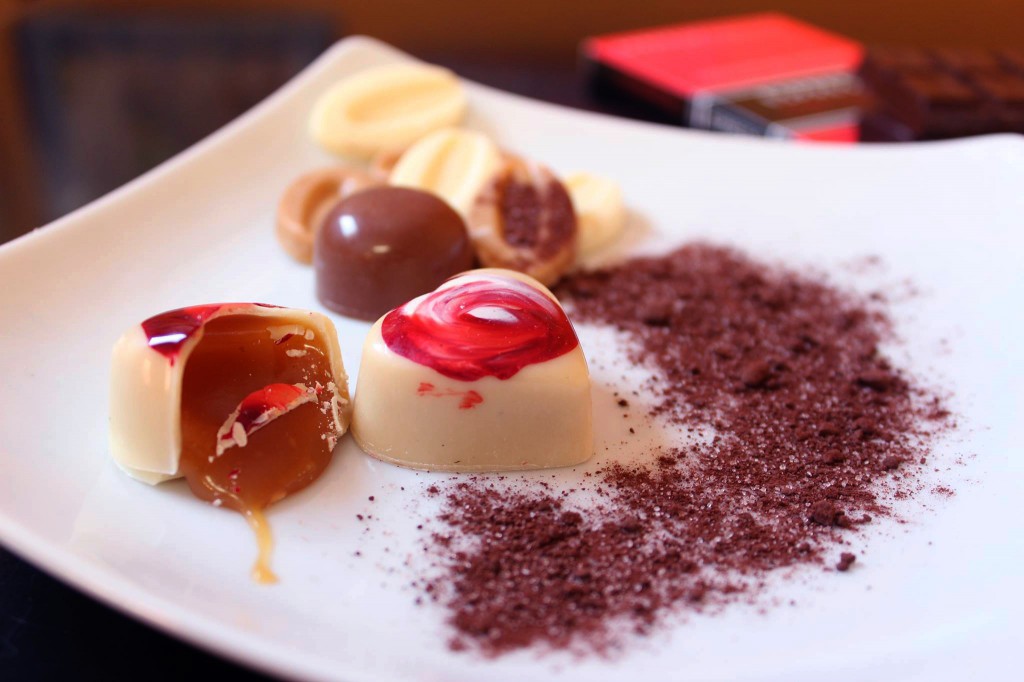
 Single Varietal Honeys: Featuring Author Laurey Masterton
 Comparative Cupping
 Cornbread Harriett Tubman
 Carolina Gold Rice
 Mac ‘n’ Cheese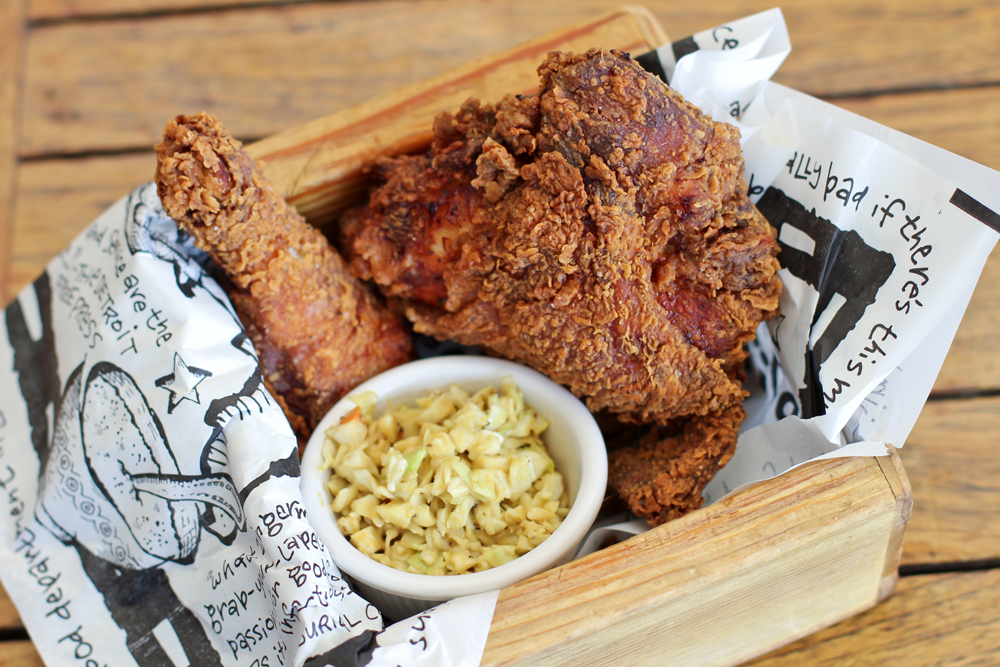
 In Soul Food, Adrian Miller shows that West Africans have been big fish eaters since medieval times. Enslaved Africans would likely have embraced catfish as one of the foods that still seemed familiar. In the American South, fish provided a low-cost way to feed slaves. West Africans have long had a very positive attitude towards
fish. Not shockingly, we have a few West African customers who order catfish religiously at the Roadhouse, and catfish
has become one of our most popular dishes. The fish come from
Yazoo City, Mississippi (in the ‘60s farmers in the Delta started switching
from cotton to catfish). Aquaculture made catfish available year round, adding to its popularity. Here at the Roadhouse we roll each fish in the organic yellow cornmeal we get from Anson Mills down in South Carolina — a blend of four different heirloom corn varietals (two dating to the 17th century and two more to the 18th), and then deep fry it ‘til it turns golden brown. Served with white grits from Anson Mills (a different heirloom corn varietal, this one from the 19th century) and collard greens. Fish and grits, if you’ve never tried it, is a terrific combination! A guest from South Carolina told me at the Roadhouse last night that it “the best catfish I’ve ever had. And I’ve had a lot of catfish!”
In Soul Food, Adrian Miller shows that West Africans have been big fish eaters since medieval times. Enslaved Africans would likely have embraced catfish as one of the foods that still seemed familiar. In the American South, fish provided a low-cost way to feed slaves. West Africans have long had a very positive attitude towards
fish. Not shockingly, we have a few West African customers who order catfish religiously at the Roadhouse, and catfish
has become one of our most popular dishes. The fish come from
Yazoo City, Mississippi (in the ‘60s farmers in the Delta started switching
from cotton to catfish). Aquaculture made catfish available year round, adding to its popularity. Here at the Roadhouse we roll each fish in the organic yellow cornmeal we get from Anson Mills down in South Carolina — a blend of four different heirloom corn varietals (two dating to the 17th century and two more to the 18th), and then deep fry it ‘til it turns golden brown. Served with white grits from Anson Mills (a different heirloom corn varietal, this one from the 19th century) and collard greens. Fish and grits, if you’ve never tried it, is a terrific combination! A guest from South Carolina told me at the Roadhouse last night that it “the best catfish I’ve ever had. And I’ve had a lot of catfish!”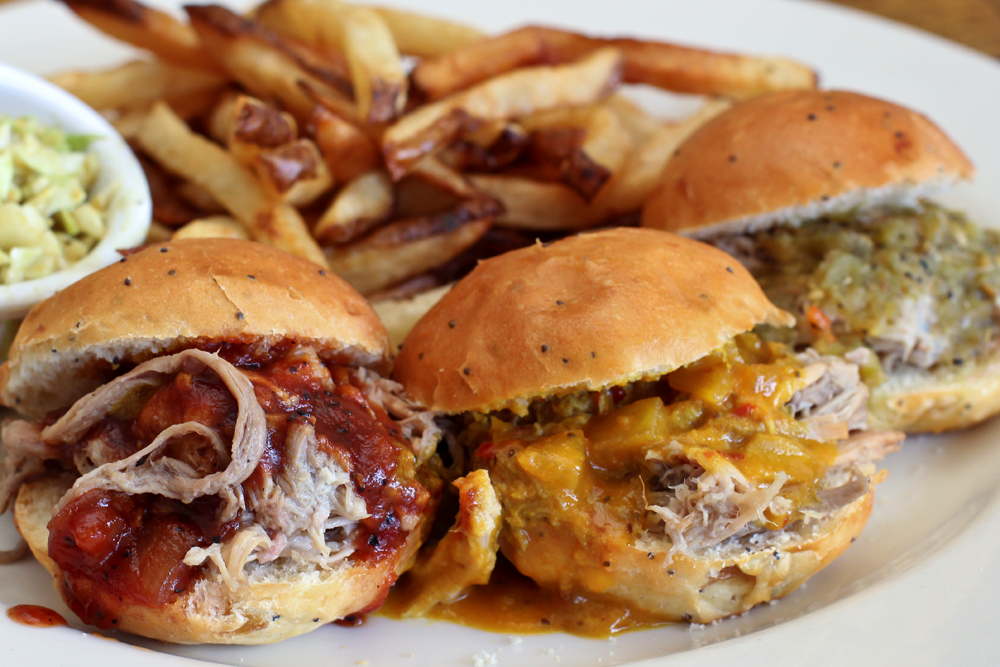
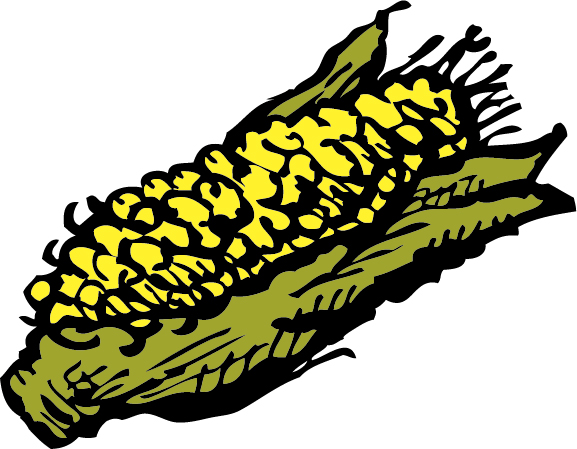 Corn has been eaten in West Africa since
the 16th century when it was introduced by
the Portuguese. In the Americas, whites and
enslaved Africans would have learned how
to grow, cure, and cook corn from Native
Americans. African Americans probably
ate much more of it. European whites
preferred wheat and left cornmeal, grits,
mush, and cornbread for their slaves. Grits
have long been a staple of African American
cooking. Adrian Miller quotes a South Carolina planter: “The subsistence of slaves consists, from March until August, of corn ground into grits, or meal, made into what is call hominy or baked into cornbread.”
Corn has been eaten in West Africa since
the 16th century when it was introduced by
the Portuguese. In the Americas, whites and
enslaved Africans would have learned how
to grow, cure, and cook corn from Native
Americans. African Americans probably
ate much more of it. European whites
preferred wheat and left cornmeal, grits,
mush, and cornbread for their slaves. Grits
have long been a staple of African American
cooking. Adrian Miller quotes a South Carolina planter: “The subsistence of slaves consists, from March until August, of corn ground into grits, or meal, made into what is call hominy or baked into cornbread.” Gift Boxed Cookies
 Olive Oil Cake