Raw Milk Mahón at the Deli
Marvelous traditional cheese from the Spanish island of Menorca
While I’m thinking about traditional bread and Anna Ferrer’s family baking tradition, it seems a natural move to write about this ancient cheese of the Mediterranean island of Menorca. It’s not just a coincidence—it also happens to be one of the tastiest, if least known, cheeses currently on the Deli’s counter! If you’re already a fan of Mahón cheese, make a point of getting in to taste it this week. If you don’t know Mahón, this is the right time to make its memorable acquaintance. The current batch is extra aged, so you get a lot of the wild intensity of the windy island. It’s great for grating or for eating in slivers with cured meats!
Menorca is the smaller of the two main Balearic Islands (Majorca, of course, is bigger), and it has a fascinating history. It was occupied by the Greeks and then the Romans; the Vandals, Moors, British, and French later followed. It has an old Jewish community that was forced to convert in the fifth century, though some Jewish conversos continued to practice their religion in secret. Today, the entire island has a population slightly smaller than that of Ann Arbor. Menorca has been declared a Biosphere Reserve by UNESCO, as it has more than 900 varieties of flowers growing—which, of course, adds to the diversity of the cows’ diet and, thus, the complexity of the milk. While the cows don’t eat them, there are also over 30 varieties of butterflies on the island! Most residents of Menorca speak both Catalan and Castilian, and many longtime locals still learn and use the old island language of Menorquí, in which the name of the town of Mahón—from whence the cheese originates—would be Mao.
Mahón, the cheese, is a PDO (protected designation of origin) product that’s been made on the island for something like four or five thousand years! Ours hails from the long-standing, highly regarded Quintana family, who, along with the Triay Barber family, have been selecting and maturing the best Mahón for eight generations. Juan Bosco Triay Barber, manager of Queso Quintana and a master of cheese ripening, has been around these cheeses since he was a small child. Our importer, Carrie Blakeman of Rogers Collection, reports that “this humble company is very respected locally—quietly—and mostly on the farm.” All their cheeses are made using methods that are as true to ancient techniques as possible while still respecting modern health codes. The milk comes from a single-family farm (known in Menorquí as a lloc) with just 40 Mahónese cows, an old local breed. The land there is divided into plots by multiple dry-stone walls so the cattle can graze freely in the rich grass, bathed by the sun, and the soil is irrigated by the unique maritime environment. The milk is always unpasteurized, and the curd is never cooled until after the cheese has been set, protecting its delicate flavors in the process.
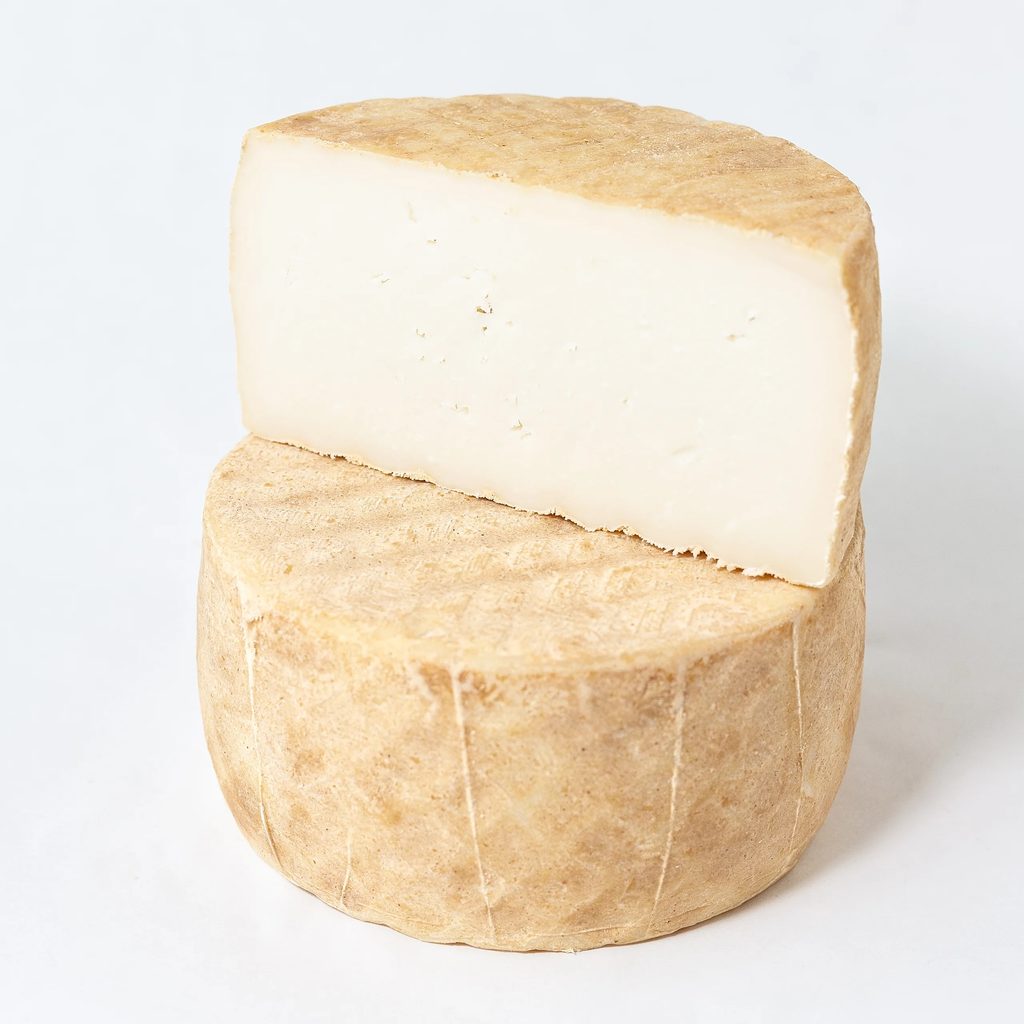
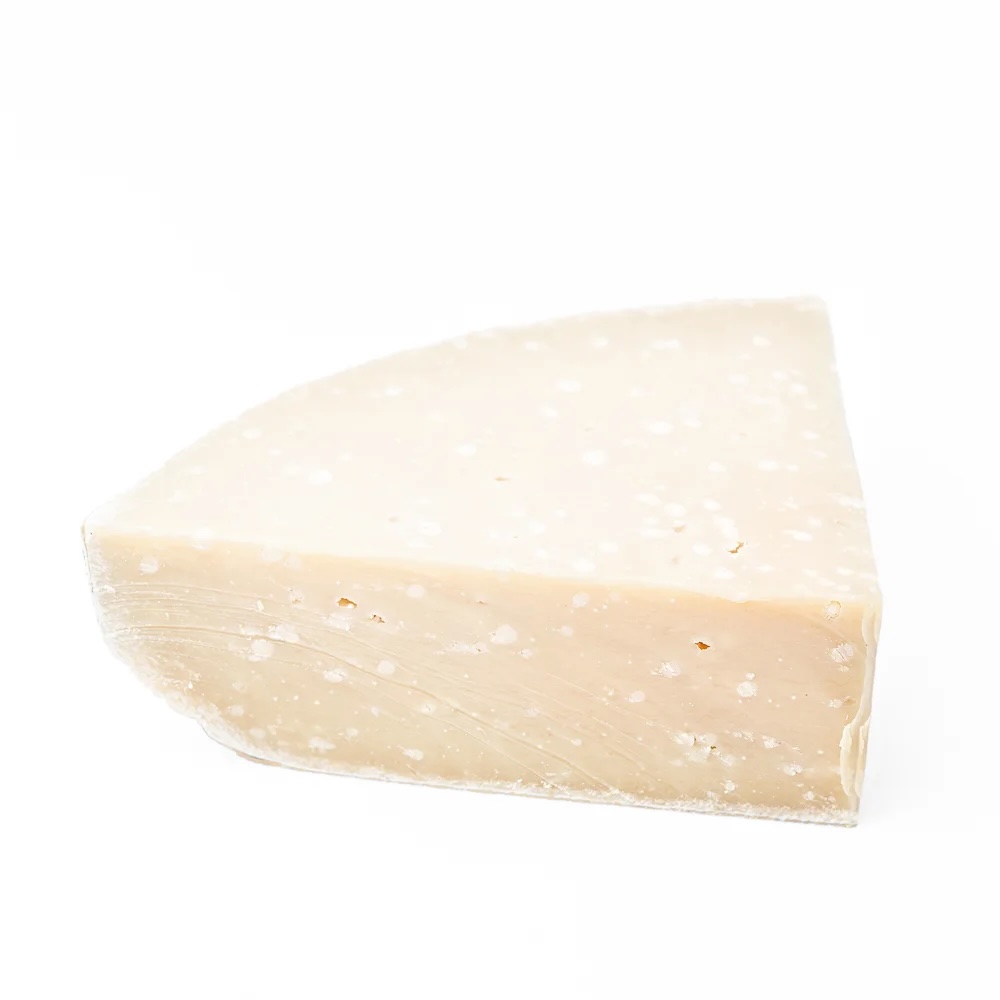
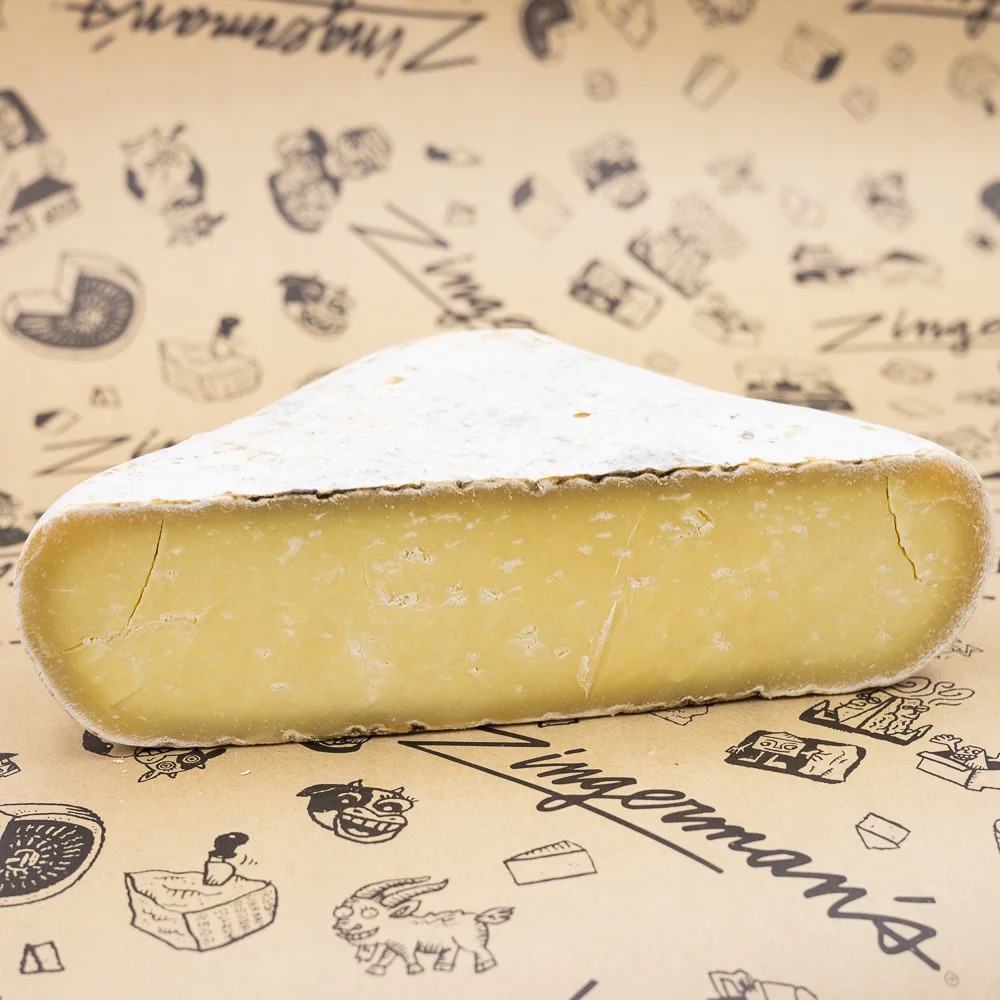
The folks at Quintana clearly have great passion for, and pride in, the quality of the cheese. It is, by far, Menorca’s most significant culinary claim to fame. Factory versions of Mahón have a bright, orange, waxy-looking rind and a rather uninteresting flavor. I much prefer what we have in-house right now—artisan offerings made by hand from raw milk. These tasty cheeses are rarely seen off the islands; you can distinguish them by their darker, dusty-looking burnt orange-brownish rinds, with an interior that has the color of well-worn ivory. I enjoy Mahón most at about nine or ten months—like what we have now—when it has developed the texture of an aged Gouda and an almost smoky flavor. Nattily nutty, significant, and striking, it stands up for itself without being standoffish. It goes great with almonds or dried fruit, and you can pair it with almost any of the breads from the Bakehouse, buttered first with a bit of Vermont Creamery Cultured Butter to balance its sharpness.
A few years ago, New York Times food writer Florence Fabricant recommended melting Mahón atop casseroles, potatoes, or pasta. Locals like it sprinkled with black pepper, extra virgin olive oil, and tarragon. Mahón also works well on a salad with slivered dates and cured ham. Or, most simply, just bring home a nice-sized chunk, let it come to room temperature to access its full flavor, and then nibble away while you work or set the table for dinner. Oh, and by the way, Quintana recently won a silver medal from the World Cheese Awards!