Fish and Chips Pop-Up at Cornman Farms (Saturday, June 20)
Book now for this special “serving” of good English eating
Over its 10-plus years in business, one of the secret specialties of Cornman Farms is its fantastic fish and chips. Given co-managing partner and chef Kieron Hales’s English origins, it only makes sense—the man is mad about making them. And every time he does, we sell out tout suite!
While fish and chips are well known around the world as English fare, what’s not well known are their Jewish roots. Back in 1860—the same year that, across the pond, South Carolina became the first state to formally secede from the Union—a Jewish immigrant named Joseph Malin seems to have opened the very first fish and chips shop in England. Malin was most likely drawing on the long-standing tradition of fried fish in Jewish culinary history, which became especially strong among the converso communities in Spain and Portugal after the Inquisition. (Conversos were Jews who converted to Catholicism but often continued to practice Judaism in secret.) Fish could be fried during the day on Friday, then eaten later that evening and/or on Saturday, when Sabbath rules forbade cooking.
Though it’s not clear where he learned to cook fish and chips, what we do know is that Malin got going at the young age of 13 in an effort to supplement his family’s income (their main work was rug weaving), selling the food on the street from a tray hung around his neck, like a vendor at a baseball game. His “new” fried fish and fried potatoes became so popular that he soon started a shop—which stayed in business for over a century—and what we now know as English fish and chips were born.
(In case you were curious, there have been Jews here in Michigan since the latter part of the 19th century. But most were of German origin, and I doubt if fish and chips were a regular menu item for them.)
So why did fish and chips take off in 19th-century England? It’s a great example of what writer Steven Johnson has come to call “the adjacent possible”: one innovation is made possible only by other innovations that have recently happened. Johnson writes, “What the adjacent possible tells us is that at any moment the world is capable of extraordinary change, but only certain changes can happen.” Fish and chips didn’t taste any better in 1860 than they did in 1680 or 680. What was different was the Industrial Revolution—steam trawlers meant a lot more fish could be brought into port, and newfangled ice machines meant the fish could be more effectively and safely stored for later cooking and sale.
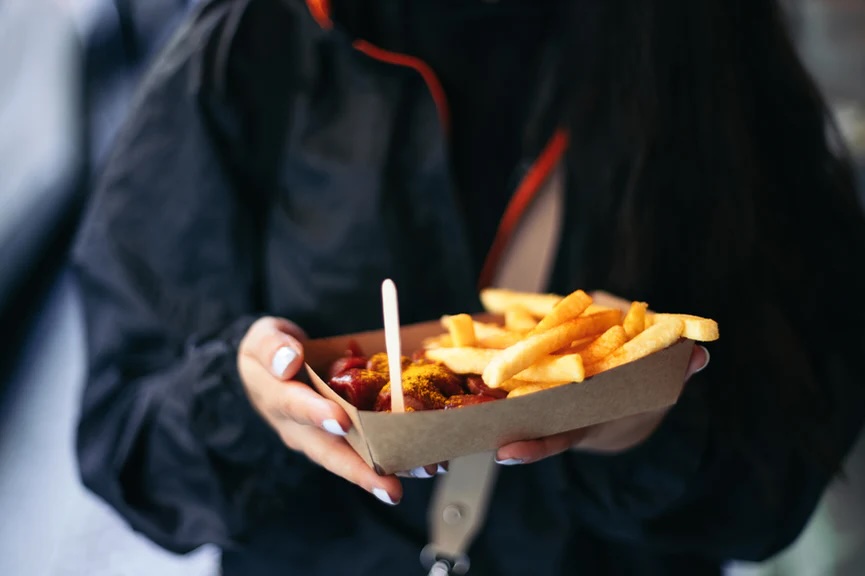
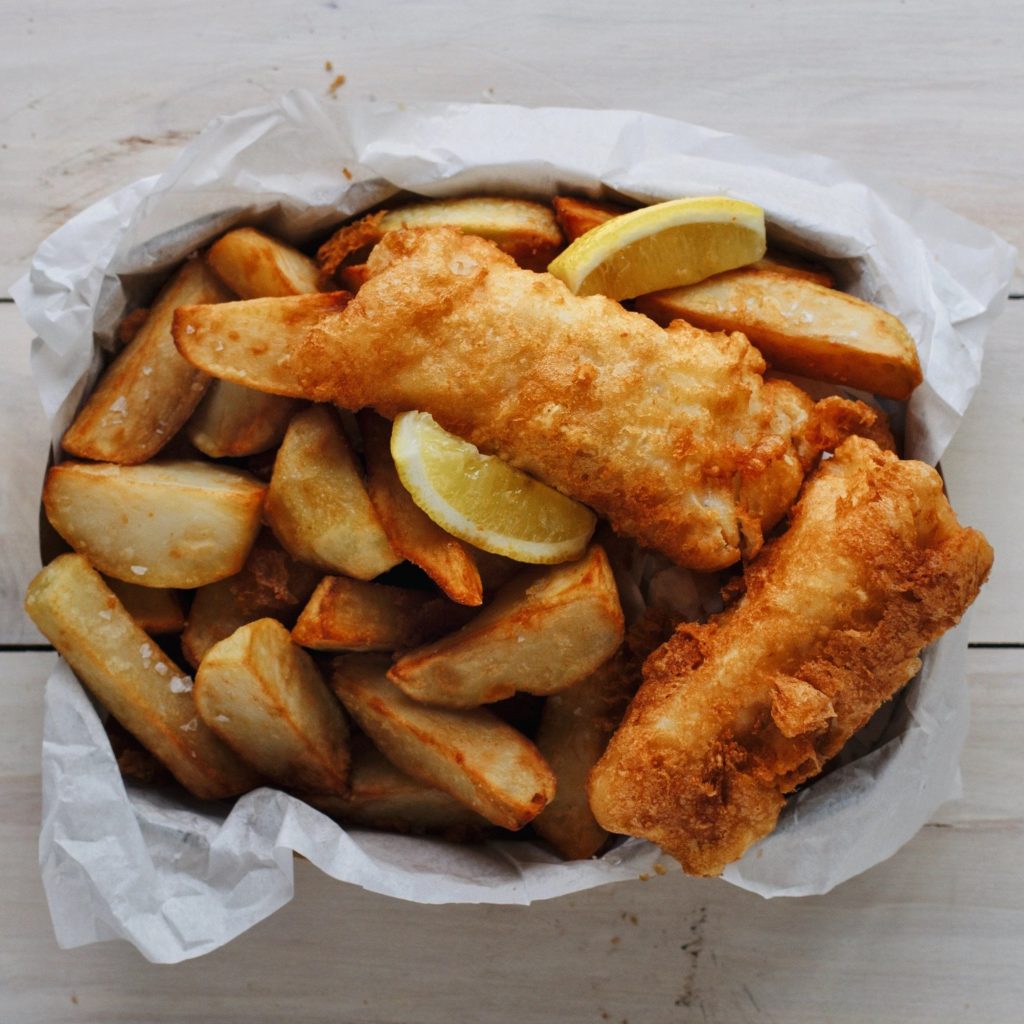
The menu for Saturday, June 20—a one-day-only pop-up—will pretty much mirror what the young Joseph Malin might well have been making all those many years ago: golden-battered cod served with thick, salty chips (aka French fries) and a range of sauces on the side—tartar sauce, curry sauce, and malt vinegar! You can eat your meal straight away with your fingers and/or the two-pronged wooden fork the farm folks put in the package. Some indoor seating and a cash bar with beer and wine will be available, and if the weather cooperates, you can spread out your blanket and have a nice picnic on the property!