Superb Nigella Seeds from Egypt
One of my all-time favorite spices
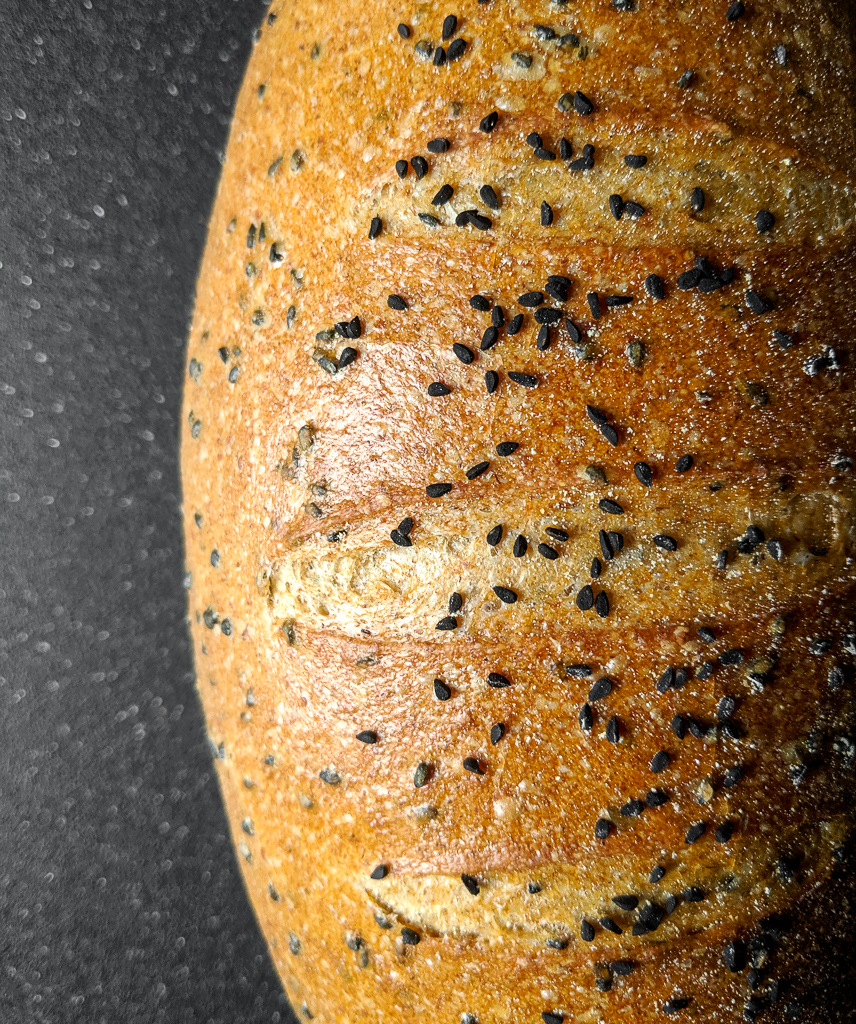
Enticing, excellent, and black as black can be—I love the flavor, and the aroma, of Nigella seeds. Because they go by many names in the culinary world, you may also know them as “black cumin” (which is used often but not accurate), “black caraway” (also inaccurate), “black seed,” or the Russian word we use when we put them on rye bread—chernushka (chernyui means “black” in Russian).
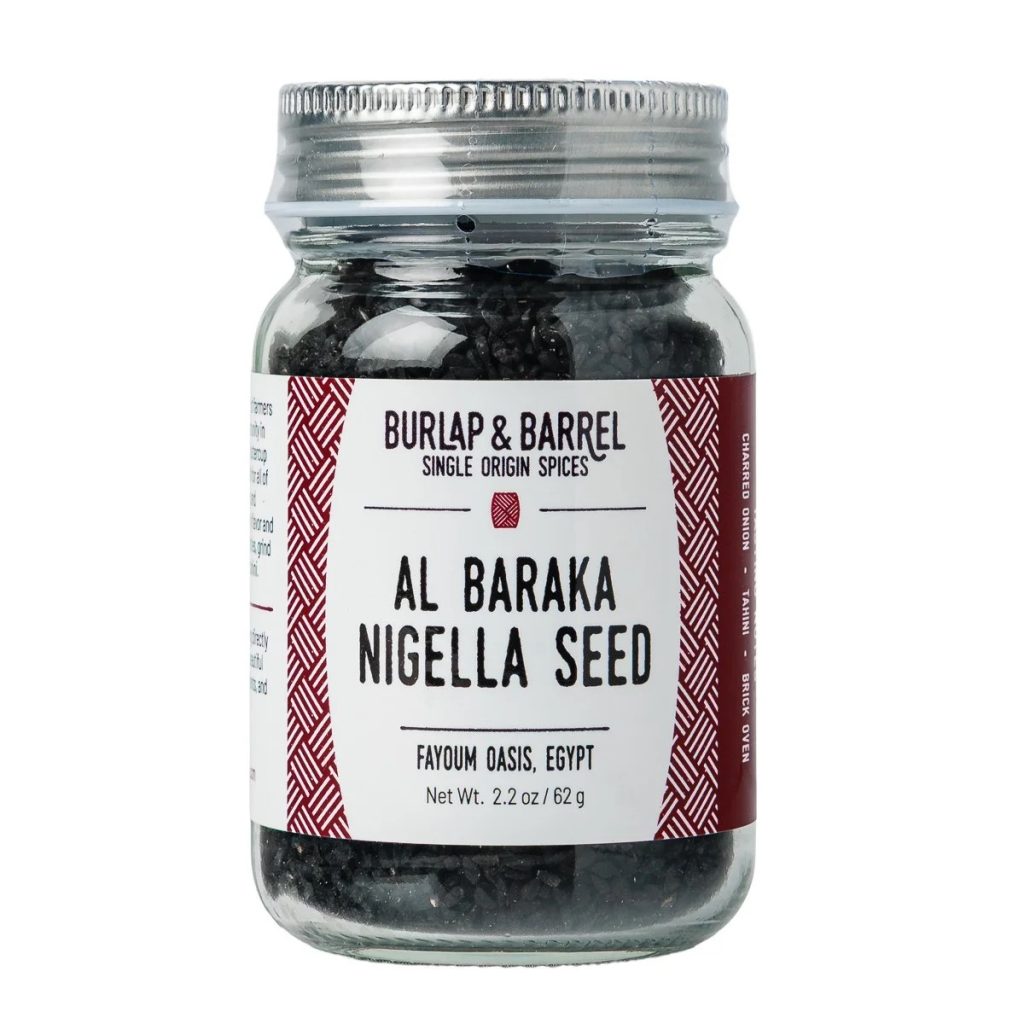
I’m especially excited that, after many years of enjoying them from the Bakehouse when we do Special Bakes of our Chernushka Rye, we now have the seeds for sale on the retail spice shelves at the Deli—so that spice-loving folks like me (and maybe you) can buy them to cook with at home!
The Nigella seeds we have come from Egypt—thanks to the good folks at importer Burlap & Barrel—produced by farmers in an area surrounding the ancient town of Fayoum. The seeds are harvested in the spring, usually from mid-May until early June, and then cleaned and dried. They’re used extensively in Indian cooking and across Central Asia, the Middle East, and North Africa. You might also know Nigella seed from its use in Armenian string cheese. The main thing is that the seeds are super tasty and amazingly aromatic! You can use them in curries, on salads, in bread baking, or with cheese. In Egypt, it’s common to turn them into a tahini-like puree, sweetened a bit with honey, date syrup, and olive oil. The seeds are also widely used in panch phoron, duqqa, and any number of pickle recipes.
Coincidentally, I was already familiar with the town of Fayoum for a completely different reason—it was the small village to which the Swiss ceramicist Evelyne Porret traveled in 1977. She began working with poor children there to help them learn traditional pottery techniques, so they could make a modern-day living from a craft that goes back something like 5,500 years in the region. Journalist Mona Kim describes Porret’s arrival half a century ago:
There was nothing.
Only a few villagers who farmed and fished.
No running water.
No electricity.
And certainly no fancy art schools.
Crafting, Porret saw, was something that would work for the villagers in this out-of-the-way-spot in south-central Egypt. Getting going, though, was anything but easy:
Misadventures, builds, rebuilds, repairs and more repairs, trials and errors, laughing villagers and tragicomedies.
But slowly, home, atelier, kick wheels, kiln, shelves, water, garden and all that was needed, came into being.
“Plant in a rocky desert and hope.”
From nothing came everything.
From no plan was born a very big story that you are now about to discover.
In essence, Evelyne Porret was working with an understanding of tradition while appreciating the beauty of each moment and keeping the long-term future in mind. Eleven years after her arrival, she formally founded the Fayoum Pottery School.
The idea was for these future potters to one day open their own ateliers, create their own livelihoods, become independent, and transmit their knowledge to other children in a continuous cycle. …
Without fancy schemes, or a “socio-economic development plan” in mind, the School breathed, lived and grew organically, just like a beautiful tree.
Over time, the pottery evolved into something really special:
The ordinary becomes extraordinary.
A common object becomes magical.
As Mona Kim writes about Porret’s long-term commitment to helping everyday people excel:
Sometimes nothing is possible.
Sometimes everything is possible.
And sometimes it just takes a simple will to make things happen.
And we don’t need kings and queens (or men in suits for that matter) to create a big ripple.
Mohammed Abla, the current director of the Fayoum Art Center, said after Porret’s passing in 2021,
Thanks to her continuous endeavor to teach farmers and children the arts of ceramics and pottery, and the establishment of schools, the demand for education increased and the standard of living in the village rose after ceramics became one of the components of the creative economy. The village turned into a destination for artistic residence or tourism.
And Abdel Satar Abdel Rahman, one of Porret’s former students who’s now a renowned potter in his own right, remarked, “She has planted the seed in Tunis village, and by teaching around 100 potters, her learning will live centuries ahead.”
Which brings me back to the seeds, which, it’s almost certain, Porret would have eaten many of in her decades living in the region. (You can see the white flowers of the Nigella plant depicted beautifully on some of the Fayoum pottery pieces.) Nigella’s name in Arabic is habat al baraka—baraka means “blessed,” and habat means “seed.” The Prophet Muhammad was singing the praises of Nigella seeds many centuries ago. And to this day, they have enormous natural healing properties: Nigella seed oil is used as a natural anti-inflammatory, antibiotic, and antifungal treatment, as well as for thyroid support, asthma relief, cholesterol reduction, and more! In ancient Egypt, Cleopatra and Nefertiti used the oil from the seed for their skin and their hair.
Culinarily, you can add Nigella seeds to salads, roasted vegetables, stews, soups, and curries; bake them into breads; or brew them into an herbal tea. I just keep a jar on the table and sprinkle them on just about anything I’m having!