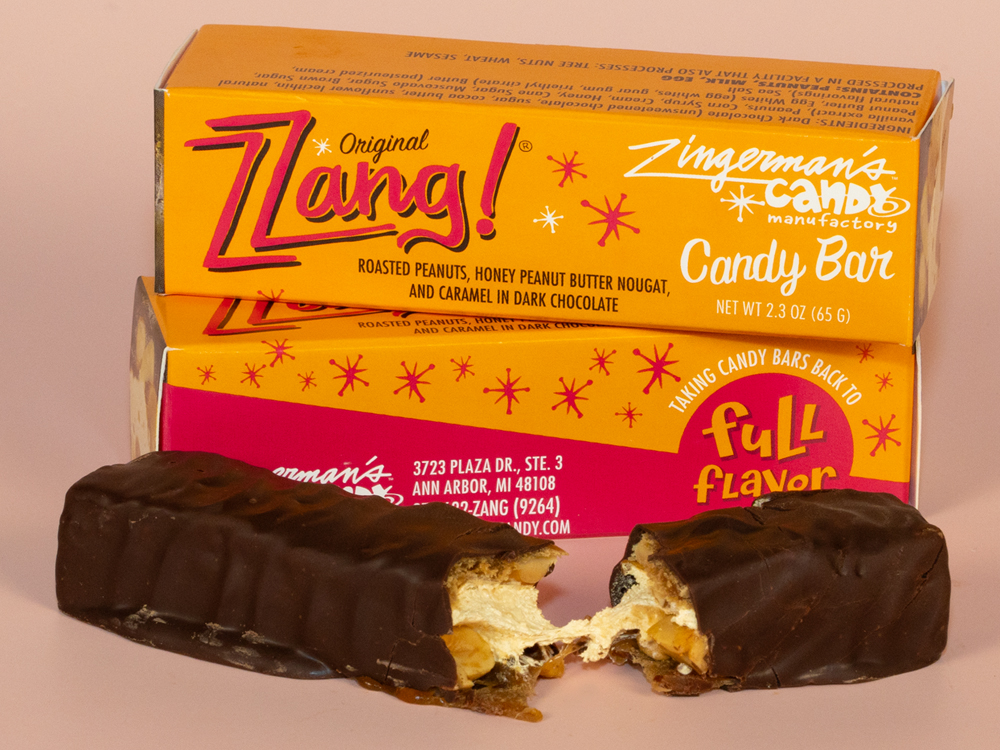
Goin’ Coco-Nutz Comes to the Candy Manufactory
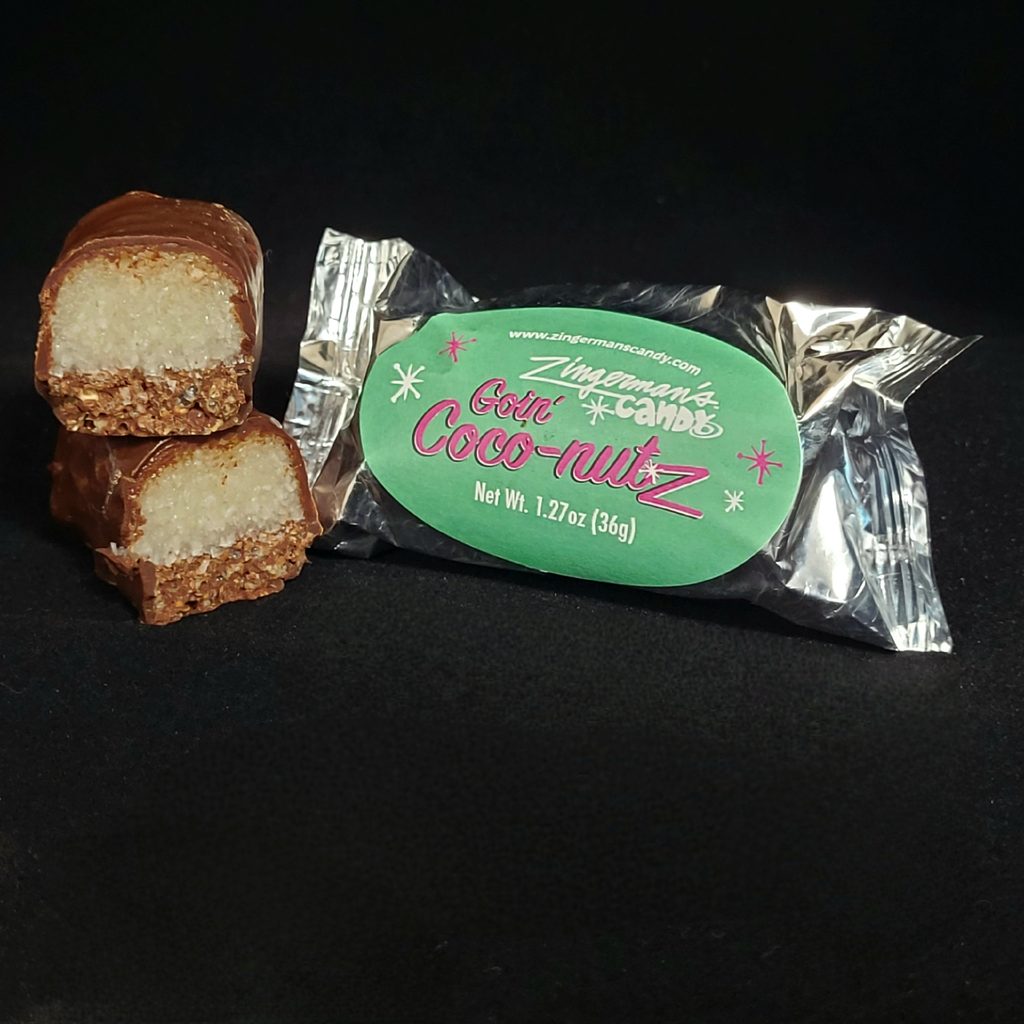
A limited-edition coconut chocolate bar (available through September, while supplies last)!
The first on the list of historian Timothy Snyder’s 20 “lessons”—i.e., things we can each do to push back against attempts to impose an autocratic regime—from his terrific book On Tyranny is “Don’t Obey In Advance.” This is, I believe, sound advice, and is also probably the best known of the lessons in the book. (I wrote a bunch about how I unconsciously began carrying On Tyranny with me in my shoulder bag everywhere I went in “Why Democracy Matters.”) There’s a corollary to that lesson from On Tyranny, though, which might go something like this:
Don’t let unspoken rules stop you from standing up for what you believe. Just because others aren’t doing it doesn’t mean you can’t go first!
As Tim Snyder says, “A tiny bit of courage, a tiny bit of truth, can change history.”
This story from Ecuadorian history proves Snyder’s point. Between 1809 and 1822, the people of Ecuador fought a 15-year war against Spain to gain their independence. Ecuador then joined what was called the Confederation of Grand Colombia, a South American counterpart to what had happened here in North America a half-century earlier with the formal formation of the United States in 1776. In 1830, Ecuador withdrew from the Confederation and became an independent country. A constitution was then written, which included a provision guaranteeing universal male suffrage.
While the new constitution didn’t actually prohibit women from voting, out of patriarchal custom, they did not. That all changed during the Ecuadorian summer (which would be our winter here in North America) of 1924, thanks to a courageous 24-year-old woman named Matilde Hidalgo Navarro de Procel. Although no woman had ever voted in the then century-old Ecuadorian state, Matilde Hidalgo, whose 137th anniversary of birth is coming up on September 29, didn’t just go with the socially approved flow. She read the actual constitutional document in great detail and discovered that there was nothing stopping women from voting—they just hadn’t done it. So she headed into a voting office and demanded to vote. The case went all the way to Ecuador’s highest court! Hidalgo won. And she became the first woman to vote in the country. She made happen what no one else thought was possible—and all it took was someone smart enough to study and brave enough to go up against unwritten rules to do what she believed was right. (This was not, incidentally, Hidalgo’s first “first”—she was also the first woman in Ecuador to graduate high school and the first to earn a medical degree.)
A little over a century later, two other boundary-pushing women are creating another first: Jenny Samaniego, from the Ecuadorian craft chocolate company Conexión, and our newest ZCoB managing partner, Jamie LeBoeuf of the Candy Manufactory, have collaborated to begin using single-origin, bean-to-bar Ecuadorian chocolate, all made using the ancient cacao variety of Arriba Nacional. As I wrote in detail last week, this new woman-led, cross-continental cacao collaboration commenced in earnest at the start of September with the Candy Manufactory’s six compellingly delicious cornerstone candy bars.
This week, the partnership takes another step forward with the release of a special, limited-edition coconut bar coated in Conexión’s terrific dark chocolate!
The original application of this coconut-chocolate combo goes all the way back to 1919, just after World War I ended. It was the height of the Spanish Flu pandemic and the year of the Red Summer, when Black servicemen returning from fighting for their country in Europe were turned on with violence by their fellow Americans. In that momentous year, the Peter Paul Candy Manufacturing Company was founded by a half dozen immigrants from Armenia. A decade later, in 1929, they bought the rights to the widely known candy bar Mounds. It grew in popularity, until, in the years following World War II, Peter Paul suddenly had a hard time getting sugar and coconut—as their supplies had been coming from the Philippines. So they set up a fleet of small ships and started to source their own coconut from the Caribbean.
The combination of chocolate and coconut in a candy bar, now an American staple, has been picked up in a more flavorful, handcrafted form by candy master Jamie LeBoeuf and crew. Of course, she “adapted” rather than “adopted,” so the Goin’ Coco-Nutz bar is a different spin on this classic confectionery pairing. It’s made from a fluffy coconut and sugar filling, set atop some house-made almond gianduja that’s been blended with a bit of crisped rice—and then, last but not least, coated with Conexión’s delicious dark chocolate. It’s also our first vegan candy bar! They’re small in size, so they make a great midafternoon snack with a shot of espresso from the coffee counter, like this month’s Roaster’s Pick, the Tree Town Blend.
I should add, too, that Zach Milner, longtime manager at the Roadhouse, loves them:
As a Mounds lover growing up, nothing beats coconut and dark chocolate. For me, it was always too chewy with no crunch to it … but Jamie and the geniuses running the Candy Co. have added that base of crisped rice that really just balances the amazing taste of what I consider the best candy bar of them all. Now that it’s made with Conexión’s chocolate, there is this deep cherry note that lingers on your tastebuds, compelling you to take more bites, and to grab another when you’re out of bites!