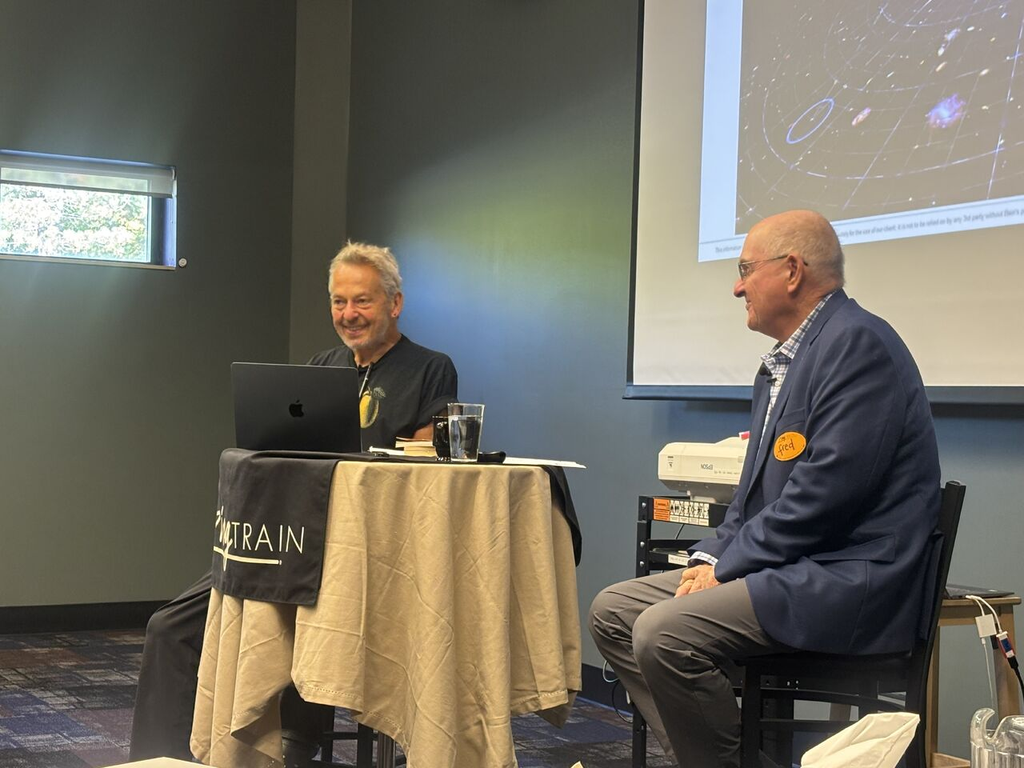
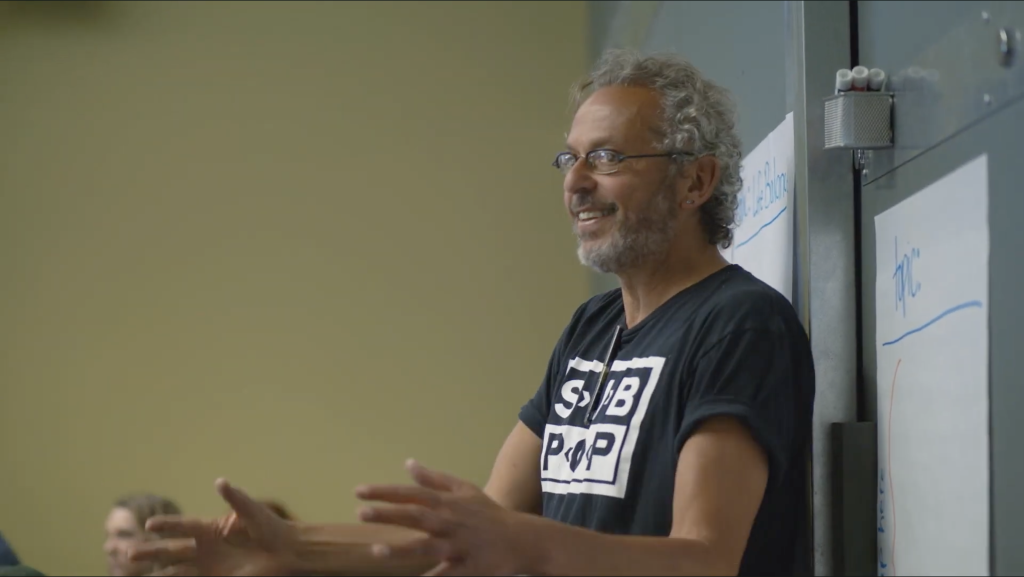
ZingTrain Tackles Your Business’s Biggest Problems
A transformative new seminar kicks off in October
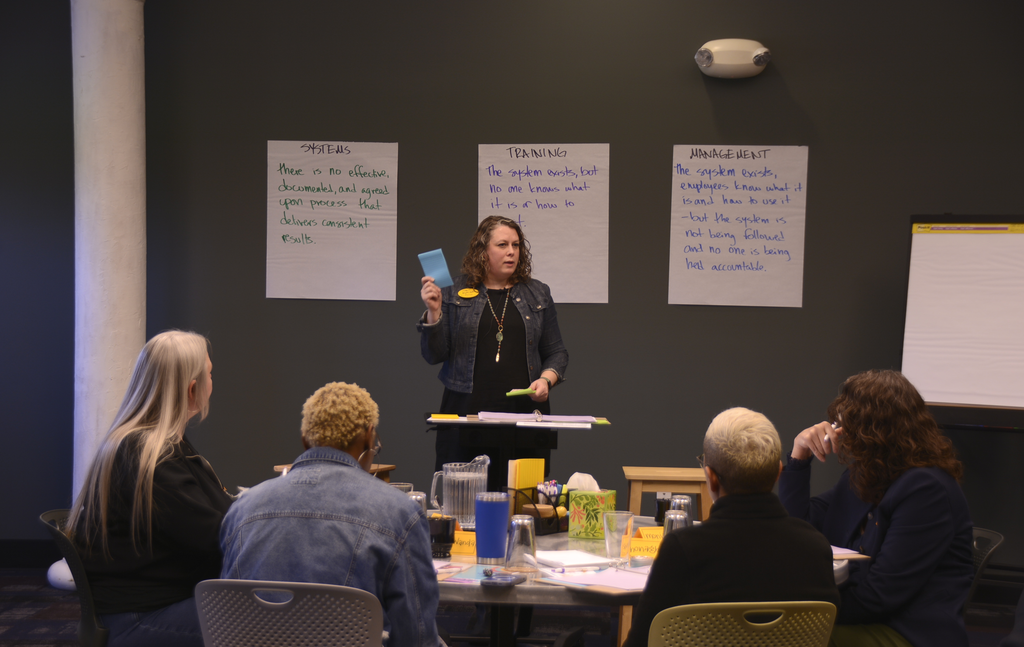
What’s that frustrating problem that just keeps cropping up in your organization? That recurring issue you and your team can’t seem to solve, no matter how hard you try? Whatever it may be, the folks at ZingTrain want to help—which is why they’ve designed a brand-new in-person seminar called “Overcoming Persistent Problems” that launches October 7–8 in Ann Arbor.
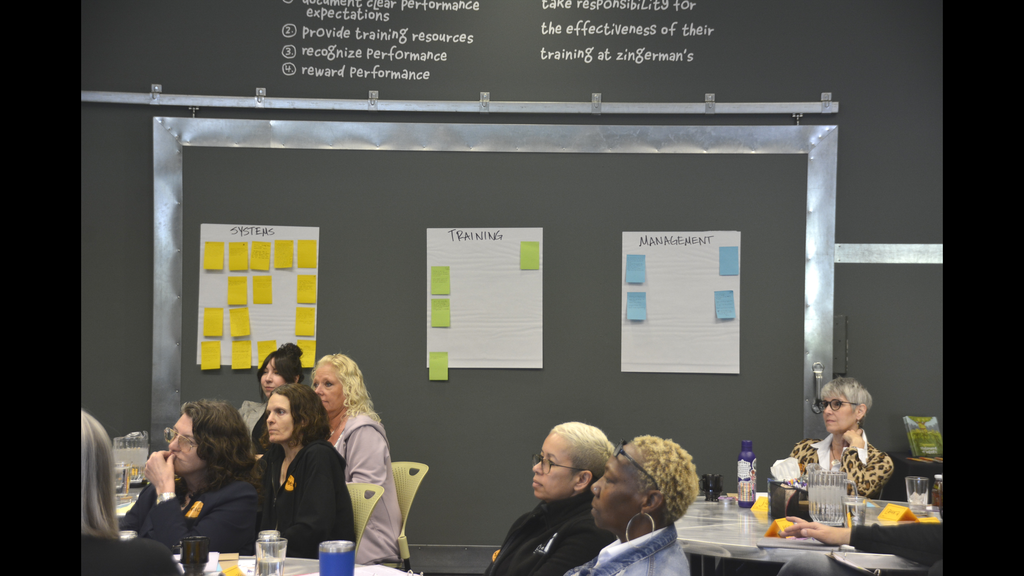
The seminar’s origins lie in a powerful 20-minute exercise that ZingTrain has long practiced with its students. The exercise asks them to break down their toughest business challenges into three key categories: systems problems, training problems, and management problems.
“It’s so much fun to do this because a lot of people go, ‘Oh my gosh, you just totally changed my perspective on what the source of our problem is—I thought it was one thing, and it’s something completely different,” says Trainer Arianna Téllez León, who is co-leading the new seminar along with Co-Managing Partner Katie Frank and Trainer Elnian Gilbert.
The ZingTrain instructors had witnessed so many of these breakthroughs over the years that, when it came time to plan their annual ZingPosium in April 2026, it seemed like an obvious choice to expand the “Types of Problems” exercise into a two-day event.
“It’s always a favorite and a big ‘aha’ moment for people,” Elnian says.
For Katie, there was real urgency around the topic, too.
“My focus is always: what problems can we help people solve?” she explains. “Especially given the uncertain economy—and many of our customers are small businesses—this is not the time to go to some conference for conjecture. People need things that are going to benefit them right away in their day-to-day.”
Sure enough, the ZingPosium test run was a huge hit with participants—and the ZingTrain team knew they had a seminar-to-be on their hands. Now, six months later, “Overcoming Persistent Problems” is debuting, with additional 2027 sessions scheduled for January 20–21 and May 19–20.
It’s Probably Not a People Problem
When something’s not working in an organization, the first place leaders frequently look is to their people: someone must not be doing their job. Replace them, and the issue will go away, right?
Not so fast.
“It’s probably not the people you work with who are the problem,” Arianna says. “My favorite part about this seminar is the fact that it recognizes that everyone is usually trying to do their best, but there’s a barrier to them being able to meet expectations. We tackle that barrier.”
For instance, take a new manager who’s struggling to give performance reviews to their team. Does that mean they’re not cut out to be a manager—or that there’s not a system in place to give them the support they need?
“Often, they just don’t know what they’re supposed to do, and no one ever taught them,” Elnian says. “They never got performance-management training on giving feedback, so how can we expect them to do that effectively?”
In other words, instead of playing the blame game, it’s all about zeroing in on what the root problem actually is, and identifying why exactly it’s happening.
“It’s rare that a person in an organization knows about a system, has been trained on it, and still just isn’t doing it,” Katie adds. “So we help leaders diagnose what’s really going on, and more often than not, it’s systems related.”
Crucially, that diagnosis includes soliciting honest feedback from frontline staff members. Without their input, managers don’t have all the pertinent data they need to make informed decisions.
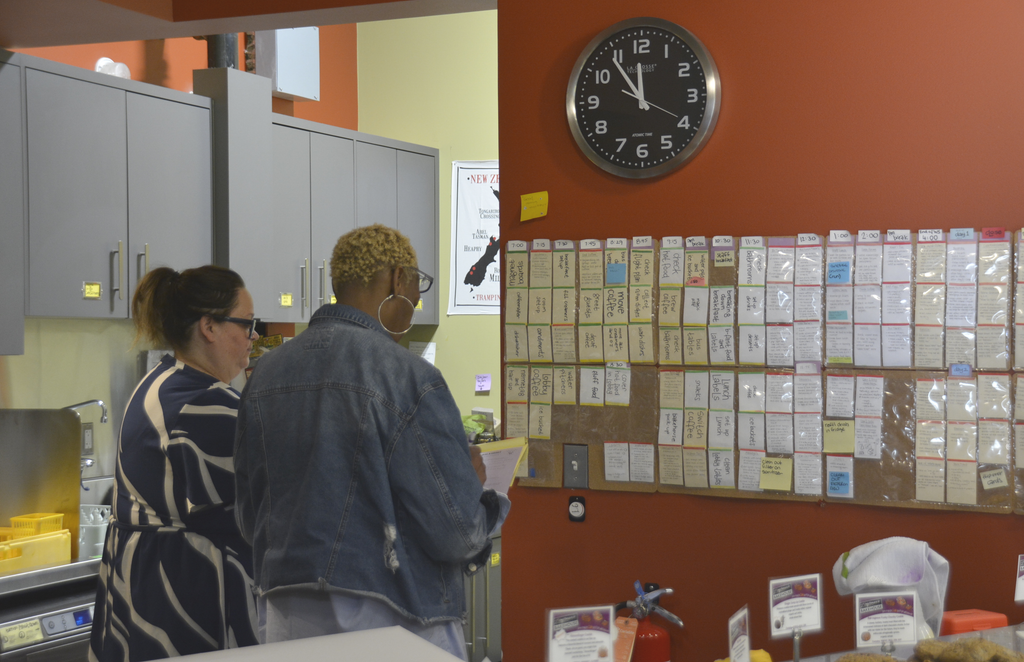
Katie mentions a deceptively simple—but pretty profound—example from ZingTrain’s own experience: At one point, the team was finding that they were consistently running out of coffee at their office on Plaza Drive. Why? Because, as it turned out, the individual in charge of brewing the coffee was someone who learned best by reading. The solution: clearly document the process in writing and place it right next to the coffee maker. System established, problem solved.
While businesses’ trouble spots go far beyond coffee, of course, the core principle remains the same: “It’s typically not a failing of the person,” Katie says. “It’s a failing of the system. So the question then becomes, what can we do to set ourselves and our colleagues up for success?”
A Collaborative Approach
For the trainers who developed it, maybe the most exciting aspect of the new seminar is its deeply collaborative spirit.
“What makes this seminar really unique is that it’s more participative and crowdsourced than almost anything we do,” Elnian says. “It’s not just us doing the teaching—it’s a chance for people to help each other through group work and active conversations.”
Developing a shared language to talk about organizational problems builds understanding and confidence among participants—as does simply realizing that they’re not alone in their struggles. And over the course of the two days, a palpable sense of camaraderie and trust emerges.
A technique called “solution recycling” exemplifies the value of this: if one participant sees that someone else has an issue that they’ve already resolved within their own operation, they can jump in and share what steps they took to fix it.
“It may not work exactly for the other person, because their situation is different,” Elnian notes. “But there’s a kernel of an idea that they can look into and take back with them.”
Ultimately, the ZingTrain team says, that’s the true goal of the seminar: for attendees to leave with a more accurate grasp of the persistent problems they face—and a full toolkit of ideas and approaches to put into action going forward.
“For anyone who’s a decision-maker or who needs to make results happen, this will give them a framework for diagnosing problems that they will always have at their disposal,” Katie says.
In the case of many leaders, that framework—with its incisive systems/training/management breakdown—is nothing short of a whole new way of thinking.
“They’ll come away with a fresh perspective, and an awareness of the need to prioritize effective systems,” Arianna adds. “It’s really about honoring the people in your organization who do the work, and figuring out a way to make it easier for them to do a good job.”
And what business out there wouldn’t benefit from that?
Does your organization have a problem you need help with? Learn more and register for “Overcoming Persistent Problems” today!