Skip to content

NYT writer Eric Kim and award-winning author
Matt Rodbard come to Miss Kim's in Ann Arbor.

NYT writer Eric Kim and award-winning author
Matt Rodbard come to Miss Kim

On Tuesday, April 30, Ji Hye and the Miss Kim crew will be hosting a pair of nationally known food writers! Together, they will put together a marvelous meal that will almost certainly sell out! I figured I’d give you the heads up here before all the seats are gone!

Ji Hye Kim is, of course, the wonderfully talented, creative, award-winning, and culinarily skilled scholar-chef-managing partner at Miss Kim. For this one evening only, she’ll be joined by a couple of comparably creative cooks.

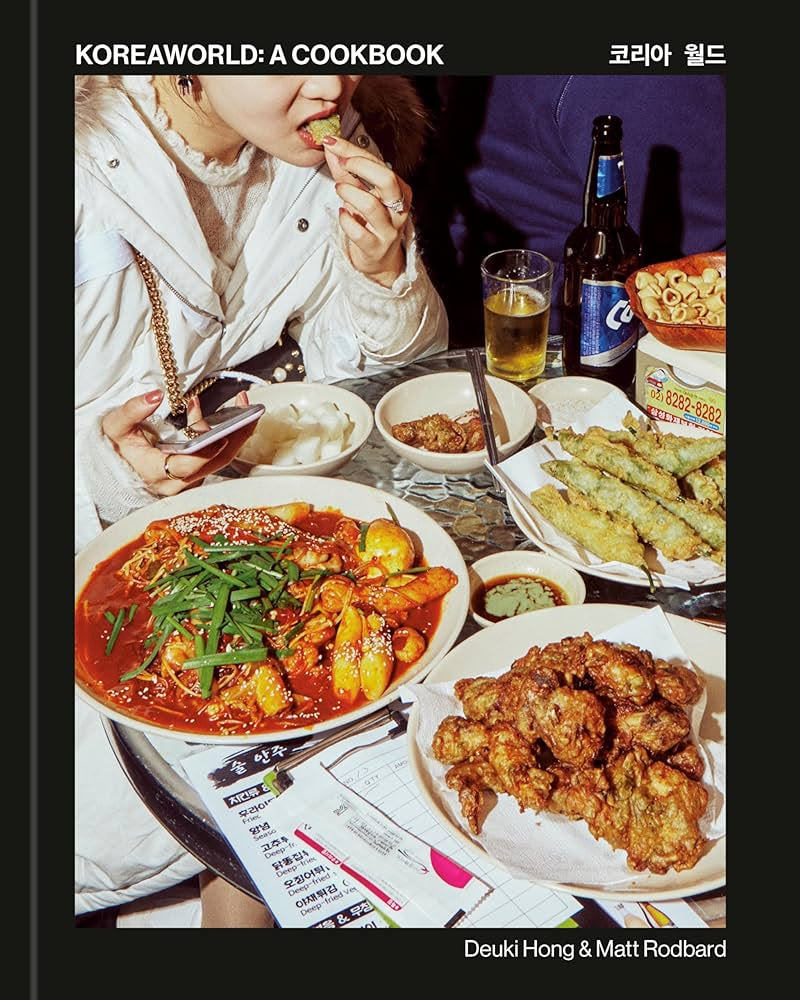
Matt Rodbard has quite the resume, including his most recent book, Koreaworld: A Cookbook. He’s won a wealth of awards, and has had articles in all the big names of 21st century American journalism: the New York TimesWall Street JournalFodor’sTravel + LeisureSaveurGQ, and Bon Appétit. As you might have extrapolated from that exceedingly impressive list, he has a passion for food and culture, and his knowledge is vast.

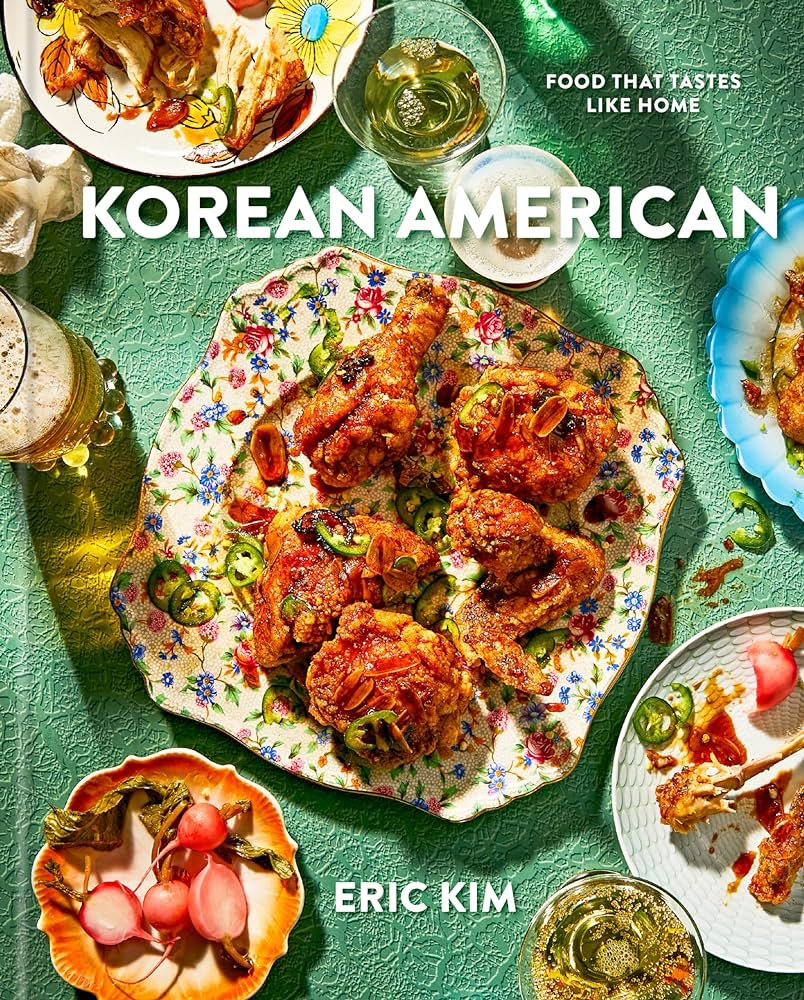
Eric Kim is prominently featured in the New York Times food section pretty much every month. He’s had pieces published in well-known publications like Bon AppétitFood & Wine, and The Best American Food Writing. His terrific debut cookbook, entitled Korean American: Food That Tastes Like Home, made the New York Times bestseller list instantly!

Each seating that evening will begin with a compelling conversation between Ji Hye and the two guest authors about the history and importance of traditional Korean cooking, both in Korea itself and then here in the U.S. After that you will get to eat a remarkable three-course meal inspired by some of the recipes in the books, but, of course, with the typical Miss Kim twist!

The best part of all? You get to take one or both books home when you buy a ticket! The dinner and a copy of Koreaworld (signed) will be $125. Add on a copy of Eric Kim’s awesome Korean American for an additional $25.

Get your tickets

To keep up with the buzz on all of the latest happenings in the Zingerman’s Community, follow us on social media: @zingermanscommunity on Instagram and Facebook, and @zingermans on X (formerly Twitter).

A big bowl of Southern comfort in this wonderful seafood stew.

A big bowl of Southern comfort
in this wonderful seafood stew

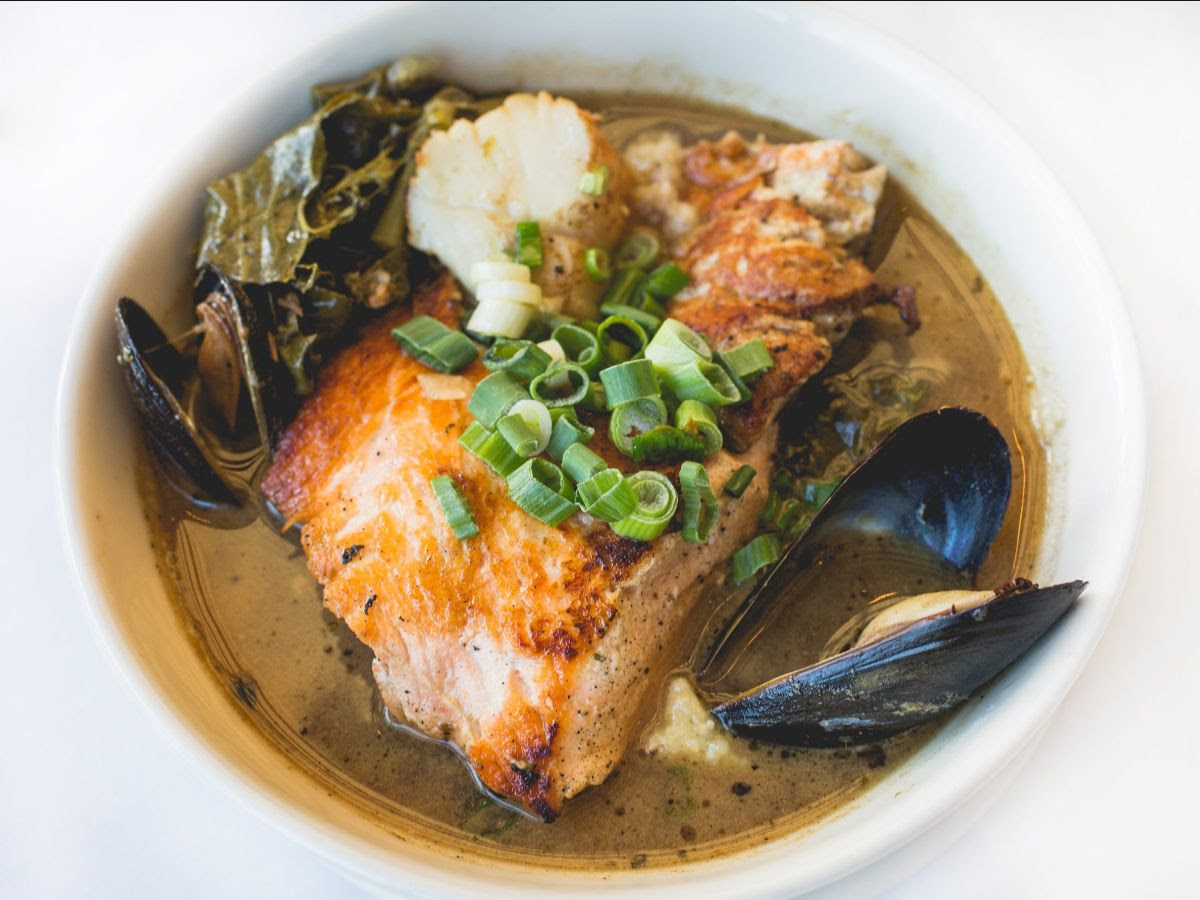
Without a doubt, one of my favorite foods from the Roadhouse—and I get to eat a lot of good food—is the Creole Potlikker Fish Stew. We’ve been serving it for nearly a decade now, and with each passing week, I think it accumulates even more loyal fans. In the spirit of Natural Law #10, since no one else (to my knowledge) makes this dish anywhere in the country, Potlikker Fish Stew is wholly unfamiliar to most new customers. Its strength? It’s well on its way to becoming a signature dish, worthy, I believe, of national attention.

While hardly any of us up here in the north have ever heard of it, down South, potlikker is pretty much an iconic culinary staple. For those who are just now learning of it, potlikker is the broth from the long-cooked, loaded up with bacon, and collard greens we make every day at the Roadhouse. It’s basically a bacon-spiked, slightly spicy, vegetable broth. In the South, potlikker is powerful stuff—the Southern equivalent of chicken soup, the way I see it.

Aside from its socio-culinary context, potlikker has an important role to play in American history. Culinary historian, accomplished author, and friend, John T. Edge explains its significance in American political history:

The Potlikker and Cornpone Debate of 1931 began when Julian Harris, an editor of the Atlanta Constitution, verbally assailed Huey Long, governor of Louisiana and United States senator-elect, over the question of whether cornbread should be dunked or crumbled into potlikker. The debate quickly escalated, and, for approximately twenty-three days, between February 13 and March 8 of 1931, engaged most of the South and much of the nation. Extensive newspaper accounts and correspondence from the time illuminate the primary themes of gender, race, class, and regional chauvinism that inform this debate.

To make this special Creole Fish Stew, we use the potlikker to poach some seafood—selections vary daily, and you’re welcome to ask. Usually, it’s three or four fish, and often some of those amazing day boat scallops we get in from the East Coast. The whole dish comes together beautifully, all poured and bubbling hot over the amazing traditionally-grown and stone-ground grits we get from Anson Mills. Dishes like this have West African roots—a fish stew served over a starch; lots of fish, lots of leafy greens. Swing by the Roadhouse, order a bowl, breathe in the restorative aromas, and enjoy a moment of quiet, comfort, and calm while you eat.

Make a reservation for the Roadhouse

P.S. If you come late afternoon, the Roadhouse Happy Hour runs from 2 to 6 pm, Monday through Friday. A host of drink deals, special Texas tacos, fried pickles, and more!

P.P.S. Here’s a longer piece I wrote about potlikker about 15 years ago.

Want more from Ari?

Sign up for Ari’s Top 5 e-newsletter and look forward to his weekly curated email—a roundup of 5 Zing things Ari is excited about this week—stuff you might not have heard of!

Follow us on social media:  Instagram, Facebook and Twitter, @zingermanscommunity.

Restaurant Week Menu January 21-26, 2024.
Miss Kim and the Roadhouse offer up delicious deals.

Miss Kim and the Roadhouse offer up delicious deals

It’s time for the annual Ann Arbor Restaurant Week menu, which means cool meals and delicious deals at both Miss Kim and the Roadhouse! It’s Ann Arbor’s bicentennial to make the Restaurant Week work even more fun! Anyone around Ann Arbor likely needs a good excuse to get out of the house after the last week of this weather that’s well beyond frigid, and Restaurant Week is a really good reason to come out! Here’s a menu overview (check the websites or give us a ring for more details):

Miss Kim

Three courses for $34 per person. Choose an item from each course! Many of the dishes are gluten-free and soy-free. (Note that Miss Kim is closed on Tuesdays.)

First Course

Smashed Potatoes – spiced with Korean Chile flakes, they seem to be nearly everyone’s favorites!

Fried Broccolini – broccolini with an amazing anchovy sauce caramel, walnuts, fried onions, and cilantro.

Arugula and Asian Pear Salad – I love this one! Fruit and spice and everything nice.

Second Course

Korean Fried Chicken with Sesame Rice – lightly battered and fried chicken with either a Sweet Chili Glaze, Sweet Soy Glaze, or Korean Chili Spice Blend

Korean Fried Tofu with Sesame Rice – the Miss Kim classic that Food & Wine magazine made famous!

Chicken or Tofu Bibimbob – a Miss Kim classic, the traditional one-dish meal of Korea

Third Course

One of our super tasty and equally lovely cupcakes from the Bakehouse or housemade Mochi Cupcakes!

Roadhouse

Three courses for $35 per person for lunch, $50 per person for dinner.

First Course

The appetizer for both lunch and dinner is Really Wild, Wild Rice Fritters – We created this dish to honor the people who lived on the land that is now Ann Arbor for centuries before European arrival. Fritters made with really wild, wild rice from Cass Lake in Minnesota. Served with spinach pesto, Bellwether Farms ricotta cheese, and arugula microgreens.

Second Course for Lunch

“Chicken-Fried” Mushroom Pierogi – Srodek’s vegetarian potato pierogi with IASA peperoncino, butter, and herbs, topped with “chicken-fried” Maitake mushrooms.

Ham-Chester Sandwich – Nueske’s applewood smoked ham, Creamery Manchester cheese, and Wisconsin pear-mostarda on grilled Bakehouse Sourdough.

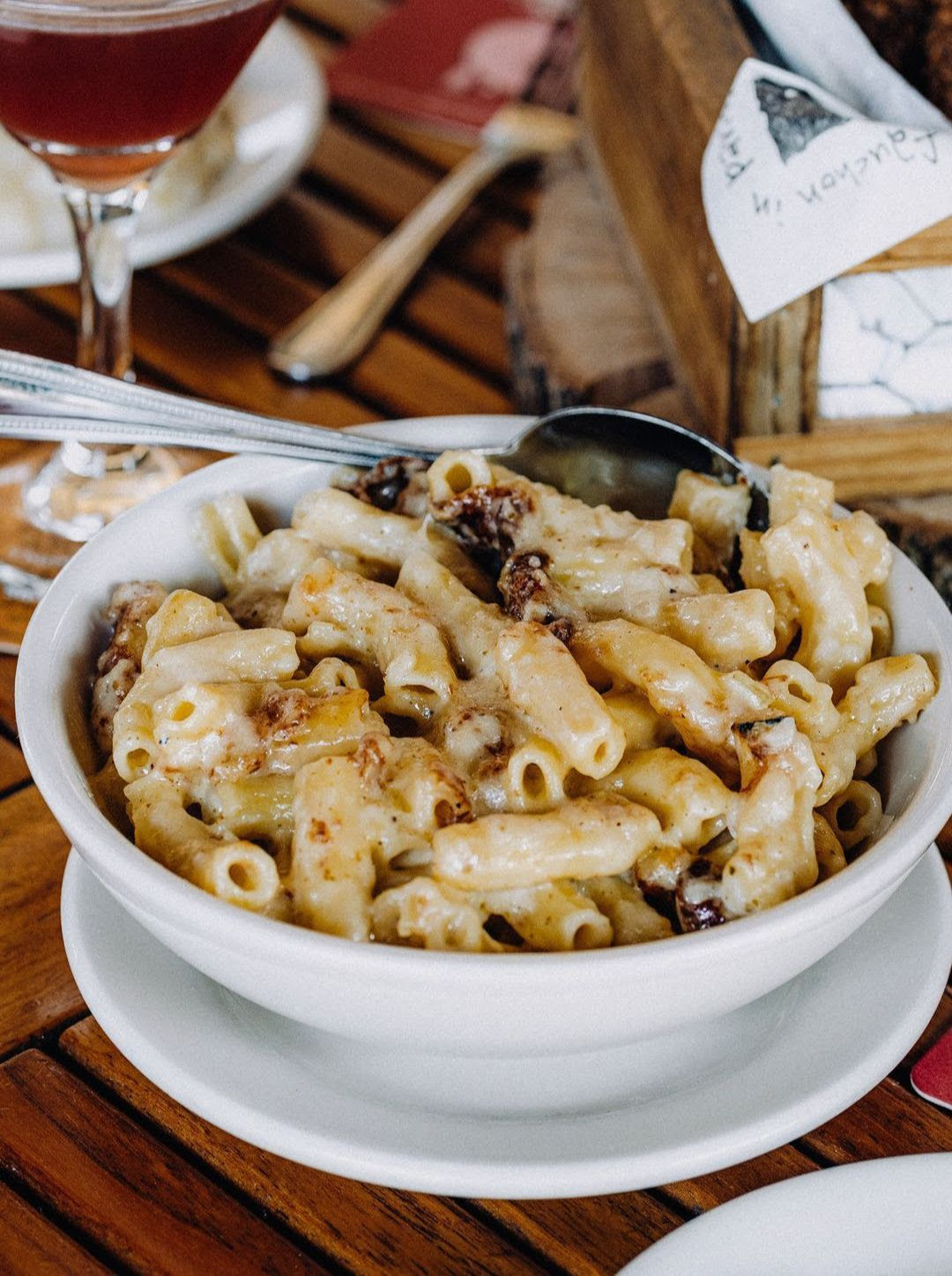
Roadhouse Mac & Cheese Comb with Soup or Salad  – a side of Roadhouse macaroni made with a creamy Cabot Vermont cheddar cheese white sauce, caramelized with Mancini farmstead pasta from the Marche region of Italy. Served with your choice of soup or mini salad.

Second Course for Dinner

Shrimp & Grits – amazing wild-caught North Carolina shrimp with sautéed peppers, onions, and smoked Andouille sausage, all served over Anson Mills’ heirloom grits.

Short Ribs & Red Beans – Creole-style short ribs topped with a bacon and scallion salad, served with Camellia red beans (a New Orleans classic) over Carolina Gold rice.

“Chicken-Fried” Mushroom Pierogi – Srodek’s potato pierogi with IASA peperoncino, butter, and herbs and topped with “chicken-fried” Maitake mushrooms

Third Course for Both Lunch and Dinner

OMG Cupcake from the Bakehouse – chocolate cupcake stuffed with dark chocolate ganache, topped with dark chocolate buttercream frosting, and glazed in chocolate!

Read more about Restaurant Week

Want more from Ari?

Sign up for Ari’s Top 5 e-newsletter and look forward to his weekly curated email—a roundup of 5 Zing things Ari is excited about this week—stuff you might not have heard of!

Follow us on social media:  Instagram, Facebook and Twitter, @zingermanscommunity.


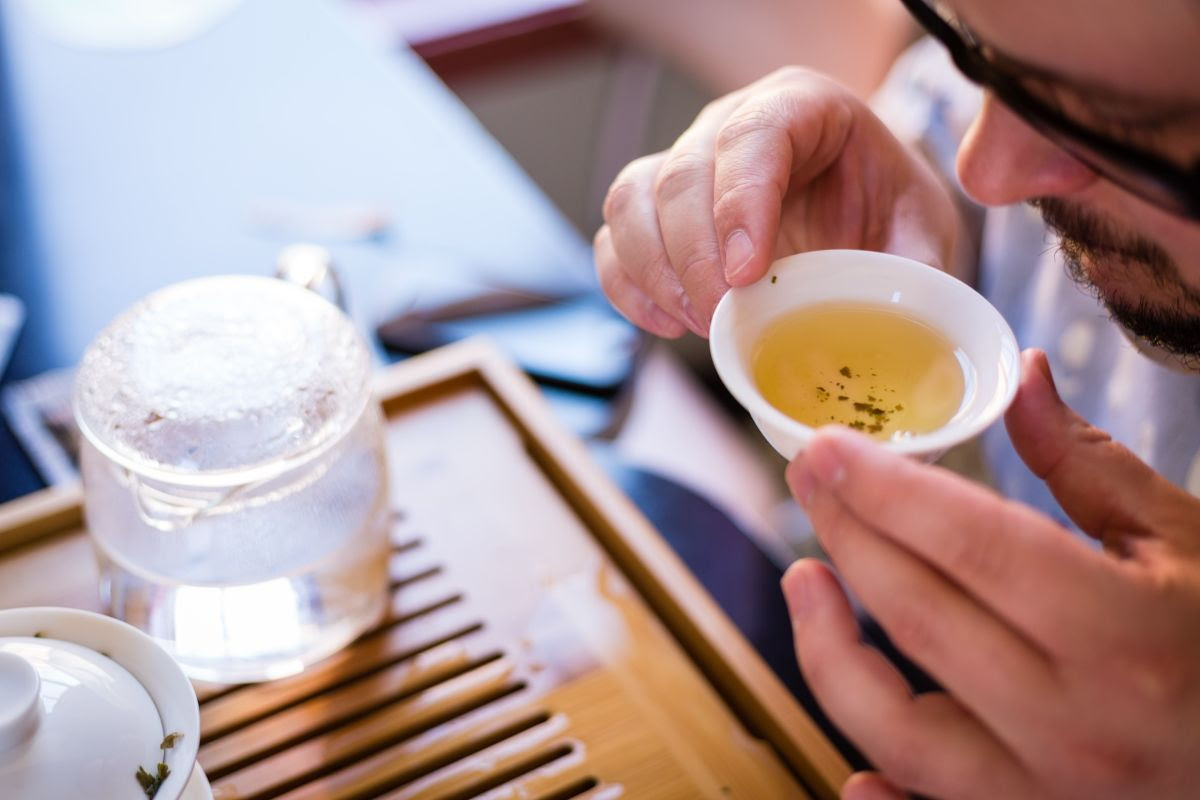
First Flush Darjeeling Tea from the Lingia Estate. The first picking of the 2023 spring harvest hits the Deli’s shelves.

The first picking of the 2023 spring harvest
hits the Deli’s shelves

In the “ABC of Zingerman’s Food Philosophy” that you’ll find in the new pamphlet, “A Taste of Zingerman’s Food Philosophy,” you’ll see this superfine tea under “D”:

D is for Darjeeling. More specifically, First Flush Darjeeling Tea. This is the very limited supply of Darjeeling tea that comes from the first harvest of the spring season each year. … To this day, First Flush Darjeeling remains one of my favorites of all the fine foods we sell, and each spring I wait eagerly for the new season’s arrival.

That last bit led me to write this piece right now. The 2023 First Flush has just come in! It’s a tea that tastes like no other, one that evokes emotion, calls up my creative spirit, and comforts me all at the same time. If, as Chitra Banerjee Divakaruni writes, each day has a smell, right now it’s the aroma of the 2023 First Flush that accounts for the aromatic activity of the whole last month for me. Even before it’s been brewed, the aroma is enticing. Fresh, lively, aromatic, and hard to walk away from—I keep sticking my nose back in the bag to get just one more sniff before I head off to do other things.

We start our selection process each year by tasting a range of samples from different gardens, or estates. For the last few years, Jackson Konwinski, Tea Buyer at Zingerman’s Deli, has ably led the work. How does he do it? He explains:

Selection for me involves tasting the different offerings next to each other, always with two steepings to see how the tea evolves. I look for a tea that has some of the classic Darjeeling flavor notes (citrus, spice, brisk finish) but that brings something extra and unique to the table. This year, it was the flowery nose and other fruits on the palate. I also insist on a tea that re-steeps well. Teas that were in the running after the first infusion have been pushed aside when the second steep fell flat. 

This year, we really liked the tea from the Lingia Estate. Lingia was founded in 1867 when a couple of German missionaries picked a small plot of land to plant in the western part of the Darjeeling district, about 30 miles from what’s now the border with Nepal. At the time the two set their tea saplings into the soil, it was the first known tea-growing activity in the area. Back in the middle of the 19th century, the British government was determined to plant enough tea to significantly reduce England’s dependence on China, which was the sole source of tea up until the British began to plant it on their newly conquered Indian colonial land in the 1850s. Darjeeling was the first region to be planted in the drive to create an independent and dependable source to meet the ever-growing demand for tea in the U.K.

The Lingia teas today are grown at an altitude of at least 2800 feet, all the way up to 6000 feet. Higher altitudes generally mean the plants work harder to grow and the tea leaves that come from them are more flavorful, and this lot is selected from the leaves picked at the highest altitudes in the garden. The tea is certified organic, and all of the harvesting and oxidation work to make the tea is traditionally done by hand, what’s known in the trade as “Orthodox production.” You need to hand-pluck something like 11,000 shoots to make a pound of good tea, just two leaves and a bud from the tip of each branch.

The flavor of the 2023 tea is superfine. In fact, thanks to Kevin Gascoyne and his colleagues at Camellia Sinensis, our longtime tea importer in Montreal, we’ve been able to get our hands on a tea that is, literally, a superfine tea. It’s formally graded as SFTGFOP, which stands for Superfine, Flowery, Tippy, Golden, Orange Pekoe. TGFOP is typically what’s available and is, in its own right, excellent. The superfine is simply next level.

We’re lucky to have it. Gascoyne says it’s “bright and lively, the sustained liquor leads us to saline (soy) and fruity (green grape) notes as a base for the explosive floral notes of roses, typical to this terroir.” And there’s a particular taste of the terroir where the Lingia Estate is located that’s known to bring a “rose flavor that cannot be replicated anywhere in the Darjeeling hills.” I think the tea is terrific—edgy and excellent, almost like a coming together of the best of black and green teas in a single cup, with a nice level of tannins and a lovely bit of what Jackson says reminds him of grapefruit.

I’ve long thought of First Flush Darjeeling a bit like free jazz—intentionally a bit out of balance, thought-provoking, attention-getting, inspiring in the best possible way. Like free jazz, it’s not for everyone, but for the right people—of which I’m clearly one—it’s an inspiration.

Try a terrific tea

Want more from Ari?

Sign up for Ari’s Top 5 e-newsletter and look forward to his weekly curated email—a roundup of 5 Zing things Ari is excited about this week—stuff you might not have heard of!

Follow us on social media:  Instagram, Facebook and Twitter, @zingermanscommunity.

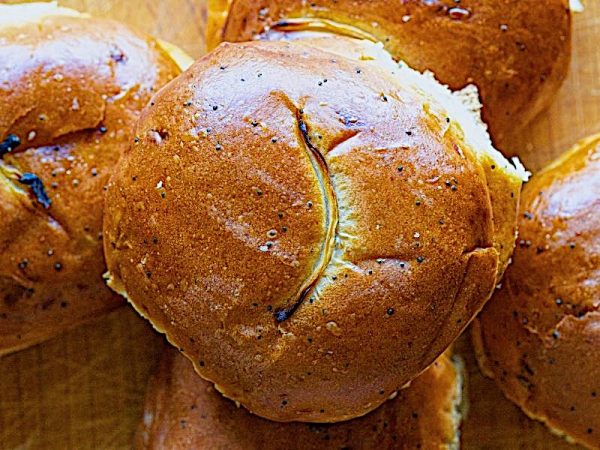
New Yorker Onion rolls from Zingerman's Bakehouse.

A Special Onion Rolls Bake for July 1st through 4th

Back in the early months of 1982, Paul and I drove all over the Detroit area together, going from one bakery to another, to try rye bread. The one we settled on, for whatever reasons of fate and good fortune, was the only one that would not deliver to Ann Arbor! We bought from them for 10 years until, in September of 1992, we opened the Bakehouse.

One of the positive side notes we’d never previously heard of was what they called New Yorkers. A regular item at the bakery we were buying from, I’ve still not found anyone outside the area who knows them, nor have I really found any history about them. Soft, square in shape, onion rolls, filled in the center with a generous dose of dark roasted onions and plenty of poppy seeds.

It’s not hard to imagine rolls like this as a part of the baking of poverty in Eastern European Jewish towns. Onions were readily available in northern climates and could be grown by almost anyone interested. Unlike more expensive spices like cinnamon, poppies grew locally and seeds were plentiful. It seems reasonable that Eastern European Jews who came to the U.S. would likely have brought them along. And they do seem to resemble the now famous onion rolls from the classic New York restaurant, Ratner’s.

This weekend we’ll be doing a Special Bake of these great old-school New Yorker Onion Rolls. Terrific just eaten out of hand. Great with lots of butter or the Creamery’s handmade Cream Cheese. I think they’re wonderful for egg sandwiches—either a fried egg, or scrambled eggs (even better still if you do it with the salami and eggs I wrote up a few months ago, or smoked salmon and eggs). Since I love poppy seeds, I might just spread on some cream cheese and then throw an extra handful of seeds in the middle before I eat.

I’m also thinking about toasting one, rubbing it with a bit of bacon fat, and then sprinkling on a bunch of Hungarian paprika! The New Yorkers are great for burgers or the BLTs that will soon be in season as well. In fact, thinking back to a story that I rarely remember to tell, making a BLT on a New Yorker was a regular morning treat for me back when we opened the Deli. Buy a bag of New Yorker Onion Rolls and start some family stories of your own!

New Yorker Onion Rolls will be at the Bakeshop July 1st through the 4th and at the Deli July 1st and 2nd.

Want more from Ari?

Sign up for Ari’s Top 5 e-newsletter and look forward to his weekly curated email—a roundup of 5 Zing things Ari is excited about this week—stuff you might not have heard of!