
Tag: ZINGERMAN’S BAKEHOUSE
Cultured butter and Nicaraguan cacao make culinary magic
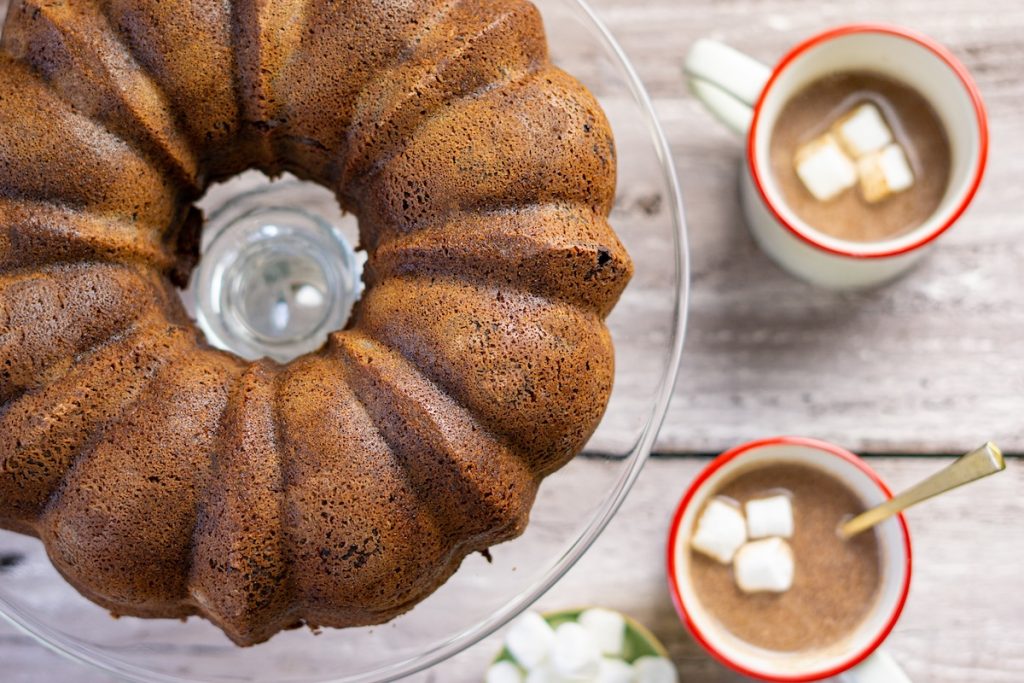
Avant-garde composer John Cage once shared, “Ideas are one thing and what happens is another. For me the surprise of what happens is the real joy.” That is, in fact, a lovely restatement of how I feel about the Bakehouse’s Hot Cocoa Cake. It’s even better than before now that we’ve started putting Vermont Creamery Cultured Butter into the culinary mix. Each bite, for me, is indeed joyous, for the beauty of the flavor itself and for seeing the idea come to such compelling fruition.
A year or so ago—in the kind of conversations we are always having here at Zingerman’s as we imagine ways to make what we bake, cook, and sell better still—the butter certainly seemed like a good idea for the cake. The thought itself was energizing, absolutely intriguing. I was hopeful, but of course, the evidence is not in the idea but in the eating. And as John Cage suggested it would, the real joy appeared many months later when I tasted the cake! It’s even more impactful than I’d imagined.
The last time I wrote about this great Bakehouse cake was to announce that we had made it even better by switching over to the French Broad Chocolate single-origin Nicaragua chocolate. This was about two years ago. Carefully sourced and crafted by my friend Jael Skeffington and the FBC team in Asheville, the chocolate is darker, better quality, and, without question, more compelling! The flavor is cleaner, less sweet, more coherently cocoa-y! Zach Milner—busboy turned longtime Roadhouse dining room manager who’s also served as a Staff Partner for the past year—ate some when we made the switch, and his enthusiasm was palpable: “Wow! With the new chocolate, the Hot Cocoa Cake is now my favorite Bakehouse coffee cake! You really can taste the difference!”
The chocolate song we’re singing remains the same when we make this cake with Vermont Creamery Cultured Butter. The butter, as I’ve been noting for weeks now, is making three dozen or so ZCoB staples significantly better than they already were. All of them tasted great and were big sellers before we upgraded the butter.
If you’re not already aware, the cultured butter is made the way great butter would have been made in the 1830s, when the house and barn at Cornman Farms were being built. Up until the end of the 19th century, the cream from fresh milk would have been allowed to slowly rise to the top. It would then be skimmed and saved for at least a couple of days, until the farm family had enough of it to make butter with. In the process, the natural bacterial cultures would ripen, enhancing the flavor in the cream. The process is similar to how cheese and yogurt develop, and the results are truly remarkable. Pretty much everyone who eats it loves it. People adore it on the Roadhouse bread service and in the Buttermilk Biscuits, Butterscotch Pudding, grits, mashed potatoes, and more. In October, the Bakehouse followed suit. This butter is now in the scones, Sour Cream Coffee Cake, croissants, Patti Pockets, and pie crusts. You really can taste the difference.
The Hot Cocoa Cake is truly delicious. It’s still Zach Milner’s favorite. Here’s what he says:
What was already a really marvelously luscious chocolate from French Broad has now been joined with some truly special butter. Like all the coffee cakes, I thought it was moist before, but now, with the cultured butter in it, it basically melts in your mouth. Amazing texture and creaminess mixed with that chocolate … you really can’t beat it. It’s my go-to with a cup of Holiday Blend coffee.
You can order the Hot Cocoa Cake whole at the Bakeshop, Roadhouse, or Deli. Or have it shipped from Mail Order. FYI, it’s part of the lineup our great Coffee Cake Club offers. And you can get it by the slice at the Bakeshop and Roadshow!
Care for a coffee cake?
Another great baked good made better still by better butter
To pull together the pursuit of pennies, last week’s essay on generosity, and the paragraphs that follow, I’ll share a line from the one and only William Shakespeare’s late-16th-century play Love’s Labour’s Lost:
And I had but one penny in the world. Thou should’st have it to buy gingerbread.
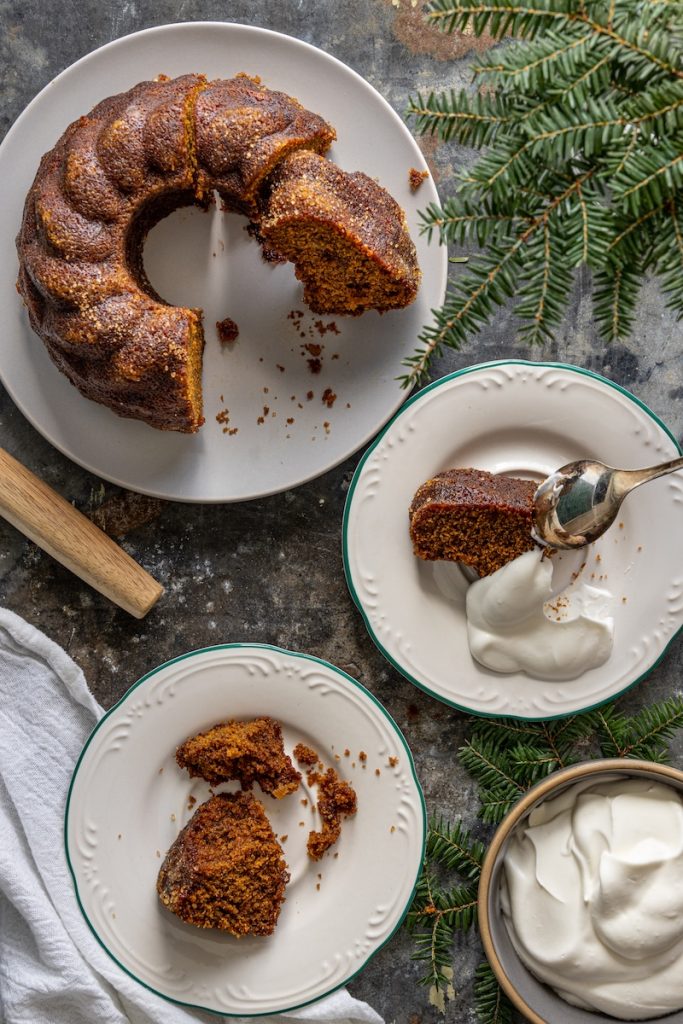
Though it will cost you far more than a penny apiece, the Bakehouse’s Gingerbread Cake is very well worth it—at least to my ginger-loving taste buds. It is, by far, one of my favorites amongst the many hundreds, probably thousands, of great products we make, serve, and sell. If you want a cake that delivers at the world-class level of Shakespeare, this is the one.
In case you’re one of the few folks who hasn’t yet heard, we have begun using the remarkably delicious Vermont Creamery Cultured Butter in more and more of our Bakehouse pastries. Between the Bakehouse and the Roadhouse, the cultured butter has now been effectively and deliciously incorporated into about two dozen different items. Each of them was already a great product but has been made markedly better still by the excellence of the butter. Bakehouse scones and Sour Cream Coffee Cakes, as well as Roadhouse Buttermilk Biscuits and Butterscotch Pudding, are a few of the products benefiting from being made with better butter!
The Vermont Creamery Cultured Butter, as I’ve been saying, is made as great butter would have been made up until the end of the 19th century. High-quality cream is allowed to ripen so the natural bacteria develop their flavor just as they would in yogurt, cheese, the chorizo I wrote about last week, and even sourdough bread. Modern butters are nearly all what is now known as “sweet butter,” which is a lovely though slightly deceptive way to describe something that actually has less flavor than its cultured cousin.
The Vermont Creamery Cultured Butter is so good that almost every day I talk to someone who has made it the regular butter at their house. And I just placed an order this week to ship a loaf of Roadhouse bread and a one-pound tube of the cultured butter to a friend as a small thank-you gift. (The Vermont Creamery Cultured Butter is not on Mail Order’s website. Just email us at [email protected], and we’ll happily ship you some!)
If you want to make it at home, the recipe for the Gingerbread Cake is on page 177 in the newest Bakehouse cookbook, Celebrate Every Day. If you flip to that page, you’ll see that, as with almost everything at Zingerman’s, the high quality of the ingredients contribute a lot to the flavor. Amy Emberling, co-managing partner of the Bakehouse, adds:
The process for making gingerbread is quite simple. It’s a one-bowl quick cake. What makes ours particularly good, I think, is the combination of ingredients that add many layers to the flavor—brewed Zingerman’s Coffee Company coffee, hot mustard, Indonesian long pepper, crystallized ginger, and orange juice. It actually takes more time to measure all of the ingredients than it does to make the cake!
Add in lots of cultured butter, organic flour, and fresh eggs. They all come together to make a dark, mysterious, marvelously gingery flavor that seems to appeal to almost all ages and taste preferences.
Be sure to let the cake breathe for 20 to 30 minutes after you open its plastic package. One of my favorite bits about the Bakehouse’s Gingerbread Cake is that with a bit of contact with the air, it gets this really thin sheen of a sugar crust on the outside, sort of like that very first bit of the ice crystals that form on the lakes this time of year. It ships well, too, so it makes a very good gift for a friend, relative, or business connection you’re trying to impress. The cake is great on its own at any time of the day. Delicious with Zingerman’s vanilla gelato. Or with some of that wonderful Roadshow Butterscotch Syrup. If you’re in the same camp as longtime Mail Order marketer Brad Hedeman, you’ll happily spread some additional cultured butter on your slice of coffee cake!
Get your gingerbread
Vermont Creamery Cultured Butter takes a classic to new heights
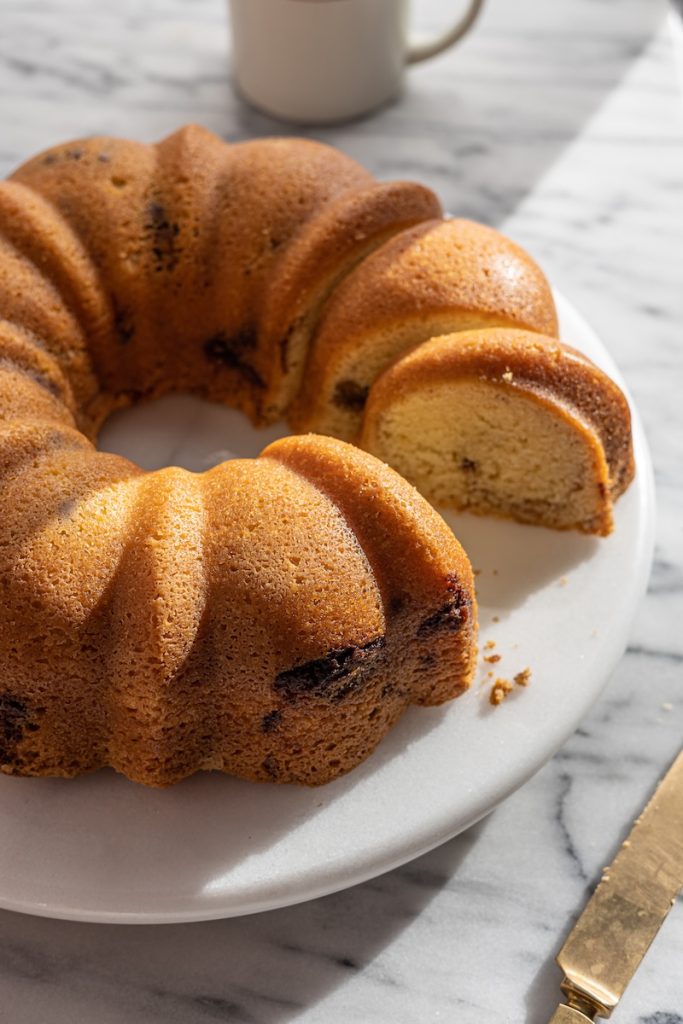
Are you one of the tens of thousands of fans of the Bakehouse’s Sour Cream Coffee Cake? If you are, I’m excited to share some great news: Thanks to a quality-focused collaboration between the Bakehouse and the crew at Vermont Creamery, the Coffee Cake is now on the growing list of longtime best sellers that we have recently made markedly better with Vermont Creamery Cultured Butter.
What has long been great is now notably better. To be clear, it’s still the same great Sour Cream Coffee Cake—the recipe is really unchanged. All that’s different is the big upgrade in butter quality. As we say, “You really can taste the difference!” Bakehouse staffers have been oohing and aahing about it ever since we made the butter switch a couple of weeks ago. The aroma is markedly more buttery. The flavor is richer, rounder, and even more luscious than it already was. All the same great spices, walnuts, and sour cream are all still in place, but the cultured butter seems to weave them into the mix just a bit more effectively. The finish is longer, the cake creamier!
What is cultured butter? It’s the way all good butter would have been made 150 years ago. The cream is allowed to “ripen” before being churned into butter, which means that, as with yogurt, cheese, or sourdough bread, the natural cultures develop to make the flavor fuller and more complex. Whether it’s in the Coffee Cake, spread on a couple slices of toast, or melted atop a just-cooked steak, it really is terrific!
The Sour Cream Coffee Cake itself is, of course, not a new product. Nearly 40 years ago, Ellie Marks and others would go down to the basement of the Deli each morning and butter up a few Bundt pans to prepare for the day’s business. On weekdays, we made one cake; on busy weekends, two or three. Now we make many thousands. Despite the increase in volume, I will say with certainty that the quality is far better now than it was back then. Neither Ellie nor I was especially good at baking, but the Bakehouse pastry crew is skilled, trained, and far, far more focused on their craft than we were able to be back in the early days of the Deli. Their attention to detail and many years of experience come through in the impressive consistency of the Coffee Cake!
You may have experienced the great flavors of Vermont Creamery Cultured Butter over the last couple of years at the Roadhouse. It showed up first on the Roadhouse menu’s Bakehouse bread service. Almost right off the bat, it was a huge hit! Many regulars now buy one of the one-pound tubes to take home after dinner! From there, the cultured butter began to show up in other key menu items: the Buttermilk Biscuits, the Anson Mills organic grits, the mashed potatoes, on steaks and seafood, and, most recently, in the really remarkable Butterscotch Pudding. All were already excellent, and all have been made much better by our butter improvement. As of this month, we’ve done the same with Cultured Butter Croissants, scones, Patti Pockets, and pie crusts at the Bakehouse. Each item we’ve put this butter in is markedly better than before!
If, by chance, you haven’t had any of the Bakehouse’s Sour Cream Coffee Cake lately, the cultured butter could be a compelling reason to give it a try. This coffee cake is made with lots of it, which means that it a) tastes terrific and b) lasts a really long time (without the need for any multi-syllabic, lab-produced preservatives). Add in sour cream, Indonesian Korintje cinnamon, eggs, toasted walnuts, and real vanilla, and you’ve got a great-tasting cake. Perhaps best of all, pretty much everyone who tries it likes it. Old, young, connoisseur, food novice, locals, East Coast, West Coast, in the South, in South Dakota … almost everybody adores it.
Right now, we have these cakes in good supply at the Bakeshop, Deli, Roadshow, and Coffee Company. You can buy the cakes whole, by the slice, or both. Eat a slice in the car on the way home and save the whole cake for the rest of the family. Or ship a cake to a friend—right now, everyone can use a bit of extra connection.
Collect your coffee cake

The flakiest bite of butter and sugar you’re ever gonna eat
You can add the Bakehouse’s beautiful and delicious Palmier to the ever-growing list of pastries being enhanced by the recent addition of Vermont Creamery’s Cultured Butter. As with the scones and croissants I’ve written about in recent weeks, and the Roadhouse’s Buttermilk Biscuits, Butterscotch Pudding, Bakehouse Bread Platter, and more, what has long been really, really good just got even better. It makes perfect sense. In the Bakehouse’s Palmier, the butter is the star of the recipe, accompanied by a wonderful, darkly caramelized sugar. When we make the butter a whole bunch better—as is the case with the Vermont Creamery Cultured Butter—we also take the Palmier to the next level.
Psychologist and author Angela Duckworth says, “There are no shortcuts to true excellence.” It’s another way of saying what Sarah Harris writes in her above-mentioned essay, “The Shortcut Is the Long Way.” Patience and persistent, steady improvement will pay off over time. When we continually work to improve, we’re willing to invest in getting ever better. As the Bakehouse raises the bar by buying better and better ingredients, their relentless commitment to continually getting better shows that great things really can happen, that quality improvement for the sake of better flavor can be a deciding factor in that growth, and that good finance only follows from there. The better-than-ever—and butter-than-ever—Palmier is the latest proof!
The Palmier is not the best-known Bakehouse pastry, but to my taste, it is one of the best! There’s something so simple and yet so special about it. Crunchy sweetness. Compelling caramelization of sugar. A whole bunch of butter. There’s no frosting to obscure its simple elegance. It approximates what you would get if you took the best parts of a croissant’s buttery, flaky, crunchy crust, then added a bunch of sugar, shrank the surface area, and baked it. The pastry that results is lovingly caramelized by that magical Maillard effect and, in my opinion, worthy of poetry.
Palmiers are made from what bakers call “laminated dough,” similar in style to a croissant dough, but without the yeast that makes a croissant rise. The baguette brings maximum crust to the bread world, and the palmier does much the same for pastry. You get a whole lot of crunch and almost no soft interior. Amy Emberling, co-managing partner of the Bakehouse, says, “They are like croissants and French baguettes and strudel to me—baking miracles. There are only a few ingredients: flour, butter, sugar, salt, a touch of lemon, and plain old water. Nothing unusual. Yet through some precise techniques, it’s possible to make these buttery, flaky, crisp, really delightful cookies.”
The obvious thing to do with a Palmier is to simply eat one. Great with coffee or dipped into hot chocolate. You can also crumble it over gelato. Or pudding. Or rice pudding. If you like a sweet-savory combo, you can also spread one with cream cheese—killer! If you enjoy your salads on the slightly sweeter side, crumble one over top to add the kind of crunch you get from croutons. Break some up over buttered noodles for a really nice dessert pasta—a bit of a high-end version of noodle kugel. Whatever you do with them, know that Bakehouse Palmiers are crumbly, crunchy, caramelized, butter-laden awesomeness.
Historically, the palmier probably dates back to the turn of the 20th century, so it’s not all that old in the scheme of the culinary world. It’s interesting in that it’s a chocolate-less pastry that came to prominence at the same time that chocolate was going mainstream. In French, palmier means palm, and that is what this pastry resembles visually. Palmiers appear around the world with various names and in slightly different forms. In the States, some folks call them Elephant Ears. In Germany, it’s Pig’s Ears. French Jews, I’ve read, serve them for Purim—they’re said to resemble Haman’s ears. In China, they’re called Butterfly Pastries. In Switzerland, they go by the name Hearts of France. In Spain, they finish them with chocolate, coconut, or both; in Puerto Rico, with honey. Given that they’re so universally loved, perhaps the palmier, like the palm leaf it’s made to resemble, could be a universal pastry symbol of peace. Bring a bag of them with you as a peace offering, and think peaceful thoughts when you eat them.
Preorder a Palmier
Plus a box of her favorite things (raindrops on roses not included)
There’s a saying that “life is what happens when you’re busy making other plans,” and that’s exactly how Abra Berens found her way into the world of food.
Back in 2002, she was a student in Ann Arbor, out for a long walk and thinking about her future, when hunger struck. She happened upon Zingerman’s Deli, stepped inside—and quite literally stumbled into her life’s work. Abra tripped over the door jamb in front of the Bread Box, and the person behind the counter immediately came around to help her up, offering a sample of Sour Cream Coffee Cake.
She ordered a sandwich, sat in the Next Door Café, and was inspired to apply for a job. Spoiler: she got it, and more than 20 years later, Zingerman’s remains one of the defining influences in her life. It’s where she learned how to taste, to lead, to think critically about food and where it comes from, and to dream big. Zingerman’s Co-Founder Paul Saginaw even officiated her wedding—to another ZCoBber—and Rodger encouraged her to pursue culinary school at Ballymaloe in Ireland. Under the guidance of Founder Darina Allen, she deepened her understanding of the relationship between farms and restaurants, knowledge which continues to shape her work as an author and the culinary director of Granor Farm.
Not bad for a stumble, a sample of Sour Cream Coffee Cake, and a sandwich that needed two hands to hold.
Abra loves Zingerman’s so much that she curated a whole collection of favorite foods for Mail Order. And then she selected seven special favorites to pack together into one box—some she’s loved for years, others she’s just discovered. Together, they reflect our ongoing search at Zingerman’s for great-tasting foods crafted by passionate makers.
Sour Cream Coffee Cake – The cake that started it all. This is Zingerman’s classic in its purest form. Abra’s favorite story about it goes back to her time working for Chef Paul Virant at Vie Restaurant. When he teased Zingerman’s Co-Founder Ari Weinzweig about the price of the cake, Ari sent him one the next day. After tasting it, Chef Virant turned to Abra and said, “It’s worth it. Honestly, it should cost more.”
Roadhouse Bread – Abra is a devoted fan of Zingerman’s Bakehouse breads, and Roadhouse is her very favorite. Developed by Shelby Kiebler (now the owner of Field & Fire in Grand Rapids, Michigan) for the opening of Zingerman’s Roadhouse, this loaf has a burnished crust and a tender crumb made from rye and wheat flours with a touch of cornmeal. It’s also a testament to the Bakehouse’s dedication to regional, stone-milled whole grains.
Lutenista Red Pepper Spread – On a recent trip to the Deli, Chef (and mentor) Rodger Bowser scolded Abra, half-jokingly, for never having tried this spread. “I’m so disappointed in you,” he said before dropping two jars into her basket. It’s now a household staple—tossed with pasta or spread thick on toast with smoked fish. Abra’s lesson learned? “When Rodger tells you to do something (like go to cooking school or buy a specific jar of sauce), you should do it.”
Germack Pistachios – A Detroit institution since the 1920s, Germack still roasts some of the best pistachios around. Abra’s family sends them as holiday gifts every year—and, naturally, keeps a few bags for themselves.
Rancho Meladuco Medjool Dates – While exploring Zingerman’s Mail Order offerings for this box, Abra came across these dates and thought, “I need to know what a $24 box of dates tastes like.” Now she’ll tell you: they’re worth twice that. Soft, rich, and unbelievably delicious.
Hot Peppers in Olive Oil – She loves these for their gentle, layered heat and versatility. Finely chopped and stored in oil, they’re ready to spoon over almost anything. Her favorite pairing? Sweet Medjool dates topped with these peppers, served over ricotta or whipped tahini for a sweet-spicy appetizer.
Spiced Plum Preserves – As a child, Abra was enchanted by the idea of sugar plums, and as an adult, plums have become her favorite fruit. These preserves capture their perfect balance of tart and sweet. She often spoons them over yogurt or scones, but also uses them to glaze roast chicken or serve alongside pork chops. When the parsnips are ready at Granor Farm, she plans to roast them and top them with this jam—a simple act of everyday luxury.
She hopes you enjoy what’s inside her collaboration gift box as much as she does—and that you, too, might stumble into a delicious life with Zingerman’s as your guide.

The Bakehouse’s best-selling pie is “butter” than ever!
I have long believed that the Bakehouse Pecan Pie is one the tastiest things we make. I’m not the only one. Amy Emberling, co-managing partner, wrote in the book Zingerman’s Bakehouse, “This is my favorite Bakehouse pie, just because I enjoy it and also because it fits our mission perfectly—full flavored and traditional.” Want an outside affirmation? It’s been acclaimed by the Detroit News, featured in In Style magazine, and carried many years ago to Paris by Frankie Andreu’s wife to help him celebrate the Tour de France bicycle team victory! To state it simply, this is a pretty darned exceptional pecan pie. Muscovado brown sugar is one of the “secrets.” In the spirit of time management, it takes just as long to put this amazing sugar in our pie as it would take to use industrially refined brown sugar, but the flavor that the Muscovado brings to it is about 55 times better. As Amy elucidates, “What makes the difference between a good version [of pecan pie] and a great version is the quality of the ingredients and their proportions.” This includes using “real vanilla and flavorful butter.” Packed with flavor, mammoth halves of Western Schley and Pawnee pecans help the finished pie shine.
Like the Cultured Butter Croissants and the Ginger Scones I’ve written about in the last couple of weeks, the Bakehouse’s really good pie crusts just got a whole lot better. The difference is that we’re now making them with Vermont Creamery Cultured Butter. If you haven’t yet tried the butter, now is the time. You can enjoy it on its own, in Bakehouse pastries, or at the Roadhouse, where it’s in the Buttermilk Biscuits, served with the Bakehouse Bread appetizer, and in the Butterscotch Pudding, Anson Mills heirloom grits, mashed potatoes, and the terrific Trout Meuniere that’s on the specials list this month. I saw a Bakehouse customer buying a stick of the Vermont Creamery Cultured Butter the other day. When I told her in passing how terrific it is, she smiled and responded with enormous enthusiasm: “This is the best butter ever! It’s so good! We go through it so fast in our house! I could just eat it with a spoon!”
When the butter is that good on its own, it’s pretty clear that it’s going to elevate the flavor of any pie crust you put it in. And sure enough, that’s the case. Our Pecan Pie crust is so tasty, some of the crew have told me they’re now eager to just eat it on its own. As Jalen Johnson, longtime Bakehouse staffer and a member of our ZCoB-wide Governance Committee, says, “It’s the real deal!”