
Tag: ZINGERMAN’S DELI
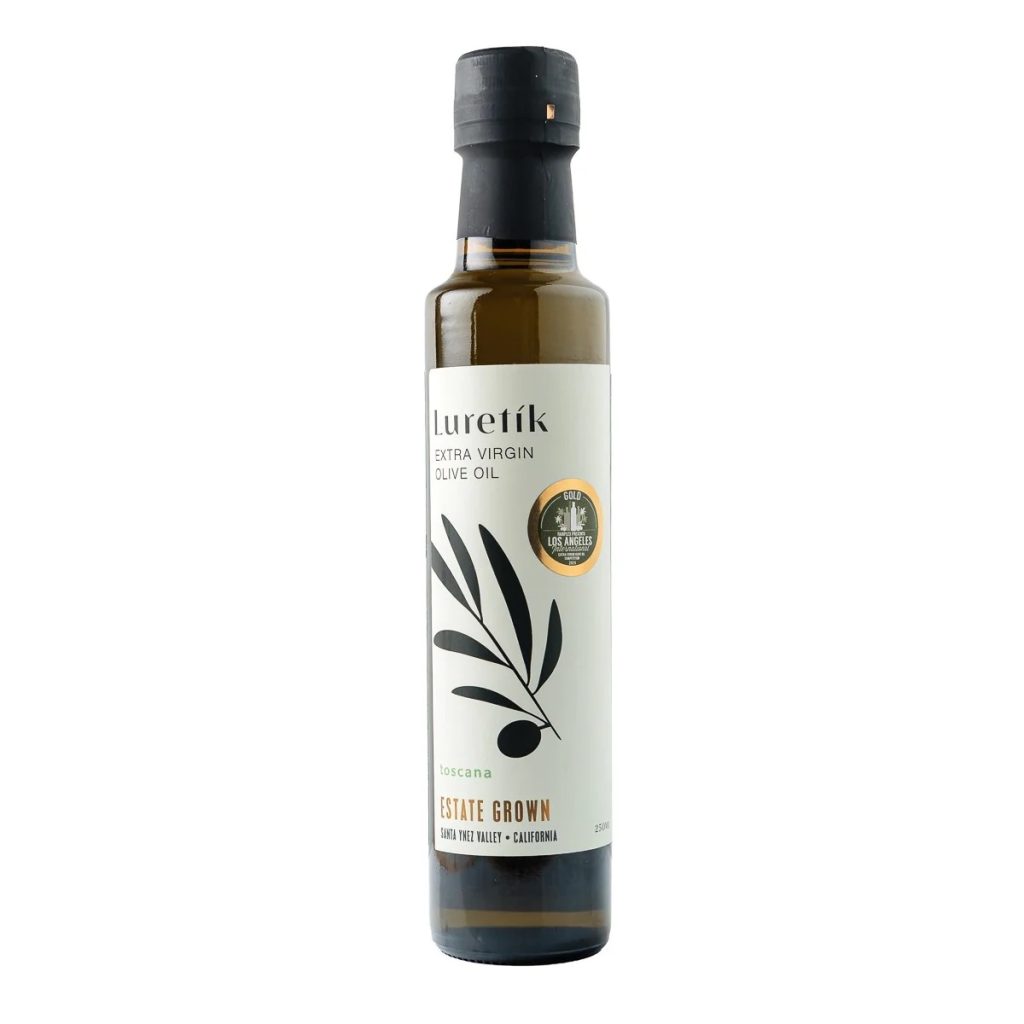
A great new oil from the Central Coast of California
Here’s a classic—and tasty—case where a strongly held point of view, a vivid vision of the future, and a willingness to put in a whole lot of hard work have made for a wonderful new olive oil. Luretík founder Elise Magistro gave up her career as a writer and professor of Italian language and literature at Scripps College to move to Central California and launch a remarkable small farm to craft world-class olive oil.
The passion for great food that’s at the core of Magistro’s point of view is not new. In a piece written for Stanford Magazine nearly 20 years ago, she shared:
As the child of a Sicilian father and French Basque mother, my fondest memories are tied to the kitchen of my childhood. Nothing terribly unusual about that. To one degree or another we are all transported by food. Rossini is said to have had perfect recollection of the risotto served at almost any party in his honor, but no recall of the host’s face. Proust may have been the best to write about the visceral connection between a taste and things past, but he certainly wasn’t alone in his observations.
My love affair with the foods of my youth, however, exceeds mere reminiscence. At its core is a singular way of communicating with those I love most, a remnant of my past when overt affection was rarely demonstrated and sentimental declarations were relegated to a world behind closed doors, away from children. Yet my siblings and I felt deeply loved, for in place of fond expression, we had the sublime language of food that emanated from my grandfather’s kitchen.
In 2011, Magistro decided it was time to trade teaching, writing, and philosophy for working with trees in the field. She signed up for a series of courses at UC Davis’ renowned Olive Center and began the journey of becoming an artisan olive oil producer. Five years later, Luretík came to fruition. The name, which means “from this earth,” is a nod to the Basque side of her family. She’s not the only person with a Basque background in the Central California region—Bakersfield, a bit inland and south, has a long-standing Basque American community (so much so that it’s sometimes called “Basquer-field”).
This oil really is terrifically tasty. It also represents a passion and a lifelong dream for Magistro. As she says, “Italians call it un sogno nel cassetto—a dream in a drawer to be realized in some distant future, a time that seems so far off as not to be real. And then one day it suddenly is.”
Like any 21st-century olive oil production, Luretík was not a project without cost—including equipment, planting, and many years of waiting for that first precious harvest to show up (yes, it takes years), it’s a big investment! And, as I’ve found to be true with virtually any subject, the more Magistro studied, the more she realized she didn’t know: “The more questions I asked, the more I learned that the world of extra virgin olive oil is vast and not easily mastered without considerable commitment.”
To be clear, Magistro had shown an equally deep commitment to writing and literature before the olives, teaching at Scripps and doing extensive translation work for many years prior to Luretík’s inception. (If you subscribe to George Saunders’s Substack, there’s a nice exchange between him and Magistro about a book she translated, Behind Closed Doors, by the little-known but important author Maria Messina, which details the lives of impoverished early-20th-century Sicilian women.) In Food & Home Magazine, she describes the feeling she had after she and her husband bought their current 10-acre property:
At sunset that view was akin to looking down from heaven. I’ve always felt that the Santa Ynez Valley chose us. It was never my intention to start a business. I simply wanted to make a high-quality oil that could equal the Italian and Sicilian oils I loved.
We have the Luretík Tuscan-style oil in stock at the Deli, and it is impressively excellent. Made from two of the four classic Tuscan varietals—Pendolino and Frantoio—the oil is firmly but not forcefully green, with hints of green almond and fresh-cut grass, and a walking-on-the-wire kind of pepperiness that brings it all alive near the finish. It would be fantastic on fresh fish, lovely local lettuces, or tomatoes (when they arrive in Ann Arbor later this summer), or just on hot slices of Bakehouse toast! And if you like it, you and I won’t be alone—in 2024, it won a gold medal in the Los Angeles International Extra Virgin Olive Oil Competition and recognition from the Good Food Awards.
Deep appreciation to Elise for all her work to make this special oil possible. As she signs off in her George Saunders piece, grazie infinite (“infinite thanks”)!
Covering Zingerman’s Deli with history
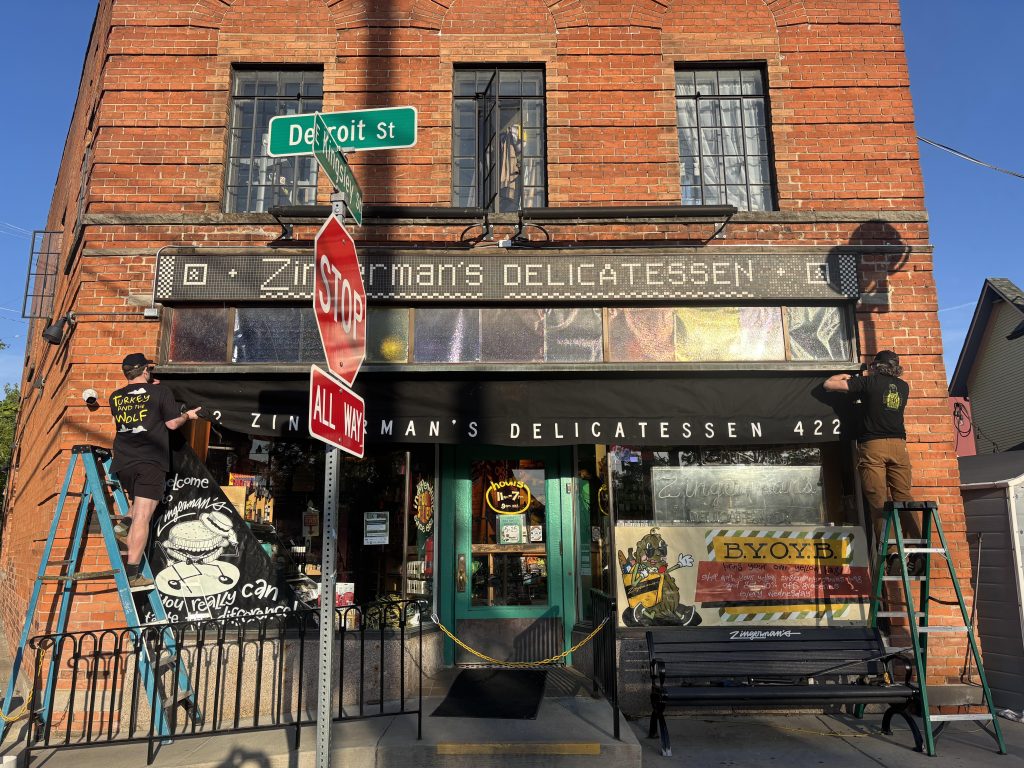
What’s so exciting about an awning? A whole lot, as it turns out—especially when a rich legacy of creativity and ingenuity is woven into its sturdy fabric.
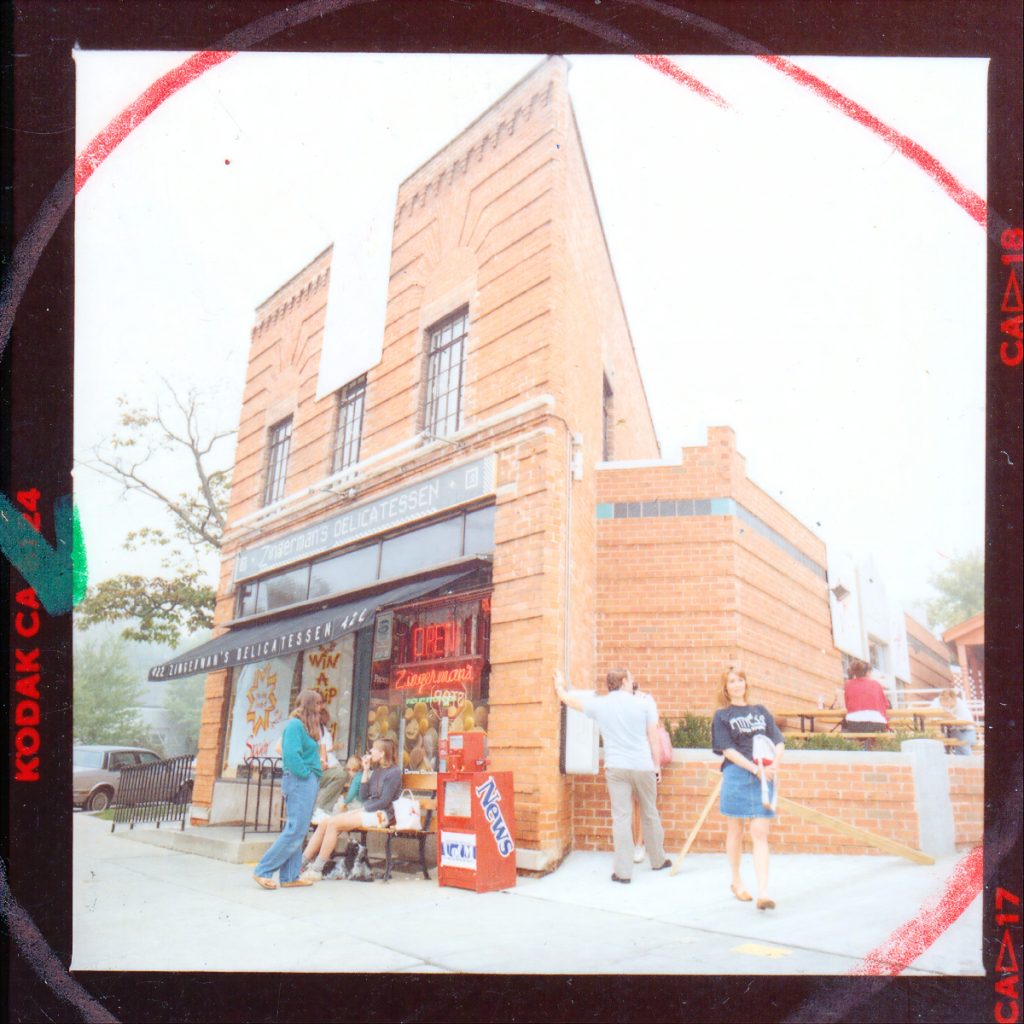
Such is the case with the classic black awning that hangs above the entrance to Zingerman’s Delicatessen, at 422 Detroit Street in Ann Arbor’s Kerrytown Historic District.
Even a gem needs polishing sometimes, and in recent years, the original Deli awning—installed in the late ’80s—needed more than that: it was weathered, tattered, and ready to be replaced. A local awning company had been contracted to produce a new one, but for various reasons, both logistical and aesthetic, that project fell through. (The company’s offer to provide a high-tech, motorized, remote-controlled awning seemed a tad at odds with the building’s 1902 origins.)
Enter Nick Jaroch, a sign painter and merchandiser at the Deli for nearly two decades. With quiet, persistent curiosity, Nick had already discovered that the white letters on the old awning (“422 ZINGERMAN’S DELICATESSEN 422”) had been hand-painted—but by whom? Seeking some answers, he turned to Deli team member Felix Muno, whose father, Steve Wallag-Muno, was an early graphic artist at Zingerman’s. Steve’s and his wife Monique’s handwriting was the basis for our signature “Muno” font, and he’s also responsible for the unique tile mosaic on the Deli’s facade.
“I was like, ‘Oh, do you think your dad knows anything about this?’” Nick recalls with a laugh. “And Felix said, “Yeah, I know about it. My grandma Rose sewed the awning, and she painted it.’”
Eureka.
“When I heard that, I thought, oh my gosh, this is crazy, and I’m glad the other awning didn’t work out,” Nick says. “We’ve got to make a new one, and we’ve got to paint it.”
Nick was equally intrigued by the awning’s vintage mechanical hardware. (If you’ve ever seen an old-school shopkeeper at sunrise or sunset hooking a piece of equipment to an awning to hand-crank it open or closed, you know the Edward Hopper vibe that we’re talking about.) In the Zingerman’s spirit of preserving history, he said, “We’ve got to save that, too.”
Now it was time to rally the troops.
Nick knew that Fiona Powell, a Deli front-of-house staffer, did some sewing, so, naturally, she was his first ask: “I said, ‘Hey, have you ever sewed an awning before?’ She was like, ‘No, what? I’ve never done that.’ So I said, ‘Are you willing to try? We’d love it if you could do this.’ And she was like, ‘Okay, I think I could.’” Done.
In true DIY fashion, Fiona was provided with the necessary supplies. And on the morning of Sunday, May 16, Nick and Rodger Bowser, head chef and co-managing partner of the Deli, took down the old awning so Fiona could use it as a model. They also disassembled its hardware.
But there was no time to waste, as Rodger hoped to have the new awning up within two weeks. After all, it isn’t just a charming decoration; it serves a critical practical purpose.
“It provides substantial shade and cooling to the store,” Nick explains. “The folks in the Specialty Foods department were like, ‘Yeah, we really need that back.’ And it keeps water off the entryway when it’s raining out.”
Fiona managed to sew Awning 2.0 in the span of a week, and Nick and fellow Deli artist Lulu Maturo quickly got down to painting it. “I had already climbed up on a ladder with tracing paper and traced the existing letters [on the original awning],” Nick notes. “Then I redrew them, and I made a stencil that I could transfer onto the new awning.”
Which still left the pesky issue of that vintage iron hardware. “Rodger and I took a look at it and noticed little parts and pieces were broken,” Nick says. “We would need some new bolts and things, but it was all stuff you can repair or replace.”
Figuring out the full functioning of the mechanisms, however, took a bit of legwork, as there was no company name or maker’s mark stamped on any of the gear—only a number. Undeterred, Rodger used this number to track down a 1936 patent for a tension awning arm secured by Henry C. Heiser for the Astrup Company of Cleveland, Ohio—once upon a time, the largest awning maker in the country.
The patent “provided a whole schematic” for the system’s operation, Nick says. “It explained everything and showed us how it all goes together. It was like finding the manual for it.”
Nick and Rodger used this 90-year-old “manual” as a guide to repairing the damaged parts. And on the evening of Tuesday, June 2—just over two weeks since the old awning had come down—Rodger, with the help of Specialty Foods Manager Trevor Murray, installed the new one in its rightful place.
Reflecting on the entire process—completed with remarkable speed and skill—Nick says, “The idea was that we wanted it to look the same, and we wanted to restore what was there. We looked at it, and we thought we could do it, and we did.” Without the aid of any newfangled automatic technology, to boot.
So the next time you pass by the Deli awning, remember that it’s much more than just a 20-foot-long piece of fabric overhanging a beloved storefront. Contained within its handsewn threads and hand-painted letters is a vital sense of history; a deep-rooted ethic of resourcefulness, craftsmanship, and teamwork; and a passionate commitment to honoring the past while looking ahead to the future.
And that’s what Zingerman’s is all about.
A perfect way to take advantage of the last 2026 asparagus at home
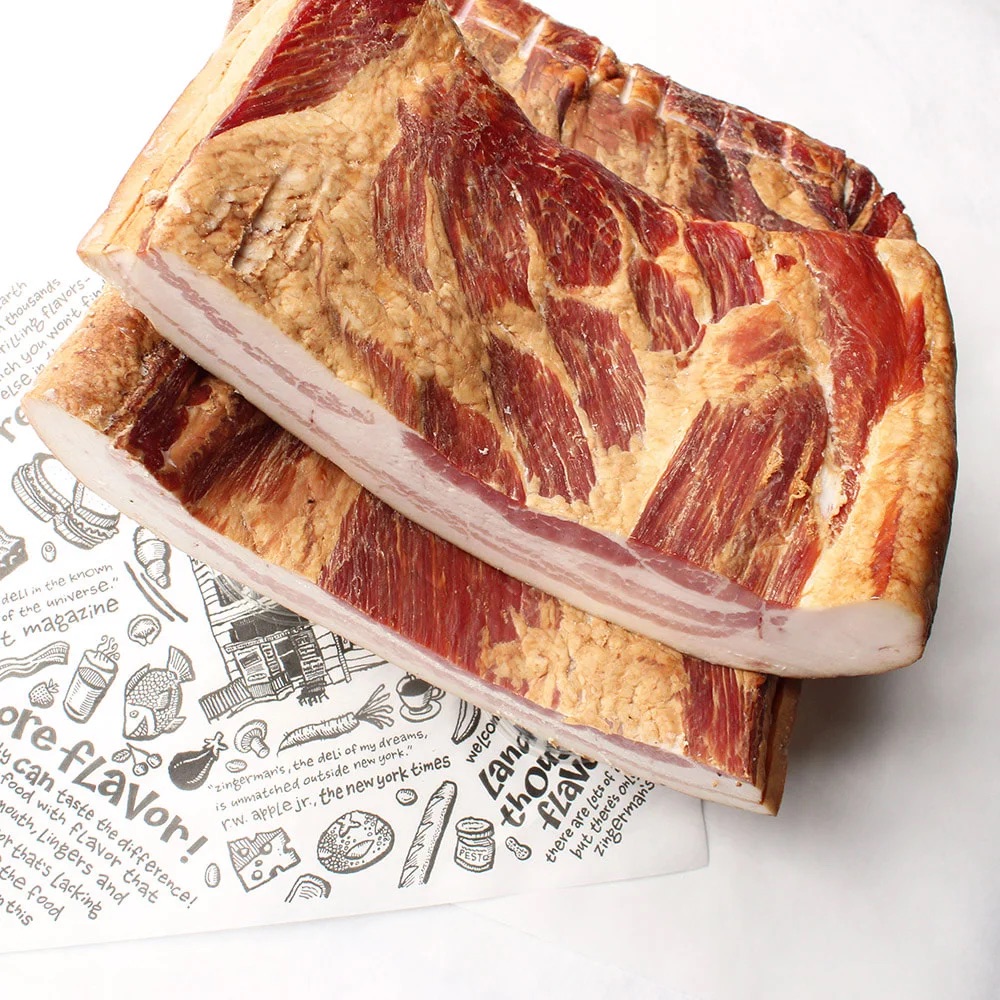
Going off the initials for asparagus, bacon, and egg, I decided to call this sandwich the “Honest ABE.” The name seemed appropriate—it’s kind of an antidote to the antipathy of modern times to focus on a high-integrity leader like Lincoln. With all the post-truth misinformation that’s so common today, at the start of the second quarter of the 21st century, the word “honest” feels like a positive token, too. A sign of spring, a bit of smoky salty pork, and a sunny-side-up egg to brighten your day—here is some serious wholesomeness, natural diversity, and deliciousness all in one easy-to-prepare, exceptionally tasty sandwich.
To make an Honest ABE, start by cooking bacon slices of your choice in a heavy skillet. (I like to use the excellent applewood smoked bacon from the Nueske family.) You can increase or decrease the number of slices you use, depending on how much bacon you like to eat. I’ve been going with two slices per sandwich, but even a single slice would work if you’re eating less meat, while enthusiastic bacon eaters would probably go up to four.
When the bacon starts to heat up in the skillet, add a bunch of fresh asparagus spears to the pan. (If they’re long ones, cut them in half before they go in.) Again, the ratio is really up to you; there’s no right amount. I load up on the asparagus myself—it’s so good this time of year!
Cook the asparagus until it starts to brown a bit on the edges. If the bacon is starting to get too well done, just take it out of the pan early while the asparagus finishes up in the hot bacon fat. When both are out of the pan, crack an egg (or two) into the skillet to cook in the bacon fat. I’ve been cooking mine over easy, but you can do it any way you like, of course. Meanwhile, toast two slices of bread. I’ve been using Bakehouse White (our delicious Pullman loaf), but you can also try Farm Bread, Better than San Francisco Sourdough, Parmesan Pepper, the new Honey Wheat, or whatever you prefer. Spread the toast with plenty of mayo.
When the egg is ready, place it on the bottom slice of bread with the yolk facing down. (If I were doing this in a restaurant, I’d probably put it on top for the sake of presentation, but since I’m at home, I don’t care as much how it looks, and I like it when the yolk soaks into the bread rather than running off.) Lay the asparagus on the egg, then top with the bacon slices. Grind on a bunch of black pepper, slap on the other slice of the bread, and enjoy while it’s still hot. It’s messy but seriously super fantastic!
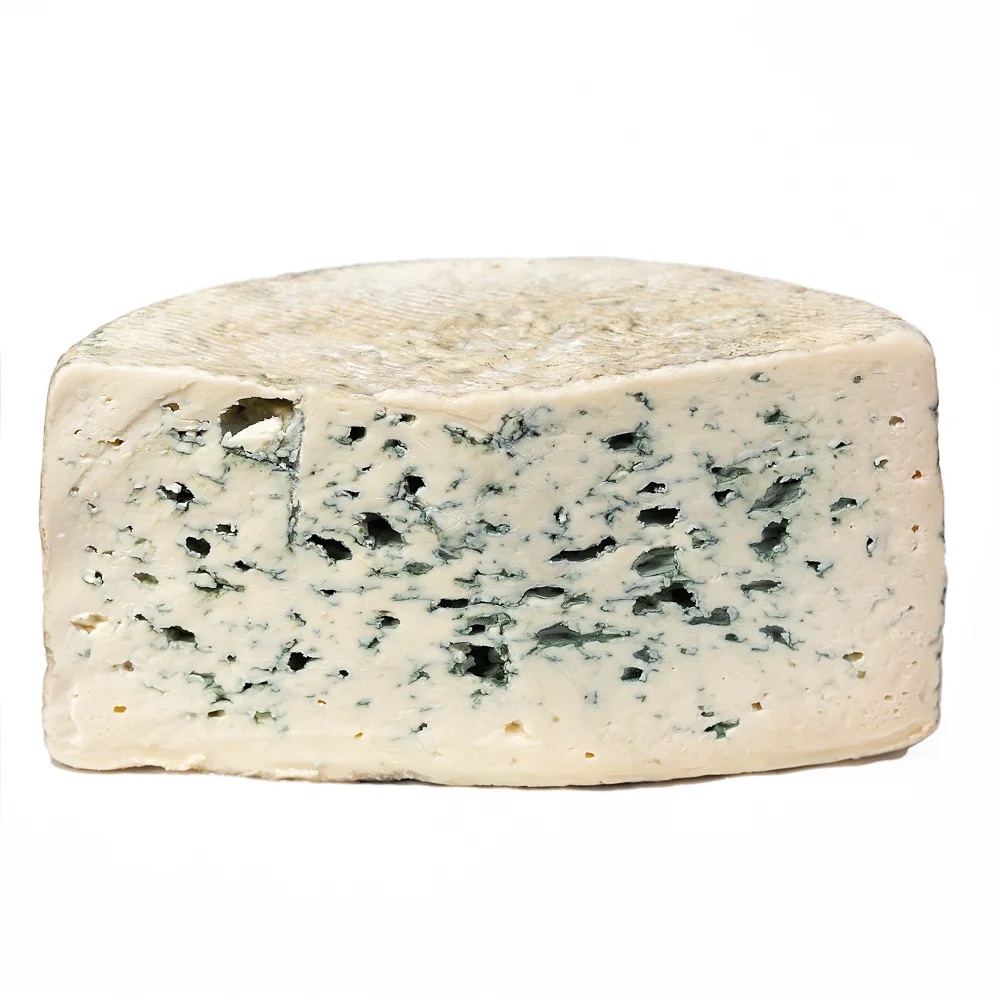
A classic French cow’s-milk cheese with nearly two hundreds years of history
While Roquefort gets so much of the attention among traditional blue cheeses, my belief is that Bleu d’Auvergne is right there with it. It’s an excellent cheese—one of the world’s oldest, with a big, full flavor that’s not too strong.
Unlike Roquefort, Bleu d’Auvergne is made from cow’s milk. It was likely originally developed back in 1854, in the Auvergne region of France. The area is known for its volcanic soil and lush pasturage, which contribute to the quality and complexity of the milk. By the late 1960s, it was well known in France, and it remains, outside Roquefort, the country’s best-selling blue. Making the cheese is no small achievement: a single wheel requires about 20 to 30 liters of milk.
Our Bleu d’Auvergne is matured by our friends—and master affineurs—at the family-owned Herve Mons. It’s earthy, meaty, and intense but not, I think, over the top—great on a steak sandwich or with some dark honey to soften the flavor. The meatiness might also work well on a tomato sandwich, or as a good meatless substitute for the bacon on a BLT! Bleu d’Auvergne is terrific with sweet wine and, surprisingly, with a dark porter, too. This is a solid medium-strength cheese for those looking to expand their blue repertoire.
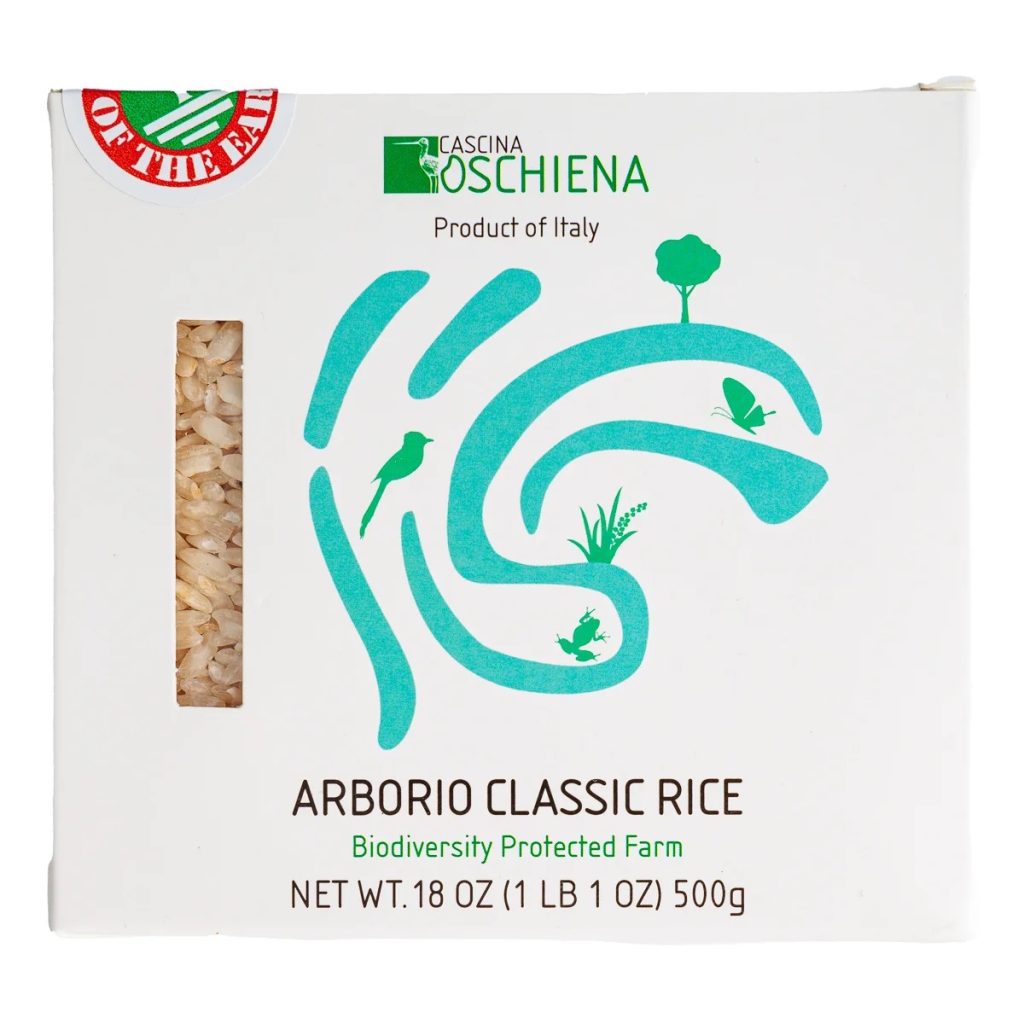
Italian rice and a whole bunch of butter and cheese
While risotto still gets most of the attention here in the U.S. when it comes to Italian rice preparations, there’s an alternative I’ll propose that’s equally delicious and even easier to make. In Italian, it’s called riso in cagnone, or riso al burro.
To make the dish, start with some really good Italian rice. We have one of my favorites at the Deli right now, from the remarkable rice farm of Cascina Oschiena. Biodiversity, bird sanctuaries, land restoration, and commitment to community all come together to yield some terrific rice (and yes, you really can taste the difference!).
Bring fresh cold water to a boil, add a bit of sea salt to taste, and, once the water is boiling, add rice—roughly a generous handful per person. Get a bunch of good butter—Vermont Creamery Cultured Butter is, of course, my choice—at room temperature. (To be clear, not melted, not cold—room temperature.) Put the butter at the bottom of a mixing bowl.
When the rice is al dente, drain the liquid (or save it—rice broth from good rice is really delicious) and pour it over the butter. Mix well, and add salt and pepper to taste. For the simplest version, grate on a bunch of Parmigiano Reggiano cheese; what we have on from the folks at Valserena—made solely with the milk of their herd of Brown Swiss cows—is fantastic. (Valserena is the oldest dairy in the Parma area and one of just four that use only Brown Swiss cows.) Now have at it! Simple, soul warming, delicious.
A slightly more complex approach would be to lightly brown fresh sage leaves and/or fresh garlic in more butter on the side. When it all browns, pour it over the rice.
My own spring version has been to cook some asparagus on the side and cut it into one-inch pieces. When mixing the butter and the rice, add the asparagus. ’Tis the season! You can do the same with fresh peas, fresh herbs, sauteed zucchini, and so on.
Again, this is an easy dish to prepare. Tradition has it that it was made in the fields by the rice workers over an open fire for their midday meal. And take note: the more cheese and butter, the better—it’s meant to be rich!
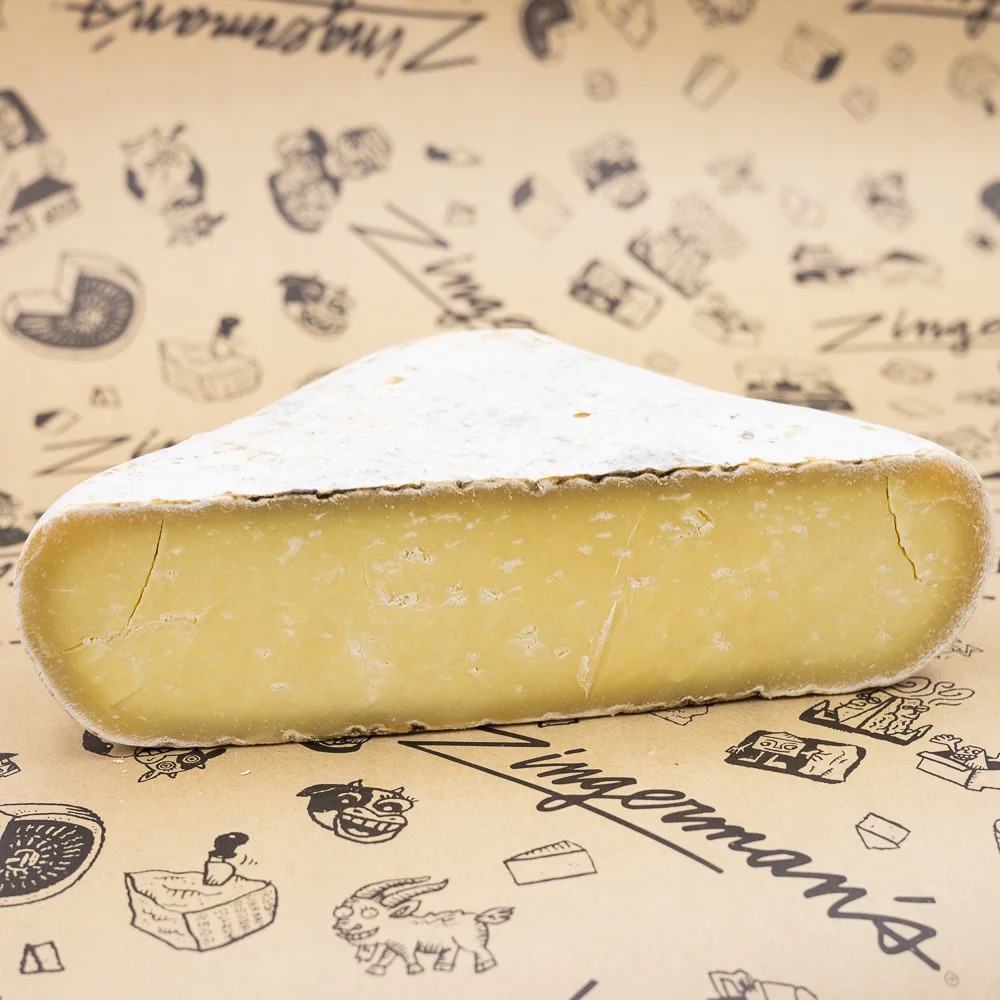
Marvelous traditional cheese from the Spanish island of Menorca
While I’m thinking about traditional bread and Anna Ferrer’s family baking tradition, it seems a natural move to write about this ancient cheese of the Mediterranean island of Menorca. It’s not just a coincidence—it also happens to be one of the tastiest, if least known, cheeses currently on the Deli’s counter! If you’re already a fan of Mahón cheese, make a point of getting in to taste it this week. If you don’t know Mahón, this is the right time to make its memorable acquaintance. The current batch is extra aged, so you get a lot of the wild intensity of the windy island. It’s great for grating or for eating in slivers with cured meats!
Menorca is the smaller of the two main Balearic Islands (Majorca, of course, is bigger), and it has a fascinating history. It was occupied by the Greeks and then the Romans; the Vandals, Moors, British, and French later followed. It has an old Jewish community that was forced to convert in the fifth century, though some Jewish conversos continued to practice their religion in secret. Today, the entire island has a population slightly smaller than that of Ann Arbor. Menorca has been declared a Biosphere Reserve by UNESCO, as it has more than 900 varieties of flowers growing—which, of course, adds to the diversity of the cows’ diet and, thus, the complexity of the milk. While the cows don’t eat them, there are also over 30 varieties of butterflies on the island! Most residents of Menorca speak both Catalan and Castilian, and many longtime locals still learn and use the old island language of Menorquí, in which the name of the town of Mahón—from whence the cheese originates—would be Mao.
Mahón, the cheese, is a PDO (protected designation of origin) product that’s been made on the island for something like four or five thousand years! Ours hails from the long-standing, highly regarded Quintana family, who, along with the Triay Barber family, have been selecting and maturing the best Mahón for eight generations. Juan Bosco Triay Barber, manager of Queso Quintana and a master of cheese ripening, has been around these cheeses since he was a small child. Our importer, Carrie Blakeman of Rogers Collection, reports that “this humble company is very respected locally—quietly—and mostly on the farm.” All their cheeses are made using methods that are as true to ancient techniques as possible while still respecting modern health codes. The milk comes from a single-family farm (known in Menorquí as a lloc) with just 40 Mahónese cows, an old local breed. The land there is divided into plots by multiple dry-stone walls so the cattle can graze freely in the rich grass, bathed by the sun, and the soil is irrigated by the unique maritime environment. The milk is always unpasteurized, and the curd is never cooled until after the cheese has been set, protecting its delicate flavors in the process.
The folks at Quintana clearly have great passion for, and pride in, the quality of the cheese. It is, by far, Menorca’s most significant culinary claim to fame. Factory versions of Mahón have a bright, orange, waxy-looking rind and a rather uninteresting flavor. I much prefer what we have in-house right now—artisan offerings made by hand from raw milk. These tasty cheeses are rarely seen off the islands; you can distinguish them by their darker, dusty-looking burnt orange-brownish rinds, with an interior that has the color of well-worn ivory. I enjoy Mahón most at about nine or ten months—like what we have now—when it has developed the texture of an aged Gouda and an almost smoky flavor. Nattily nutty, significant, and striking, it stands up for itself without being standoffish. It goes great with almonds or dried fruit, and you can pair it with almost any of the breads from the Bakehouse, buttered first with a bit of Vermont Creamery Cultured Butter to balance its sharpness.
A few years ago, New York Times food writer Florence Fabricant recommended melting Mahón atop casseroles, potatoes, or pasta. Locals like it sprinkled with black pepper, extra virgin olive oil, and tarragon. Mahón also works well on a salad with slivered dates and cured ham. Or, most simply, just bring home a nice-sized chunk, let it come to room temperature to access its full flavor, and then nibble away while you work or set the table for dinner. Oh, and by the way, Quintana recently won a silver medal from the World Cheese Awards!